leaf icon
leaf icon
leaf icon
calendar icon
Gardens To Visit
caret icon
Visit a PHS garden or landscape to help build stronger social connections with your community.
For Neighborhoods
caret icon
Explore programs that create healthy, livable environments and increase access to fresh food.
For Gardeners
caret icon
About Us
caret icon
Get to know our story, become a part of our staff, or see what is in the news with PHS.
The Flower Show

Winter Sowing: A Simple, Affordable Way to Start Seeds Outdoors

February 26, 2026

leaf icon garden inspiration

leaf icon plant care

leaf icon seasonal tips

5 10 2025 seed distribution at awbury credit morgan horell morganhorellphoto 076

By Sally McCabe, Associate Director of Community Education at PHS   

Most hardcore gardeners get through the winter holiday season playing with houseplants, but honestly, our hearts are still outdoors in the garden. Any growing activity that gets us outside is going to be embraced with open arms by the plant community, and that’s exactly why winter sowing is so appealing. 

While we’re snug in our beds waiting for the days to get longer, seeds are already in the soil making life-and-death decisions about whether, and when, to sprout. They landed there haphazardly when fruit rotted, seedpods exploded, or birds dropped them from the sky. Covered with leaves, they bide their time until conditions are just right for new plants to emerge. 

Many get eaten, trampled, dried out, flooded, or blown away. Winter brings false warmth, deep freezes, shifting soil, and blankets of snow. It’s chaos in the baby plant world. 

Winter seed sowing works with nature instead of against it; bringing a little order to that chaos while honoring how seeds naturally grow. 

Why Try Winter Sowing? 

Winter sowing gives gardeners a welcome sense of purpose during a dormant season. It allows us to add a degree of protection and control while still taking advantage of a seed’s natural cold-cycle requirements. 

Unlike starting seeds indoors under lights, winter seeding: 

  • Is inexpensive 
  • Requires minimal equipment 
  • Saves indoor space 
  • Eliminates the need for hardening off 
  • Gets you outside in the fresh air 

Most of us don’t have the patience, setup, or square footage to start half as many plants indoors as we’d like. Winter sowing seeds outdoors solves that problem beautifully. 

Dig deeper with our Know to Grow webinars—your go-to source for expert gardening advice, fresh ideas, and real-world growing tips.

How to Get Started with Winter Sowing Seeds 

Setting up for winter sowing is essentially creating a mini greenhouse. Your container needs to: 

  • Be translucent 
  • Have drainage holes 
  • Provide ventilation 
  • Hold at least 3 inches of soil 
  • Allow a few inches of headroom for growth 

Great examples include plastic milk jugs or 2-liter soda bottles. 

Step-by-Step Winter Seed Sowing Method 

  1. Remove the lid. 
  2. Poke or drill several drainage holes in the bottom. 
  3. Cut the container about ¾ of the way around halfway up, leaving a hinge. 
  4. Fill with 3 inches of pre-moistened potting or seed-starting mix. 
  5. Sprinkle seeds and cover lightly with soil. 
  6. Close the hinge and secure with duct tape. 
  7. Label and date the container in at least two places using a permanent marker. 
  8. Place outside—and repeat. 

That’s it. Seeds will germinate when conditions are right. There’s no need to fuss over timing, temperature, or hardening off before transplanting. Nature does the work. 

phs bensalem 56
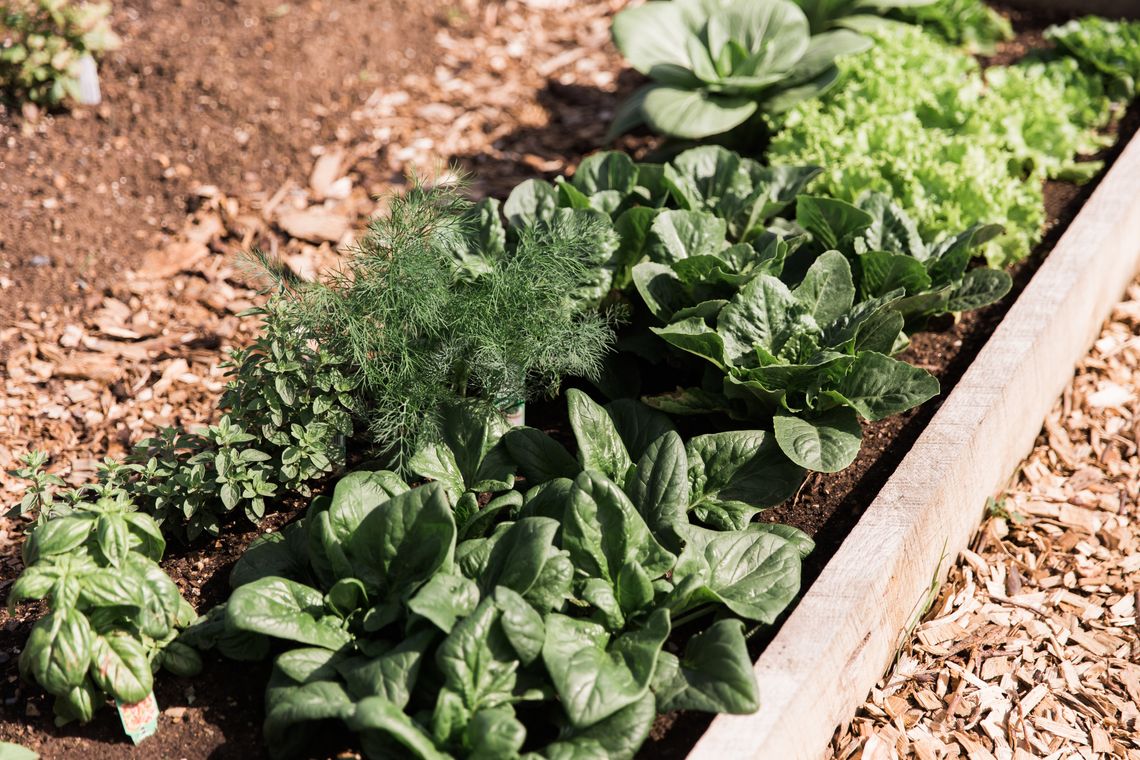
Spinach is a winter sowing favorite, happily sprouting in chilly conditions while other plants wait for spring.

What Can You Grow with Winter Seed Sowing?

You can grow almost anything using winter sowing, except true warm-season annuals and vegetables (unless you wait until closer to spring).  Many gardeners begin winter sowing seeds with perennials that require cold stratification—especially native plants in Zone 7 and similar climates. 

Cool-season crops work beautifully, including: 

  • Mustards 
  • Kale 
  • Lettuce 
  • Spinach 
  • Most herbs (except basil) 

Winter sowing containers should stay outdoors where they receive light. I sink mine slightly into the ground to prevent tipping. They can sit in full sun as long as they’re vented properly. Some gardeners even place them directly in their garden beds. 

When to Start Winter Sowing 

One of the best parts of winter sowing is its flexibility. You can try out winter sowing as soon as right now, next week, or even next month, or anytime from now through the end of the winter around March 20. 

Winter sowing seeds outdoors works because germination happens naturally when environmental conditions are right and not according to a strict calendar. 

Winter Seeding Maintenance and Transplanting 

Maintenance for winter sowing is simple: 

  • Water if containers dry out 
  • Vent if overheating 
  • Drain if waterlogged 
  • Watch for germination 

Once seedlings develop two sets of true leaves, transplant them individually, or in small clumps, into their permanent garden homes. 

Why Winter Sowing Is Worth Trying 

Winter sowing is an easy, affordable way to continue gardening through cold, gray months. It’s ideal for gardeners with limited indoor space and anyone who wants a head start on spring planting without the hassle of grow lights and trays. 

Whether you’re a seasoned grower or just beginning, winter sowing seeds outdoors offers a practical, nature-aligned way to expand your garden. Give winter sowing a try this season and discover how simple and rewarding winter seed sowing can be.

Have more questions about seed sowing and your garden? PHS has answers.