Know to Grow is a monthly webinar series that brings gardening knowledge straight to you. Whether you're an experienced grower or just getting started, each session is packed with expert insights and fresh inspiration moderated by PHS Vice President of Horticulture, Andrew Bunting. Join for just $20 per lecture or become a PHS member (starting at $5/month) and attend every session for free!
February 11, 2026 at 5:00 pm
Diane Ott Whealy – “Gathering: Memoir of A Seed Saver with Diane Ott Whealy”Drawing on 50 years of experience and her memoir Gathering: Memoir of a Seed Saver, Diane shares how heirloom gardening supports pollinators, preserves plant genetics, and gives practical guidance for creating resilient, self-sustaining gardens. These insights apply to gardens of any size, with a focus on self-seeding annuals, seed saving, and building a sustainable, edible landscape.
Join Know to Grow at the 2026 PHS Philadelphia Flower Show for 9 days of exciting presentations. Everyday at the Flower Show you can enjoy three presentations from acclaimed horticulturists and gardeners. An additional fourth presentation can be enjoyed by PHS members! See the full list of members-only presentations below:
Presentation and Speaker Coming Soon!
In this era of purposeful and thoughtful gardening, planting is a powerful verb. Planting gardens inspired by nature promotes authentic connections with land, environment, and humanity. Why not make a garden that works and looks good doing it? Landscapes at home and in the public realm can be beautiful and ecologically functional if we deepen our understanding of plants and places. In this presentation, especially tailored to garden enthusiasts with examples from around the world, plantsman and author Kelly Norris challenges audiences to plant the world a more beautiful, functional place.
Symbolic, colorful, and historical — African American Gardens and Yard Art are a tradition worthy of understanding and celebration. Rooted at the crossroads of the African diaspora, burial sites, and plants left behind after the Civil War, we will explore how these meaningful designs emerged in the American landscape.
Gardening in Philadelphia has a deep history that long predates European settlement in the region. Join us to learn about how archaeology reveals Native American gardening practices spanning over 10,000 years of Lenape history in the Delaware Valley. Explore examples from Penn Museum’s new Native North America Gallery to discover how relationships between people and plants had to change during forced removal after colonization, as well as how contemporary communities are working to revive and reunite with some of the plants that were so important to their ancestors.
Learn how to find and explore pockets of interstitial wilderness, the charismatic ecologies they harbor, and the lessons they teach about how to rewild the future, in this presentation based on the author's acclaimed recent book, A Natural History of Empty Lots: Field Notes from Urban Edgelands, Back Alleys and Other Wild Places.
Learn the seven steps to creating a lovely garden in the English cottage garden style while taking into account such challenges as pollution, unpredictable weather events, and the stresses we all face in today’s world. Gardeners at any stage of their gardening journey will learn valuable techniques for cottage gardening with a contemporary flair. Pamela illustrates her talk with Rob Cardillo's beautiful photographs.
Craig and Russ reflect on their forty-year history of garden-making across the Midwest and beyond. Rooted in a deeply plant-centric philosophy, CBLD designs begin with what the land and architecture communicate, always “thinking like a plant” to ensure long-term establishment. Their work shows that a garden reaches into the soil and requires patience, insight, and collaboration. Whether in their native Chicagoland or farther afield, their craft remains the same: cultivating enduring relationships between people, plants, and place.
Thomas Jefferson had a vision for his home and plantation that was as revolutionary as his political ideas. His love of Monticello resulted in a lifelong dedication to the gardens, landscapes, and views of his iconic Palladian villa. Restoring Jefferson’s gardens requires rigorous research and careful preservation. The heirlooms of the garden, like priceless antiques, can tell us important and fascinating stories about our past. Peggy Cornett’s presentation features the many plant varieties — from historic tulips and ancient roses to heirloom fruits and vegetables — that have been collected, propagated, and preserved in the gardens at Monticello today.
In this presentation, Jenny Rose Carey will take you inside her latest book, The Essential Guide to Bulbs. Explore with Jenny Rose the extremely diverse world of bulbs with many their varieties from which to choose. Discover that beyond the early show of spring bulbs like daffodils and tulips or the late show of gladiolus, there are so many more to choose from that provide three-season color, drama, and spontaneity in the garden.
Quality landscaping not only adds aesthetic value to a property, but also supports biodiversity and wildlife needs. Converting barren turf and asphalt into immersive gardens, meadows and forests builds natural abundance and enriches the lives of employees and the greater community. Naturally, corporate landowners looking to integrate ecological landscapes into their properties will have questions about installing and maintaining sustainable landscaping on a commercial scale. The Pennsylvania Horticultural Society's Vice President of Horticulture Andrew Bunting brings his perspectives on planting maintenance, financial commitments, aesthetic concerns, community response, and more. Participants are invited to bring their landscaping questions for the presenter to address during the presentation.
A fresh look at the ecological and horticultural roles of non-native plants! Have you ever gotten into a discussion about the “goodness” or “badness” of a non-native plant? How about a lecture on why native-only landscapes are the only correct direction for horticulture to go? Join horticulturist David McKinney for a thoughtful discussion on the value and complexity of non-native plants in our landscapes. While native plants are essential to ecosystem health, many non-native species also provide important benefits including supporting pollinators and offering habitat for wildlife.
Join native plant expert Kevin Zuidervliet as he shares standout choices for home landscapes like snowberry (Symphoricarpos albus), a large shrub with bright white berries, and bladdernut (Staphylea trifolia), a medium sized tree with unique seed pods.
André Michaux was one of the most accomplished scientific explorers of North America before Lewis and Clark, known for his major contributions to botany and horticulture. During his decade-long American sojourn, he established a botanical garden and introduced countless native plants to Europe. Yet Michaux also found himself thrust into the middle of a vast international conspiracy. This fascinating talk blends political intrigue with botany and highlights a little-known chapter where early American horticulture and global ambition intersected.
Join us for an inspiring conversation with floral designer and urban flower farmer Dee Hall Goodwin as she shares how growing native flowers can transform your cutting garden and strengthen your community. Learn practical tips for cultivating seasonal blooms that support local ecosystems and combine beauty and purpose in every bouquet.
Meet the pawpaw! With custard-like fruit that tastes like mango, banana, and melon all in one bite, this native North American tree is a hidden gem grown across USDA Zones 5–8. Join pawpaw grower and expert Andra Nus to learn how to grow, care for, and enjoy this unique fruit tree. You’ll get practical tips on everything from planting to harvesting.
Learn about how everyday people can help restore nature in their own backyards, parks, and neighborhoods. From planting native trees to removing invasive species and rallying volunteers, Andrew shares simple, powerful ways to make a real ecological impact in communities, both online and in real life.
Learn how to fertilize, re-pot, and choose the best soil and lighting to bring out the healthiest growth in your indoor plants, especially those that need a little extra attention. This inspiring mother-daughter duo will share their favorite techniques and time-tested tips for improving plant health and vitality so you can enjoy happier, longer-living plants at home.
About the Speakers
Presentation: “Everyday Actions for Greener Communities”
Andrew is a local urban forester and ISA-certified arborist who is passionate about trees, native plants, and the natural world. Through his social media platforms and his ecological restoration non-profit, the Community Canopy Project, he hopes to encourage a deeper integration of nature into the spaces where we live, work, and play. His user-friendly content on social media platforms (@Andrew_The_Arborist) aims to educate and inspire people to reconnect with the natural world around them.
Presentation: “The Giving Garden: Cultivating Native Flowers to Transform Your Cutting Garden and Community"
Dee Hall Goodwin, a Norfolk, Virginia-based floral designer and urban flower farmer, blends eco-consciousness and artistry through locally grown, seasonal blooms. Inspired by her grandmother’s garden in St. Lucia and her childhood in Brooklyn, Dee founded Mermaid City Flowers to celebrate nature’s beauty while supporting community-sourced farming. As the founder of the Tidewater Flower Collective and Black Flower Farmers, Dee champions sustainable practices and diversity in floriculture. Her work has been featured on PBS, and in publications including Black Flora, Garden and Gun, and Country Living, reflecting her dedication to floristry as a blend of art, nature, and heritage.
Presentation: “Looking at Non-Native Plants with Fresh Eyes”
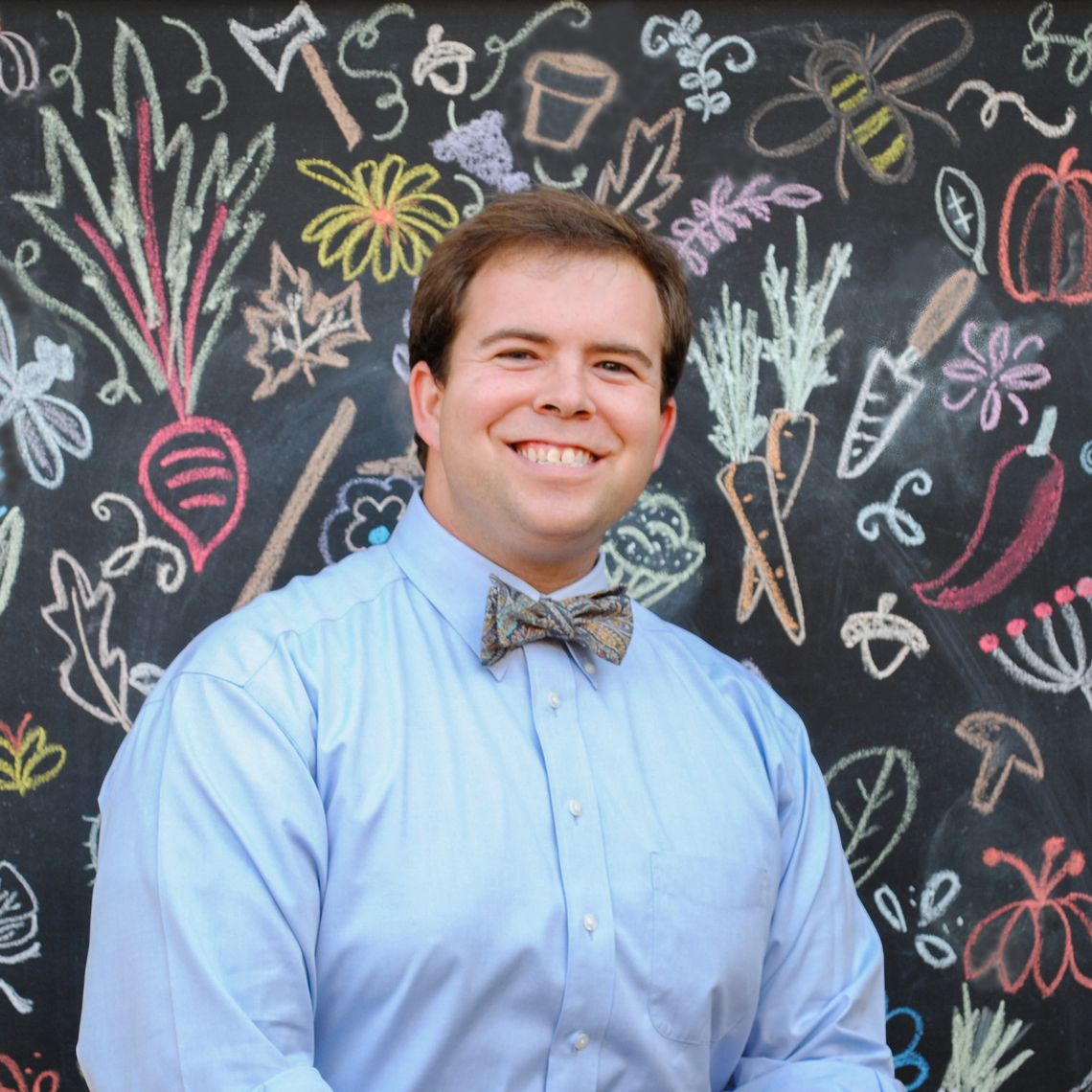
David McKinney is a horticulturist, ecologist, entomologist, and plant physiologist currently working as the curator at the Iowa Arboretum and Gardens where he manages 160 acres of gardens, prairie restoration, and native woodland. Originally from Colorado, he received three degrees in horticulture from Colorado State University while also coordinating extensive perennial trials and demonstration gardens. He is passionate about native plants, and the interactions between plants and wildlife. On top of his curatorial work David is an award-winning writer and speaker, recently receiving the Emerging Perennial Professional Award from the Perennial Plant Association and Kenneth Post Award from the American Society for Horticultural Science.
Presentation: “Meet the Pawpaw: A Native Fruit Tree with a Tropical Twist”
Andra Nus is the owner of Sleepy Gap Pawpaws, a pawpaw nursery and orchard outside of Asheville, NC. She has three decades of horticultural experience in gardening, garden design, nursery management and plant breeding.
Presentation: “Botany and Betrayal: André Michaux, Thomas Jefferson, and the Conspiracy of 1793 with Patrick Spero”
Patrick Spero is the Chief Executive Officer of the American Philosophical Society and a scholar of early American history. Dr. Spero is the author of four books on the era of the American Revolution. They are Frontier Country: The Politics of War in Early Pennsylvania (2016), which was named a staff pick by the Philadelphia Inquirer in 2017, Frontier Rebels: The Fight for Independence in the American West, 1765-1776 (2018), winner of the Philadelphia Athenaeum’s Literary Award and a finalist for the Journal of the American Revolution’s best book of the year, The Scientist Turned Spy: Andre Michaux, Thomas Jefferson, and the Kentucky Conspiracy of 1793 (2024), and The Other Presidency: Thomas Jefferson and the American Philosophical Society (2024). He is also co-editor of The American Revolution Reborn: New Perspectives for the 21st Century (2016), a book that one reviewer said “will surely secure a place in the historiographical pantheon.” In recognition of his scholarly and administrative accomplishments, he is an elected member of the Royal Historical Society (2023), the Academy of Arts in Science in Lyon France (2023), the American Philosophical Society (2023), and the American Antiquarian Society (2023).
Presentation: “Healthier Houseplants with Cherron and Amma Thomas of Plant and People”
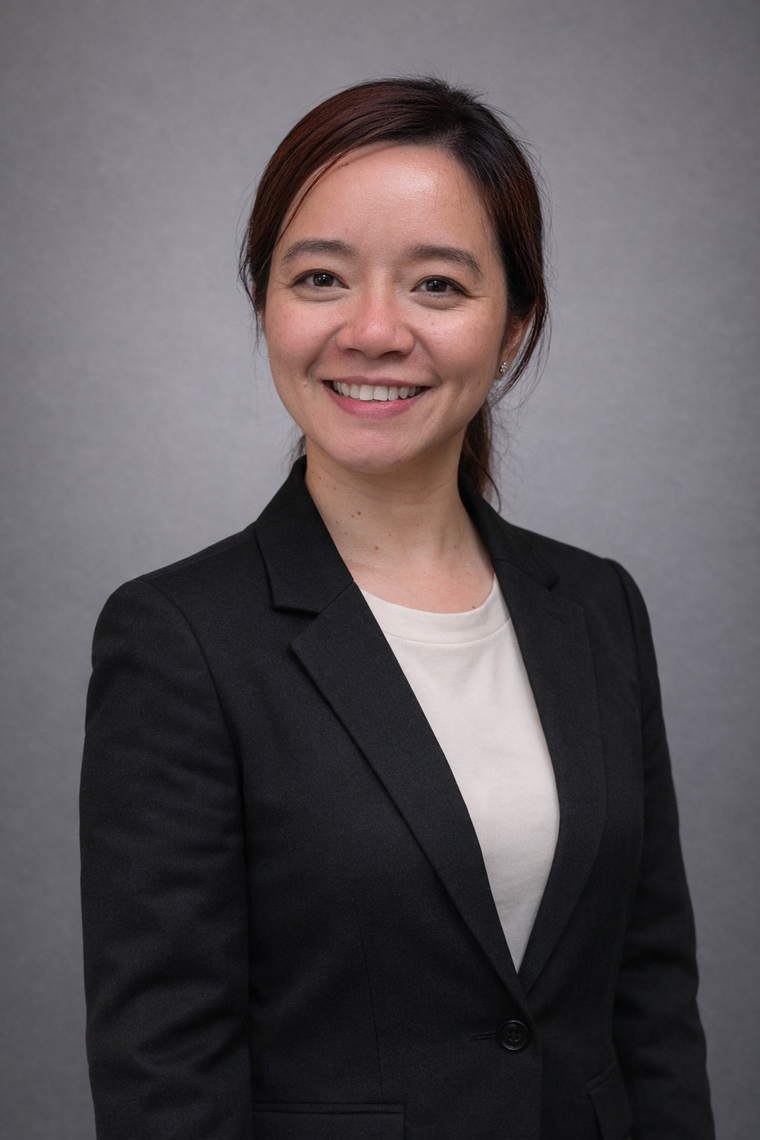
Cherron Thomas is from Tennessee where growing food and caring for plants was a way of life. She's a seasoned plant wellness entrepreneur and passionate grower. Amma Thomas, is an herbalist and lifelong gardener who started at just three years old and is the COO of Plant and People. She frequently teaches plant classes and manages their plant stand at the Clark Park Farmer’s Market on Saturdays. Amma and Cherron’s passion for plants and wellness shows in their desire to share and educate the community about wellness through plants. This dynamic mother-daughter duo is behind Plant and People, an award-winning plant shop and community hub in Philadelphia. Known for going above and beyond, they offer easy-care houseplants, thoughtful gifts, eco-friendly products, educational workshops, and corporate services to inspire sustainable living and build community connections.
Cherron and Amma began Plant and People in 2020, as a shared vision to create a sanctuary for the community. Rooted in a deep appreciation for the interconnectedness of nature, wellness, and community. Plant and People has grown to be a treasured institution. Plant and People has become a space for creativity, learning, and growth. From seasoned plant enthusiasts to new plant parents visit Plant and People in West Philly, or online at www.plantandpeople.com and social media (@plantandpeople).
Presentation: “Gathering: Memoir of A Seed Saver with Diane Ott Whealy”
Diane Ott Whealy co-founded Seed Savers Exchange (SSE) with Kent Whealy in 1975. She helped guide a fledgling non-profit organization to become the largest non-governmental seed bank in the country. In 1990 SSE’s work in food and agriculture earned a MacArthur Fellowship. She co-founded and established Heritage Farm, SSE's scenic 890-acre headquarters near Decorah, Iowa home to thousands of heirloom varieties of plants, preservation gardens, historic apple orchards and rare breeds of cattle and poultry. She is a nationally recognized expert and featured speaker on heirloom gardening, seed saving and edible landscaping at garden shows and botanical gardens throughout the country. She has appeared in documentary films and TV appearances. Freelance writing for gardening magazines, writing copy for SSE publications, catalogs, calendars, blog post. In June 2011, she published Gathering: Memoir of a Seed Saver, which tells the story of how SSE has grown from a small coterie of passionate gardeners to one of the most active and effective seed saving organizations in the world. She remains active in SSE as a representative, fundraising consultant and serves on the Board of Directors. Annually, she designs, interprets and cares for a public display garden called “Diane’s Garden” at Heritage Farm.
Presentation: “Top Native Trees and Shrubs for Your Garden”
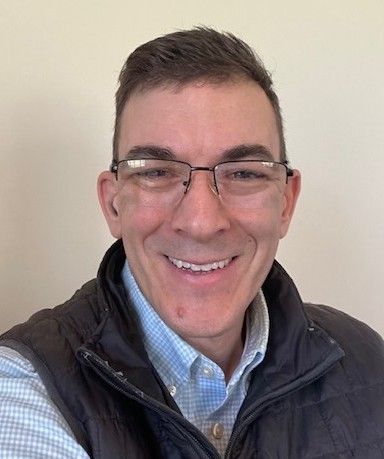
Kevin is a 2013 graduate of Susquehanna University with a degree in Student Development in Higher Education. After graduation he traveled to Australia and New Zealand where he worked on organic farms for 6 months. This sparked an interest in gardening and horticulture. When he returned to the states, he joined AmeriCorps VISTA at Bucknell University where he ran the Lewisburg Community Garden, which is still thriving today. After AmeriCorps, he was accepted into the Professional Horticulture Program at Longwood Gardens. He worked another three years at Longwood Gardens as a Nursery Horticulturalist, growing woody plants. After working at Longwood Kevin joined Octoraro Native Plant Nursery’s team as the Head Propagator in 2021. In January of 2025 Kevin and his wife transitioned into owning Octoraro and he is currently the Owner - Grower there.