leaf icon
leaf icon
leaf icon
calendar icon
Gardens To Visit
caret icon
Visit a PHS garden or landscape to help build stronger social connections with your community.
For Neighborhoods
caret icon
Explore programs that create healthy, livable environments and increase access to fresh food.
For Gardeners
caret icon
Engage with PHS on gardening, whether you’re an expert or a beginner.
About Us
caret icon
Get to know our story, become a part of our staff, or see what is in the news with PHS.
The Flower Show

Season Extenders for Vegetables: How to Start Your Garden Earlier in Zone 7

January 22, 2026

leaf icon plant care

leaf icon seasonal tips

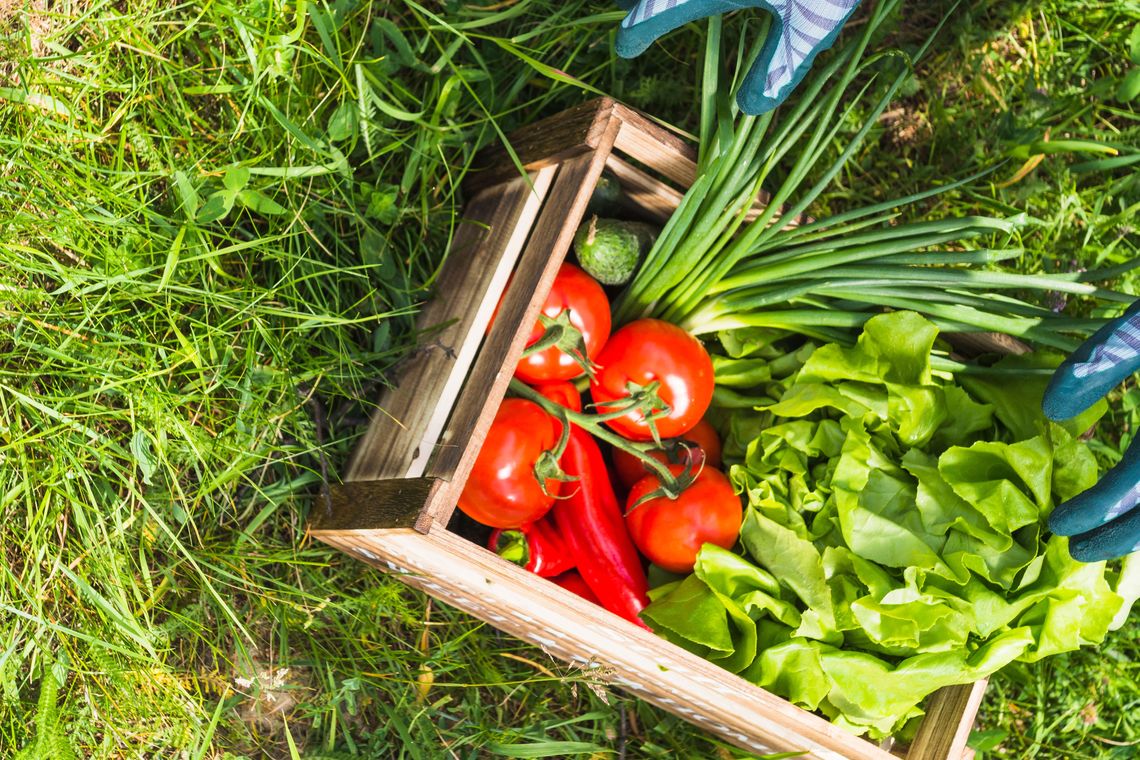
wooden crate with fresh organic vegetables green grass

By Sally McCabe, Associate Director of Community Education at PHS 

The Philadelphia region, firmly nestled in USDA Zone 7, presents a unique challenge and opportunity for the dedicated gardener. While our traditional growing season is generous, the transition periods (those fickle weeks in late winter and early spring) often feel like a missed opportunity. I have often found myself hankering for a spring tonic long before the traditional planting dates. By understanding our local micro-climates and using a season extender for a vegetable garden, we can do plenty of simple things to get our gardens producing earlier. 

January & February: Using Season Extenders in the Winter Garden

In the depths of January and February, when most are still leafing through seed catalogs, the proactive gardener is already in motion. Let’s not waste what other people consider dormant time! 

Hop in a time machine: This is where you express regret over what you could have done in the fall: planted greens in September that would be well-established by now, under cover in tunnels or enclosed in cold frames you assembled when it was warm enough to feel your fingers. Didn’t do those things?  Pick a “warmer” day and make up for lost time! 

Start seeds indoors: This is the prime window to start seeds indoors where you can regulate the temperature. Focus on hardy spring crops like cabbage, cauliflower, collards, and broccoli. Starting these now ensures they are robust enough to transplant as soon as the soil can be worked. 

Try winter sowing: If you lack indoor space or grow lights, January and February are the perfect months for winter sowing. Using recycled clear plastic containers (like milk jugs or take-out containers) as mini-greenhouses, you can sow seeds of hardy perennials and cold-tolerant greens like spinach and kale. Leave them outside; the containers protect the seeds from hungry birds and heavy downpours while allowing them to germinate naturally as soon as the temperature is right. This produces incredibly "tough" seedlings that are already hardened off to our Zone 7 swings. 

Start thinking in microclimates: To successfully transition these early starts to the garden, we must become masters of the micro-climate. This involves using physical barriers to shield young spring crops from biting winds and late-winter frosts. 
9 5 2025 glenwood green acres credit morgan horell morganhorellphoto 046
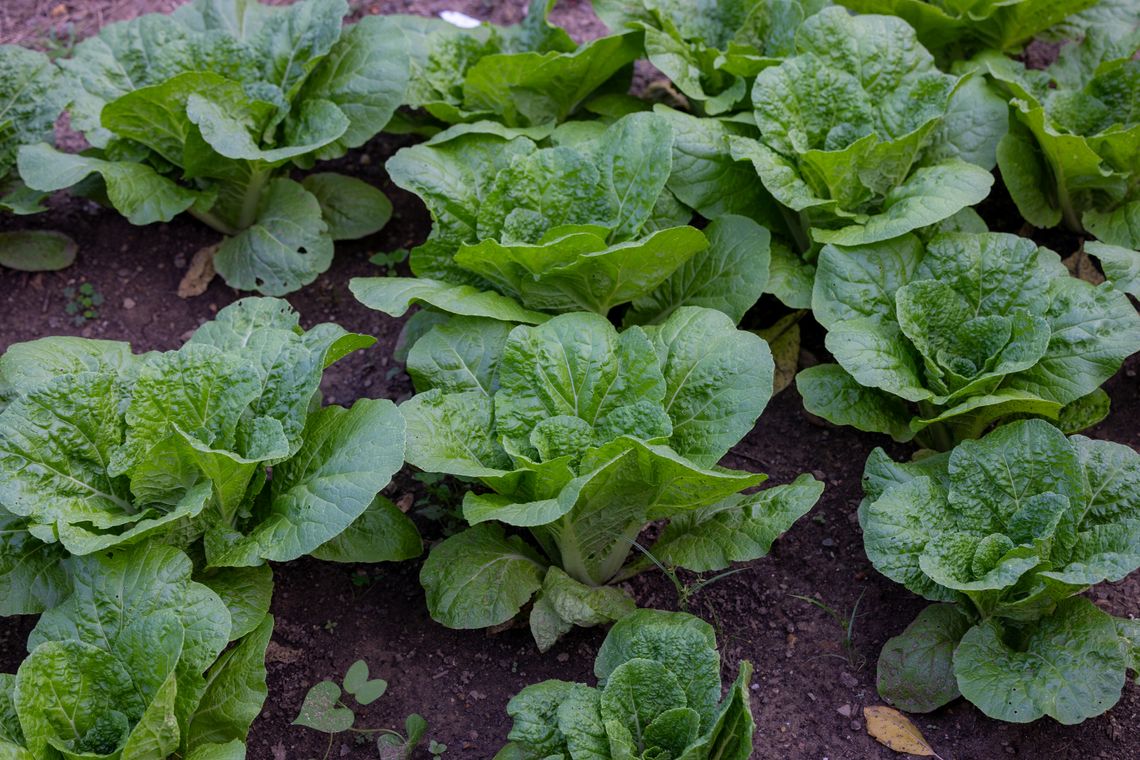
Lettuce loves cool weather, making it an ideal crop for early spring gardens.

What Vegetables Can You Grow Early? 

Focus on cold-hardy staples that can handle cool soil and fluctuating temperatures, including: 

  • Mustard greens 
  • Lettuce (leaf and romaine types perform best early) 
  • Spinach 
  • Kale 
  • Peas 

Root crops also benefit from the slightly warmer soil provided by season extenders, such as: 

  • Radishes 
  • Carrots 
  • Beets 
  • Turnips

However, resist the temptation to push warm-season crops like tomatoes too early. While they may survive under covers, they won’t truly thrive until the soil is consistently warm.

Ready to grow with confidence? Join our Know to Grow webinars for expert tips and practical guidance.

What Are Season Extenders and Why Gardeners Use Them

Season extenders for vegetables are essentially any tool or technique that shields plants from the elements while capturing available warmth. By using a season extender for a vegetable garden, you can beat late frosts, resulting in earlier planting dates, stronger plants, and a much longer harvest window. Best of all, many of these are low-cost, DIY options that rely on ingenuity rather than a massive budget. 

Simply put, these tools warm the soil and protect the foliage. They range from passive extenders (like mulch) to active ones (like heated hot beds). Vegetables respond especially well to this because it allows us to start seeds and transplants earlier, protects them from unpredictable spring weather, and increases yields in our relatively short windows. 

phs leafprintingevent manayunk sept 19 2022 hr 45 1
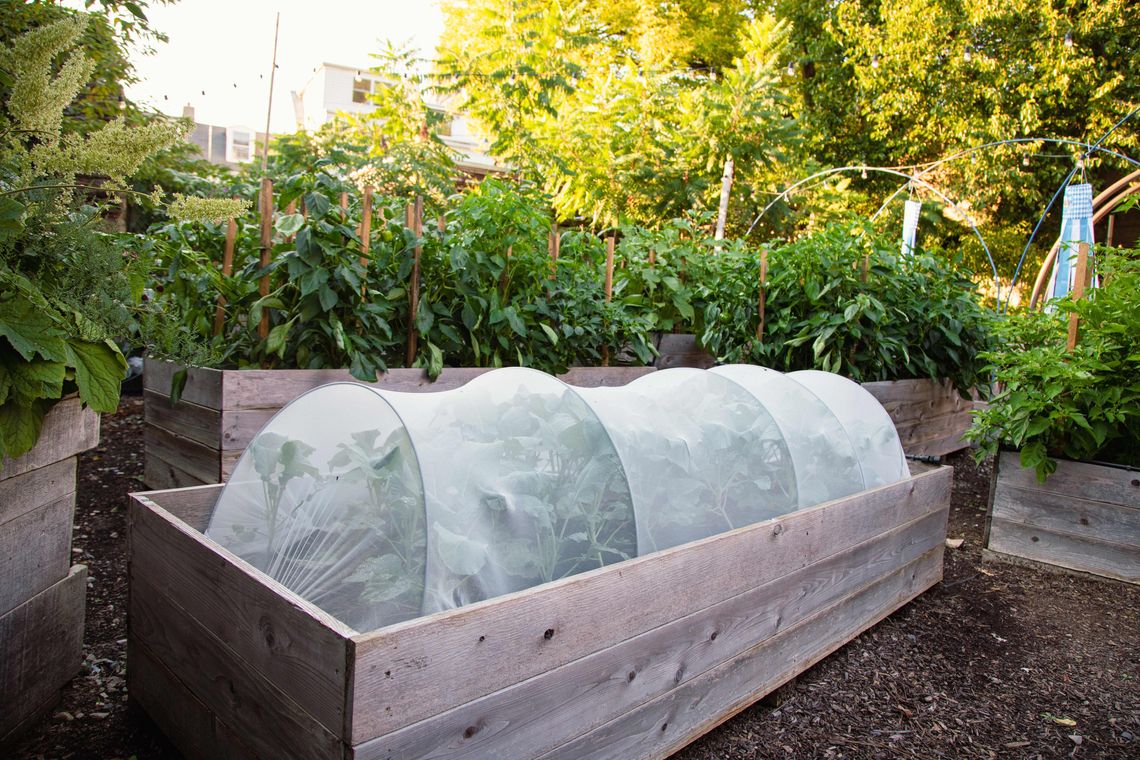
Low tunnels and row covers protect early crops by trapping heat, keeping plants significantly warmer than outside air.

Cheap and Easy DIY Season Extenders 

Low Tunnels and Row Covers 

These are the workhorses of the spring garden. Low tunnels, made from hoops covered in frost blankets (like Reemay), can keep the air around your plants up to 10 degrees warmer than the outside air. Heavy-weight blankets can protect tender spring starts down to 24°F. 

Cold Frames and Hot Beds 

A cold frame; essentially a bottomless box with a clear lid—is the ultimate sanctuary for January-sown greens. You can even create a hot bed by burying fresh manure or heating cables beneath the rooting zone to provide bottom heat, encouraging rapid root growth even when the air is chilly. 

Individual Protectors 

For high-value individual plants, a cloche or a water-filled plastic cylinder (like a Wall-o-Water) acts as thermal mass. These tools absorb solar energy during the day and radiate heat back to the plant at night, which is crucial during our unpredictable March nights. 

Caterpillar Tunnels 

These are excellent for protecting long rows of early spring spinach or radishes. They can be vented quickly by sliding the plastic up the sides, which is vital because a sunny 50-degree day in February can quickly turn a closed tunnel into an oven. 

add a heading
Insulating vegetables with mulch is a simple season extender that helps stabilize soil temperatures and protects crops from winter cold.

Insulating Vegetables to Extend the Season 

Hay, Straw, and Mulch  

A heavy 2-4 inch layer of straw traps soil warmth and protects root crops. I’ve seen leeks and carrots stay harvestable all winter when tucked under a thick "blanket" of mulch. 

Compost Heat as an Extender  

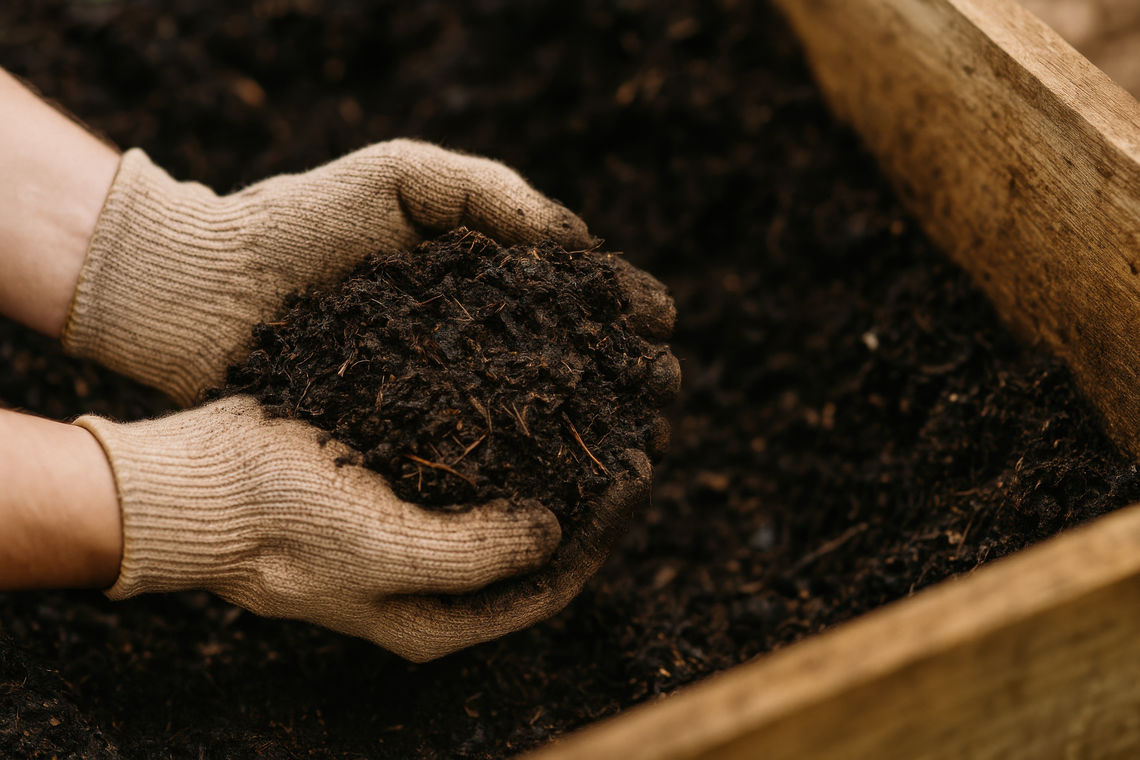
As organic matter breaks down, it generates heat. By placing a cold frame over a pile of fresh manure or active compost (creating a "hot bed"), you provide bottom heat that encourages rapid root growth even in February. 

Wind and Weather Protection 

Garden Sheeting and Temporary Walls  

Sometimes the best season extender for a vegetable garden is a simple windbreak. Use tarps or plastic sheeting to block biting north winds. Ensure they are placed to allow maximum southern sunlight. 

Creating Microclimates  

South-facing walls and heat-reflecting surfaces (like stone) act as natural season extenders. The area near a stone wall can be several degrees warmer than the rest of the yard. 

add a heading 2
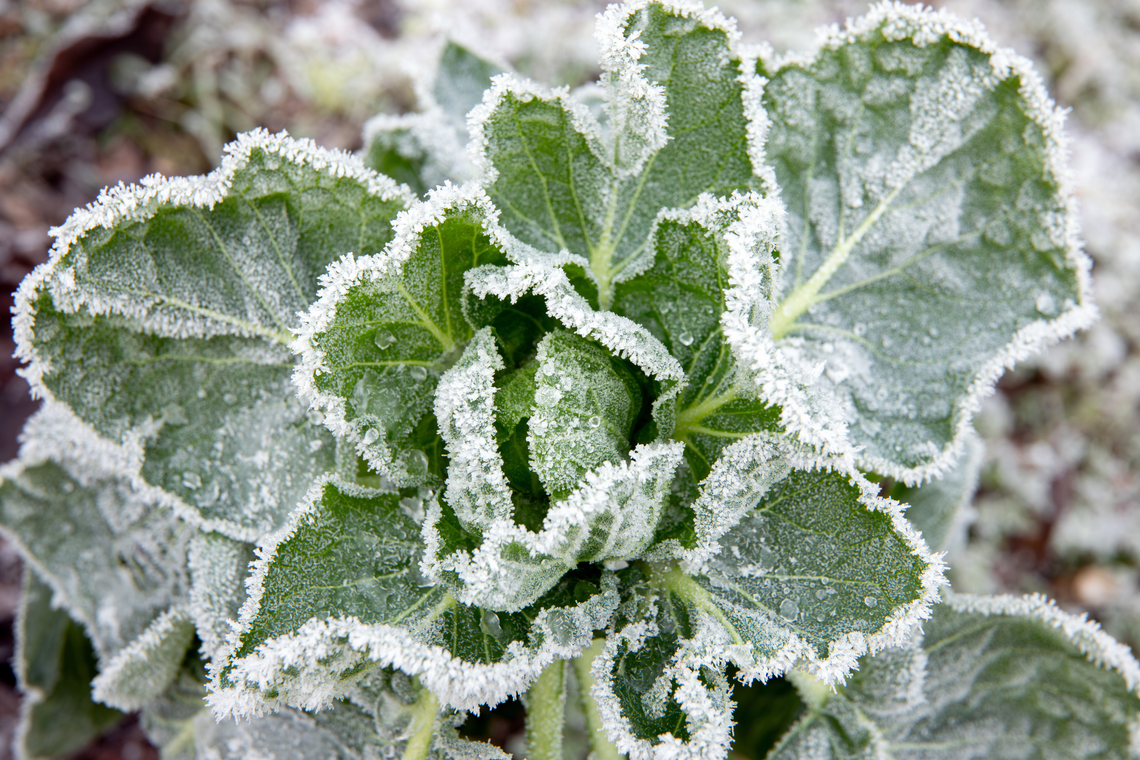
A sudden spring freeze can damage tender new growth, even after a stretch of warm weather.

Emergency Procedures for Spring Snap Freezes 

In Zone 7, a capricious weather pattern is the norm. We might see a week of 70-degree "false spring" in February followed by a sudden deep freeze. 

Watering Before a Freeze: A Vital Technique 

One of the most overlooked "extenders" is the hose. Watering plants before a freeze is a science-backed survival strategy. Moist soil absorbs more solar radiation during the day and releases that heat more slowly at night than dry soil. Furthermore, a well-hydrated plant has better cellular turgor, making it more resilient to frost damage. If a deep freeze is predicted for March, give your garden a thorough soak 24 hours in advance. 

The Blanket Brigade 

If a sudden freeze threatens your early transplants, don't hesitate to use heavy, breathable fabrics or burlap sacks filled with leaves. I have seen plants hang in through significant drops under the protection of a simple blanket. Double layer is even better, if you can avoid smashing tender plants 

Thermal Buffering 

Keep jugs of water inside your cold frames. They soak up heat during the day and act as a radiator at night, smoothing out the extreme temperature spikes that characterize a Zone 7 spring. 

Common Mistakes to Avoid 

  • Overheating: Forgetting to vent is the number one plant killer. It gets HOT inside a cover when the sun is out. 
  • Poor Timing: Don't transplant into cold, wet soil; wait for the extenders to dry the ground out first. 
  • Disease: Trapped moisture can lead to mold. I've had "mold" so bad on my winter kale it made it inedible—keep an eye on air circulation! 
  • Underwatering: it doesn’t rain inside a plastic cover. Never forget that. 

Combining Techniques for Maximum Results 

The pros use layering. Try a layer of black plastic to warm the soil, covered by a low tunnel of row cover, with a windbreak on the north side. This "layering" effect can move your garden an entire hardiness zone south. 

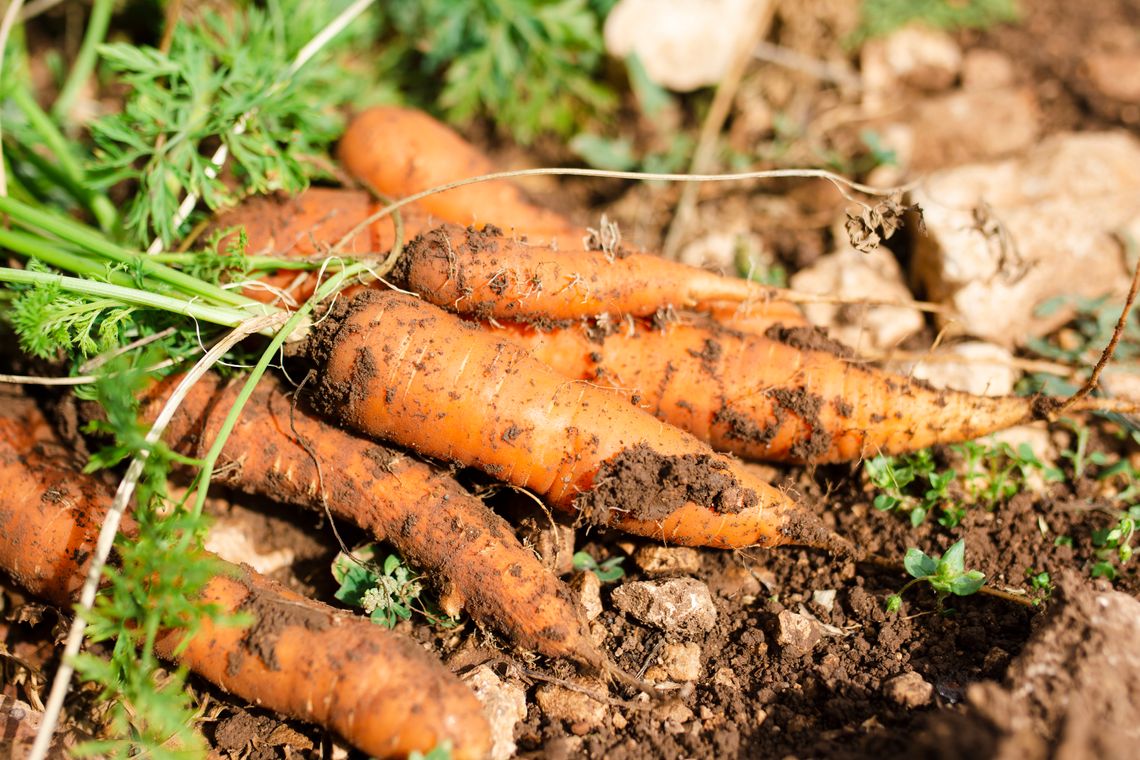
bunch beautiful organic carrots
Carrots can be grown early and protected with mulch to extend the harvest season.

Start Your Spring Garden Early 

Season extenders for vegetables don’t have to be expensive. Whether you are winter sowing in milk jugs or building a window-topped cold frame, you can start your spring tonic in January. Don't wait on Mother Nature! With a few simple tools and some strategic watering, you can be the first on the block with fresh garden greens.