gardening projects
garden inspiration
seasonal tips
By Milan Tisdale
Every spring, many gardeners are eager to move their seedlings outdoors and start planting. But without the right preparation, this transition can sometimes do more harm than good. The issue often isn’t the plant, it’s the transition.
Hardening off seedlings is the process of gradually introducing plants to outdoor conditions like sunlight, wind, and temperature changes. It is a simple but essential step that helps ensure plants don’t go into shock and can successfully thrive.
For community gardeners in Philadelphia, this step plays an especially important role. With access to greenhouse-grown seedlings, many plants get a strong and healthy start. Proper hardening off is what helps those plants continue to grow successfully once they are introduced to outdoor spaces.
Hardening off seedlings is the process of slowly acclimating plants that were grown indoors to outdoor conditions. As Emma Ford, the Operations Manager of Community Gardens at PHS explains, “hardening off is the process of making seedlings better adapted to the harsher conditions of being outside.”
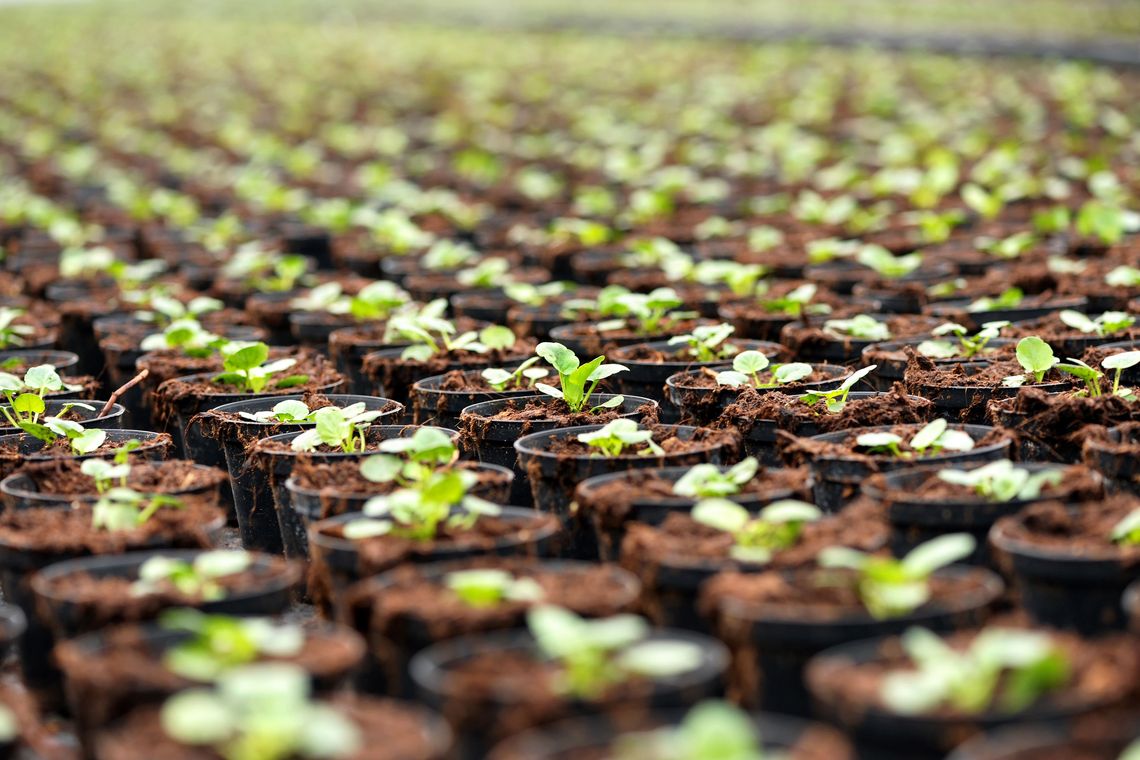
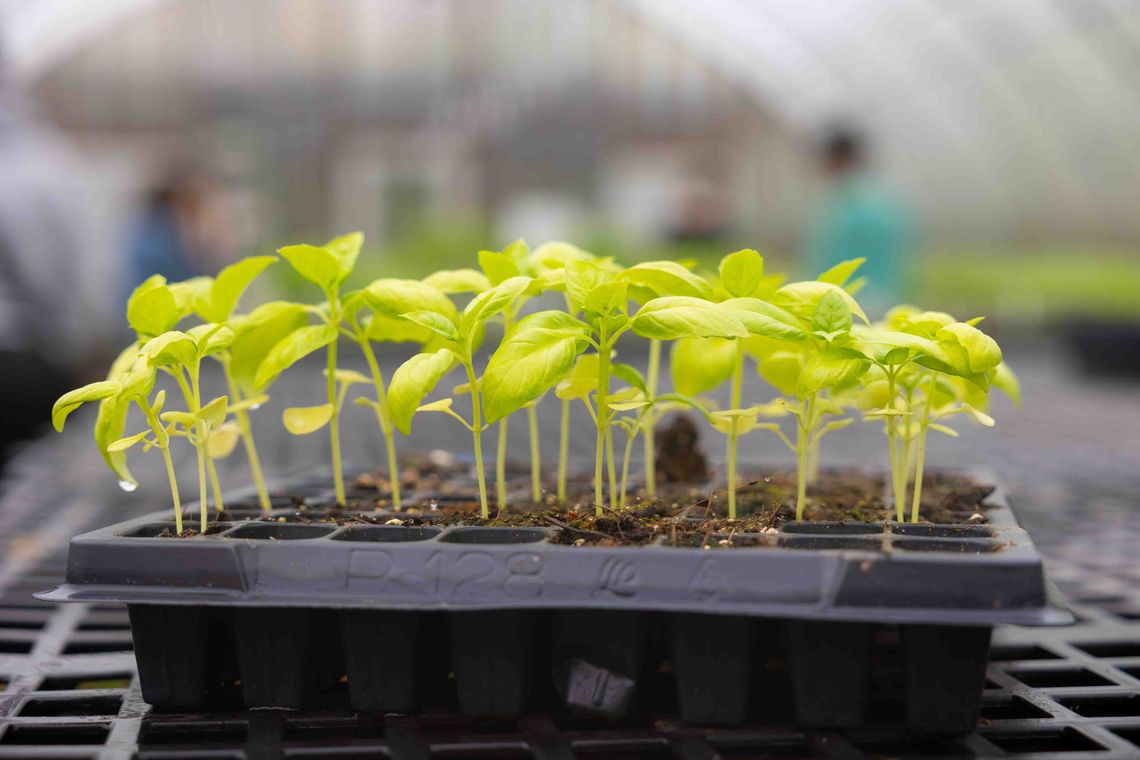
Inside a greenhouse, plants are protected and carefully managed. “They pretty much live in a perfect world for the first few weeks of their life,” Emma says.
As seedlings are moved out of this controlled environment, they must adjust to harsher, unpredictable conditions like direct sunlight, wind, and fluctuating temperatures. Without this gradual transition, moving them outdoors too quickly can shock the plants and negatively impact their growth.
Ready to grow your garden with confidence? Sign up for our Know to Grow webinars and learn expert tips to support your garden.
Hardening off is an essential step in plant success. By gradually introducing seedlings to outdoor elements like sun, wind, and temperature changes, gardeners give plants time to adjust and build resilience.
“If they were to be transplanted immediately into the garden, they could experience shock,” Emma explains. “In certain cases that can stunt their growth or cause seedling death.”
This step has become even more important in recent years as weather conditions have become more unpredictable. By preparing seedlings for outdoor conditions, gardeners can improve their chances of a successful garden.
Timing is key when it comes to hardening off seedlings. Most gardeners should begin the process about 7–14 days before planting outdoors, typically after the last frost date in their region. In Philadelphia, the last frost date usually falls around April.
“It’s recommended to do it for at least 7 days to two weeks,” Emma says, noting that “especially this time of year, they need a little more time.”
That said, don’t worry if you can’t follow the process perfectly. A few days of gradually introducing seedlings to outdoor conditions, starting in a protected spot out of direct sunlight, and keeping an eye on temperatures can go a long way. As long as overnight lows aren’t dropping to a level that could damage your plants, even a shorter or slightly flexible hardening-off period can still make a meaningful difference, helping seedlings adjust more successfully and improving their chances of survival.
The goal of hardening off is gradual exposure. Here’s a simple guide:
Day 1–2
Bring them back inside
Day 3–4
Introduce gentle sunlight
Day 5–6
Gradually increase sun exposure
Day 7–10
Begin exposing them to normal outdoor conditions
Tip: Always monitor the weather! Strong wind, cold nights, or heavy rain can stress young plants.
Even experienced gardeners can run into issues during the hardening off process. Here are a few common mistakes:
Skipping the process entirely
With fluctuating spring temperatures, paying attention to daily conditions is just as important as following a schedule.
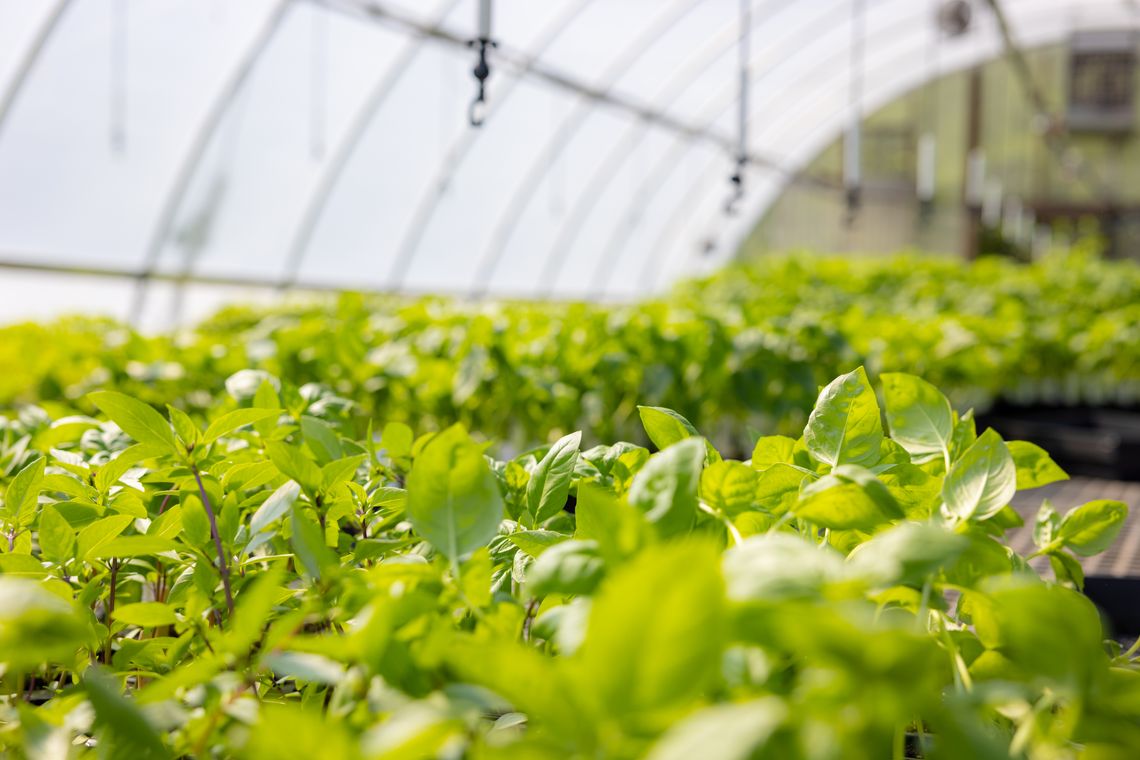
Greenhouses play a key role in growing strong, healthy seedlings before they ever reach a garden. By providing a controlled environment, they allow plants to grow consistently and safely before being introduced to outdoor conditions. Within these spaces, growers can manage how much sunlight plants receive, when they are watered, and the temperatures they are exposed to; creating ideal conditions for early growth.
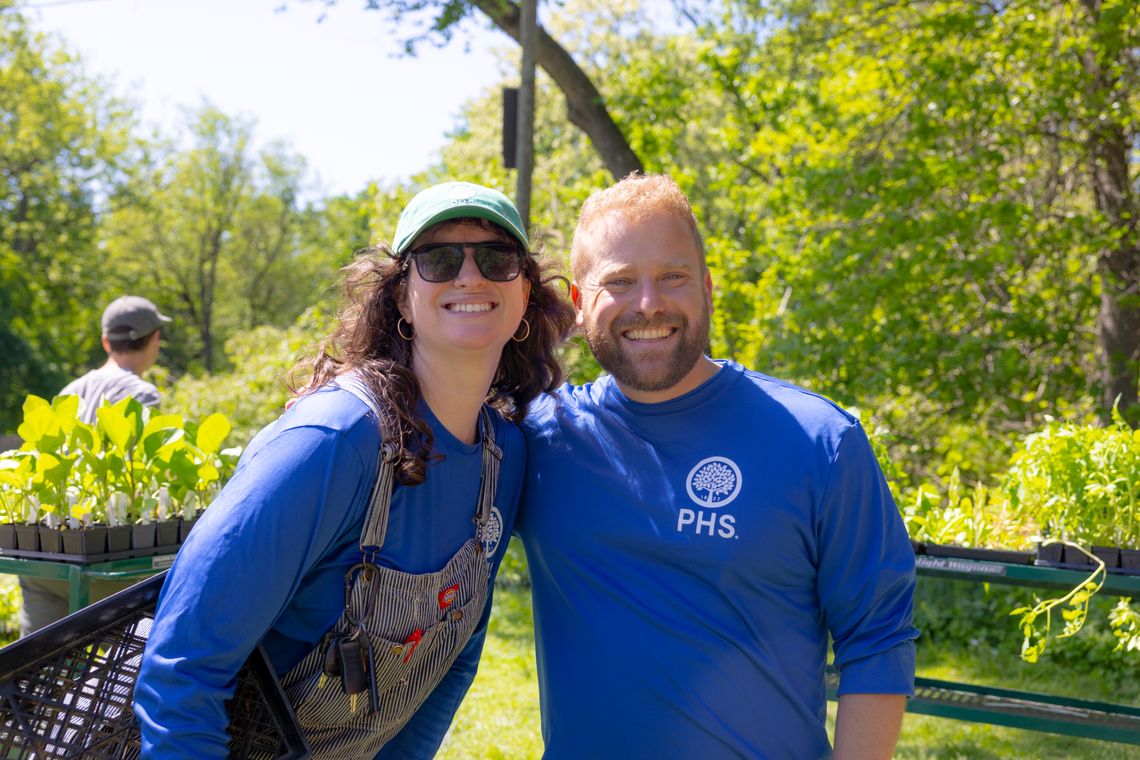
One place where this work comes to life is PHS’s Green Resource Center at Awbury Arboretum. PHS shares greenhouse space at this site to grow and distribute about 300,000 seedlings each year to community gardens enrolled in its programming. Currently, more than 120 gardens participate in the City Harvest Program, an initiative of PHS’s Community Gardens Program, and are eligible to receive these seedlings and other essential resources.
Throughout the growing season, gardeners from these enrolled sites visit distribution hubs like Awbury to pick up seedlings and supplies that help set the foundation for a successful harvest. While PHS is proud of the scale at which it sources and produces these plant materials, they represent just one part of a much larger story.
As Emma explains, “We’re just a blip in the impact that actually happens because of them… They do all the heavy lifting.” In reality, the greenhouse is only the starting point—the true impact comes from the community gardeners themselves, who cultivate these spaces, grow fresh food, and strengthen their neighborhoods in meaningful and lasting ways.
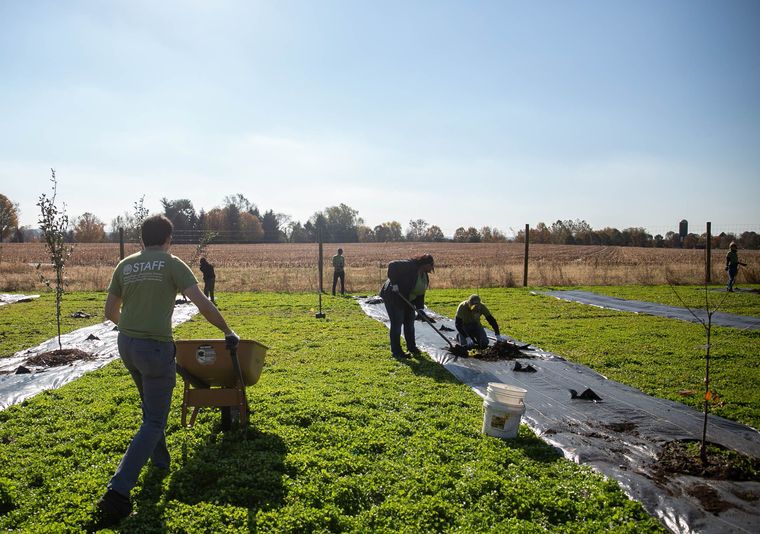
Programs like PHS Community Gardens help make gardening more accessible by providing gardeners across Philadelphia with the essential resources needed to grow healthy, productive spaces. Gardens enrolled in the program receive an estimated $1,500–$2,500 worth of materials annually, helping to alleviate the cost barriers often associated with sourcing plants, tools, and supplies.
Much of this support begins at PHS’s Green Resource Centers, where seedlings are grown and distributed. In addition to the Green Resource Center at Awbury Arboretum, PHS produces seedlings at two additional sites in Strawberry Mansion and at Bartram’s Garden—expanding access to high-quality plants across the city.
The result is a network of community gardens that not only grow fresh food, but also strengthen neighborhoods by sharing produce with neighbors and donating to local food pantries.
Hardening off seedlings plays an important role in this larger process. As one of the most essential, yet often overlooked steps in growing, it helps ensure plants can successfully transition outdoors and thrive throughout the season.
With the support of programs like PHS Community Gardens and the network of Green Resource Centers, gardeners have the resources they need to grow successfully and give back in meaningful ways. And for those looking to get involved, these spaces also offer opportunities to volunteer, learn, and support community-driven greening efforts across Philadelphia.
Become a PHS Member and help grow this impact even further. Your support directly fuels programs like Community Gardens and our Green Resource Centers.