leaf icon
leaf icon
leaf icon
calendar icon
Gardens To Visit
caret icon
Visit a PHS garden or landscape to help build stronger social connections with your community.
For Neighborhoods
caret icon
Explore programs that create healthy, livable environments and increase access to fresh food.
For Gardeners
caret icon
About Us
caret icon
Get to know our story, become a part of our staff, or see what is in the news with PHS.
The Flower Show

What to Plant in Fall: Flowers, Perennials, Shrubs, and Trees

September 03, 2026

leaf icon seasonal tips

leaf icon plant care

fall garden

Fall is a great time to enjoy the garden, with many ornamental plants showcasing colorful flowers, fruits, stems, and foliage. Perennials and annuals can create stunning displays throughout the season, while many shrubs and small trees offer colorful leaves, berries, and stems. It is also an enjoyable time to be outside with cooler temperatures and fewer pests to contend with. While many people love the bounty of a summer garden, fall is a wonderful season to plant and think about the future.  Below is a simple guide to help you get started for fall gardening!

Why Plant in Fall? 

For many years, nurseries and garden centers have promoted the idea that “fall is for planting.” Fall has become almost as popular as spring for planting and renovating gardens. 

There are several benefits to fall planting, particularly when establishing permanent plants such as perennials, vines, trees, and shrubs. In general, fall is less stressful for plants. As air temperatures cool, the soil stays warm and cools more gradually. Cooler air temperatures mean less stress for newly planted plants, plus there is less need for regular watering. At the same time, warmer soil temperatures heading into winter allow plants to establish well-developed root systems before winter settles in. 

When to Plant in Fall

The best time for fall planting depends on your USDA hardiness zone. Fall planting can begin in September once the most extreme summer temperatures and humidity have ended. 

  • USDA Zones 5 and below: September is the best month for fall planting. 
  • USDA Zones 6–8: Fall planting can be successful from mid-September to mid-November. 
  • USDA Zones 8–10: Planting can continue through fall and into winter. 

The earlier plants can be planted in fall, the better. This gives them more time to establish a root system before temperatures become too cold. 
symphiotrichum oblongifolium raydon s favorite scott arboretum
Symphyotrichum oblongifolium ‘October Skies’, aromatic aster

What to Plant in Fall

Many deciduous shrubs, trees, and herbaceous perennials can be planted in fall. Fall is also a great time to add plants that provide seasonal interest through flowers, foliage, fruit, or stems. This list of perennials are sure to brighten up your garden.

Fall Perennials 

  • Aromatic Aster: Symphyotrichum oblongifolium ‘October Skies’ and ‘Raydon’s Favorite,’ also known as aromatic aster, is covered in quarter-sized, lavender-blue flowers in October. It reaches 3–4 feet tall and flowers best in full sun. 
  • White Wood Aster: The native white wood aster, Eurybia divaricata, is a great choice for shady spots. It has tiny, white, star-like flowers and reaches about 2 feet tall. This aster prefers shade. 
  • Snow Flurry Aster: Aster ericoides ‘Snow Flurry’ is a spreading or cascading plant that is well suited for covering a wall. It is covered in white flowers and grows best in well-drained soil in full sun. 
  • Toadlily: Toadlilies, Tricyrtis hirta, have orchid-like, skyward-facing flowers in lavender with deeper purple spots. Toadlilies flower best in partial sun conditions. 

Want more ideas for extending color in your garden through fall? Explore PHS’s guides to fall-blooming perennials and beautiful alternatives to mums for additional plant ideas and inspiration. 

ilex verticillata winter gold scott arboretum 2
Ilex verticillata 'Winter Gold', winterberry holly

Shrubs for Fall Color and Fruit 

Many shrubs have outstanding fall color or excellent ornamental fruit displays. Fall is a season to appreciate the beauty of shrubs, whether you prefer colorful autumn foliage or ornamental fruit. 

  • Winterberry HollyIlex verticillata, or winterberry holly, is a deciduous holly known for its abundance of brightly colored berries. When the leaves are shed in fall, the berries are revealed along the stems. This native shrub tolerates many soil types, including poorly drained and wet areas. ‘Winter Red’ has bright red berries, while ‘Winter Gold’ has salmon-orange fruit. Plants can reach up to 10 feet tall at maturity and fruiting occurs best in full sun. A male cultivar, such as ‘Southern Gentleman,’ is needed for fruit production. 
  • Chokeberry: Aronia arbutifolia ‘Brilliantissima’ is a PHS Gold Medal Plant. This upright, multistemmed selection of chokeberry is covered in clusters of red fruit in fall and has fire-engine red fall color. 
  • Red-Stemmed Dogwood: Cornus sericea ‘Cardinal’ is a selection of red-stemmed dogwood. In late fall, its naked stems become a vibrant salmon-orange color and combine beautifully with an evergreen backdrop. The stems will be most intensely colored in full sun, and Cornus can tolerate moist conditions in the garden. 
acer griseum andalusia
Acer griseum, paperbark maple

Trees to Plant for Fall Interest 

Some trees provide exceptional fall color, while others offer ornamental bark or flowers that add interest as the seasons change. 

  • Red Maple: Acer rubrum Redpointe® is a selection of red maple that received the 2025 Gold Medal award from PHS. This red maple has exceptional red fall color and reaches 45 feet tall at maturity. It will thrive in a variety of soils, including wet conditions. 
  • Paperbark Maple: The paperbark maple, Acer griseum, is unequaled for its ornamental bark. This small to medium-sized tree can reach 25–35 feet tall and develops highly ornamental peeling coppery bark as it matures. 
  • Common Witch Hazel: Common witch hazel, Hamamelis virginiana, grows locally in our woods and is often found along the edges of streams and rivers. At maturity, it can be a large, multistemmed shrub or a small tree. Its fall color is golden yellow. As the leaves fall, they reveal an abundance of bright yellow, spider-like flowers. Witch hazel can grow in considerable shade but flowers best in full sun. 
ornamental pepper display at scott arboretum 1
Mix of seasonal ornamental peppers

Seasonal Plants for Fall Interest 

Fall has become a popular season, like spring, for adding seasonal interest to gardens and planters. These plants showcase their best colors, textures, or fruits in fall. 

  • Ornamental Peppers: There are many selections of ornamental peppers, Capsicum annuum, that are grown specifically for their ornamental peppers in fall. ‘Black Pearl’ has black foliage and shiny, round black peppers, while Acapulco™ Multicolor has narrow peppers in an array of colors. Ornamental peppers enjoy sunny locations in the garden. 
  • Coleus: Coleus, Solenostemon, has selections in autumnal colors such as red, burgundy, gold, and burnt orange. Coleus can be added to the garden for seasonal interest and is also excellent in containers and window boxes. Coleus will thrive in full sun to partial shade. 
  • Ornamental Kale: Ornamental kale, Brassica oleracea, provides extended ornamental interest in fall because of its ability to withstand cold temperatures. ‘Dinosaur’ has long, steely-blue leaves, while ‘Redbor’ is upright with crinkled, deep-purple leaves. Ornamental kale grows best in well-drained soil in full sun. 

Plants to Be Careful Planting in Fall 

Most deciduous shrubs, trees, and herbaceous perennials can be planted in fall, but some plants require more care and attention to planting time. Certain trees have been identified as potential fall planting hazards, including red maple, birch, dogwood, and oak. However, small-sized trees, even of these species, can be successfully planted and transplanted in fall. 

For both broadleaved and coniferous plants, the key is to plant in early fall so they have ample time to establish a root system before winter. 

Broadleaved evergreens and conifers need to be well rooted before winter. If they are not well established, foliage can transpire moisture on sunny winter days without a sufficiently developed root system to replace that water. This can result in “winter burn,” or browning and desiccation of foliage or needles. 

fall container on nantucket
Seasonal planter with celosia, euphorbia and ornamental kale

How to Prepare Your Garden for Fall Planting

Before planting or moving plants, prepare the soil with compost to improve success. Preparing your soil in fall can also set your garden up for success the following spring. Learn more about how to prepare your garden soil in the fall

Once planting is complete, water new plants deeply. New plantings will also benefit from mulch around the base of the plant. Mulch helps conserve moisture and insulate new roots as they head into winter. 

For more ways to get your garden ready for the season, see PHS’s Top 10 Fall Gardening Tips

Expert Tips for Successful Fall Planting 

  • Plant early: The earlier you can plant in fall, the more time plants have to establish roots before temperatures become too cold. 
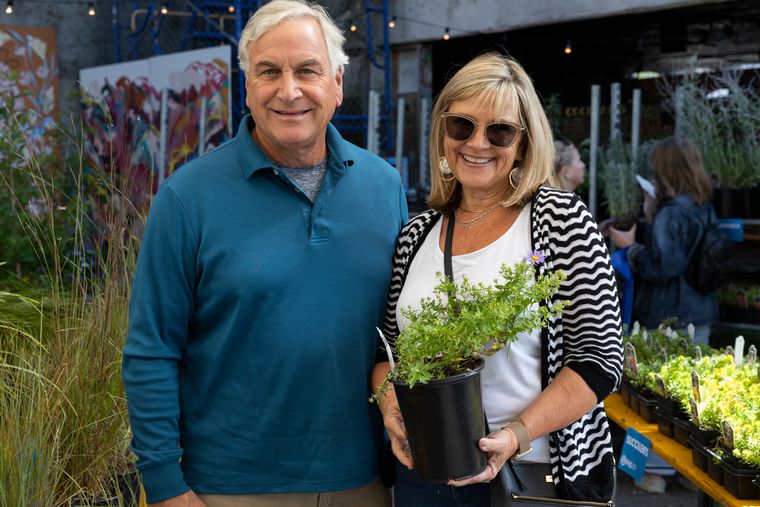
  • Pay attention to planting hazards: Take care when planting trees considered potential fall planting hazards, including oaks, birches, and maples. 
  • Give evergreens time to establish: Broadleaved evergreens and conifers should be well rooted and established before the ground begins to freeze. 
  • Keep plants hydrated: Plants should be well watered and hydrated heading into fall and winter. 
  • Skip fertilizer: Avoid traditional nitrogen-based fertilizers, which might encourage new growth that can be vulnerable to early frosts and freezes. 
  • Mulch new plantings: Mulch around the base of newly planted plants to help conserve moisture and insulate new roots. 
  • Prepare the soil: Add compost to areas where plants will be planted or moved. 

Check out our upcoming gardening workshops and events and support our mission of Gardening for the Greater Good.

Frequently Asked Questions About Fall Planting 

What should you plant in fall? 

Many deciduous trees, shrubs, and herbaceous perennials can be planted in fall. Seasonal plants such as ornamental peppers, coleus, and ornamental kale can also add fall interest to gardens and planters. 

What perennials can you plant in fall? 

Recommended perennials include aromatic aster, white wood aster, ‘Snow Flurry’ aster, and toadlily. 

When should you plant in fall? 

The ideal planting time depends on your USDA hardiness zone. In Zones 5 and below, September is the best month. In Zones 6–8, fall planting can be successful from mid-September to mid-November. In Zones 8–10, planting can continue through fall and into winter. 

Is fall a good time to plant trees and shrubs? 

Yes. Fall can be a good time to establish trees and shrubs because cooler air temperatures reduce stress while warm soil allows plants to establish root systems before winter. However, some trees are considered potential fall planting hazards and should be planted early enough to establish before winter. 

Should you fertilize plants when planting in fall? 

Traditional nitrogen-based fertilizers should not be used when planting in fall because they might encourage new growth that can be vulnerable to early frosts and freezes. 

Do newly planted plants need to be watered in fall? 

Yes. Newly planted plants should be watered deeply and kept well hydrated heading into fall and winter. Mulching around the base of plants can also help conserve moisture and insulate new roots.