
leaf icon
leaf icon
leaf icon
calendar icon
Gardens To Visit
caret icon
Visit a PHS garden or landscape to help build stronger social connections with your community.
For Neighborhoods
caret icon
Explore programs that create healthy, livable environments and increase access to fresh food.
For Gardeners
caret icon
About Us
caret icon
Get to know our story, become a part of our staff, or see what is in the news with PHS.
The Flower Show

Prepare Your Garden for Fall: Top 10 Fall Gardening Tips

August 27, 2026
leaf icon seasonal tips

leaf icon gardening projects

leaf icon sustainable gardening

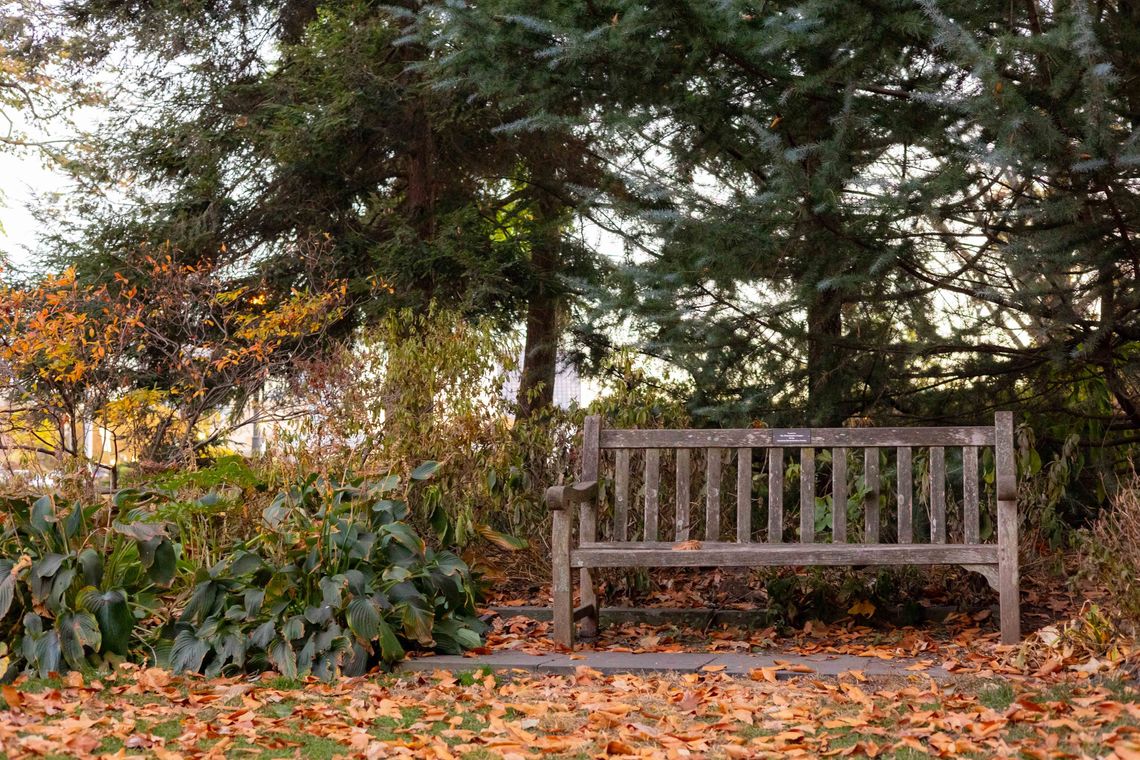
nov 2024 parkway and azalea credit morgan horell 045

Preparing your garden for fall starts before the autumn leaves even begin to change color. Whether you grow vegetables, flowers, or native trees and shrubs, taking on a few simple autumn gardening tasks will dramatically improve plant health, protect your soil through the winter, and set your landscape up for success next spring. 

Use this list of top 10 essential fall gardening tips to prepare your garden before the first frost arrives. 

Why Preparing Your Garden for Fall Is Important 

Taking the time to transition your landscape from summer to fall ensures a healthier, easier start to the next growing season. Essential fall garden prep offers many long-term benefits, including protecting perennial plants' root systems during freezing weather, improving your garden's soil structure, and reducing pest and disease outbreaks that might otherwise overwinter in garden debris. 

Best of all, preparing your garden for fall now significantly reduces the amount of heavy cleanup required come spring, giving you a jump-start on your early planting! 

10 Fall Gardening Tips

shutterstock 2526881615
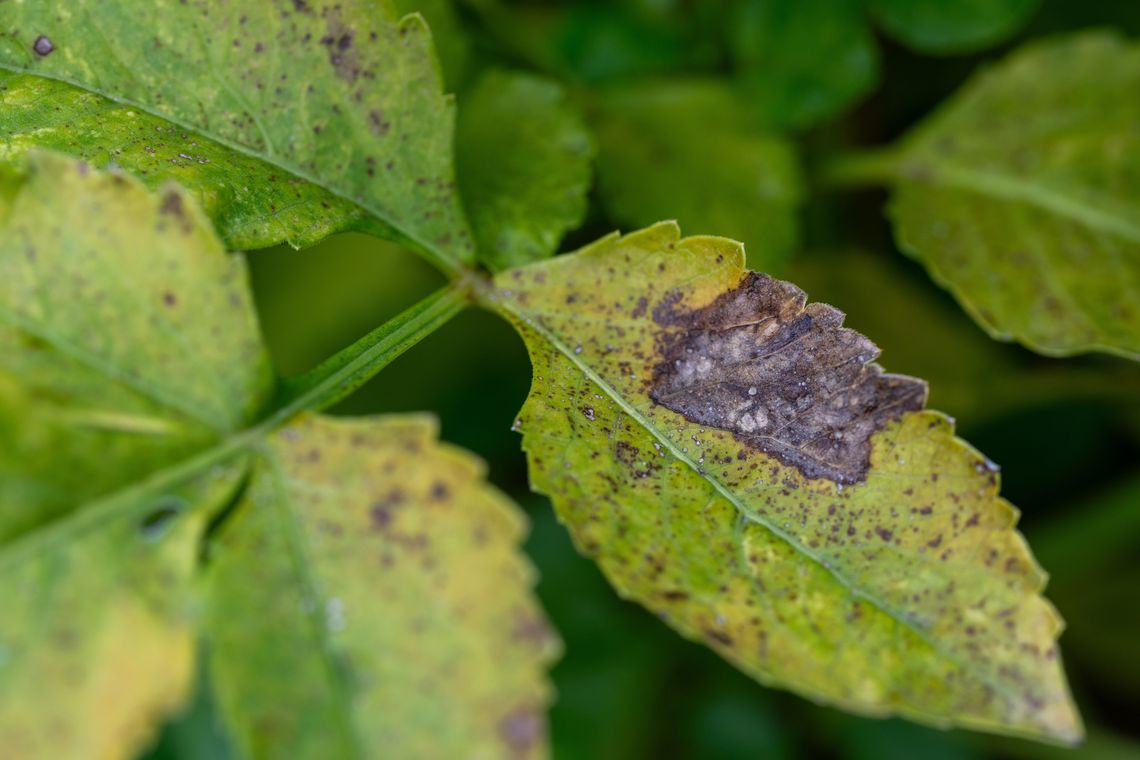
Prevent the spread of disease in your garden by removing damaged plants.
1. Remove Spent and Diseased Plants 

Keep your garden beds healthy by limiting the spread of plant diseases and pests. Pull out dead summer annuals and carefully prune away diseased foliage. Avoid composting diseased plant matter. Instead, dispose of it in the trash to prevent pathogens from spreading in your soil.

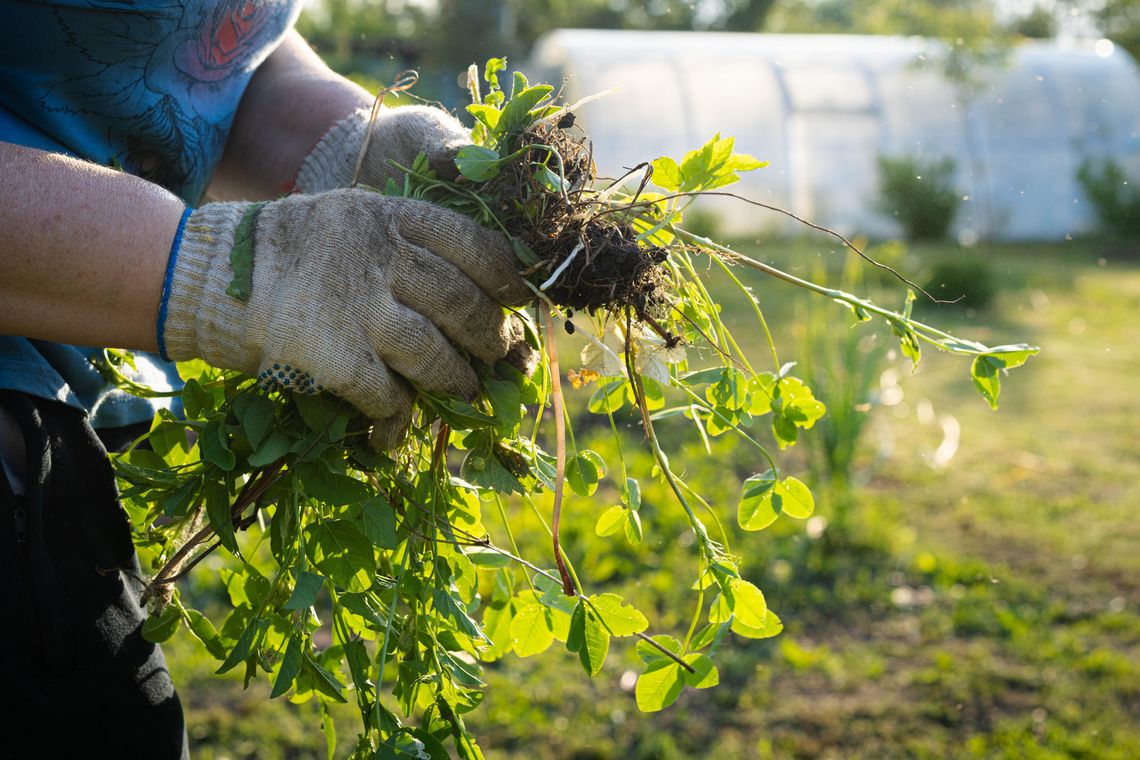
shutterstock 2317819063
Don't forget to keep up with the weeds!
2. Pull Weeds Before They Spread Seed 

Weeding is an ongoing job, but fall weeding is especially critical. Many weeds drop seed heads in late summer and early autumn. Clear out existing weeds now so they don't germinate in early spring or compete with your fall plantings for nutrients. 

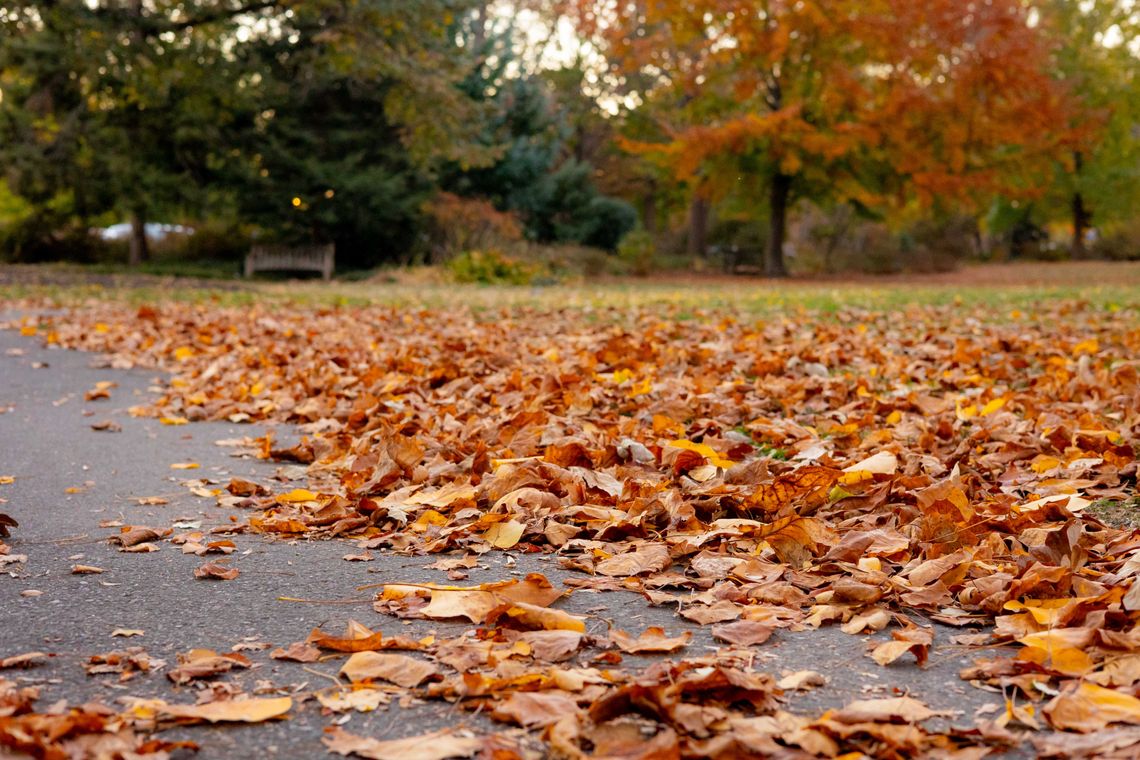
nov 2024 parkway and azalea credit morgan horell 030
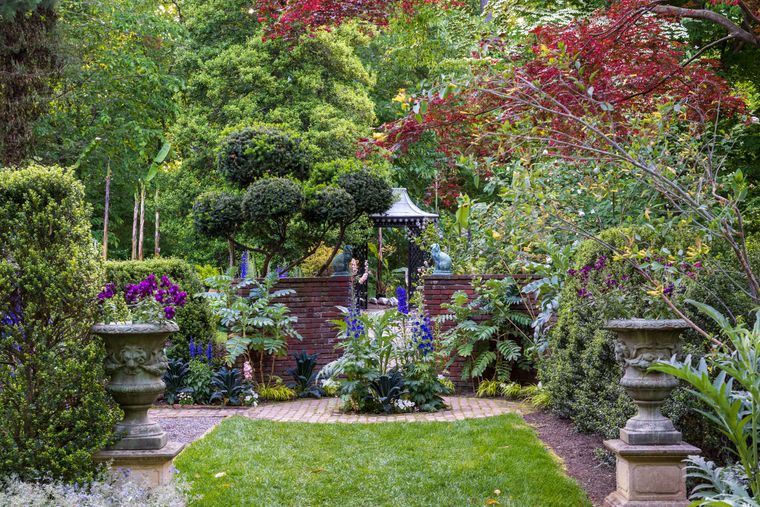
Show your soil some love and mulch with leaves!
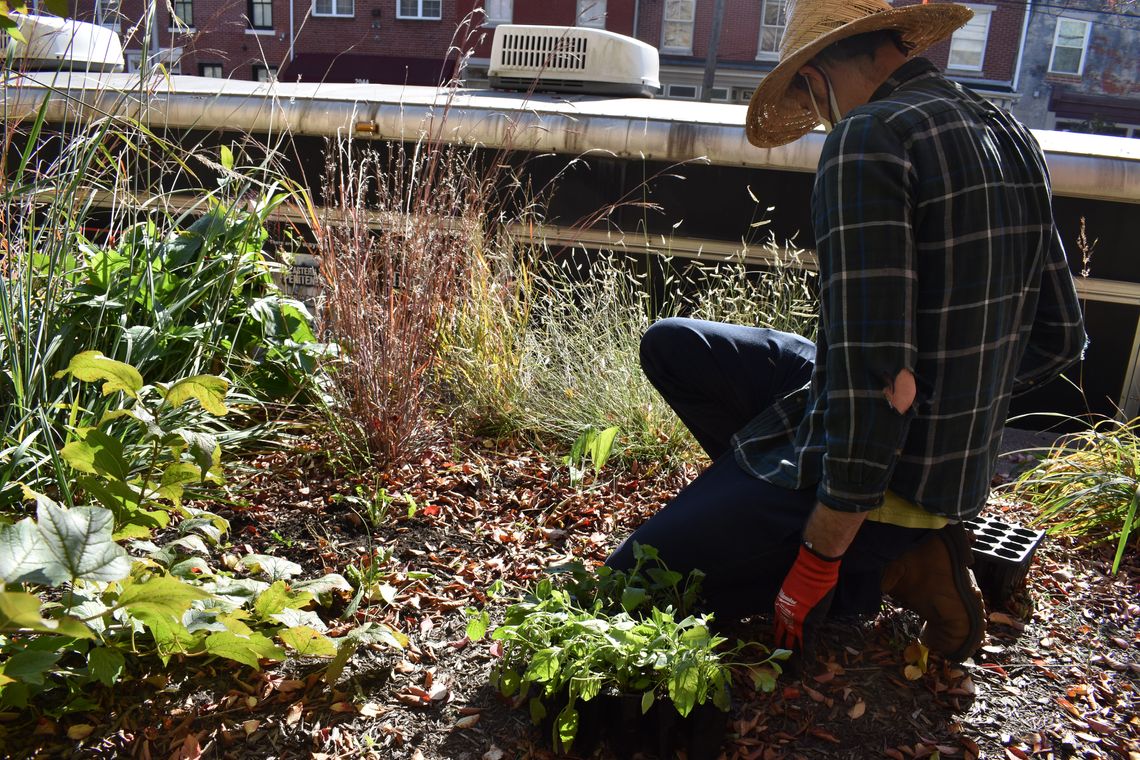
3. Refresh Mulch Around Trees, Shrubs, and Perennials 

Mulch insulates plant roots from freeze-thaw cycles, suppresses late-season weeds, and helps the soil retain moisture. Apply a fresh 2- to 3-inch layer around trees, shrubs, and perennial beds. Be careful not to "volcano mulch" by keeping mulch a few inches away from trunk bases and plant stems to prevent rot. 

Pro Tip: Use falling leaves as a natural, free mulch! Shredded autumn leaves nourish soil earthworms, suppress weeds, and retain moisture. Check out our guide to composting and using leaves as mulch

4. Improve Your Soil with Organic Compost 

Prepping your soil now will save you valuable time next spring. Gently loosen cleared garden beds and top them with a 1- to 2-inch layer of finished compost or organic matter. This protective layer cushions the exposed topsoil against harsh winter wind and rain while building nutrient-rich soil structure over the winter. Read our step-by-step guide on preparing garden soil in fall for spring planting.

dsc 0423
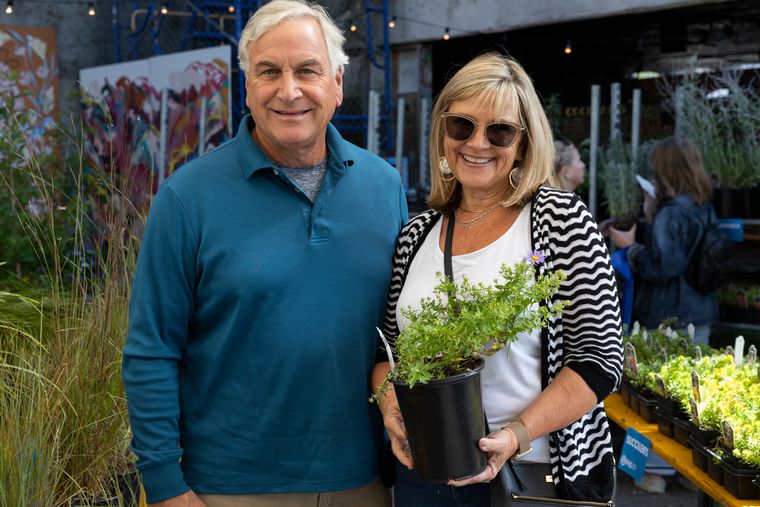
Find a balance between planting fresh fall colors and this season's vegetables.
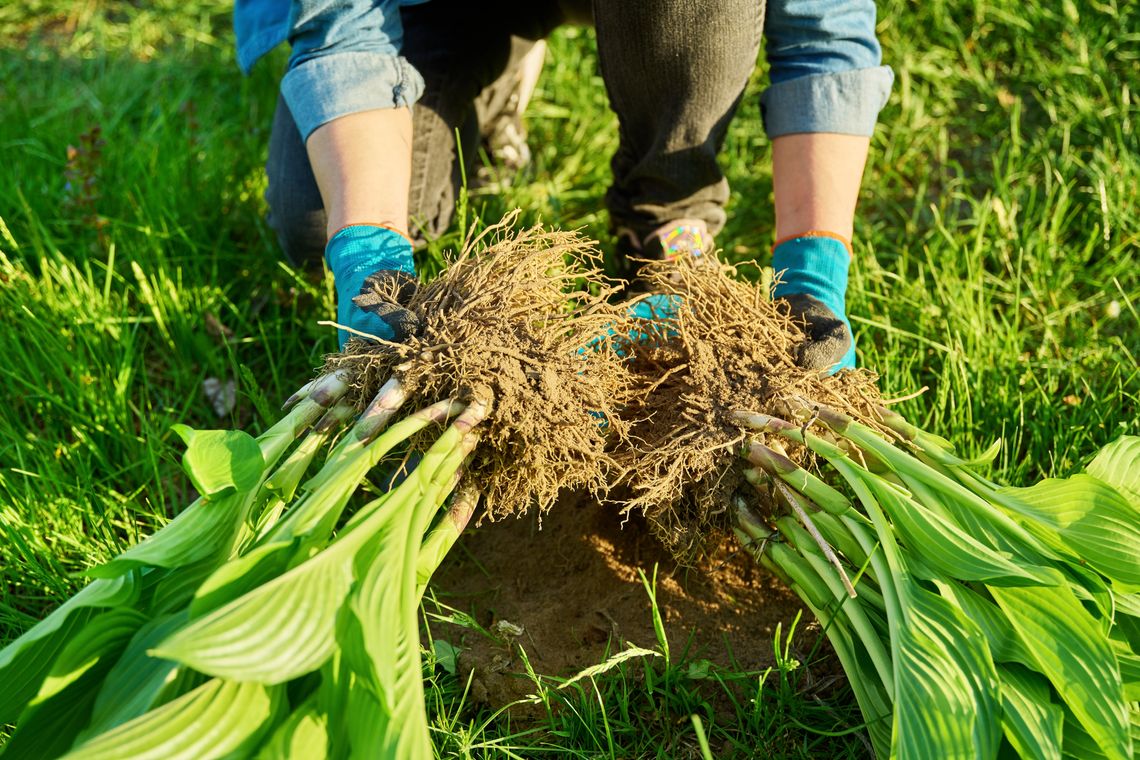
5. Plan and Execute Your Fall Planting 

Fall is one of the absolute best times to plant! Autumn's cool air and warm soil temperatures encourage strong root growth without the stress of summer heat. Consider adding new plants to your garden with these helpful resources: 

shutterstock 2174885655
Dividing perennials is a great way to fill out your garden and keep your plants healthy.
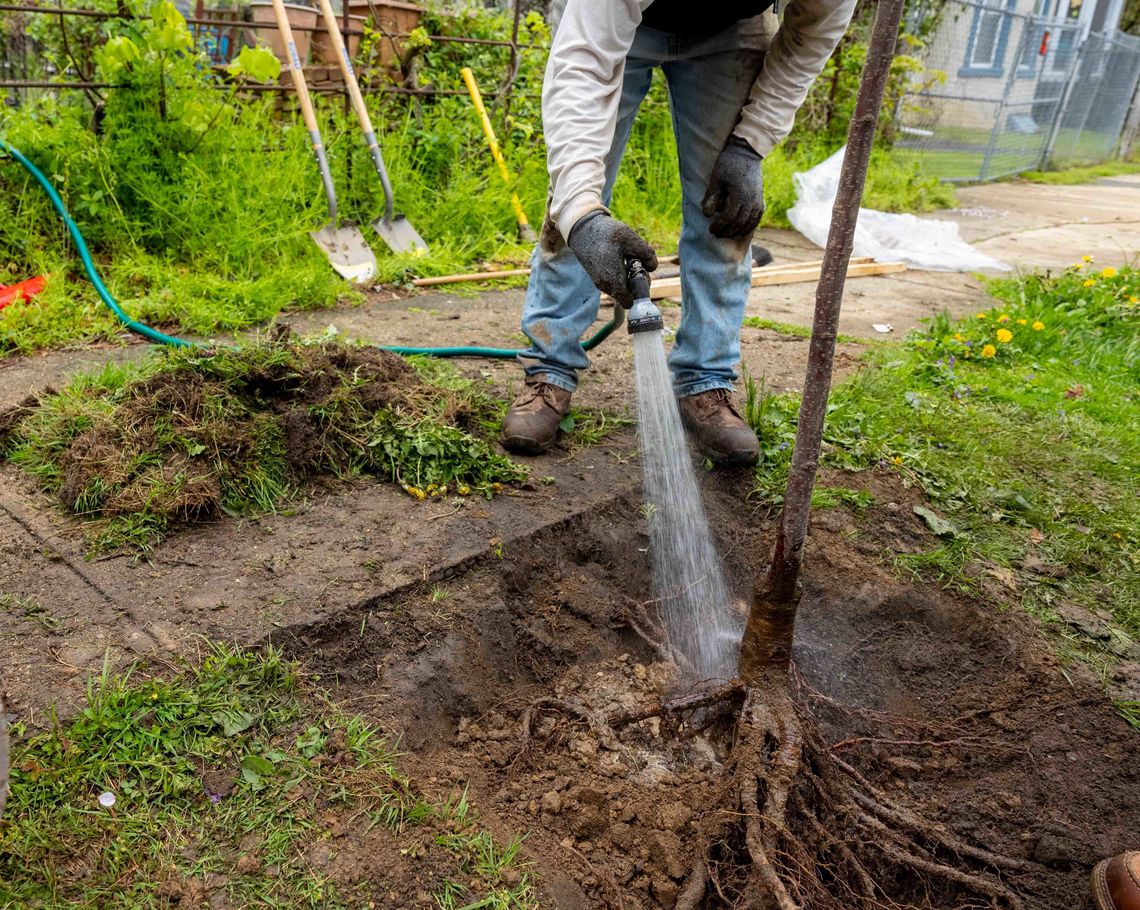
6. Divide Overgrown Perennials 

A key autumn gardening task for perennial maintenance is dividing crowded spring- and summer-blooming perennials (such as hostas, daylilies, and irises). Dig up overgrown clumps, split them into smaller sections, and replant them. Doing this encourages stronger root expansion, improves air circulation, and gives you free plants to expand your garden beds! 

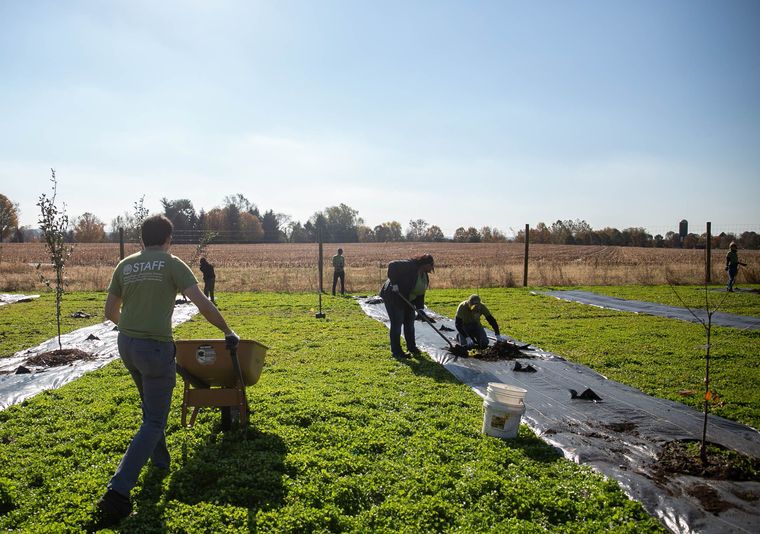
4 20 2024 germantown tree planting credit morgan horell 11
Don't forget to water your trees to keep them thriving into the winter.
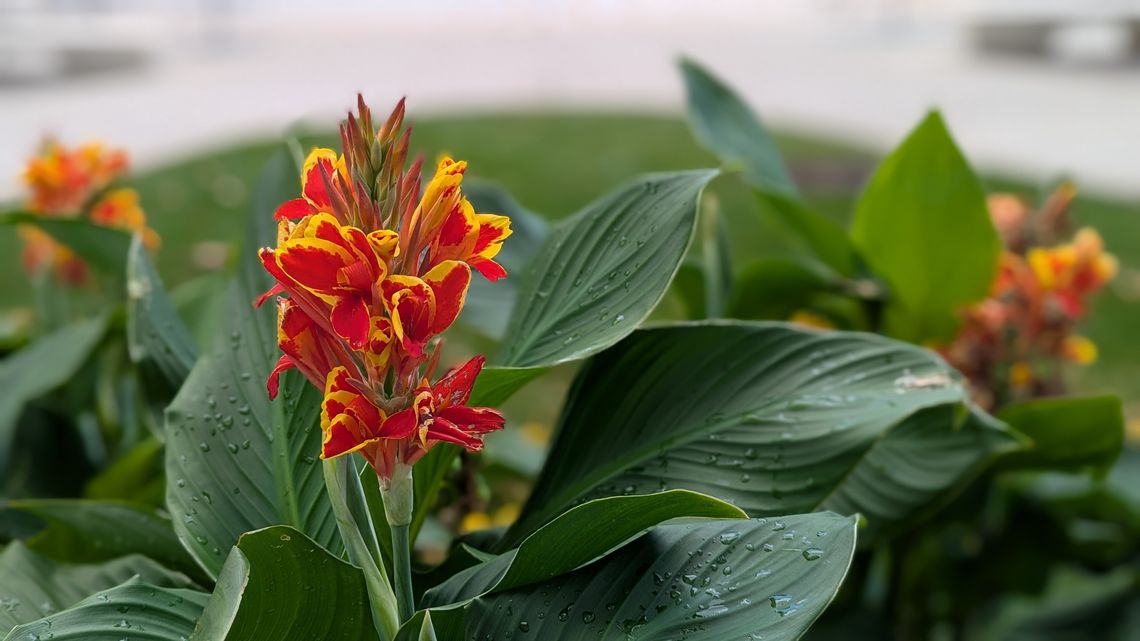
7. Continue Watering Trees, Shrubs, and Perennials 

Many gardeners stop watering once the weather cools down, but woody plants and new installations still need hydration until the ground freezes. Keep watering trees and shrubs regularly throughout the fall to maintain their vitality and prevent root desiccation during cold, dry winter winds.

shutterstock 2659670995
Protect your tropical plants by moving them inside for the season.
8. Bring Tender and Tropical Plants Indoors 

Not all landscape plants can survive frost and freezing temperatures. Before night temperatures drop below 50°F (10°C), bring tropical potted plants, succulents, and tender perennials indoors. Check for pests before bringing them inside and place them near bright windows. Learn more in our guide to overwintering houseplants indoors.

5 9 2024 healthy neighborhoods tour credit morgan horell 86
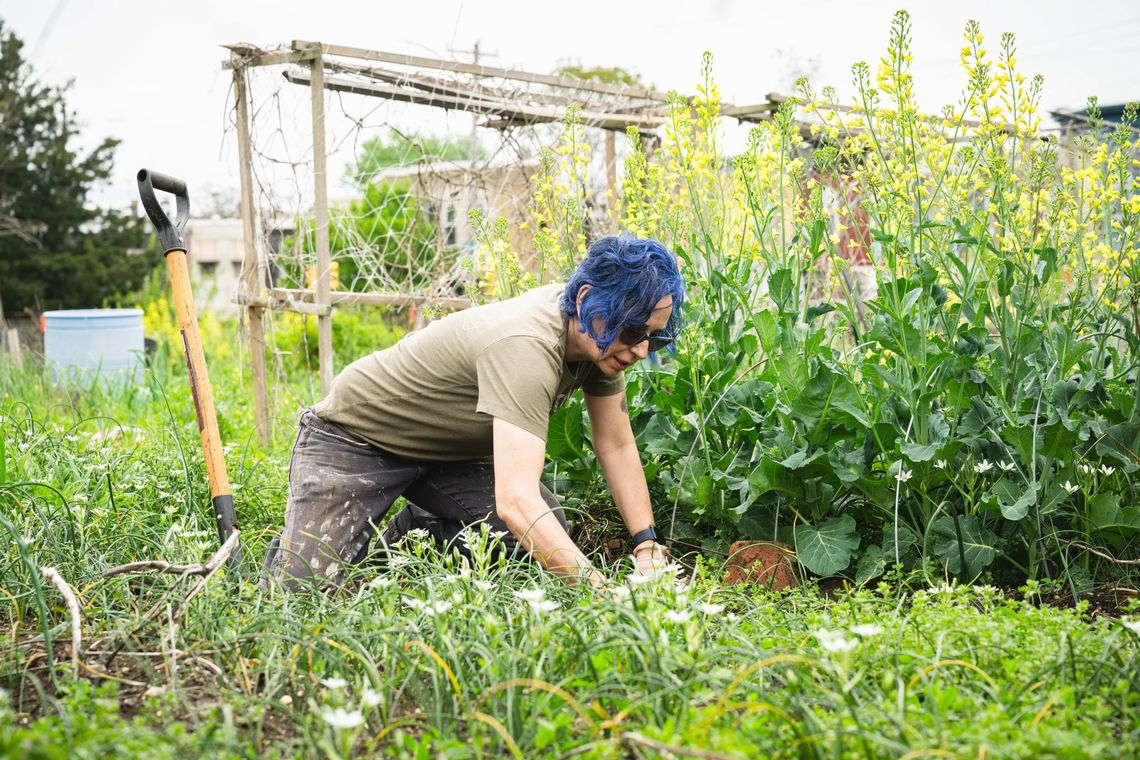
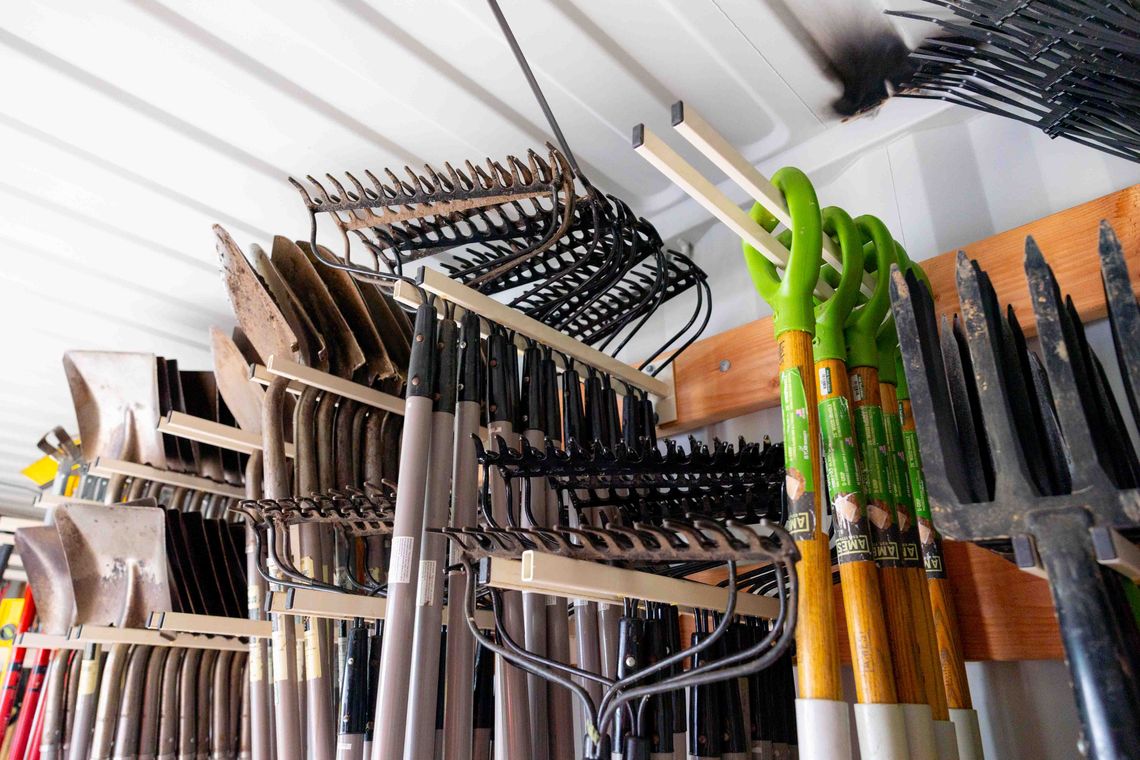
Clean up your tools and keep them fresh for next season.

9. Clean, Sharpen, and Store Garden Tools 

Your tools work hard all season long, and proper maintenance extends their lifespan. Wipe down metal blades, wash away dried dirt, sharpen dull edges, and oil wooden handles. Storing clean, dry tools in a shed or garage prevents rust, saves money on replacements, and ensures you're ready to hit the ground running in spring. 

bulbs
Think ahead to next year by ordering and planting bulbs before the first frost.

10. Order Spring Bulbs and Create Next Year’s Garden Plan 

Fall is the ideal time to plant spring-flowering bulbs like tulips, daffodils, and alliums. Order early from nurseries to secure your favorite varieties before stock runs out. 

While you wrap up your fall garden care, take notes on what worked well this year and what didn't. Use the quiet winter months to map out new garden designs, research native plant options, and order seeds for the coming year!

Learn from horticultural experts through upcoming Know to Grow webinars on gardening, plants, design, and more.