seasonal tips
By Sally McCabe, PHS Associate Director of Community Education
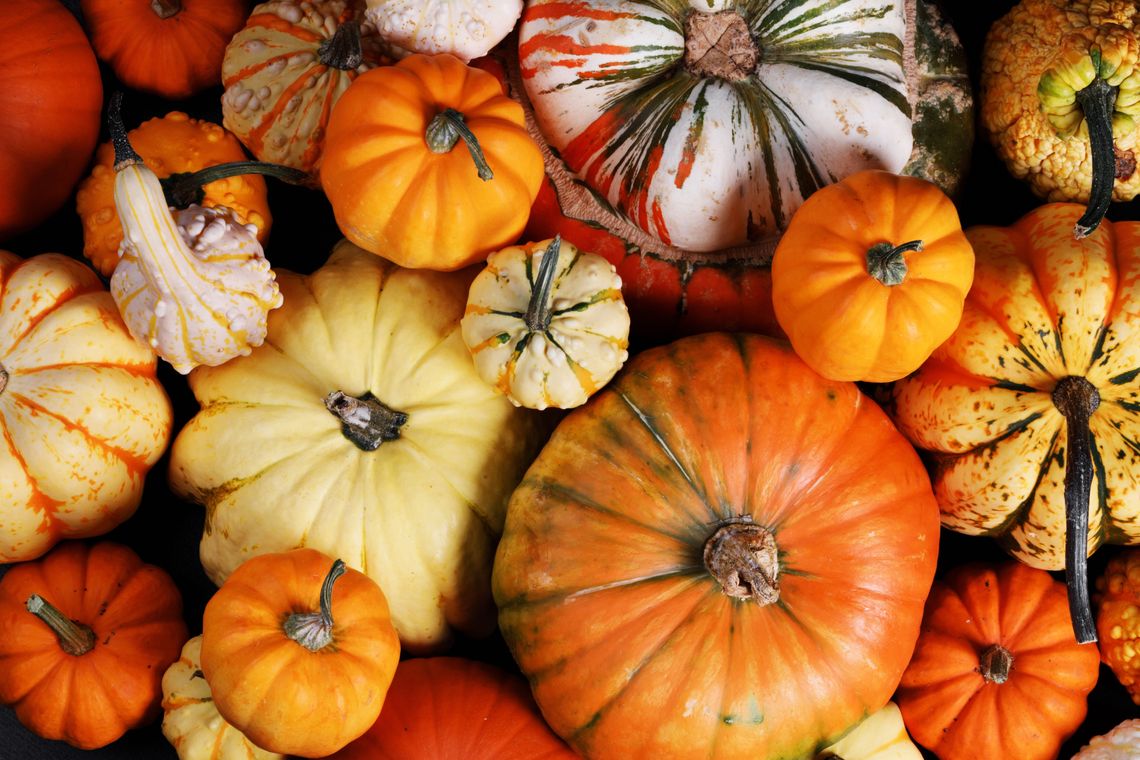
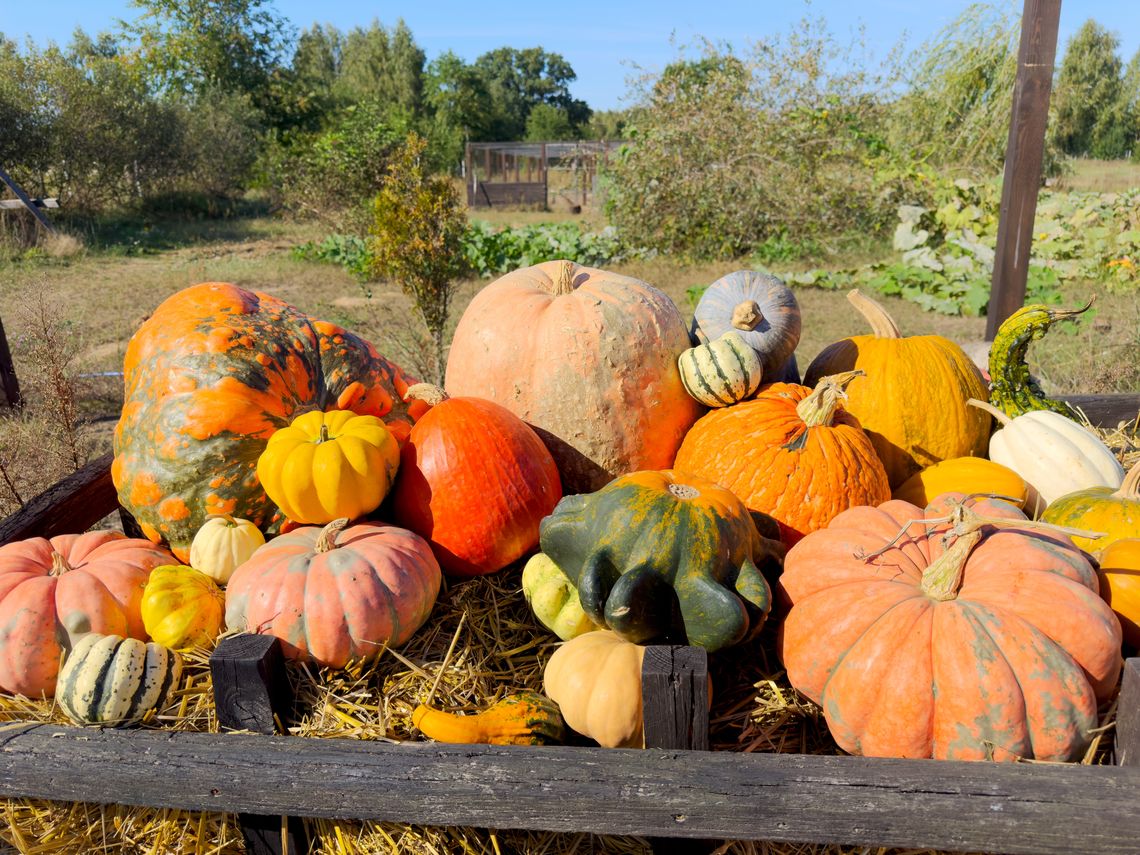
As autumn settles over the Greater Philadelphia area, farm stands and co-op display bins spill over with a vibrant sea of orange, deep green, muted cream, and dusty blue. For many, fall produce shopping begins and ends with picking a single large, smooth orange specimen destined for the front porch with a carved grin. However, limiting members of the Cucurbita family to a single look misses out on an incredible spectrum of shapes, sizes, textures, and long-lasting uses for fall displays and home storage.
Understanding the vast world of pumpkin varieties opens up a creative palette for decorative fall styling, doorstep displays, and smart harvest management. Whether you are decorating your porch, stocking up your cold cellar, or harvesting from your own garden patch, knowing how to choose, harvest, cure, and store your winter crops will ensure you get the absolute most out of the seasonal harvest.
When botanists talk about pumpkins, they are referring to specific cultivars within the squash family, primarily Cucurbita pepo, Cucurbita moschata, and Cucurbita maxima. Each species includes pumpkins grown for different purposes: C. pepo includes many classic carving and miniature pumpkins; C. moschata is known for culinary varieties and heirlooms; and C. maxima includes many large, colorful, and ornamental types that can also be used for cooking.
Most pumpkins are technically edible, but some are bred primarily for size, shape, color, or ornamental appeal rather than flavor. For the best results in the kitchen, look for varieties specifically valued for their flesh and texture, such as 'Long Island Cheese,' 'Galeux d'Eysines,' and 'Jarrahdale.' These varieties can be used in pies, soups, breads, and other recipes.
Don't be afraid to experiment with different varieties. Many pumpkins have flavorful flesh beneath unusual or warty exteriors, so an ornamental-looking pumpkin can be just as useful in the kitchen as it is on your doorstep.
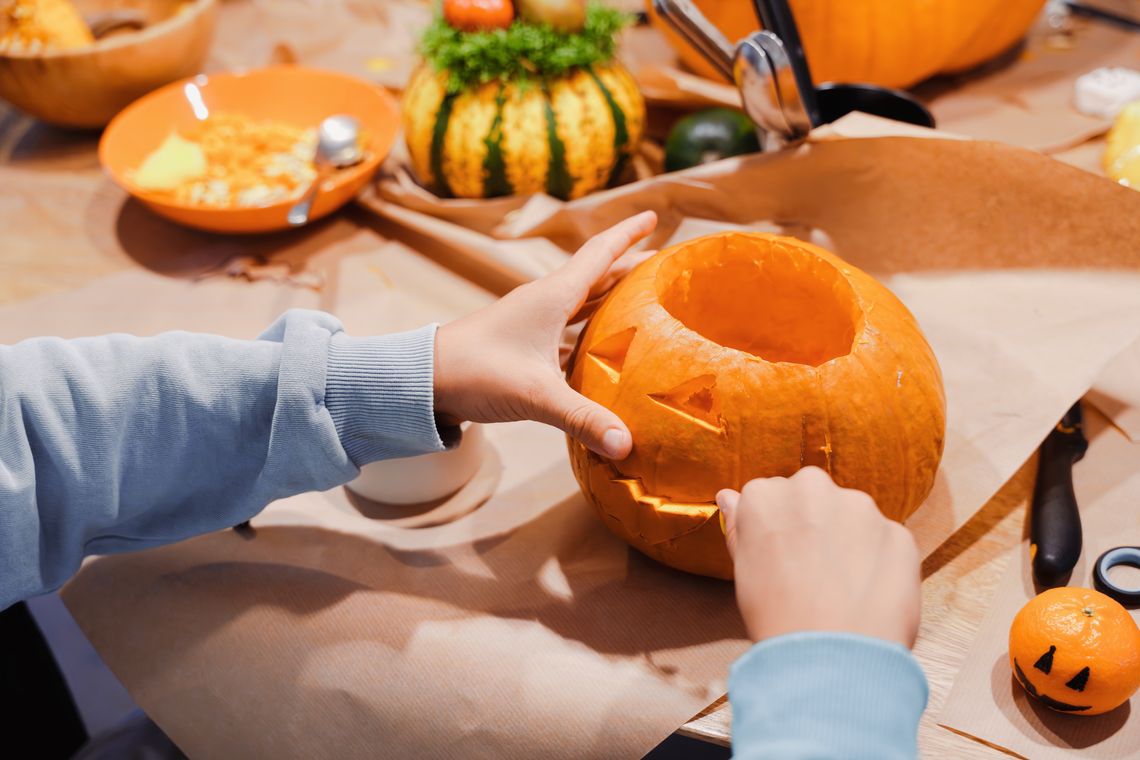
When most people imagine pumpkins for carving, they think of field cultivars like 'Connecticut Field,' 'Howden,' or 'Jack-O'-Lantern'. Bred specifically for ornamental performance, these field types feature large sizes, thin walls for easy lighting, hollow interiors for easy scooping, and smooth rinds that yield cleanly to a knife.
Because cut pumpkins deteriorate quickly, intact display varieties make a great long-term companion for autumn decorating.
Beyond classic field types, non-carving specialty varieties offer incredible visual appeal and last much longer through the season when left uncut:
Whether tending a garden patch or choosing fresh-cut options from local growers, understanding how to harvest pumpkins at the right moment ensures your display specimens remain firm through the holiday season.
Gather mature squash when the rind achieves its full, mature color with no soft green spots remaining, the skin resists a thumbnail pressure test, and the stem dries out to a woody, corky texture. Always harvest before the first hard freeze, as freezing temperatures damage outer rind tissues and trigger rapid decay.
Use sharp, clean pruning shears to cut the fruit from the vine, leaving 3 to 5 inches of stem attached as a natural protective seal. Never pull the fruit by hand or carry a pumpkin by its stem, which can break the seal and introduce rot. Handle harvested squash gently to avoid scratches that compromise the rind.
Curing hardens the fruit's skin and seals minor abrasions before long-term display. Place clean pumpkins in a warm (75°F to 85°F), well-ventilated location with moderate humidity for 10 to 14 days. A covered porch, greenhouse, or warm indoor room with good airflow works well.
Once cured, knowing how to store pumpkins correctly preserves their appearance for months:
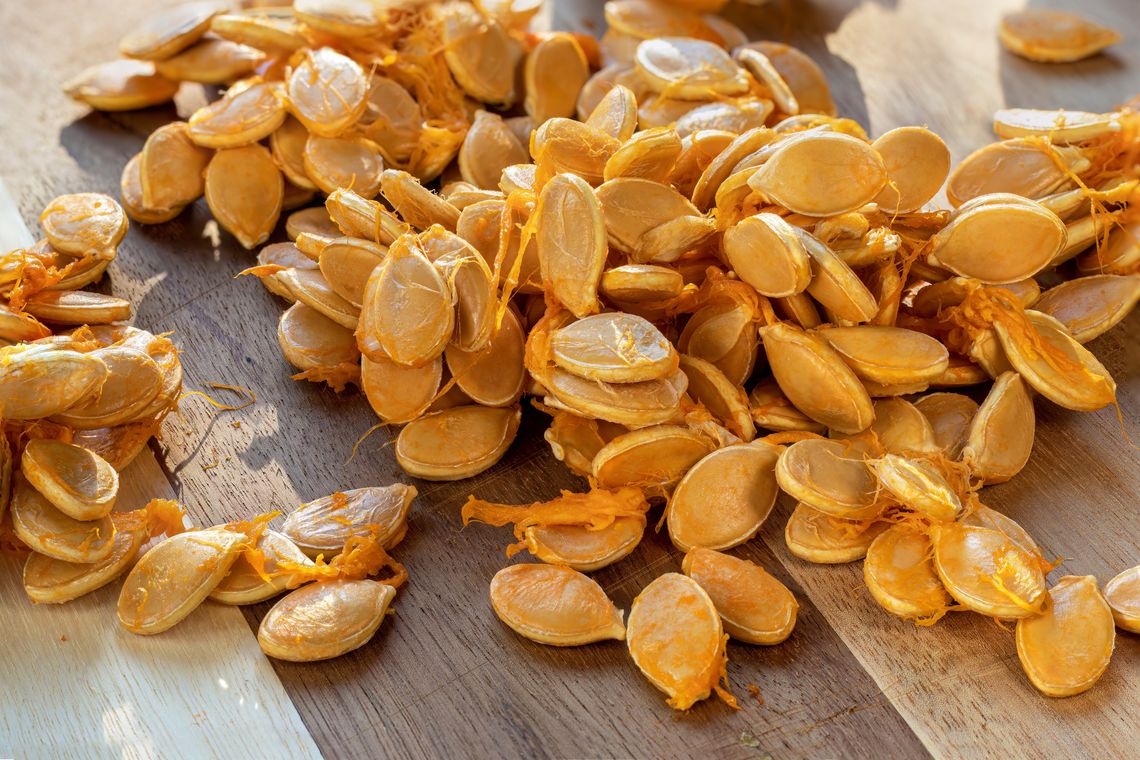
Saving pumpkin seeds is a fun way to reduce waste and explore plant propagation:
Note: Because members of the Cucurbita family cross-pollinate readily via bees, saved seeds may produce unexpected hybrid offspring rather than exact copies of the parent fruit.

When autumn celebrations conclude, intact decorative or carved pumpkins still have useful second lives:
Learn from horticultural experts through upcoming Know to Grow webinars on gardening, plants, design, and more.
Pumpkins come in a wide range of shapes, sizes, colors, and textures. Common types include field pumpkins for carving, miniature pumpkins, white pumpkins, warty heirloom types, and unusual flattened or ribbed varieties. Most pumpkins belong to Cucurbita pepo, Cucurbita moschata, or Cucurbita maxima.
While you can carve almost any variety, field pumpkins like 'Howden' or 'Connecticut Field' are much easier to hollow out and cut than thick-skinned specialty heirlooms. These varieties have large sizes, thin walls, hollow interiors, and smooth rinds that make them well suited to carving.
All pumpkins are edible, but pumpkins are often bred for appearance rather than flavor. Gourds should not be confused with pumpkins. If a pumpkin or squash tastes bitter, spit it out.
Harvest pumpkins when the skin has reached its full, mature color, there are no soft green spots remaining, the rind resists a thumbnail pressure test, and the stem has become dry and corky. Always harvest before the first hard freeze, which can damage the rind and trigger rapid decay.
Carved pumpkins last 3 to 7 days before wilting. Uncut field pumpkins last 1 to 2 months, while hard-skinned specialty heirlooms can last 3 to 5 months when cured and stored in a cool, dry spot.
Store unwashed, cured pumpkins in a 50°F to 55°F location with good air circulation, away from direct sunlight and off cold or damp floors. Arrange pumpkins in a single layer, so fruits do not touch or stack, and check them regularly for soft spots or rot.
Yes. Mature pumpkin seeds can be extracted, soaked in cool water, dried in a warm, ventilated space for 2 to 3 weeks, and stored in labeled paper envelopes in a cool, dark place. Because Cucurbita plants readily cross-pollinate, saved seeds may produce unexpected hybrid offspring rather than exact copies of the parent fruit.