leaf icon
leaf icon
leaf icon
calendar icon
Gardens To Visit
caret icon
Visit a PHS garden or landscape to help build stronger social connections with your community.
For Neighborhoods
caret icon
Explore programs that create healthy, livable environments and increase access to fresh food.
For Gardeners
caret icon
About Us
caret icon
Get to know our story, become a part of our staff, or see what is in the news with PHS.
The Flower Show

Fall Garden Shopping Guide: How to Choose Bulbs and Perennials

September 10, 2026

leaf icon seasonal tips

leaf icon garden inspiration

shutterstock 2695847911

As crisp autumn breezes replace the humid days of late summer, September gardening swings into high gear across the Greater Philadelphia region. While many view autumn as the time to put the garden to bed, experienced growers know it is actually the start of the next growing season. 

September is a prime opportunity to plan ahead, as nurseries and online plant retailers stock up on fresh spring-flowering bulbs and hearty fall-planted perennials. Whether you are shopping online or browsing in person at a local garden center, knowing how to choose healthy plants ensures your time and money yield the best results in our local Zone 7 environment. 
Why September Is the Best Time to Shop for Bulbs and Perennials 

When autumn arrives in Zone 7, soil temperatures remain delightfully warm even as air temperatures begin to drop. This unique combination makes fall the absolute best purchasing and planting season. Plus, you can garden comfortably without sweat dripping off your nose! 

  • Ideal Rooting Environment: Warm soil encourages energetic root establishment without the severe heat stress of midsummer. 
  • Superior Selection: Retailers receive their fresh shipments early in the season. Shopping in September ensures access to high-demand varieties before inventory runs low. 
  • Winter Readiness: Fall-planted perennials have ample time to settle in and establish deep root networks before winter dormancy, setting them up to explode with growth come spring. 

Learn from horticultural experts through upcoming Know to Grow webinars on gardening, plants, design, and more.

Plan Your Garden Before You Buy 

Impulse shopping often leads to crowded beds and stressed plants. A little bit of pre-shopping preparation is key and will set you up for success in the long game: 

  1. Evaluate Sunlight: Track actual sun hours. "Full Sun" requires a minimum of 6 hours of direct light daily. 
  2. Account for Mature Footprint: Always design your layout based on the plant’s mature width, not its container size. 
  3. Design for Succession: Mix spring bulbs with late-emerging perennials. As early crocus and daffodil foliage naturally yellow and die back in late spring, emerging coneflower or hosta leaves grow in to naturally mask the fading bulb foliage. 

Bulb Shopping Guide

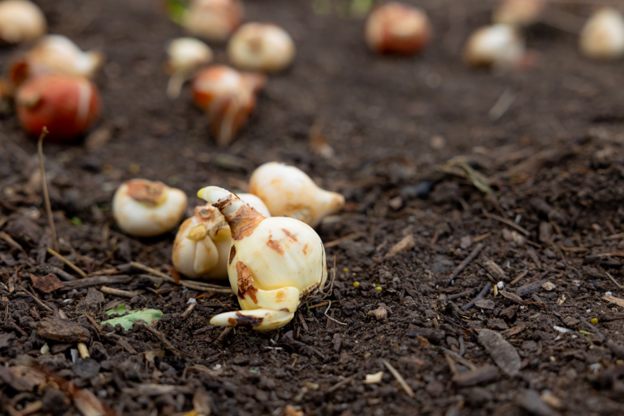
Fall is when nurseries and specialty mail-order catalogs offer dormant bulbs requiring a necessary period of winter chilling before bursting into spring blooms. Here are the most reliable, but don’t forget about the minor bulbs like grape hyacinths, snowdrops, and glory-of-the-snow (Chionodoxa). Stack these on top for a layered effect when you plant the bigger bulbs. 

Bulb Type Bloom Window Ideal Growing Conditions What to Look for When Purchasing

Daffodils (Narcissus)

Early to Mid-Spring

Full sun to partial shade; well-drained soil

Plump, heavy bulbs with intact, papery tunics. Excellent naturalizers and inherently pest-resistant. 

Tulips

Early to Late Spring

Full sun; rich, sharply draining soil

Firm, unblemished bulbs. Look for larger sizes (measured in centimeters around circumference) for maximum bloom capacity. 

Crocus

Very Early Spring

Full sun to light shade; adaptable soil

Small, dense corms free from soft spots or signs of premature sprouting.

Alliums

Late Spring to Early Summer

Full sun; dry to medium moisture, well-drained soil

Large, solid bulbs with a clean, garlic-like aroma and no signs of blue mold between layers.

Hyacinths

Mid-Spring

Full sun to partial shade; moist, well-drained soil

Firm, heavy bulbs. Handle with care, as they can irritate sensitive skin.

picture1
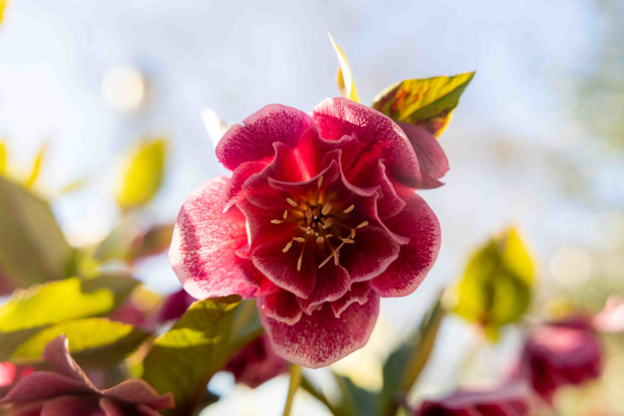
Check out the list below for perennials to buy in the fall, including hellebores.

Perennials Worth Buying in Fall 

While spring shopping is often driven by impulse buys of plants already in bloom, buying perennials in the fall yields far greater long-term value. Late-season specimens put their energy directly into root development rather than showy top growth. (And if you buy ones that are blooming, deadhead them after planting so they can redirect energy back down into their roots!) 

Consider adding these durable, long-term options to your fall shopping cart: 

  • Coneflowers (Echinacea): Fantastic native that provides late-season nectar for pollinators and winter seed heads for birds. 
  • Black-Eyed Susans (Rudbeckia): These cheerful native perennials offer late-summer and fall blooms for pollinators, followed by seed heads that provide food for birds into winter. 
  • Sedum (Hylotelephium): A reliable choice for late-season color, with clusters of flowers that attract pollinators and hold their shape into fall and winter. 
  • Asters: One of the undisputed heroes of late-fall color, asters provide a welcome burst of blooms when much of the garden begins to fade and offer an important late-season food source for pollinators. 
  • Hellebores: Exceptional evergreen foliage that brightens shady borders well into cold weather, popping out blooms anytime after Christmas. 
  • Ornamental Grasses: Offer structure, movement, and texture that can carry the garden through fall and winter. Try little bluestem (Schizachyrium scoparium), prairie dropseed (Sporobolus heterolepis), northern sea oats (Chasmanthium latifolium), or side-oats grama (Bouteloua curtipendula). These grasses offer everything from colorful fall foliage and persistent seed heads to year-round texture and winter interest. 

How to Choose Healthy Bulbs and Perennials 

Whether sifting through bins at your local nursery or ordering online, quality control is paramount. 

Quick Bulb Inspection Checklist 

  • Firm and Heavy: Healthy bulbs feel dense and solid, similar to a fresh onion. 
  • Free of Mold and Soft Spots: Avoid anything that feels spongy, mushy, or exhibits powdery blue or black mold. 
  • Sized for Success: Larger bulbs store more energy, yielding bigger, stronger stems and blooms. 
  • Red Flags: Skip dry, lightweight, papery-hollow bulbs, or those with deep gouges that invite soil pathogens. Never buy unlabeled mystery packages lacking origin or planting specifics. 

Inspecting Perennials 

Focus on structural health rather than immediate floral displays. A perennial completely covered in open flowers at the nursery is spending energy on blooms rather than roots. 

  • Check the Roots: Gently tip the plant or inspect the drainage holes at the base. Avoid rootbound plants with dense, spiraling rings of roots along the pot walls. Look for clean, light-colored root tips where the soil mass is held together cleanly. 
  • Inspect the Foliage: Pass on plants displaying yellowing leaves, powdery mildew, or active insect infestations. Note: Foliage cut back late in the season is completely normal and often healthier for transplanting! 
  • Read the Plant Tag: Verify light requirements, mature height and spread, soil moisture, and hardiness zone (ensuring suitability for Zone 7). 
picture2
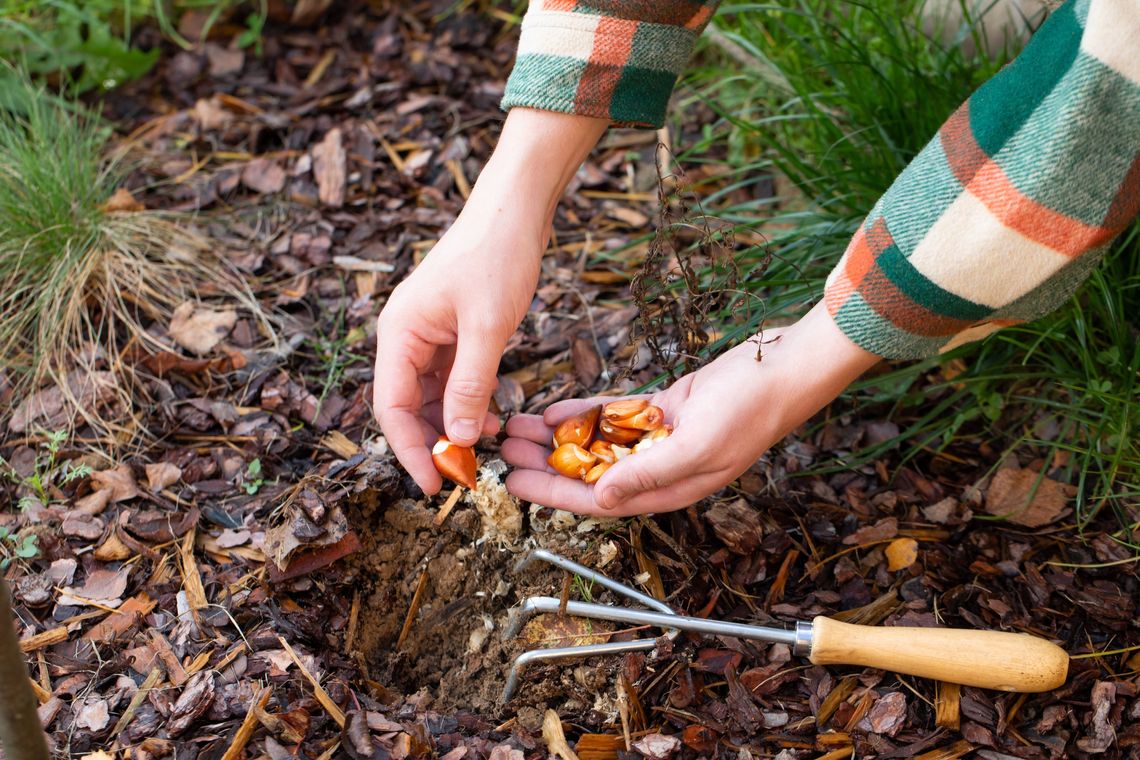
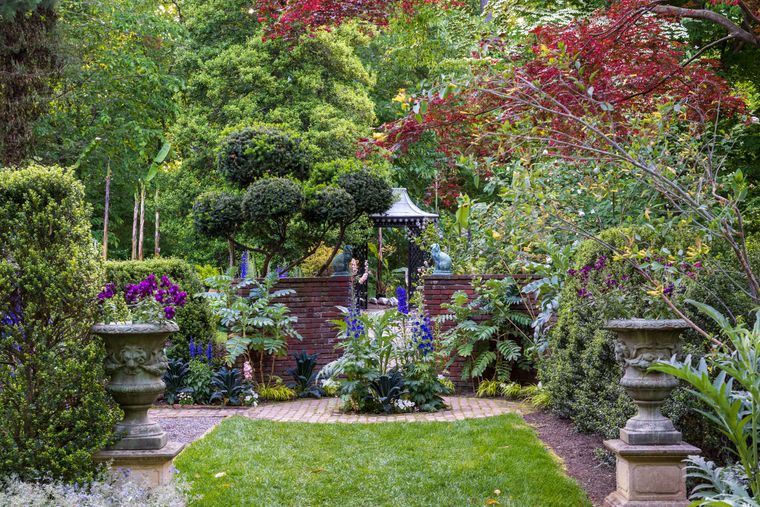
Plant spring-flowering bulbs in fall to enjoy blooms next spring.

Post-Purchase Care Tips 

  • Plant Bulbs Promptly: Get bulbs in the ground before the first hard freeze at a depth roughly three times the bulb's height. 
  • Hydrate Perennials: Water new acquisitions thoroughly right after planting, and keep soil consistently moist until the ground freezes. 
  • Map Your Plot: Sketch a simple map marking where you buried dormant bulbs so you don't accidentally dig them up during spring weeding. 

Should You Avoid the Sale Rack? 

Absolutely not! Find your sense of adventure by taking chances on a few small, root-bound, or stressed-out plants that need a little TLC. And while earlier is always better, you have full permission to plant bulbs until the ground freezes solid—often around New Year's in Zone 7. 

Head out to your local garden centers or explore trusted online nurseries with your landscape plan in hand. A little attention to detail now will reward you with a spectacular show come spring!