How to Harvest Vegetables for Flavor, Freshness, and Food Donation
seasonal tips
plant care
By Sally McCabe, PHS Associate Director of Community Education
August is one of the busiest, most prolific harvest months in the garden here in Zone 7. After months of dedicated watering, weeding, and waiting, your backyard or community garden beds are likely bursting with color and life. However, your critical work as a gardener does not end when the fruit sets on the vine.
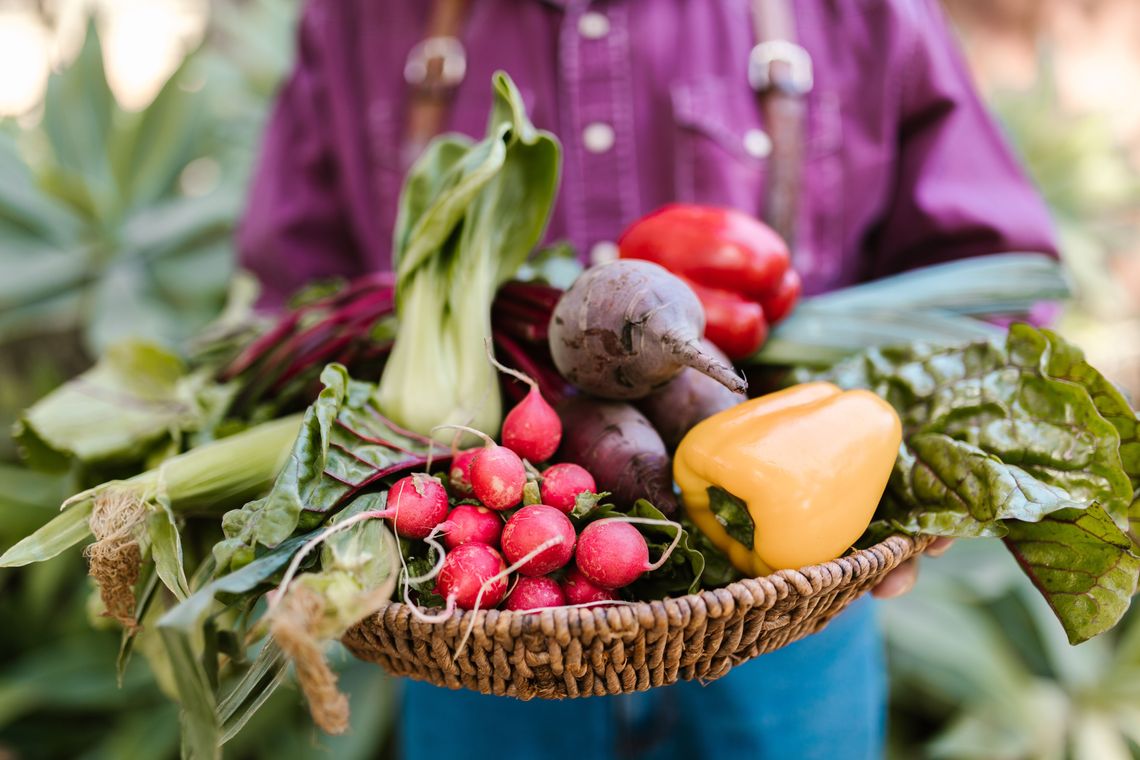
Knowing how to harvest vegetables properly is just as vital as knowing how to grow them. Learning the correct techniques improves flavor, extends shelf life, and actively encourages your plants to keep producing right up until the first frost. Whether you want to enjoy the best-tasting dinner possible, reduce waste in your own kitchen, or prepare a beautiful basket of extra produce for local food pantries, mastering the art of harvesting ensures nothing you grow goes to waste. After all, keeping your beautiful crops purely as "pets" or as art on your kitchen table is not the best use of your summer bounty.
Let’s dive into the science of when to harvest, the best techniques to use, and how to keep your garden thriving while sharing the abundance.
Why Knowing How to Harvest Matters
It is easy to think of harvesting as a simple game of "pick it when it looks big enough," but timing and technique deeply impact the quality, nutrition, and longevity of your food.
- Better flavor and texture: Vegetables harvested at their peak posess the perfect balance of natural sugars and starches. Wait just a few days too long, and zucchini and okra become weapons instead of ratatouille.
- Longer shelf life: Proper harvesting techniques reduce stress on the vegetable, slowing down the natural cellular decay process, and keeping your kitchen stocked longer.
- Less bruising and damage: Gentle handling protects the outer skin of your vegetables, preventing pathogens and mold from entering and rotting the crop.
- Healthier, more productive plants: A clean cut prevents jagged tears on the main vine, which can host fungal diseases and invite pests.
- Better quality for sharing: When harvesting vegetables for neighbors or local food pantries, high-quality handling ensures the food remains appetizing, nutritious, and safe by the time it reaches someone else's plate.
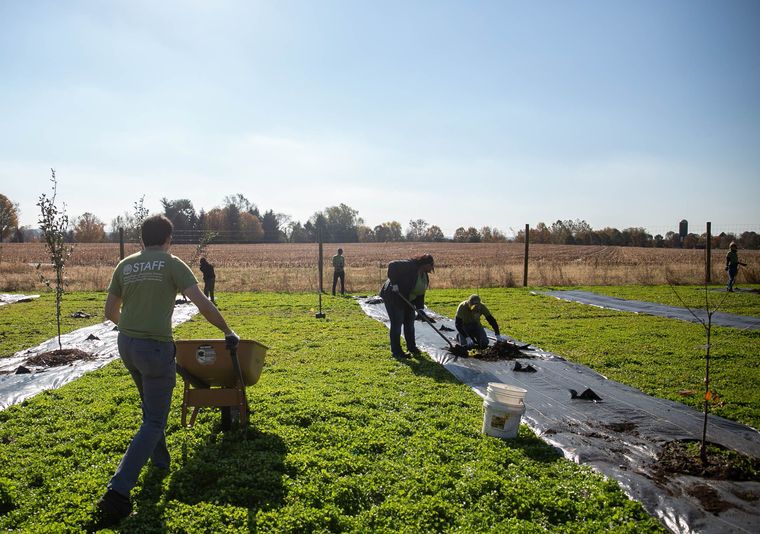
Harvesting can be a big job, but it’s always better with a group! Learn how to volunteer at Norristown Farm Park.
How Do You Harvest Vegetables Correctly?
To get the most out of your hard work, integrate these foundational rules into your regular garden routine:
Harvest During the Coolest Part of the Day
Early morning, just after the morning dew dries but before the intense summer sun beats down is absolute prime time for harvesting vegetables. Overnight, plants replenish the water they lost during the day, making them crisp, hydrated, and full of natural sugars. Avoid harvesting during the heat of the afternoon, when plants are stressed, wilted, and rapidly releasing moisture.
Use Clean, Sharp Tools
Never rip, yank, or snap a vegetable off the vine. Pulling can damage the plant's delicate root system or tear the main stem, leaving a ragged wound that invites pests and disease. Keep a sharp pair of pruners, kitchen shears, or a dedicated harvest knife on hand. Sterilize your blades regularly with rubbing alcohol to prevent spreading pathogens from plant to plant.
Handle Harvested Produce Carefully
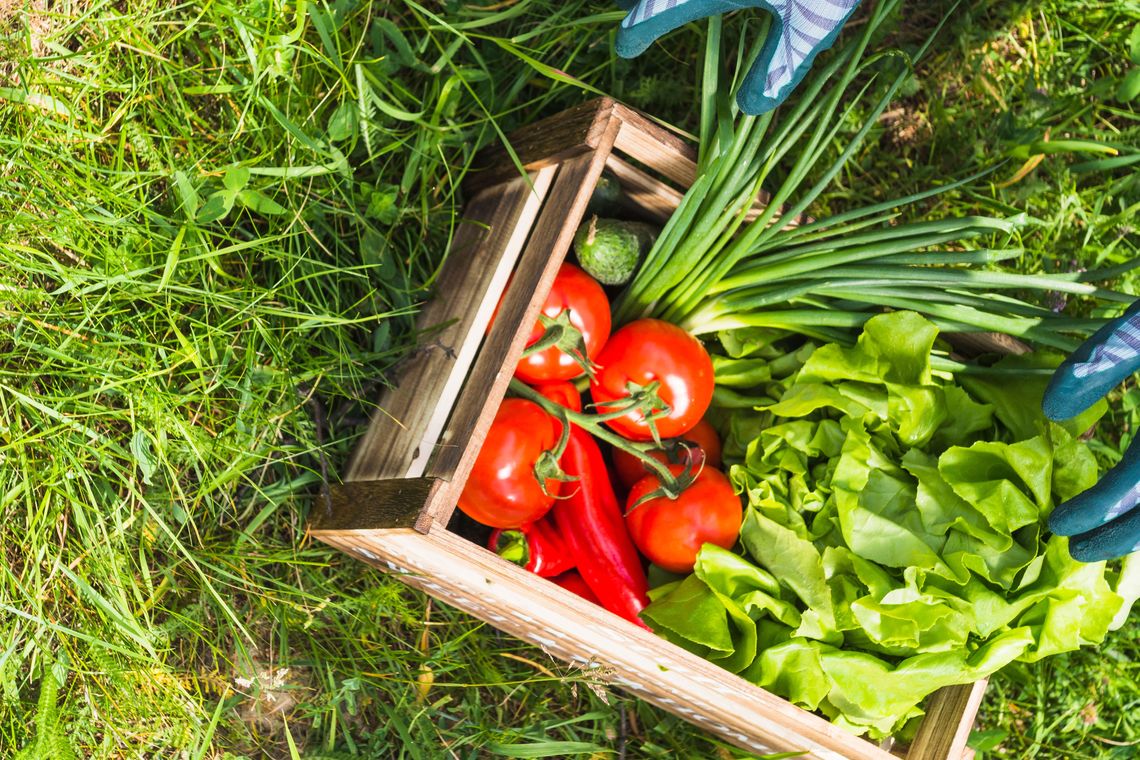
Treat your fresh vegetables like fragile eggs. If you drop them roughly into a plastic bucket, minor, invisible bruises will quickly turn into soft, rotten spots. Place your items gently into shallow baskets or breathable containers and immediately move your harvest container into the deep shade while you finish up the rest of your garden chores.
Wait to Wash Produce
Moisture is the ultimate enemy of storage life. When you bring your crops inside, simply brush or wipe off excess soil with a dry cloth or a soft brush. Store them completely dry, and wash your vegetables thoroughly under cool, running water just before eating, cooking, or processing.
Harvesting Vegetables by Crop: A Quick-Reference Guide
Every vegetable has its own unique, telltale signs of readiness. Use this guide tailored for our local Zone 7 mid-to-late summer bounty:
| Vegetable | When to Harvest | Harvest Tips |
|---|---|---|
|
Tomatoes |
When fully colored but still firm; harvest slightly early (at the "blush" stage) if pests or heavy rain threaten. |
Snap at the natural break point on the stem (the pedicel) or cut with shears. Store on the counter, never the fridge. |
Cucumbers |
When firm and bright green; well before they turn yellow or get overly large. |
Cut the stem with pruners; leaving a short stub attached to the fruit helps prevent rot at the stem end. |
Zucchini & Summer Squash |
Best at 6–8 inches long when the skin is still tender enough to easily pierce with a fingernail. |
Cut clean from the main vine with a knife. Check plants daily; they grow incredibly fast in August heat! |
Peppers |
Can be picked green, but they are sweeter and higher in vitamin C when allowed to change to red, orange, or yellow. |
Snip the thick stem with pruners; pulling will frequently snap the brittle, delicate branches of the plant. |
Green Beans |
When pods are firm and crisp, but before the seeds inside bulge noticeably. |
Use two hands to snap the pod stem cleanly, or snip with small garden scissors to avoid tearing the vine. |
Eggplant |
Harvest when they are glossy, firm, and have reached their mature size. Dull skin usually means they're overripe. |
Cut from the plant with pruners, leaving a short stem attached. |
Okra |
Pick pods when they're 2–4 inches long and still tender. |
Harvest every day or two, as pods become tough quickly if left on the plant. |
Swiss Chard |
Harvest outer leaves once they're 8–12 inches long while leaving the center intact. |
Pick individual leaves regularly for continuous harvest throughout the season. |
|
Leafy Greens |
Harvest young leaves for salads or allow them to mature for cooking. |
Pick outer leaves first to keep plants producing longer. |
Root Vegetables |
Harvest once roots reach their expected size, checking one or two before pulling the entire crop. |
Loosen soil with a garden fork before lifting to avoid damaging roots. |
Herbs |
Harvest frequently once plants are well established, before they flower for the best flavor. |
Snip stems just above a pair of leaves to encourage bushier growth. See our guide to growing and harvesting basil for more tips. |
Harvesting Produce to Keep It Fresh Longer
Once your crops are separated from the parent plant, the clock begins ticking. Managing temperature and humidity is the secret to extending their shelf life.
Cool Produce Quickly
Field heat accelerates decay. Move your vegetables out of the direct sun immediately upon picking. For crops that benefit from refrigeration, get them into the crisper drawer as soon as possible to lock in freshness.
Store Each Vegetable Properly
Not all veggies like the same climate and mixing them up can cause rapid spoilage. Refer to this simple storage breakdown:
- Tomatoes: Keep at room temperature out of direct sunlight. Putting them in the fridge destroys their texture and mutes their rich flavor.
- Cucumbers and peppers: Store in the coolest part of the refrigerator (closer to the door or front) in a loosely tied plastic bag.
- Leafy greens: Wrap loosely in a damp paper towel and place inside a sealed bag or container in the crisper drawer.
- Root vegetables (carrots, beets, etc.): Twist off the leafy green tops immediately (as they draw moisture away from the root) and store the roots in a plastic bag in the fridge.
- Herbs: Treat tender herbs such as basil like fresh flowers—place stems down in a glass of water on the counter. Hardy herbs like rosemary do best wrapped in a damp paper towel in the fridge.
Gardener's Pro-Tip: Frequent harvesting is a biological trigger. For many classic summer crops like beans, cucumbers, and zucchini, the plant’s ultimate goal is to produce mature seeds. If you harvest the vegetables while they are still young, the plant "panics" and produces even more blossoms to try again. Picking your crops every 2 to 3 days actually multiplies your total yield!
Harvesting Produce for Food Donation
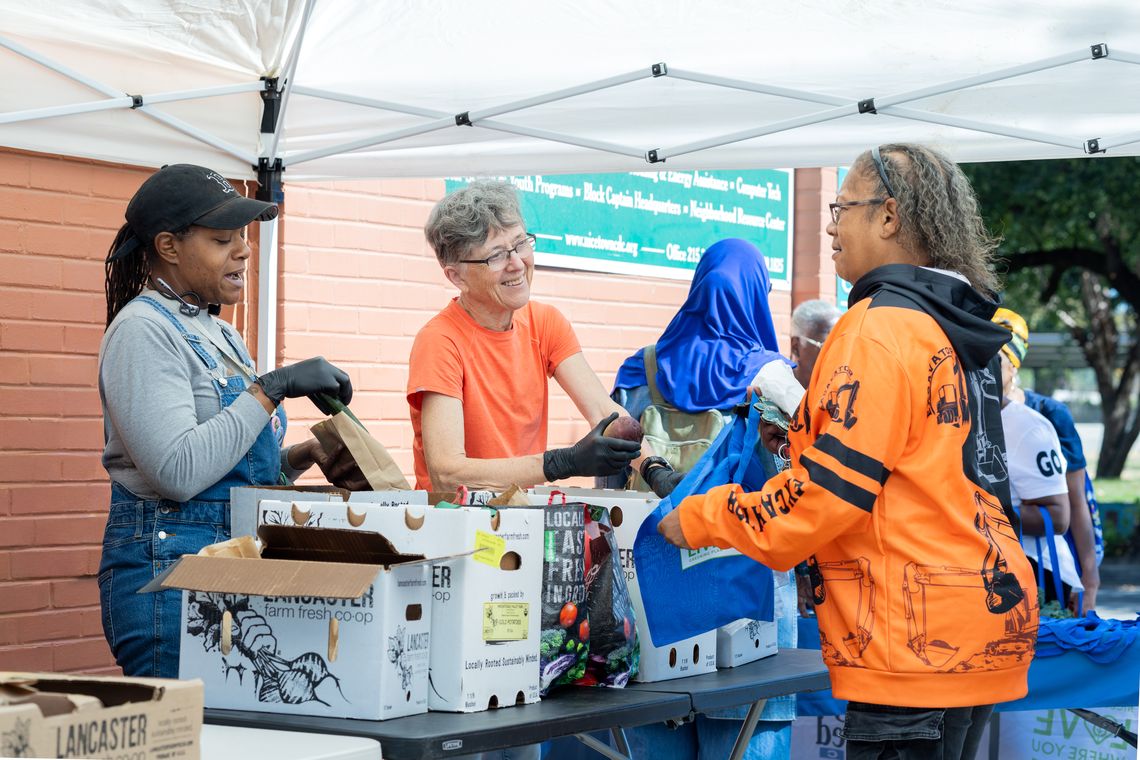
Donating your surplus backyard bounty helps reduce food waste while directly supporting neighbors experiencing food insecurity. However, food pantries cannot accept kitchen scraps, so donated food must be treated with the highest level of care.
When preparing harvested produce for local donation sites, please keep these critical standards in mind:
- Harvest only fresh, healthy produce: A good rule of thumb is that if you wouldn't buy it at the co-op or serve it to your own family, please do not donate it.
- Avoid bruised or overripe vegetables: Overripe crops rot rapidly in transit. Choose firm, slightly under-ripe or perfectly ripe vegetables that can handle transportation.
- Handle produce gently: Keep donation crops separated in clean, shallow boxes or crates to protect them from crushing.
- Deliver donations promptly: Coordinate your harvest time with the drop-off hours of the receiving food pantry or organization so the food arrives crisp, cool, and ready for distribution.
- Follow specific guidelines: Check with your local food pantry ahead of time regarding preferred packaging (such as paper vs. plastic bags) and accepted varieties.
Learn more about how you can help out communities in need and donate your fresh produce to Community Fridges.
Common Harvesting Mistakes to Avoid
- Waiting too long: Bigger is rarely better in the vegetable world. Overgrown vegetables lose flavor, turn bitter, and become tough or stringy.
- Harvesting in midday heat: This wilts the plant and causes the picked produce to go limp almost instantly.
- Yanking and pulling: This causes physical trauma to the plant, breaking branches and exposing open wounds to pests and disease spores.
- Pre-washing everything: Storing wet vegetables encourages mold and turns your crisp greens into slime.
- Leaving harvest in the sun: Just 15 minutes in the direct summer sun can dramatically shorten a vegetable’s potential shelf life.
Making Your Harvest Sustainable
Harvesting vegetables is far more than just picking what looks ripe. It is the final, essential step in a mindful, sustainable growing cycle. It is about preserving the exceptional flavor you worked hard to nurture all spring, maximizing freshness in your kitchen, and respecting the abundance of your plot. With the right harvesting techniques, you will enjoy better-tasting food, yield healthier plants, and ensure that your extra garden treasures provide fresh, beautiful, and nutritious meals for our wider community. Happy harvesting!
Learn from horticultural experts through upcoming Know to Grow webinars on gardening, plants, design, and more.