
leaf icon
leaf icon
leaf icon
calendar icon
Gardens To Visit
caret icon
Visit a PHS garden or landscape to help build stronger social connections with your community.
For Neighborhoods
caret icon
Explore programs that create healthy, livable environments and increase access to fresh food.
For Gardeners
caret icon
About Us
caret icon
Get to know our story, become a part of our staff, or see what is in the news with PHS.
The Flower Show

Garden Photography Tips for Beginners

May 12, 2026
leaf icon garden inspiration

leaf icon phs community & events

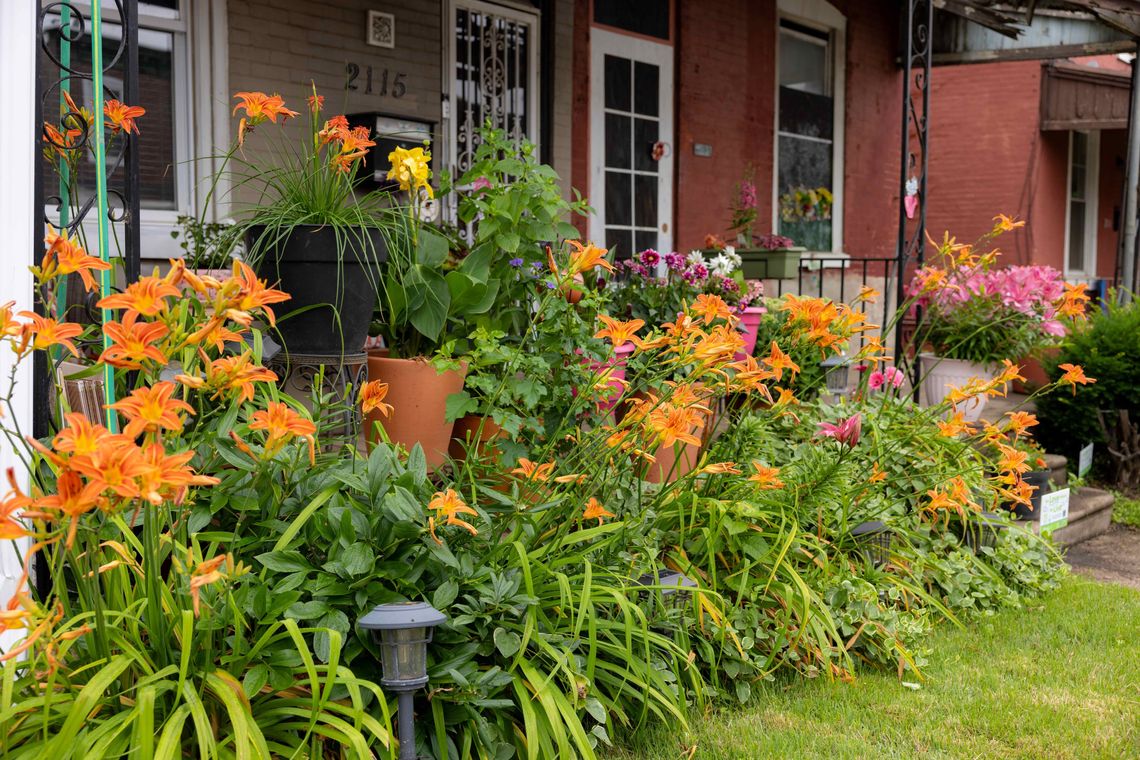
phs 6 17 25 lwyl curb appeal challenge credit morgan horell morganhorellphoto 029 1

How to Capture Beautiful Garden Photos (and Make Your PHS Citywide Garden Challenge Submission Stand Out!) 

A gorgeous, healthy garden is something to be proud of and worth capturing. Whether you are snapping photos to share with friends, documenting your gardening journey, or submitting photos to the PHS Citywide Garden Challenge, a few simple photography tips can make a big difference. 

The good news is that you do not need fancy equipment to take beautiful garden photos. With a smartphone, good timing, and a thoughtful approach, you can showcase your garden at its very best. 

Below, we have gathered beginner-friendly tips, along with expert insights from professional photographer Rob Cardillo and PHS Multimedia Design Lead Morgan Horell, to help you take photos you will be proud to share. 

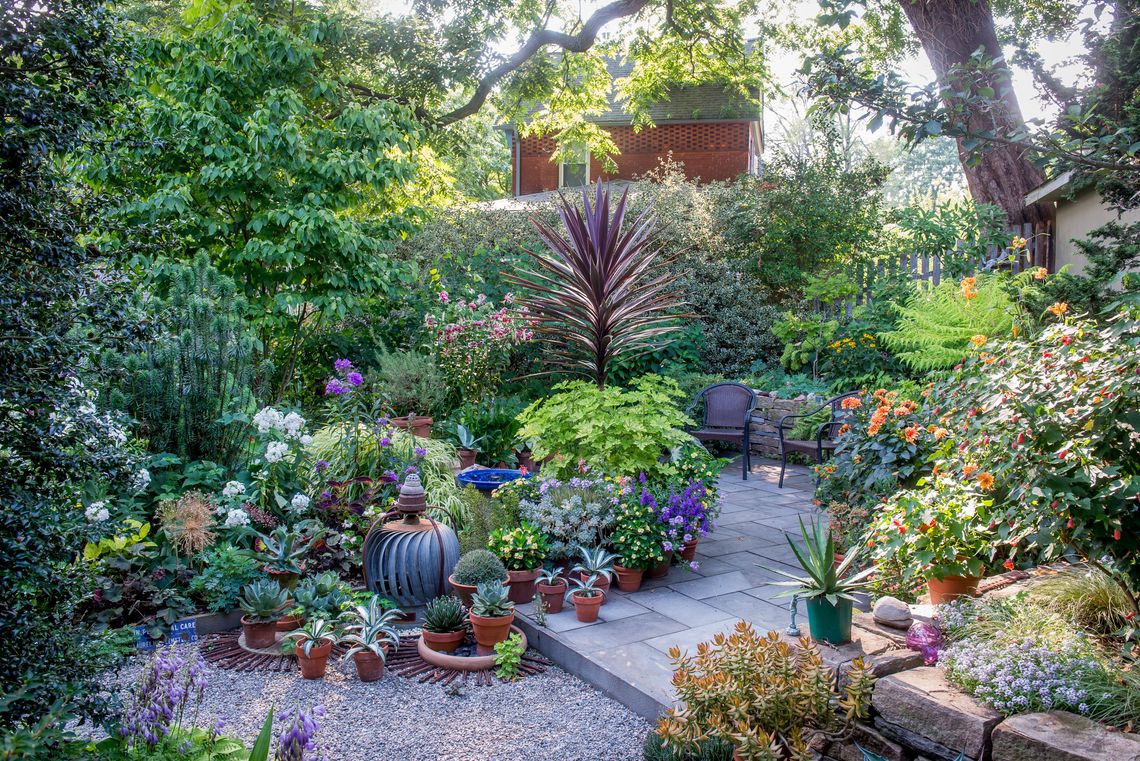
pretty 140726 8531
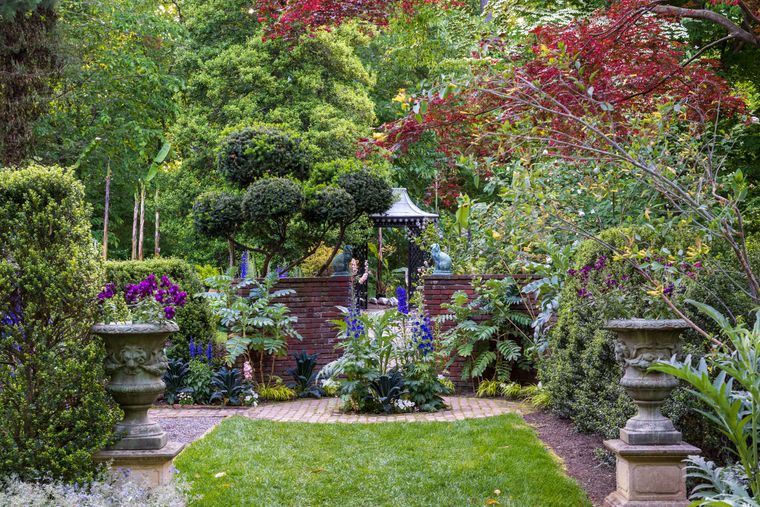
A tidy, thoughtfully styled garden creates a cleaner, more visually appealing photo and helps your plants take center stage. Shown here: Adam Levine/Tom Borkowski's garden. Photo credit: Rob Cardillo
1. Start with a Garden That’s Photo-Ready 

Before you pick up your camera, take a few minutes to prep your space. A clean, well-maintained garden will always photograph better.  As professional photographer Rob Cardillo explains, “a well-groomed garden is the foundation of a great photo,” which starts with a bit of simple upkeep. Focus on: 

  • Mowing the lawn, if needed  
  • Deadheading spent blooms  
  • Removing dead or struggling plants  
  • Tidying tools, hoses, and empty pots  
  • Minimizing bare or unplanted areas by styling the space, try placing a container, adding a small table or seating, or grouping pots to create a more finished, intentional look 

Think of this step as staging your garden. A little effort beforehand can dramatically improve the final image. 

chatgpt image may 7 2026 11 21 36 am
Photo credit: Rob Cardillo

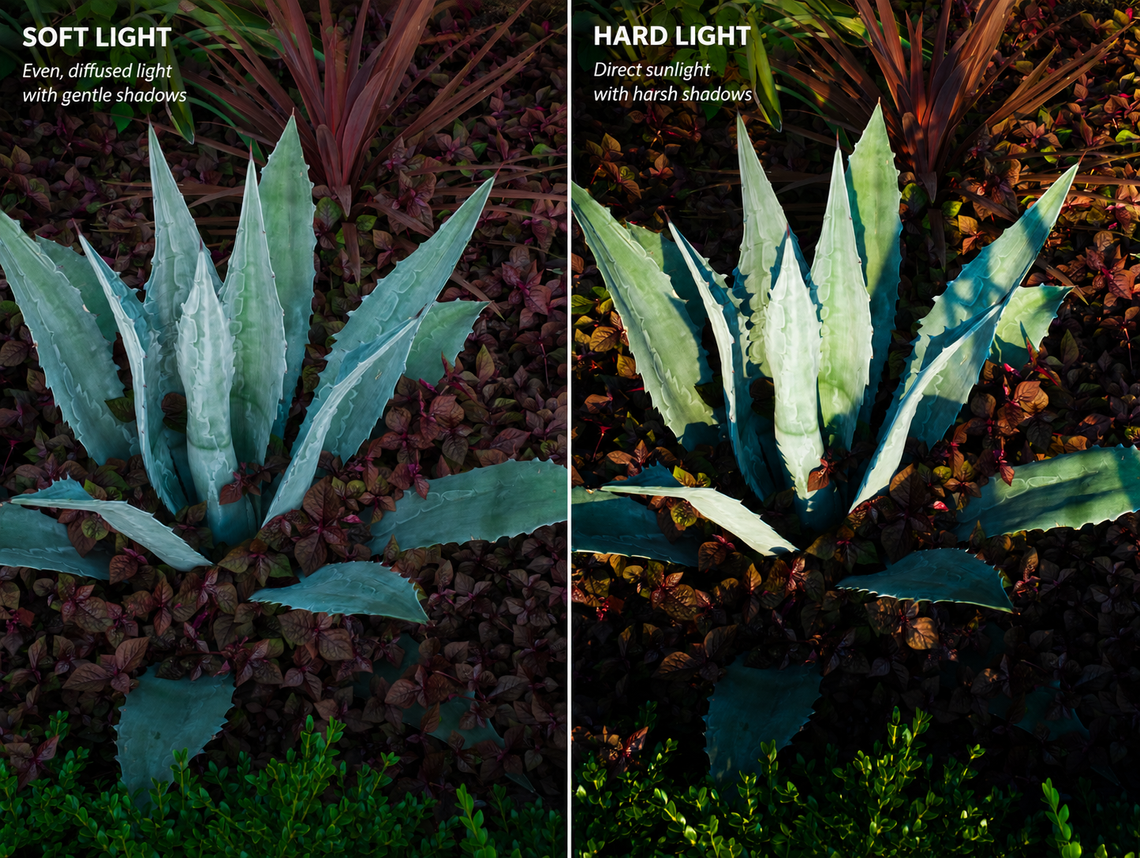
2. Use Natural Light for Better Garden Photos

Lighting plays a major role in how your garden looks in photos. Bright, harsh sunlight can create strong shadows and wash out color, while softer light brings out detail and texture. Rob recommends shooting when “the light is soft and even, like on an overcast day or near sunrise or sunset.” Morgan adds that periods of indirect sunlight tend to make everything look softer in the best way. 

For the best lighting results, aim to photograph your garden during: 

  • Early morning  
  • Late afternoon or early evening  
  • Bright but overcast conditions  

Try to avoid midday sun on a clear day, when contrast is strongest and hardest to manage.

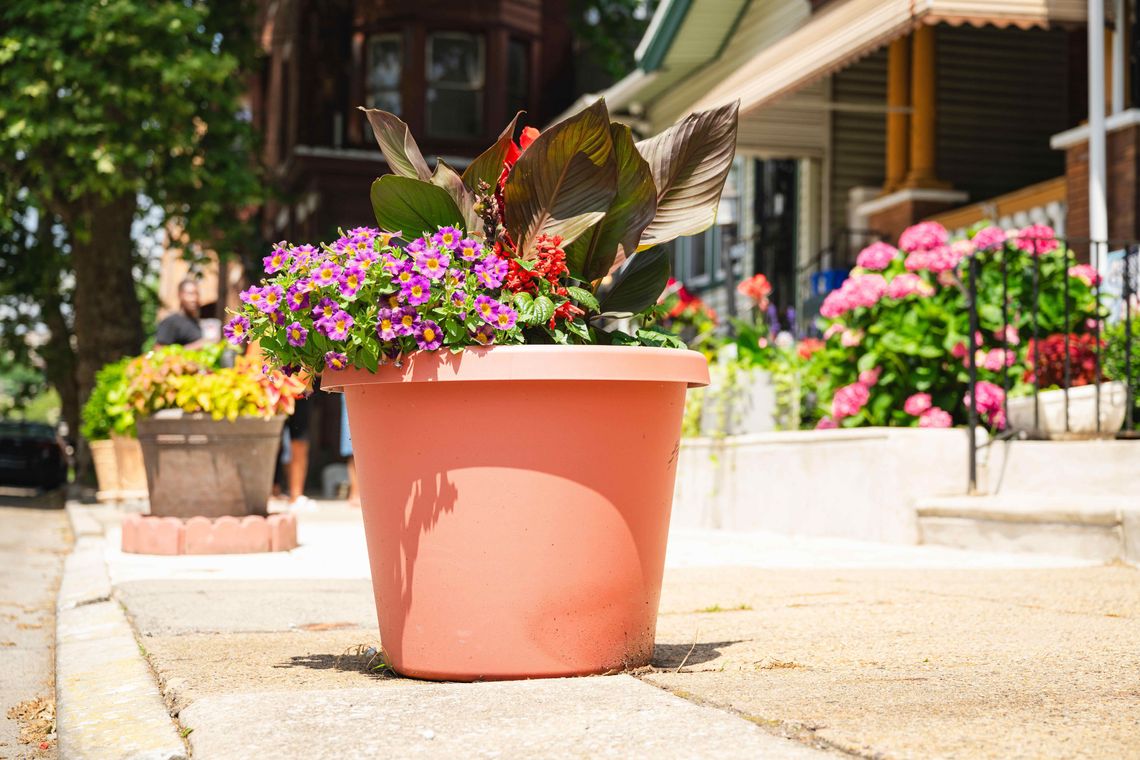
dsc9855
A single container or standout feature can create a strong focal point and give your garden photo a clear sense of purpose. Photo credit: Morgan Horell
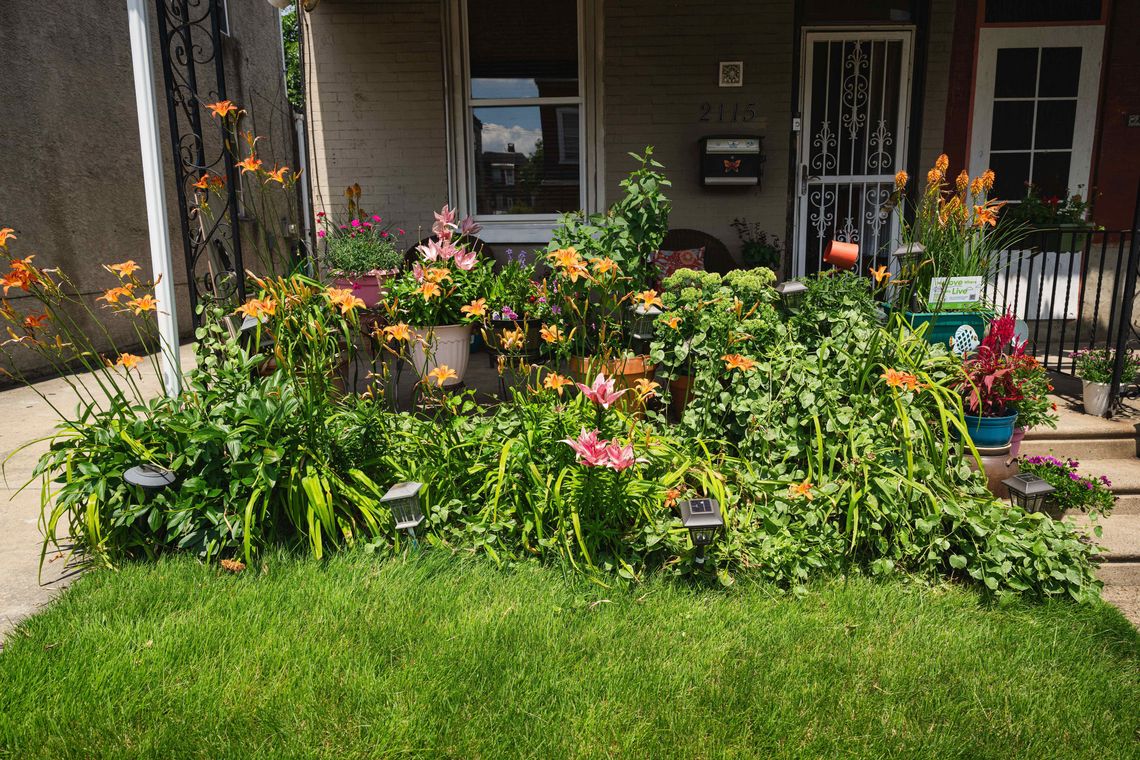
3. Find a Clear Focal Point in Your Garden Photos

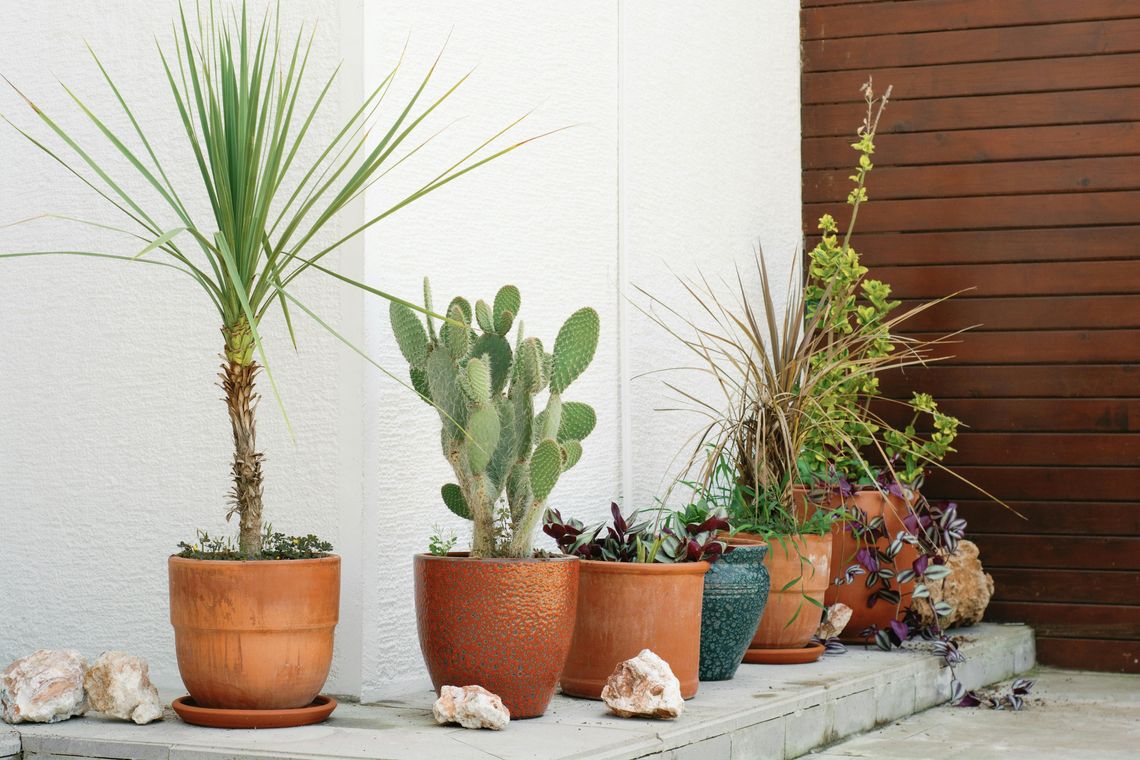
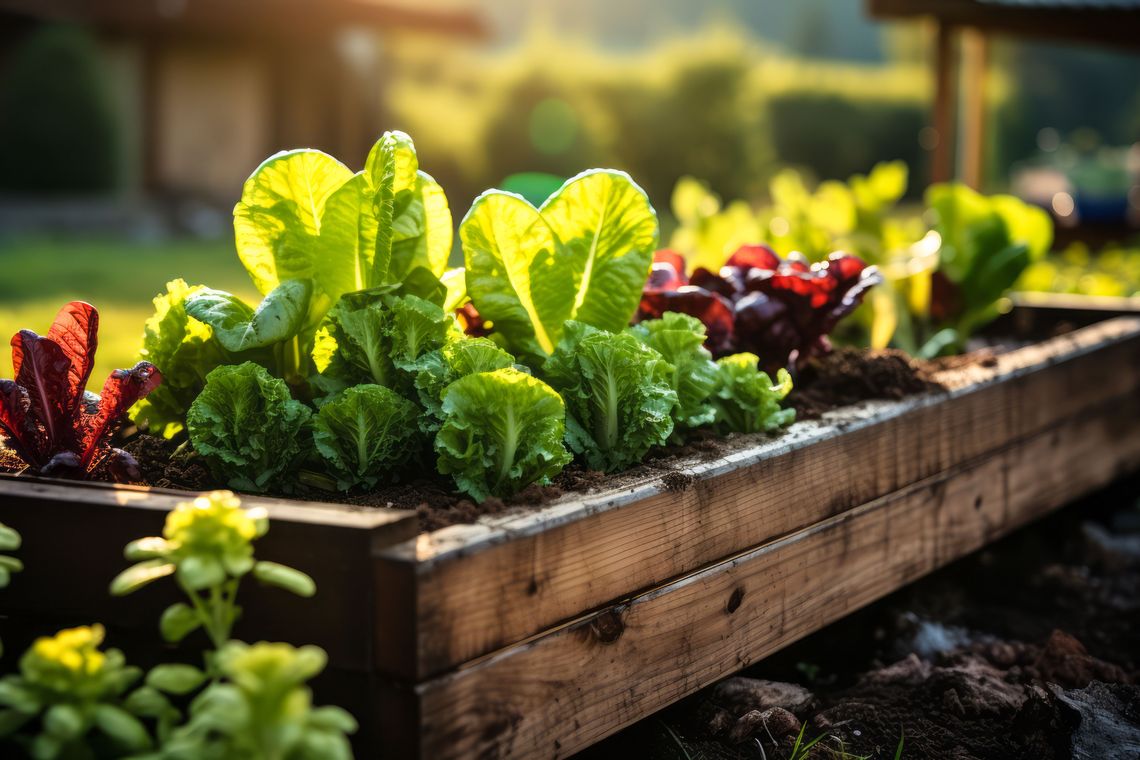
Strong photos start with a clear subject. Without one, the image can feel busy or unfocused. Morgan suggests thinking about the points of interest in your garden and choosing one to highlight. Good focal points might include: 

  • A standout flower or grouping  
  • A beautiful container or planter  
  • A productive vegetable bed  
  • A pathway, trellis, or design feature  

Once you identify your focal point, frame your shot so it naturally draws the viewer’s eye to it.

dsc9952
A clean, uncluttered background helps the beauty of a front garden stand out at its best. Photo credit: Morgan Horell
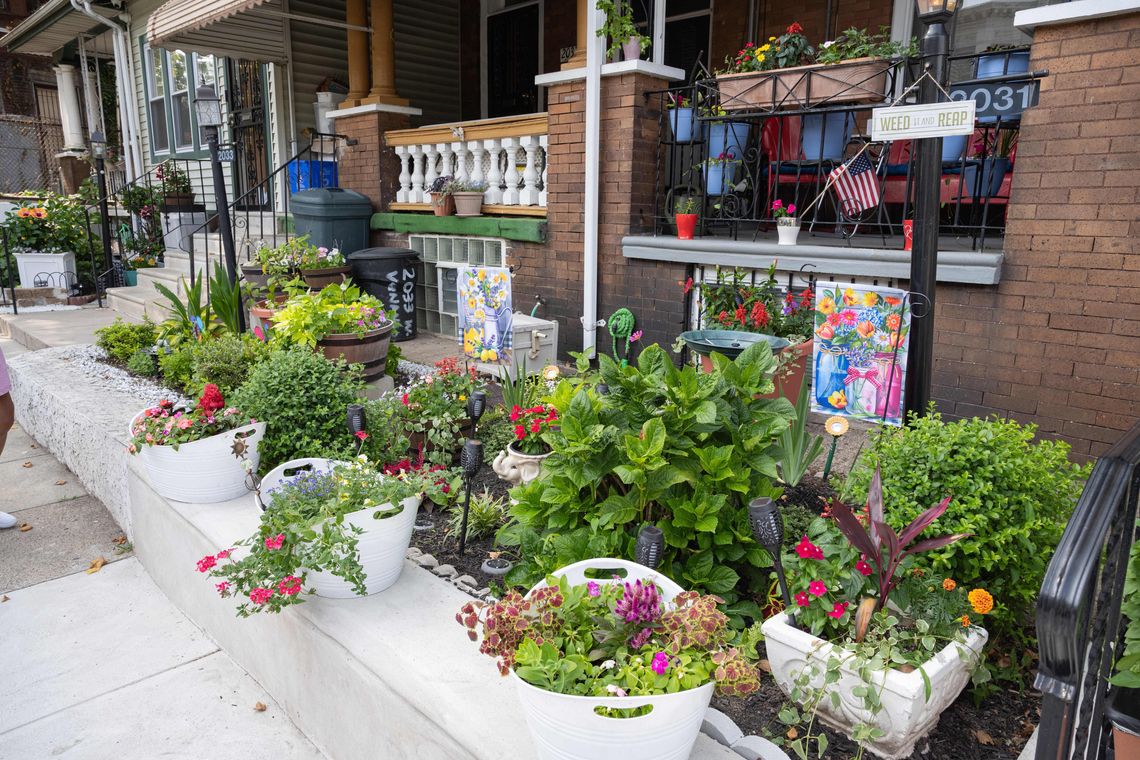
4. Watch Your Background in Garden Photography

Even a beautiful subject can lose impact if the background is cluttered. Taking a moment to check what is behind your focal point can make a big difference.  Rob advises gardeners to look for “distractions lurking in the background,” such as: 

  • Parked cars  
  • Garden hoses  
  • Tools or empty pots  
  • Play equipment or furniture  

If something feels distracting, try moving it, hiding it, or adjusting your angle to simplify the scene. 

eli 5254
A slightly elevated angle can reveal the full structure of your garden, offering a fresh perspective. Photo credit: Morgan Horell
5. Experiment with Angles for More Dynamic Garden Photos

Changing your perspective can completely transform a photo. Instead of taking every picture from eye level, explore your space from different viewpoints. Rob encourages photographers to move around once they find a promising angle, while Morgan suggests trying a mix of perspectives, such as: 

  • Getting lower to be on the same level as your container or plant bed
  • Stepping back to capture the full garden  
  • Photographing from above using a window or a step ladder  

Small shifts in position often lead to more dynamic and interesting images.

dsc9928
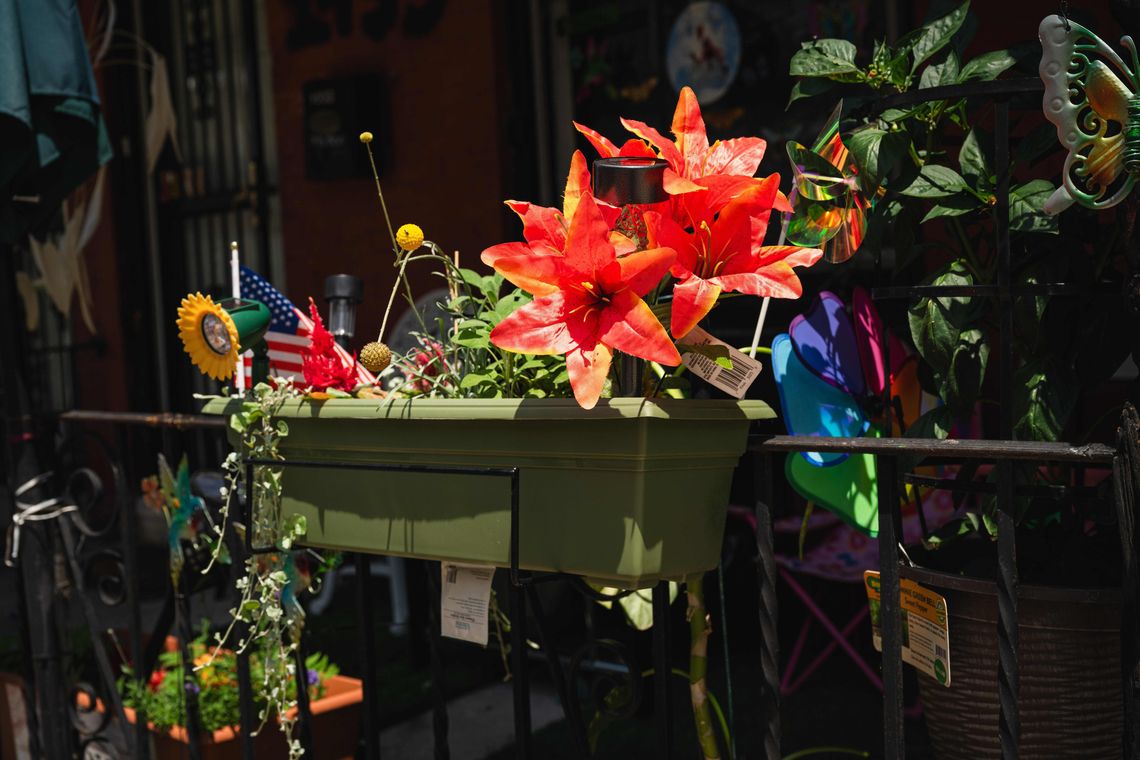
A hanging planter becomes a true focal point when you highlight what makes it unique. Photo credit: Morgan Horell
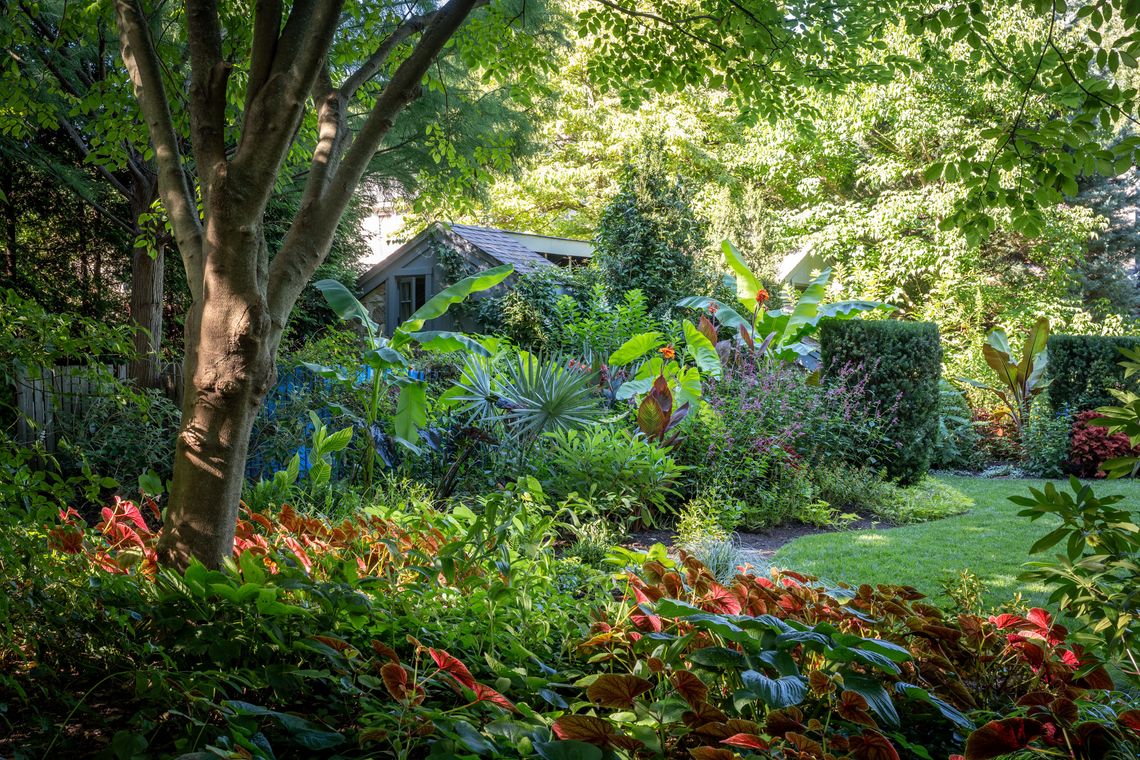
6. Highlight What Makes Your Garden Unique 

Every garden has something special, and your photos should reflect that. Think about what makes your space stand out and look for ways to emphasize it. Morgan notes that small adjustments can make a big difference, especially when highlighting details. Consider: 

  • Making sure vegetables are visible on the plant  
  • Moving leaves aside to reveal blooms  
  • Capturing pollinators like bees or butterflies  
  • Focusing on standout containers or arrangements  

For more advanced shots, using a faster shutter speed can help capture motion, especially when photographing pollinators in action. 

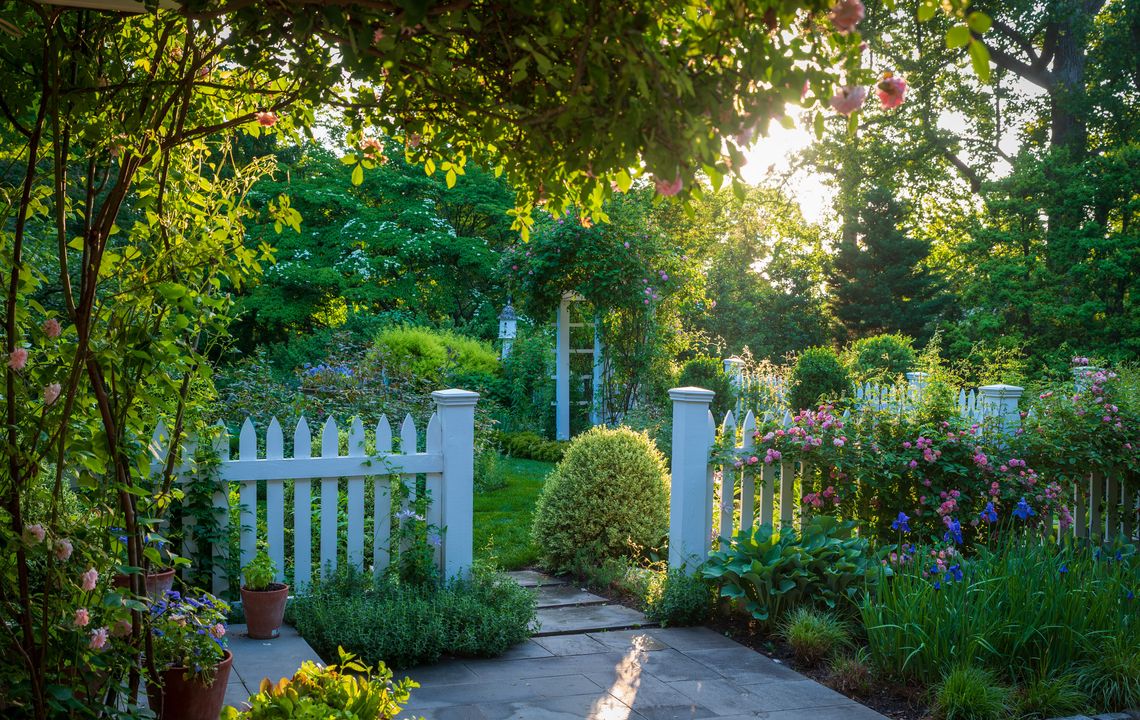
pretty 220813 0293
A steady hand and a few extra shots help keep your garden photos crisp, clear, and full of detail. Shown here: Andrew Bunting's garden. Photo credit: Rob Cardillo
7. Keep Your Camera Steady and in Focus 

A sharp image makes all the difference. Even the best composition can fall flat if the photo is blurry.  Rob recommends holding your camera steady and reviewing each shot to ensure it is in focus. A few simple habits can help increase your chances of capturing a crisp, clear image: 

  • Use both hands to stabilize your camera  
  • Brace against a surface if needed  
  • Take multiple shots of the same scene  
chatgpt image may 7 2026 11 33 05 am
Photo credit: Rob Cardillo

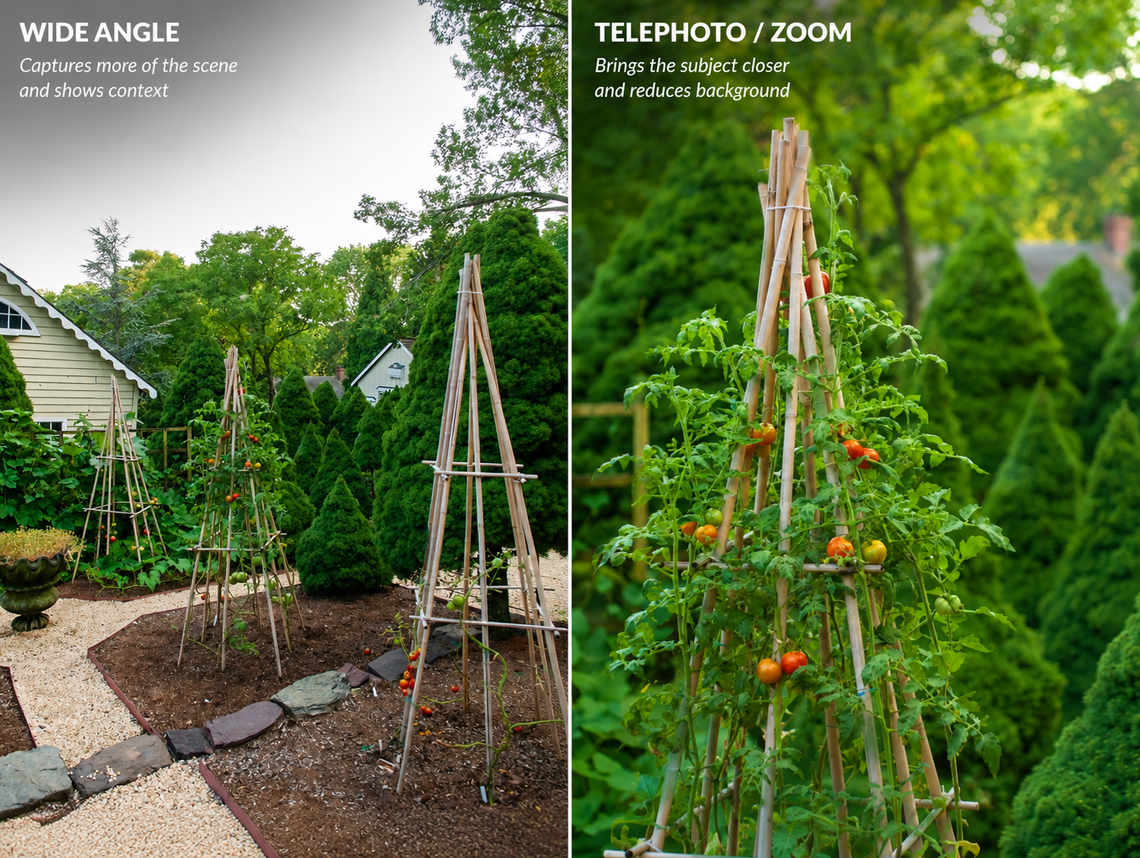
8. Try Different Camera Settings or Lenses for Garden Photography

Whether you are using a smartphone or a camera, experimenting with your settings can improve your results. Make sure to adjust your lens depending on the subject: 

  • Use a wide angle for full garden views  
  • Use zoom or telephoto for details  

Trying both approaches will give you more variety and flexibility when selecting your final images.

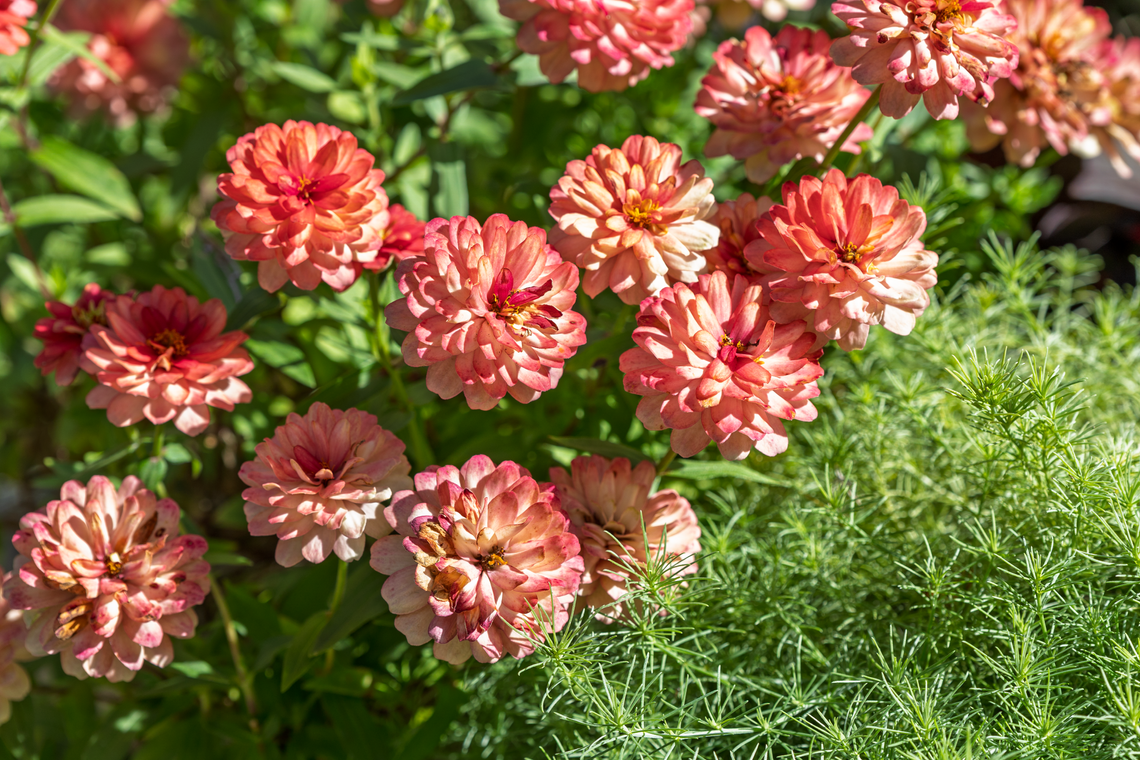
pretty 170519 6604
Take multiple shots—different angles, lighting, and details—so you can choose the strongest images that best showcase your garden. Shown here: Reggie and Frank Thomas's garden. Photo credit: Rob Cardillo
9. Take Multiple Garden Photos and Choose the Best 

When it comes to garden photography, having options is key. This is especially helpful for the PHS Citywide Garden Challenge, where you can submit up to six images. 

Make the most of that by capturing: 

  • Different angles of the same space  
  • A mix of lighting conditions  
  • Both wide shots and detailed photos  

Reviewing your photos afterward allows you to choose the strongest combination. 

How to Improve Your Garden Photography Skills Over Time 

Garden photography is a skill that improves with practice. The more you experiment with light, composition, and perspective, the more confident you will become. 

Start simple, take your time, and enjoy the process. The most compelling garden photos are the ones that reflect the care and creativity you have put into your space. 

Want to grow your gardening skills? Join a PHS Know to Grow webinar and learn practical tips, seasonal advice, and horticultural insights you can use at home.