leaf icon
leaf icon
leaf icon
calendar icon
Gardens To Visit
caret icon
Visit a PHS garden or landscape to help build stronger social connections with your community.
For Neighborhoods
caret icon
Explore programs that create healthy, livable environments and increase access to fresh food.
For Gardeners
caret icon
About Us
caret icon
Get to know our story, become a part of our staff, or see what is in the news with PHS.
The Flower Show

How to Make a Raised Garden Bed: A Beginner-Friendly DIY Guide

March 19, 2026

leaf icon gardening projects

leaf icon garden inspiration

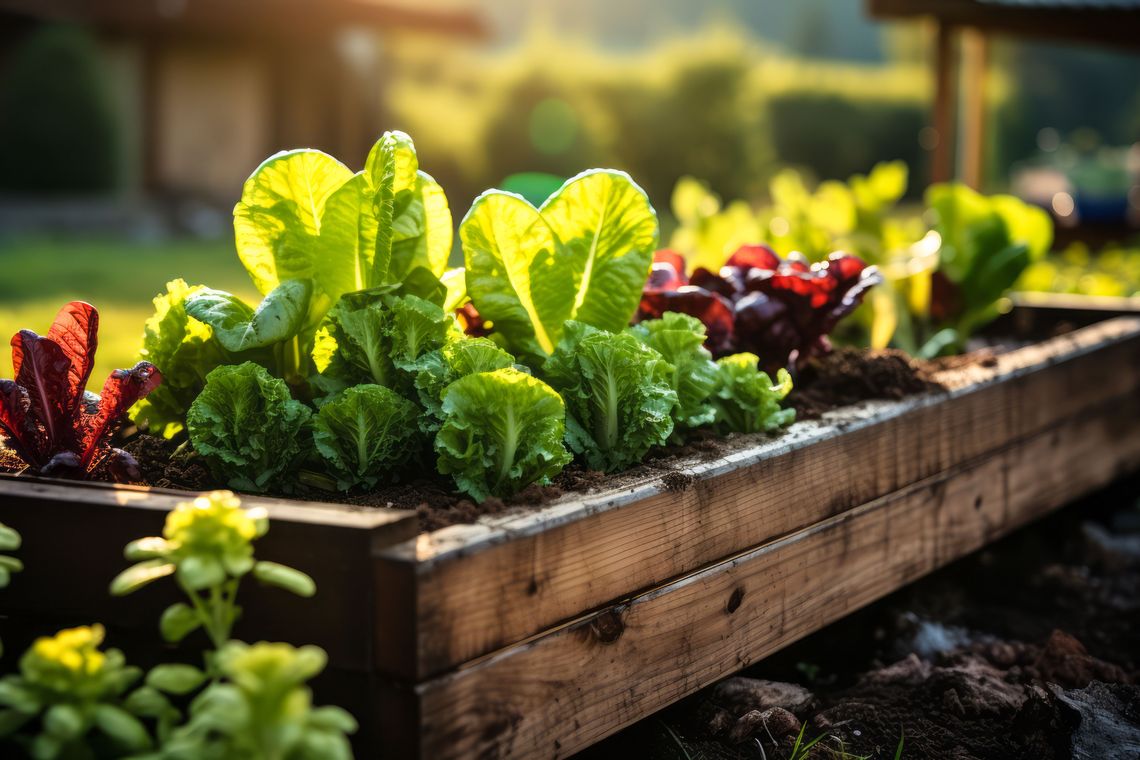
adobestock 687954068

Sally McCabe, Associate Director of Community Education at PHS

If you’ve spent any time gardening in the Philadelphia region, you know our soil can be a bit unpredictable. Gardeners frequently run into clay, bricks, car parts, cement, and maybe even a little “topsoil” brought in from nearby construction sites.  

Rather than renting excavation equipment and/or using dynamite to dig down, it’s generally easier to build up instead of digging down.  

That’s where raised garden beds come in. When your native soil is unpredictable or compromised, raised garden beds offer a practical, accessible way to create healthy growing conditions with no heavy machinery required. 

Today, we’re focusing on why you should make a wooden raised beds, because they’re quick to build and beginner-friendly. If you’re comfortable using a drill, you can complete this DIY project in just one afternoon. 

What Is a Raised Garden Bed? 

In its simplest form, a raised garden bed is a frame, usually made of wood, stone, or metal, that holds a mound of soil above the level of the surrounding ground.  

While in-ground gardening is traditional, raised beds will allow you to bypass poor soil entirely.  

Raised beds are ideal for growing: 

  • Vegetables 
  • Herbs  
  • Cut Flowers  

They also provide several benefits:  

  • Better soil drainage  
  • Warmer soil in spring  
  • Less soil compaction  
  • Easier access for planting and harvesting  

When they are built high enough, raised beds can really reduce strain on your back and knees, making gardening more comfortable and accessible.  

Join the PHS community and gain access to exclusive webinars, gardening tips from experts, and resources to help your garden thrive.

phs bensalem 176
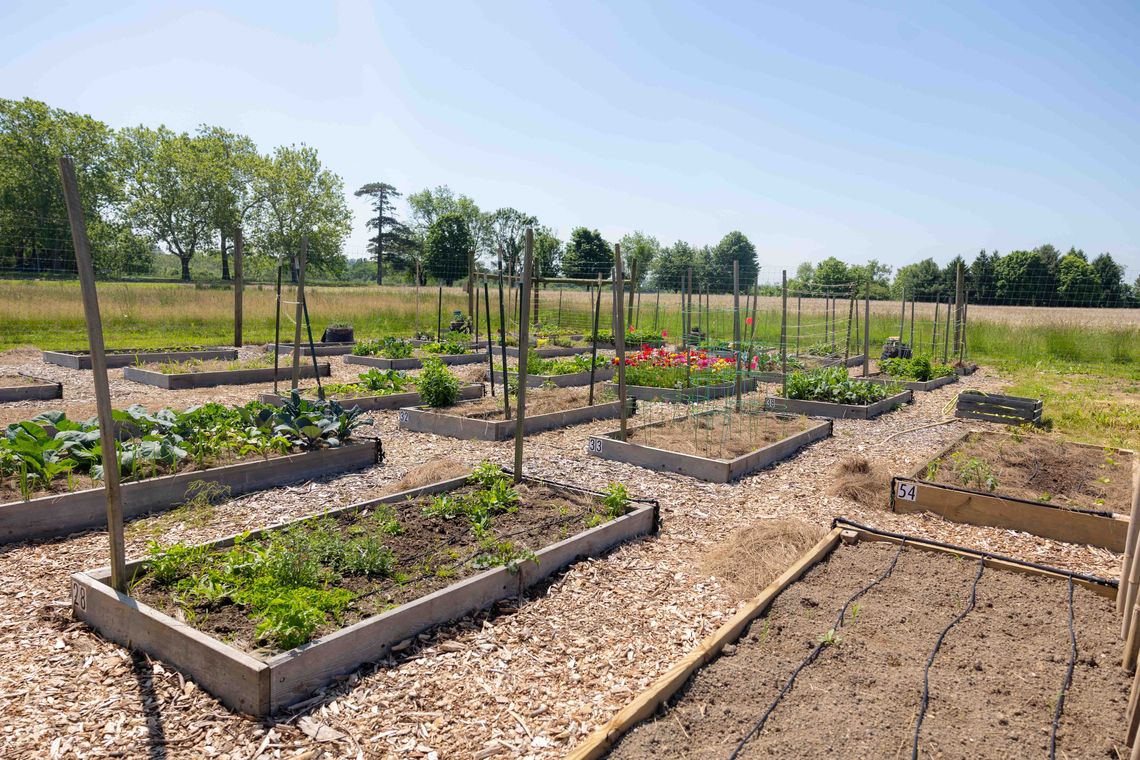
Selecting a sunny location near a water source helps plants in raised beds grow stronger and healthier.

Choosing the Right Location for Your Raised Bed 

Just like an in-ground garden, the location of your garden bed matters.  

Choose a spot that: 

  • Receives 6+ hours of direct sunlight  
  • Has relatively level ground  
  • Is close to a water source

Having water nearby saves you from dragging a heavy hose across the yard.  

What Size Should a Raised Garden Bed Be? 

The golden rule of raised bed dimensions is reachability. Remember:  NEVER, NEVER, NEVER STEP IN THE BED. Walking on the soil compacts it and damages plant roots.  

Width 

Keep the width between 3-4 feet. You want to be able to reach the middle from either side without ever stepping into the bed.   

Length 

Length depends on your available space, but 4-8 feet is standard for stability. Beds longer than 8-10 feet can be inconvenient to walk around.  

Standard Size 

A 4’ x 8’ raised garden bed is the most popular size. Not because it’s magical, but because most cars can transport 8-foot boards from the hardware store.  

Height 

Height depends on what you plan to grow and what’s beneath the bed.  

  • 12 inches if building over concrete or poor urban soil 
  • 8-10 inches if building on decent lawn or garden soil 

When deciding on the height of your sideboards, think about what you want to grow. Think about root crops like carrots — your bed needs enough depth to support healthy root growth. 

Accessibility Tip: Build a Higher Bed 

If you have mobility issues or simply want to save your knees, consider building taller raised beds. Beds 24–30 inches high create a comfortable, table-height gardening experience. To save on soil costs, fill the bottom half with: 

  • Logs 
  • Sticks 
  • Brush 
  • Other non-toxic organic materials 

Then add 10–12 inches of high-quality soil and compost on top for planting. 

may 2024 norristown farm park credit morgan horell 53
A few simple tools and lumber are all you need to build a beginner-friendly DIY raised garden bed.

Materials You’ll Need to Make a DIY Wooden Raised Bed: 

To build a standard 4’ x 8’ x 12” bed, you will need: 

  • Two 2" x 12" x 8' boards (for the long sides) 
  • One 2" x 12" x8' board (cut in half for the ends) 
  • One 4" x4" x4' post (cut into 12" corner stakes) 
  • 3-inch exterior-grade wood screws 
  • A drill/driver 
  • Hardware cloth, cardboard, or landscape fabric (for the bottom) 
  • This setup is fast and beginner-friendly, even if it's not the only way to build a raised bed.  

How to Make a Wooden Raised Garden Bed: Step-by-Step 


Step 1: Prep the Site 

Clear any tall weeds or large rocks. You don't need to remove the grass, but it helps to scalp it short. 

Step 2: Assemble the Frame 

On a flat surface:  

  • Butt the end boards against the side boards to form a rectangle. 
  • Use your 4x4 corner posts for stability. 
  • Secure everything with exterior screws.  

Step 3: Level and Position the Bed 

Move the frame into place. Check to see if it's level and adjust by removing a little soil beneath the higher side if needed.  

Step 4: Install a Weed Barrier 

Line the bottom with hardware cloth to block burrowing pests. You can also add cardboard to smother the grass underneath.  

phs communitygardens cassidy 9
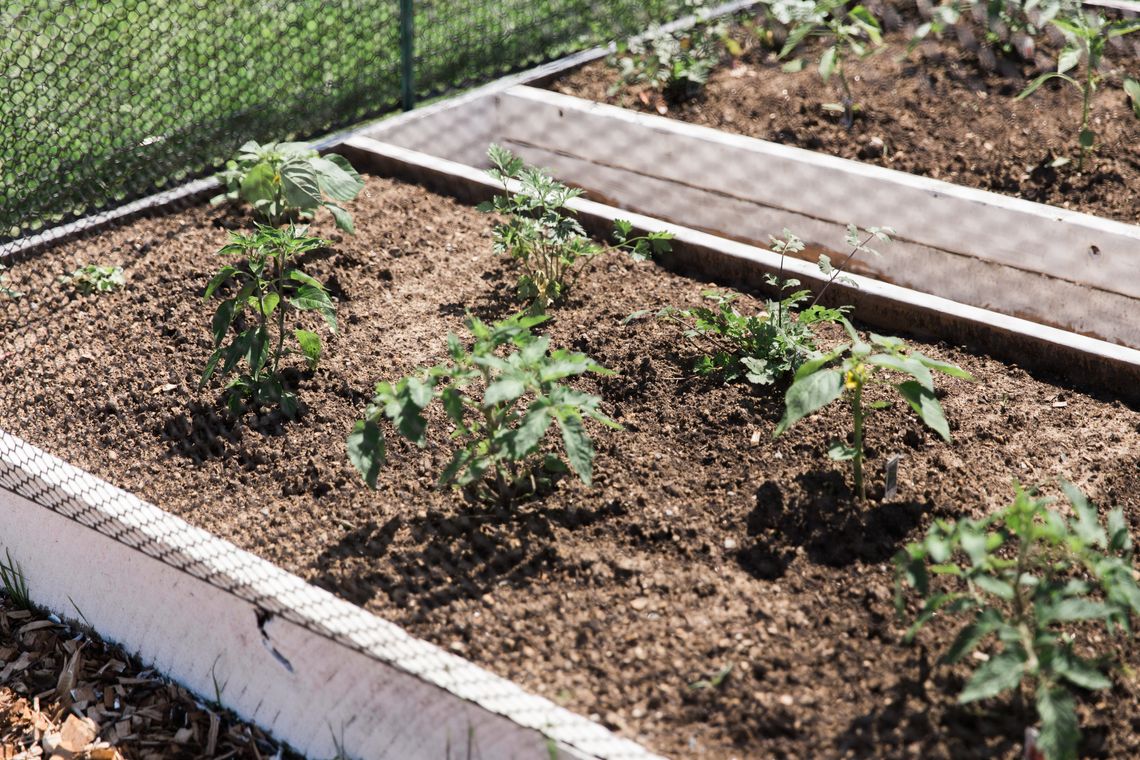
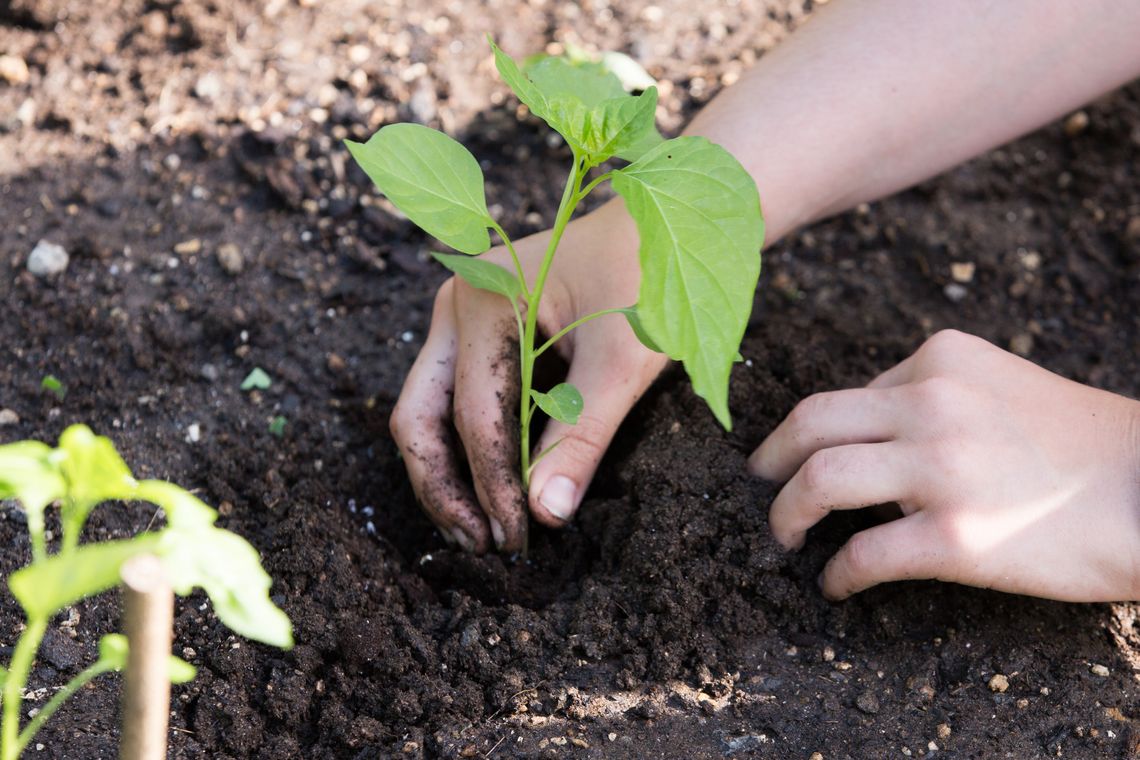
A high-quality raised bed soil mix combines compost and topsoil to create the nutrients and structure plants need to thrive.

What Soil Is Best for Raised Garden Beds? 

One of the biggest advantages of raised beds is having complete control over your soil mix. Avoid filling the bed with dirt from your yard. The secret sauce is to use a raised-bed soil mix. In the Philadelphia region, we recommend: 70% compost + 30% topsoil 

Why this works: 

  • Topsoil provides minerals and structure  
  • Compost supplies nutrients and beneficial biology 

Together, they do a good job supporting our crops. Over time, the compost will break down and feed your plants. Each season, simply add more compost to maintain soil depth and fertility. Remember, you went to all this trouble so you could have control over the soil. Do not just fill your bed with dirt from your yard! 

How Long Does a Wooden Raised Garden Bed Last? 

The lifespan depends on the type of wood being used.  

  • Untreated cedar or black locust can last 10 -15 years  
  • Heat-treated pine can last 5 -7 year 

To extend the life of your raised bed, avoid using pressure-treated wood from decades ago, which often contained arsenic. Modern ACQ-treated wood is generally considered safer, but many organic gardeners still prefer naturally rot-resistant woods. 

Cedar can be expensive, though. I’ve been experimenting with a layer of pressure-treated 2x4s along the ground, pressure-treated 4x4s for the corners, and building the rest of the bed with 2x10s made from heat-treated pine. Since most rot happens at the corners and along the soil line, reinforcing those areas has helped extend the life of my beds by at least two additional years. 

phs bensalem 7
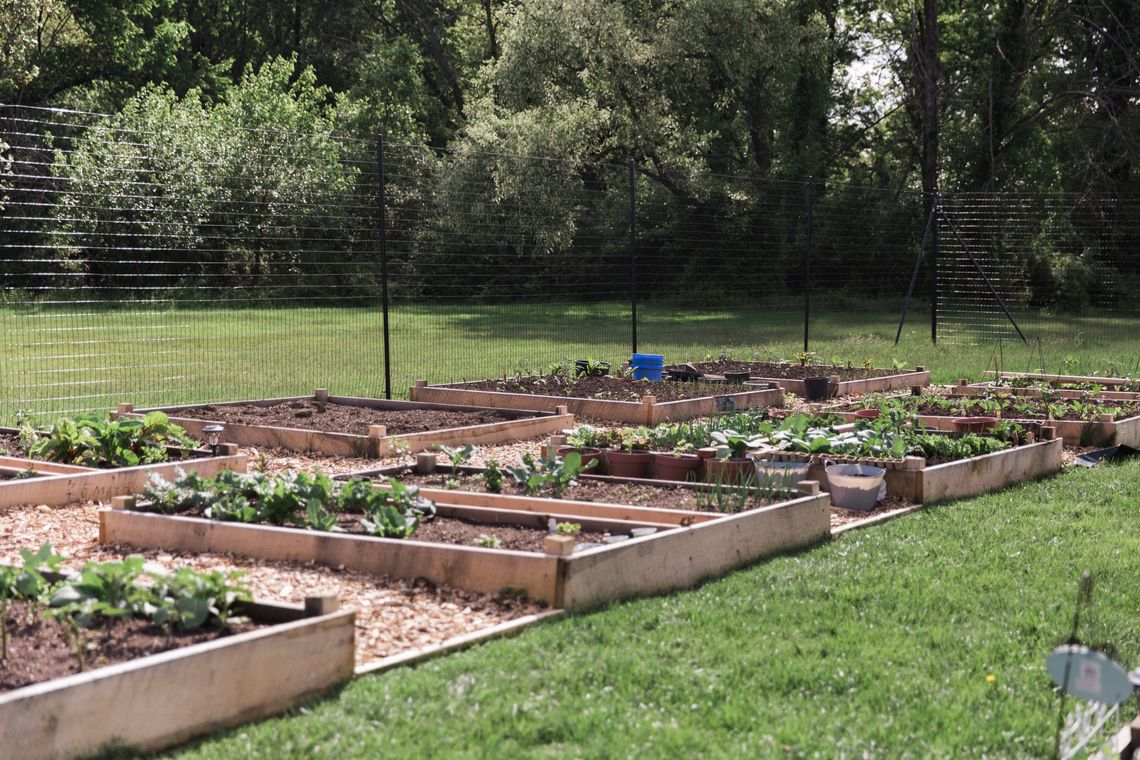
Raised garden beds create healthier soil and make growing vegetables, herbs, and flowers easier for gardeners of all experience levels.

Is Building a Raised Garden Bed Worth It? 

Absolutely. While the initial setup takes a bit of sweat and a small investment in materials, the benefits last for years: 

  • Easier maintenance  
  • Healthier soil 
  • Better crop yields 
  • More comfortable gardening  

At PHS, our mission is to grow confident, successful gardeners, and there is no better way to start your journey than with a bed you built yourself. 

Happy building. See you in the garden! 

Looking for more tips to grow your garden? Explore the PHS Outdoor Gardening Guide for expert advice on planting, soil, watering, and maintaining a thriving garden all season long.