seasonal tips
plant care
By Sally McCabe, Associate Director of Community Education at PHS
After a long winter spent in the dry, dimly lit confines of our homes, houseplants are more than ready for a change of scenery. In Zone 7, once the threat of frost has safely passed (usually around Mother’s Day), it’s time to start thinking about when to put houseplants outside.
This seasonal move is like “summer camp” for plants. Once they head outdoors, they often explode with new growth thanks to the Mid-Atlantic's humidity, brighter light, and natural air circulation. But the key thing to consider is not just moving plants outside, but how to do it without shocking them.
In the Mid-Atlantic region (Zone 7), the general rule is:
Coleus is my personal “indicator plant.” It tells me everything I need to know: too cold, too hot, too dry, or too buggy, and it reacts immediately. Dramatic, yes. Also, very useful.
Deepen your plant knowledge. Sign up for monthly Know to Grow webinars for more gardening tips!
Start preparing about a month before your target date for moving plants outside. A little prep now makes a big difference later.
Before you put plants outside, take a moment to prep the space they’re moving into.
As you get closer to the final move for your plants, don't just throw them onto a sunny porch. The most common mistake is moving a plant directly from a dark corner to a sunny porch. Increase sun exposure gradually. Even sun-lovers need to be hardened off in deep shade for at least a week.
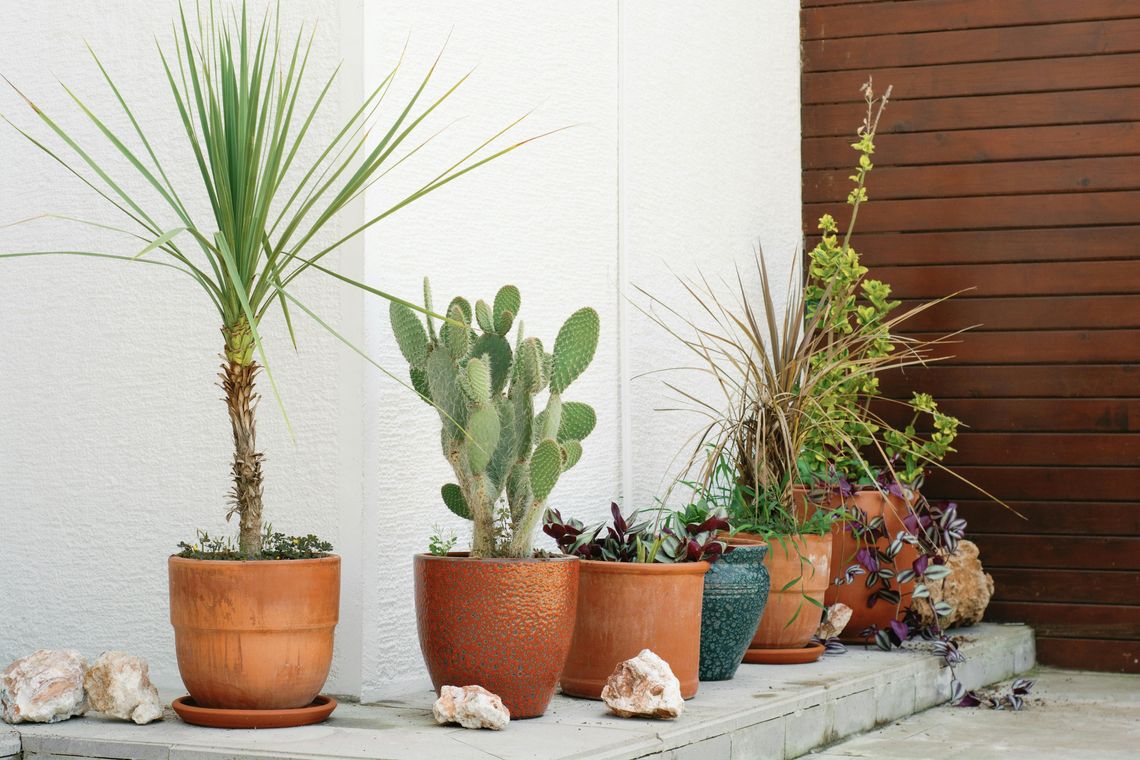
Certain plant species have specific needs when it comes to how much sun they can tolerate when they are moved outdoors. Make sure to take a look at the list below!
Once your houseplants are officially moved outside:
Outdoor conditions change quickly; sun, wind, and heat all increase plant demand dramatically.
Moving houseplants outside is one of the best things you can do for them if you time it right and transition them gently. The real answer to when to put houseplants outside isn’t just “after Mother’s Day.” Make sure that it's:
Done well, your plants return indoors in the fall stronger, fuller, and noticeably happier for their time at summer camp.
Just keep an eye on the forecast because in this region, a surprise cold snap is always part of the curriculum.