seasonal tips
plant care
garden inspiration
By Andrew Bunting, PHS VP of Horticulture
As autumn comes to a close and the last leaves fall from the trees, we turn our attention to the approaching winter months. In many parts of the country, temperatures will drop below freezing, and ornamental interest in the garden often declines. Fortunately, there are many winter flowering plants that can add brightness and structure even in the coldest months. These winter flowers can transform a dormant landscape into a garden full of unexpected colors.
Winter flowering plants are those that reach their peak flowering from mid-December through mid-March. When combined with evergreen foliage, striking winter stems, and trees with vivid bark, these flowers that grow in the winter bring a distinctive charm to the season. In Mid-Atlantic gardens (USDA Zones 5–7), there are many choices of winter flowering trees, shrubs, perennials, and bulbs.
Below is a list of the best flowering options to help guide your winter garden!
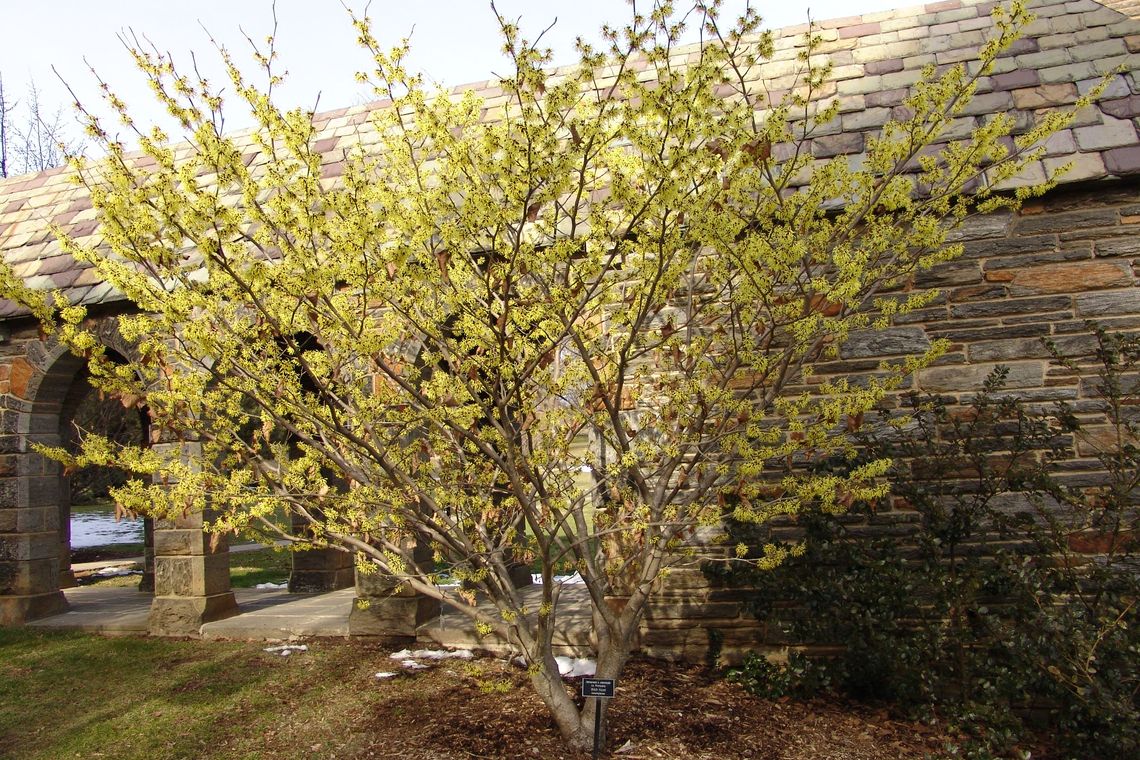
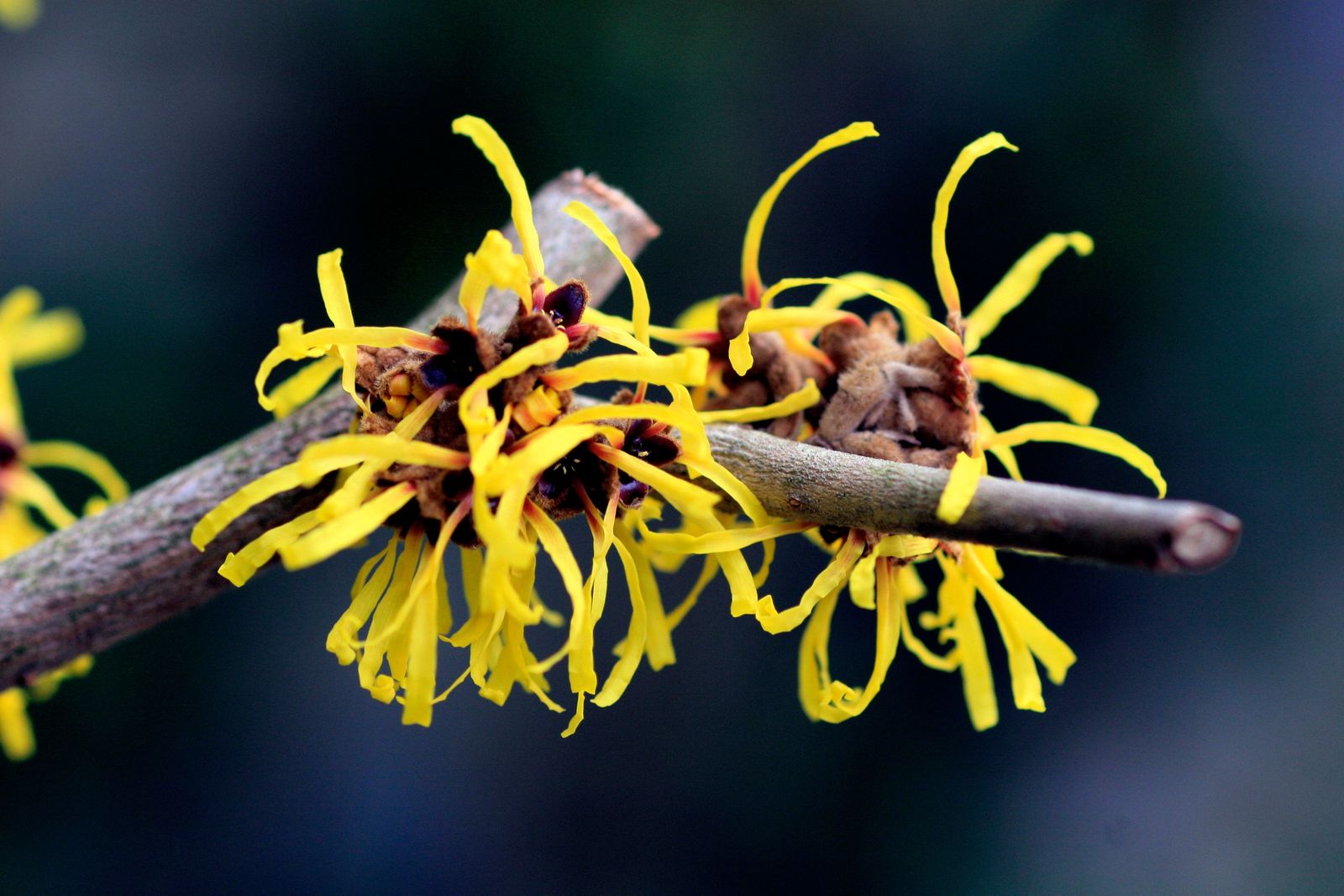
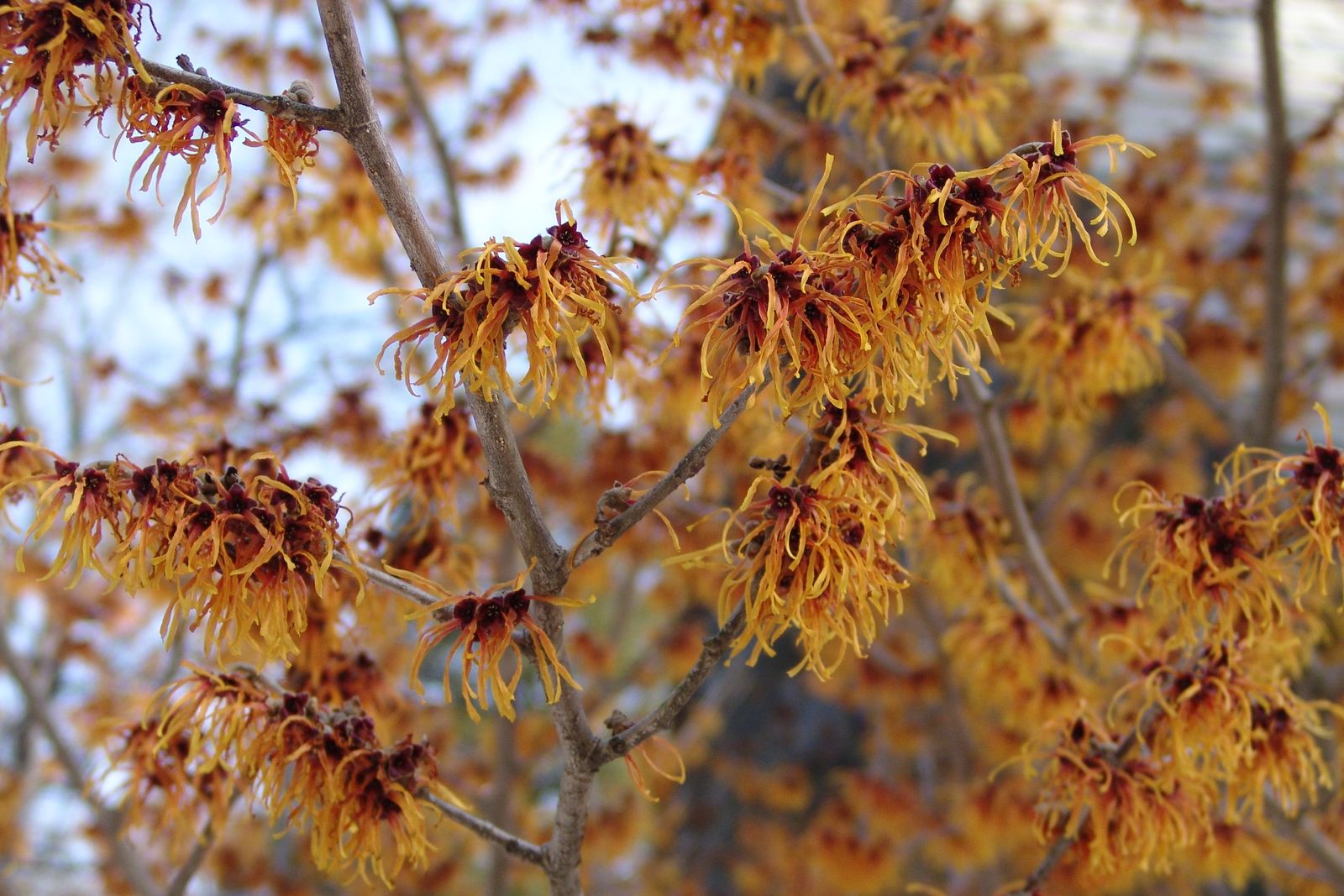
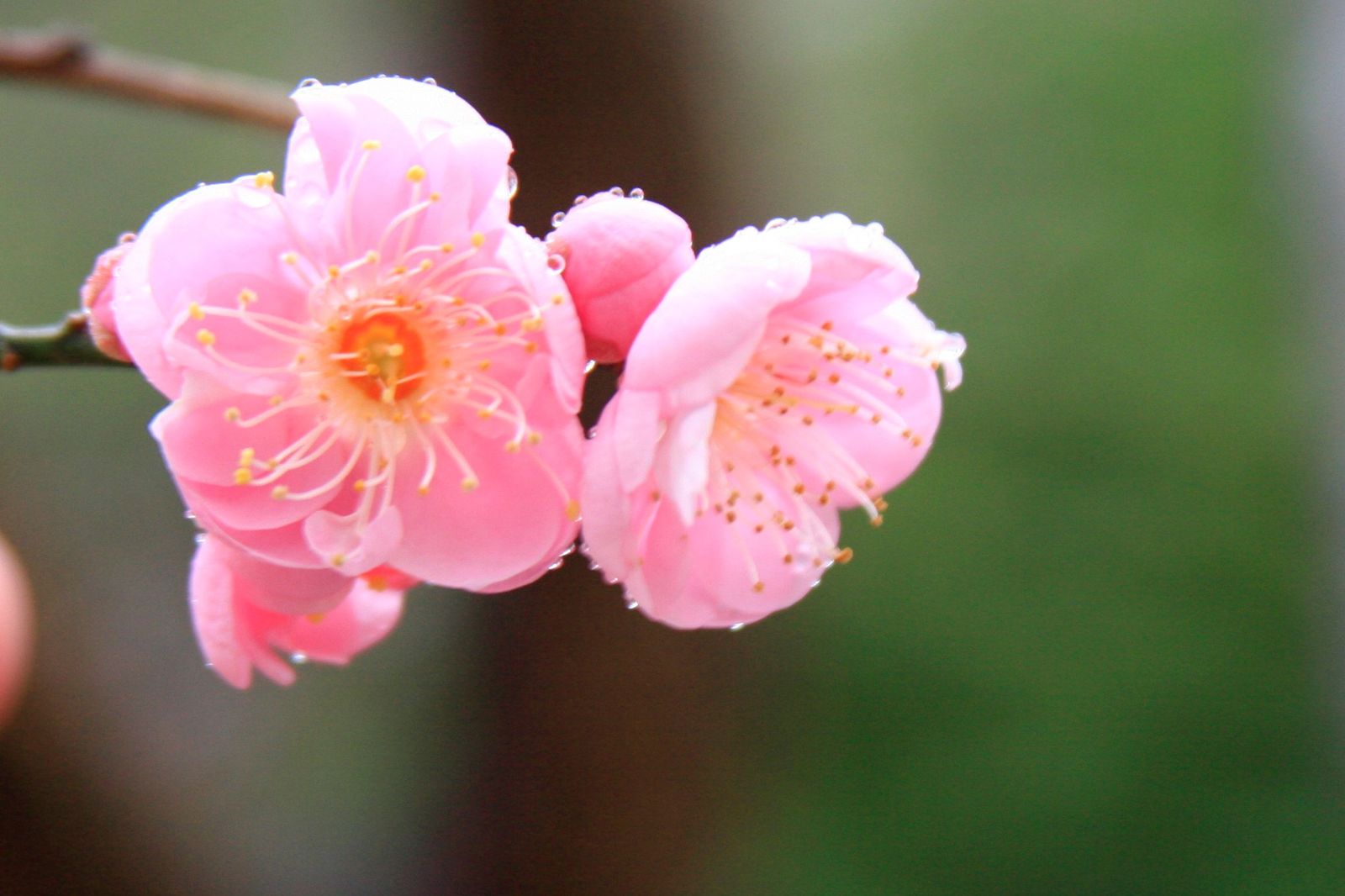
Winter flowering trees are often the first to announce the season’s quiet magic. Their blooms can appear on bare branches, standing out against the gray landscape.
At-a-Glance
Key Features
Notable Cultivars
‘Early Bright’ – Blooms as early as 2nd week of January
Uses / Tips
At-a-Glance
Fragrance: Variable but often strong
Key Features
Notable Cultivars
Uses / Tips
‘Jelena’ is generally more deer-resistant
At-a-Glance
Key Features
Notable Cultivars
‘Bonita’ – Rose-red
Uses / Tips
Dig deeper into gardening—register for a Know to Grow webinar or join PHS for free access!
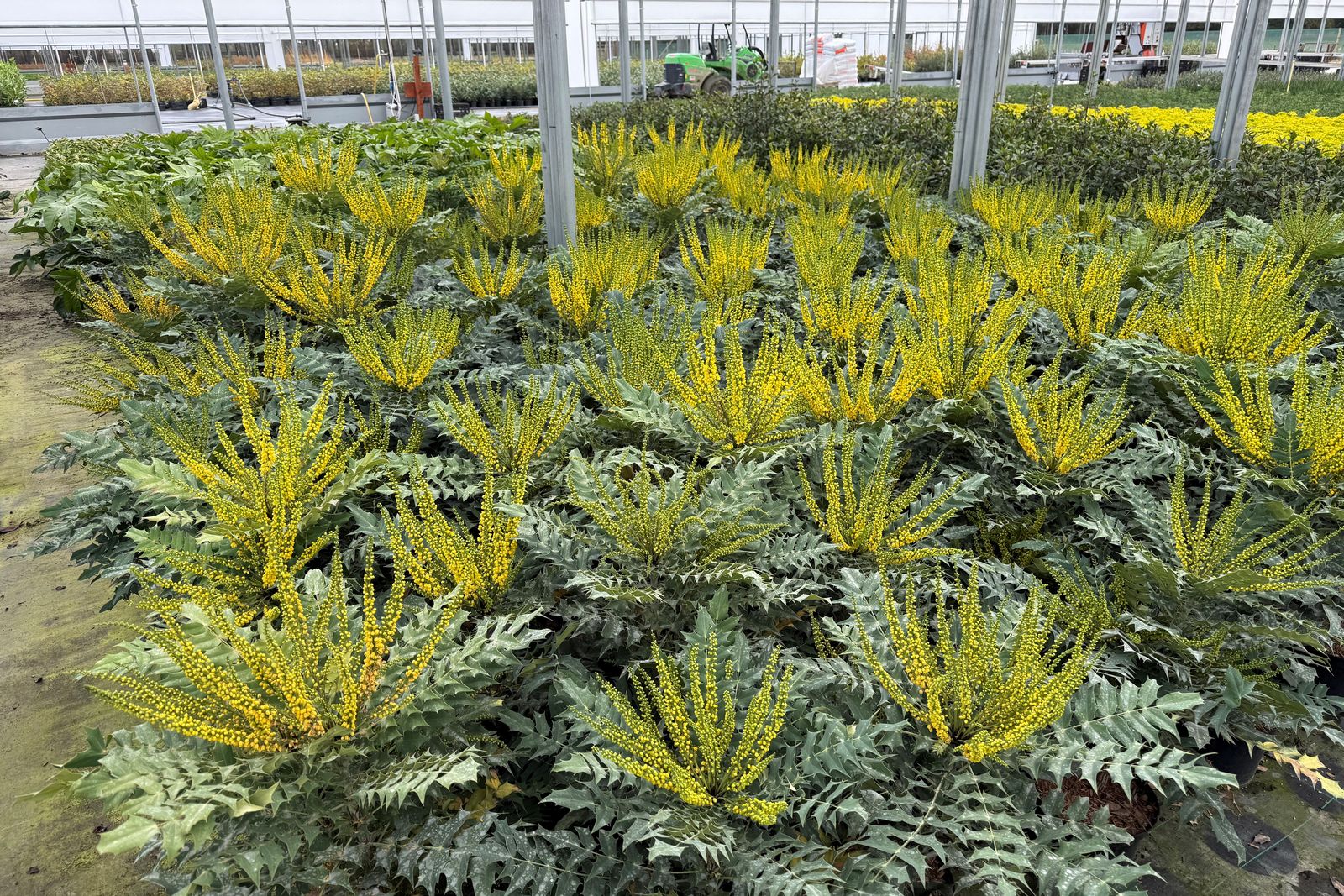
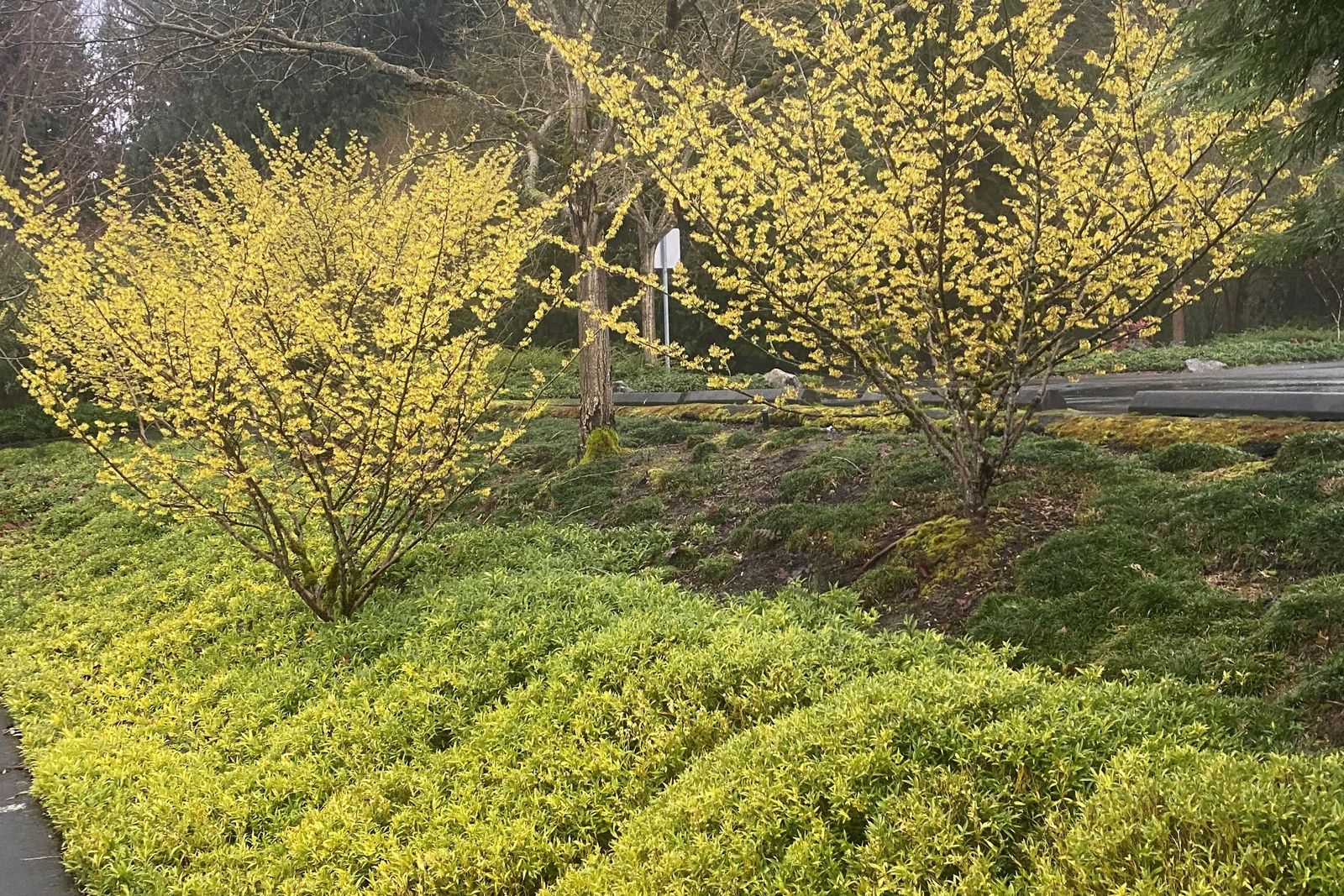
Shrubs are the backbone of the winter garden, providing structure, color, and interest when much of the landscape is still dormant. Many winter-flowering shrubs produce fragrant blooms just when the garden needs a lift, brightening even the coldest days. With bold foliage, architectural form, and reliable late-winter flowers, these plants are standout performers that keep the winter garden vibrant and full of life.
At-a-Glance
Key Features
Excellent architectural winter structure
Notable Cultivars
Beijing Beauty™ – Compact, massing type
Uses / Tips
Compact types are ideal for grouping and layering
At-a-Glance
Key Features
Notable Cultivars
Uses / Tips
Deer resistant
At-a-Glance
Fragrance: Sweet
Key Features
Notable Cultivars
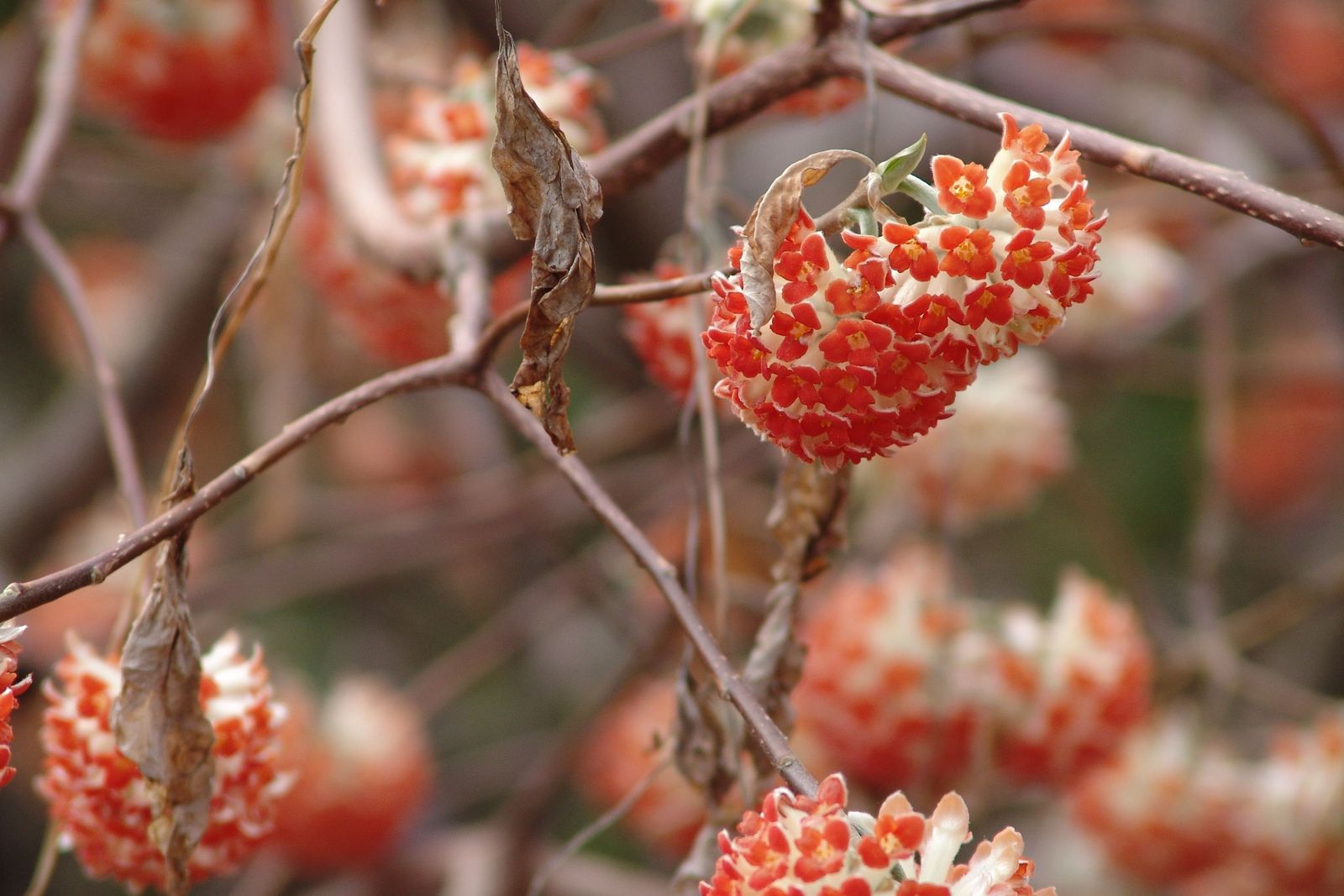
‘Akebono’ (syn. ‘Red Dragon’) – Orange-red; smaller, less vigorous
Uses / Tips
Excellent specimen shrub for four-season interest
At-a-Glance
Height: Tall, upright shrub
Key Features
Strong fragrance indoors
Notable Cultivars
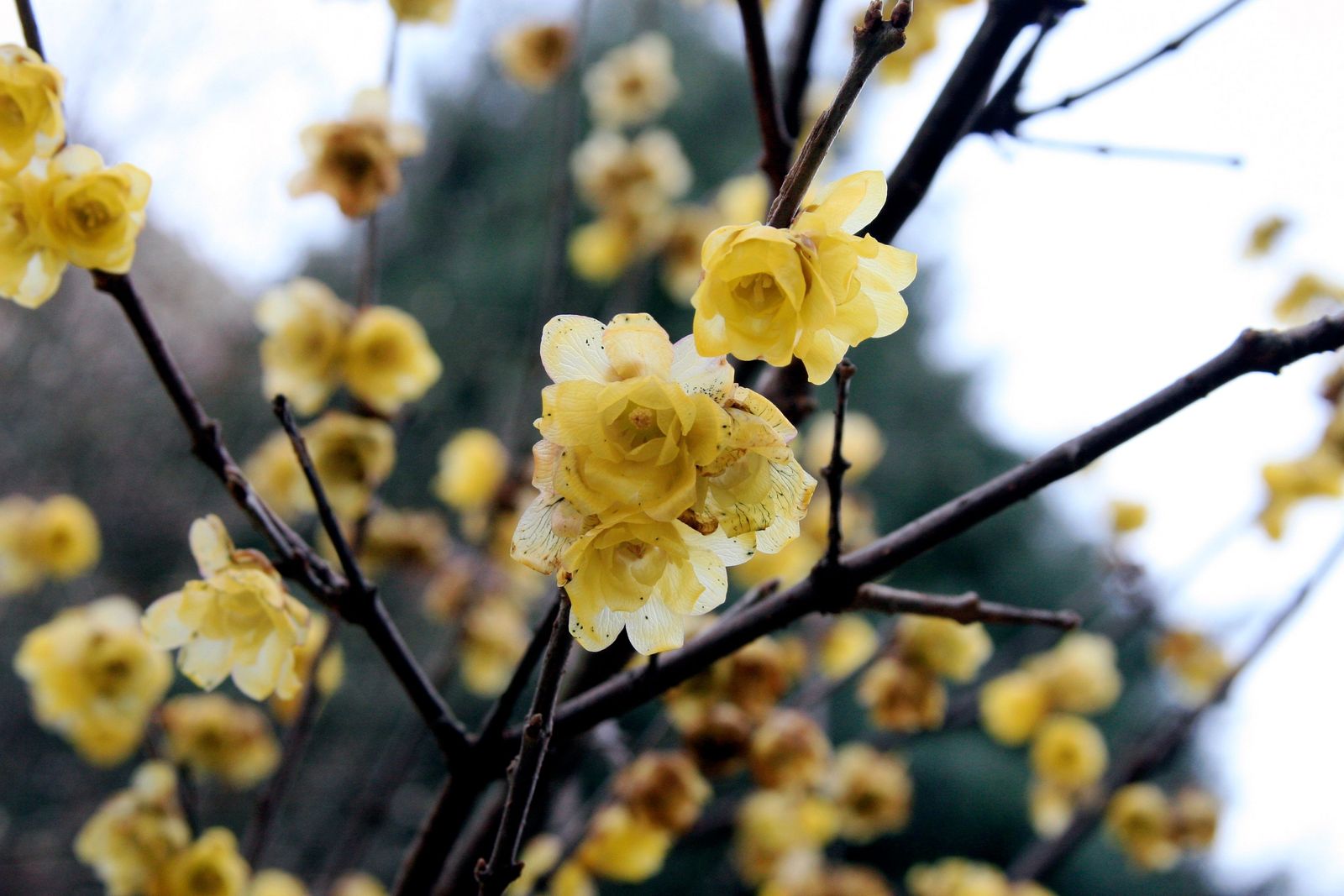
‘Luteus’ – Bright golden flowers
Uses / Tips
Great for winter cutting; even small branches scent rooms
At-a-Glance
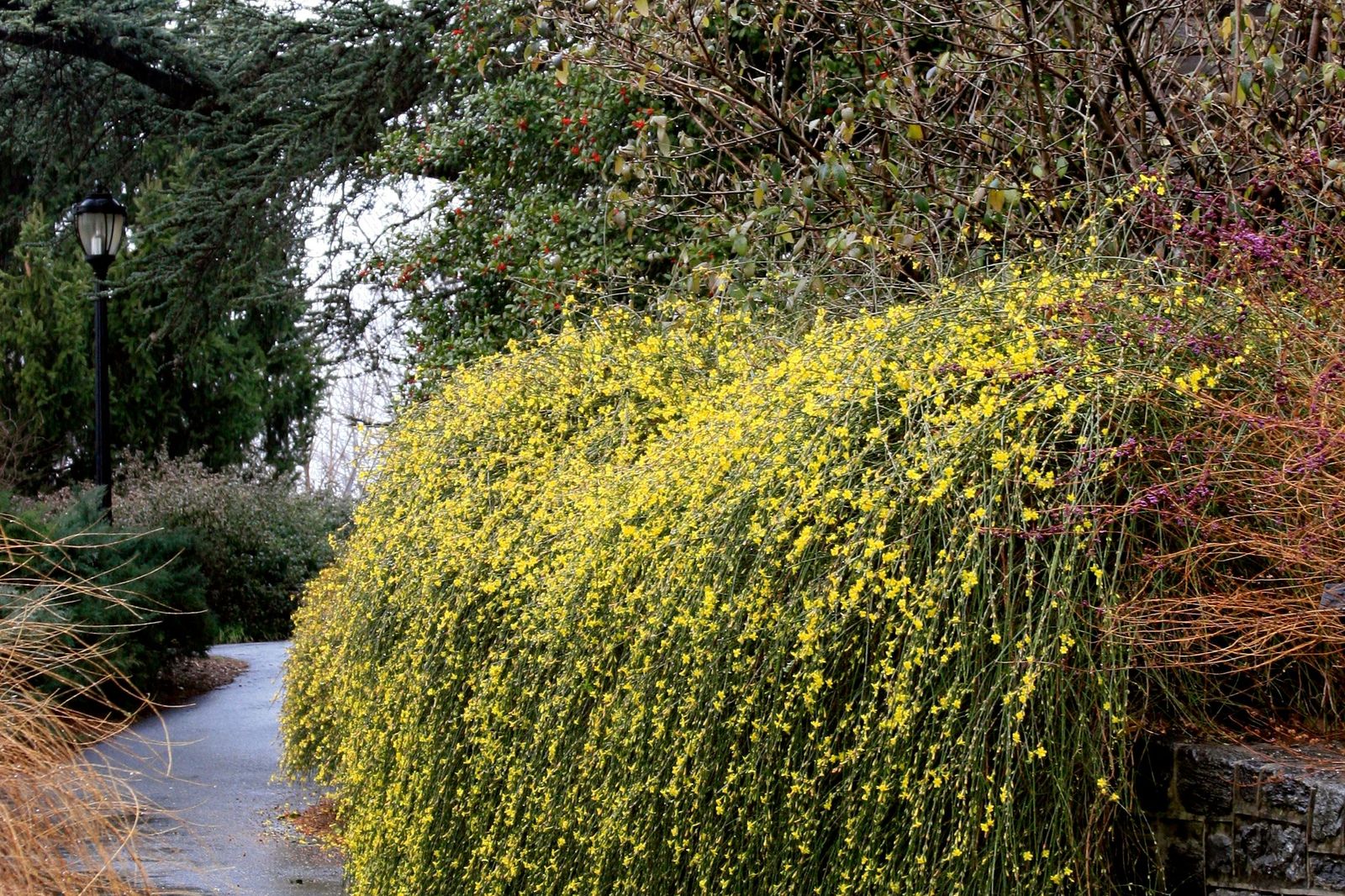
Habit: Scrambling, cascading shrub
Key Features
Yellow tubular flowers appear during warm spells
Uses / Tips
Best atop a wall or terrace for cascading effect
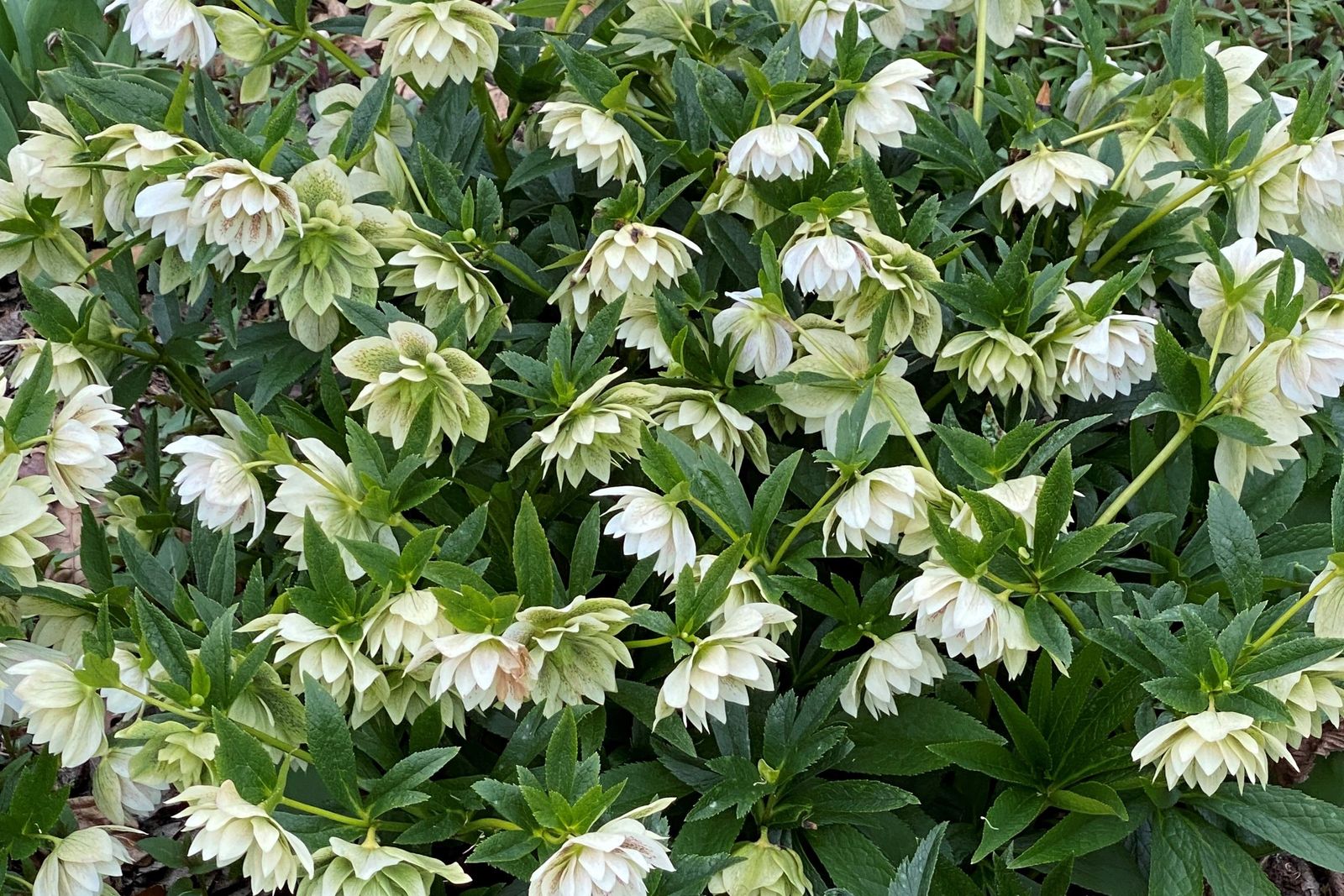
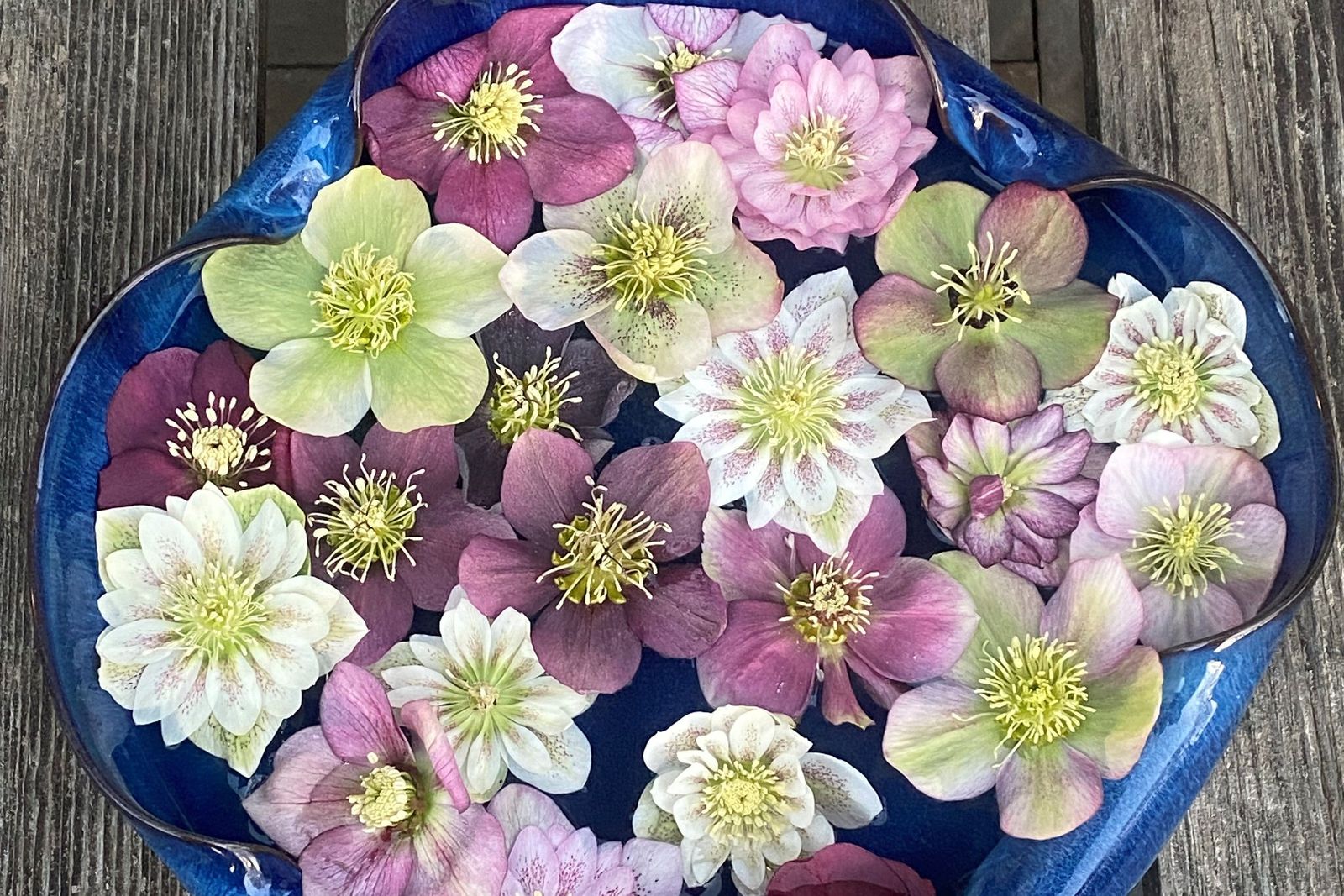
Hellebores are indispensable in winter gardens. They bloom for weeks, thrive in dry shade, and offer extraordinary diversity of color and form. There are dozens of species and hundreds of cultivars. Breeding efforts since the 1990s in Germany and the U.S. led to an explosion of new forms. Below is a list of notable cultivars for gardens.
General Care
At-a-Glance
Key Features
Colors: Pink, rose, purple, near-black, white, yellow; spotted and double forms
Notable Cultivars / Strains
Brandywine™ – Mixed colors including doubles, anemone forms, picotee edges
Uses / Tips
Deer resistant
At-a-Glance
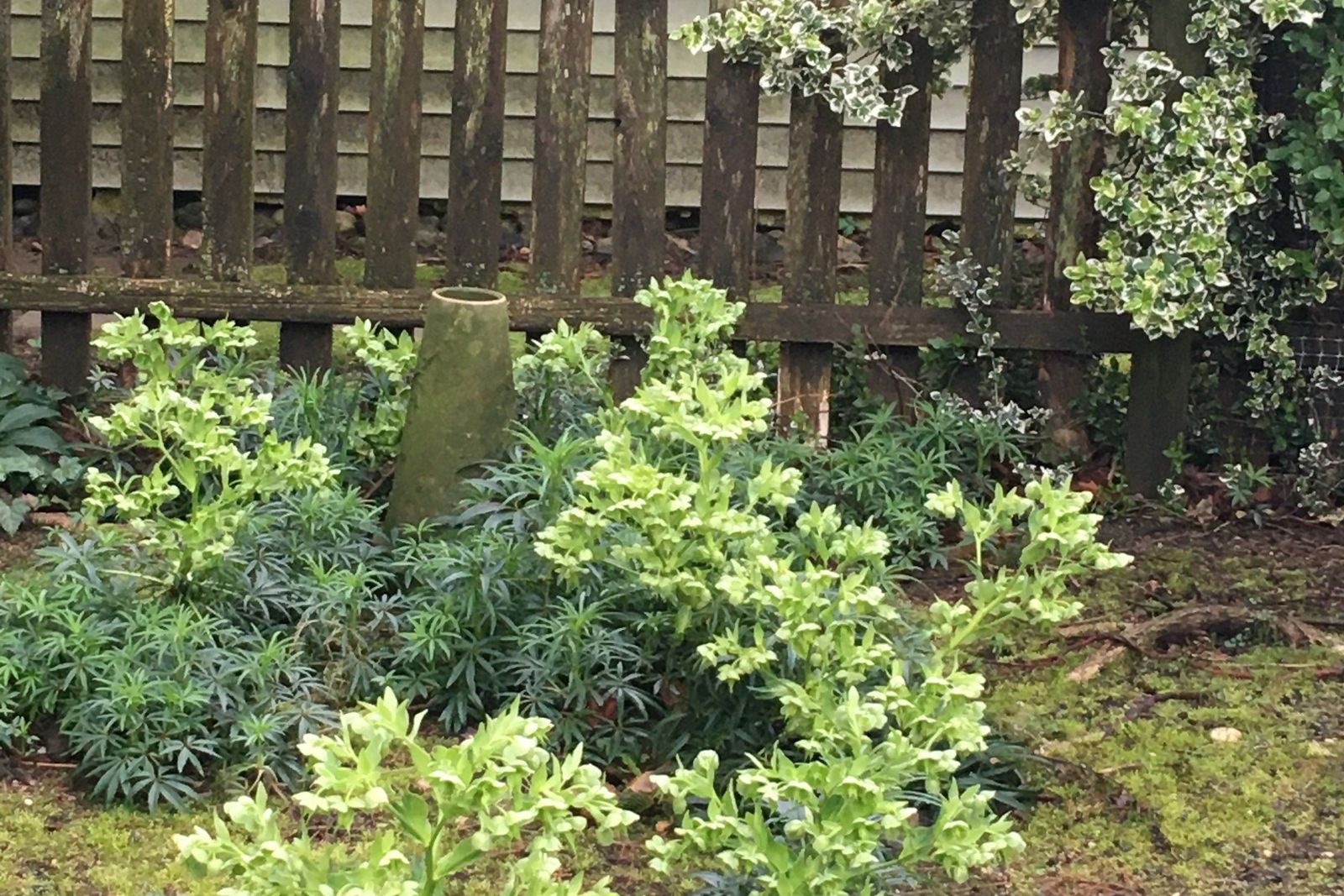
Foliage: Coarse evergreen
Key Features
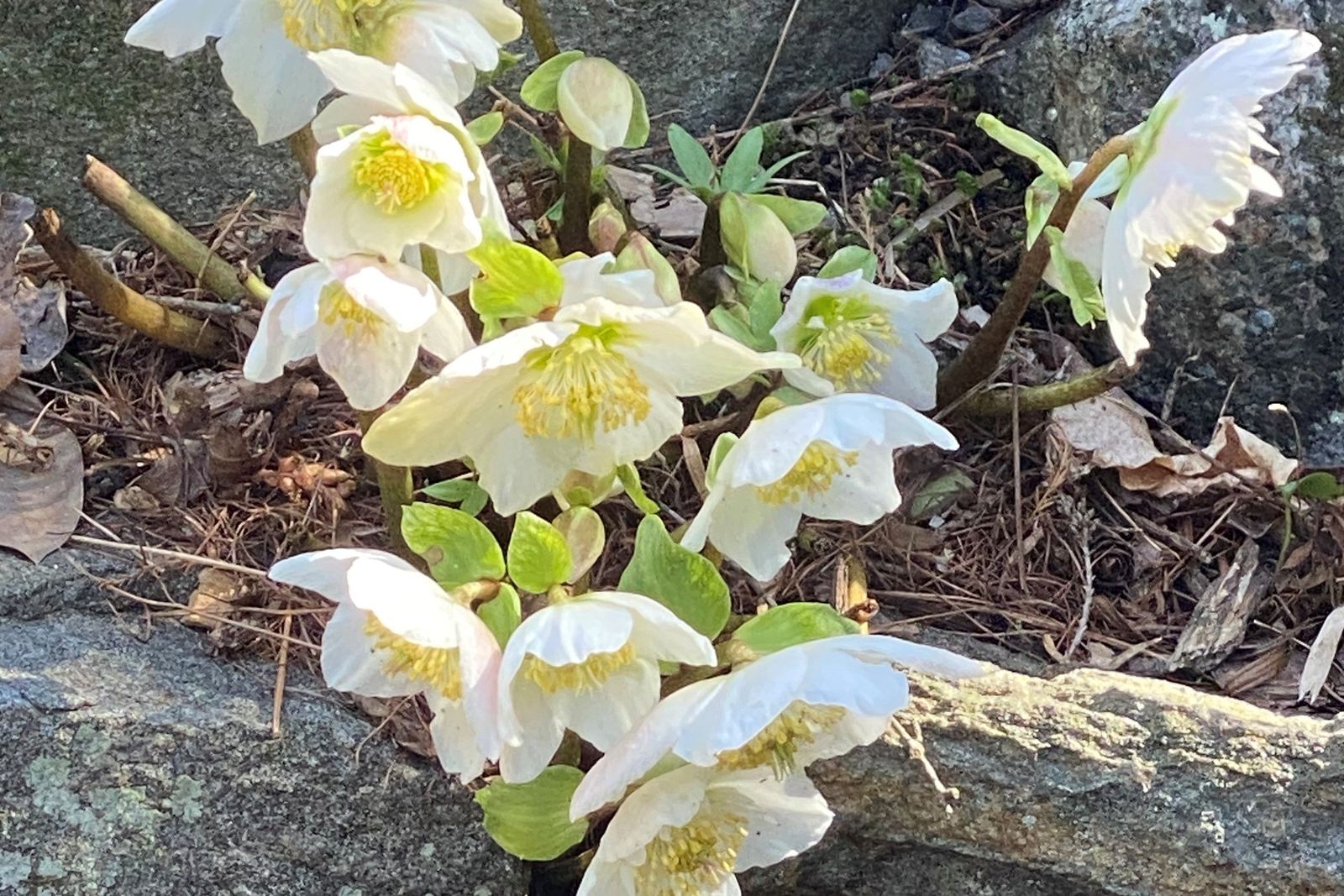
Pure white flowers with golden-yellow stamens
At-a-Glance
Key Features
Seeds freely in dry shade
Uses / Tips
Ideal for naturalizing under trees
Winter Ballet Series (H. × hybridus × H. niger)
‘Linda’ – Cream flowers, yellowish-green center
Honeymoon® Series
‘Tropical Sunset’ – Yellow streaked with red
The Rockies Series
‘Table Mountain’ – Unique golden emerging foliage
Frostkiss® Series
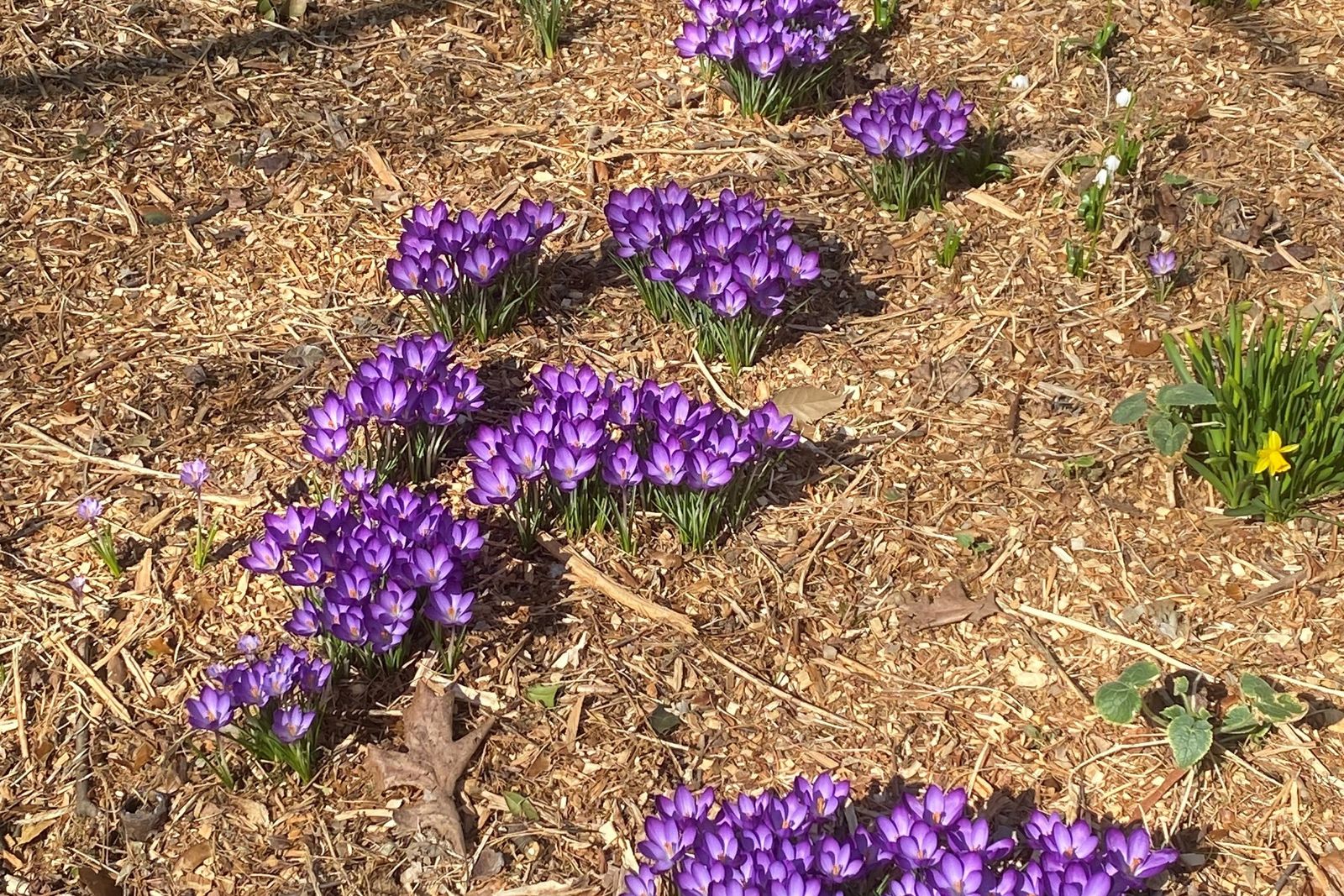
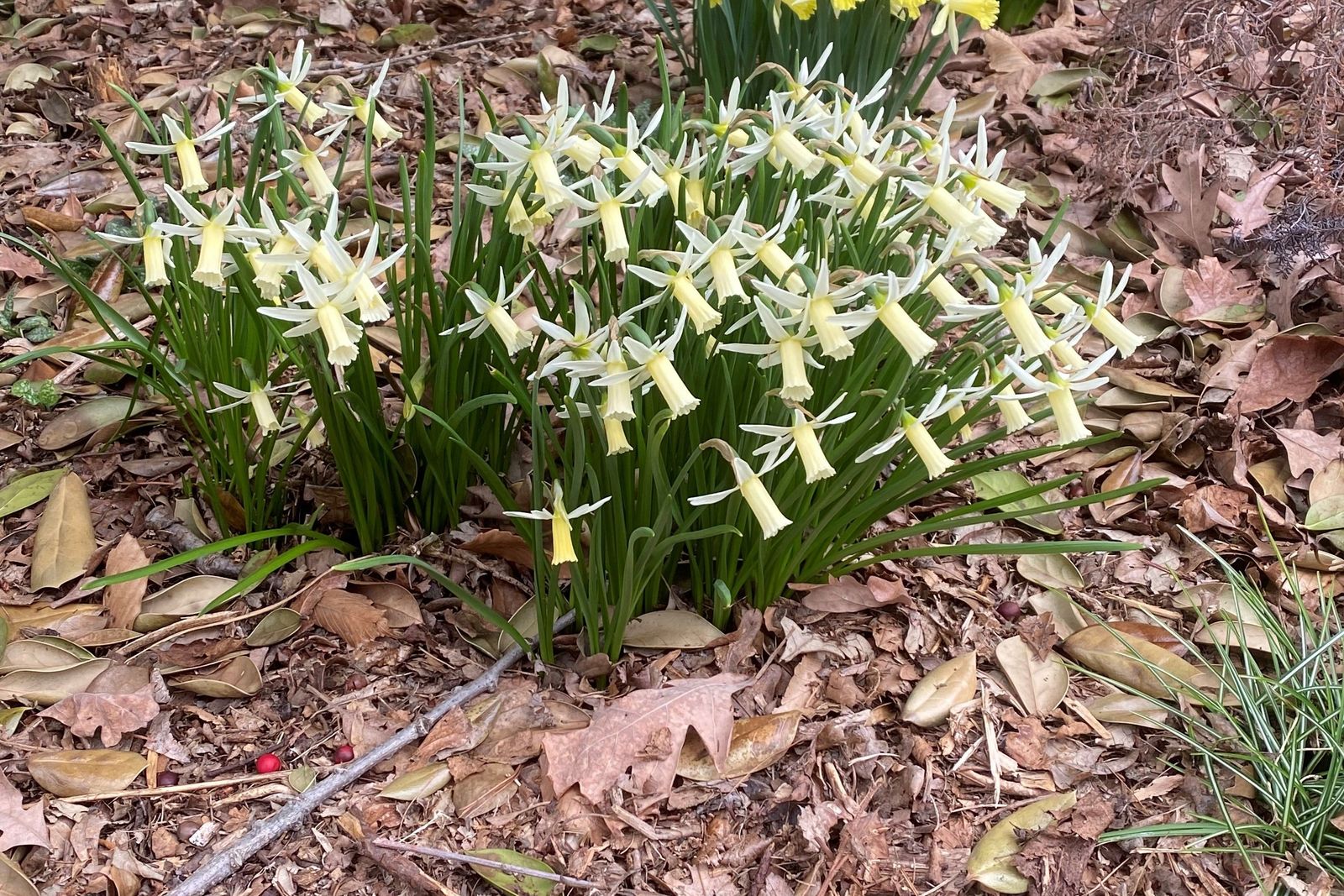
Just when winter feels longest, early bulbs push through the soil, offering the first hints of spring. Crocuses, snowdrops, and winter aconites bring delicate color and cheer to quiet landscapes. Their low-growing habit works well in borders, under trees, or in garden beds that need a bright lift. Many also attract early pollinators, adding life and movement long before most plants awaken. These hardy bloomers ensure even the coldest months have beauty and promise.
At-a-Glance
Deer resistance: High
Key Features
Deer resistant
Notable Species
G. elwesii (giant snowdrop)
At-a-Glance
Height: Very low
Key Features
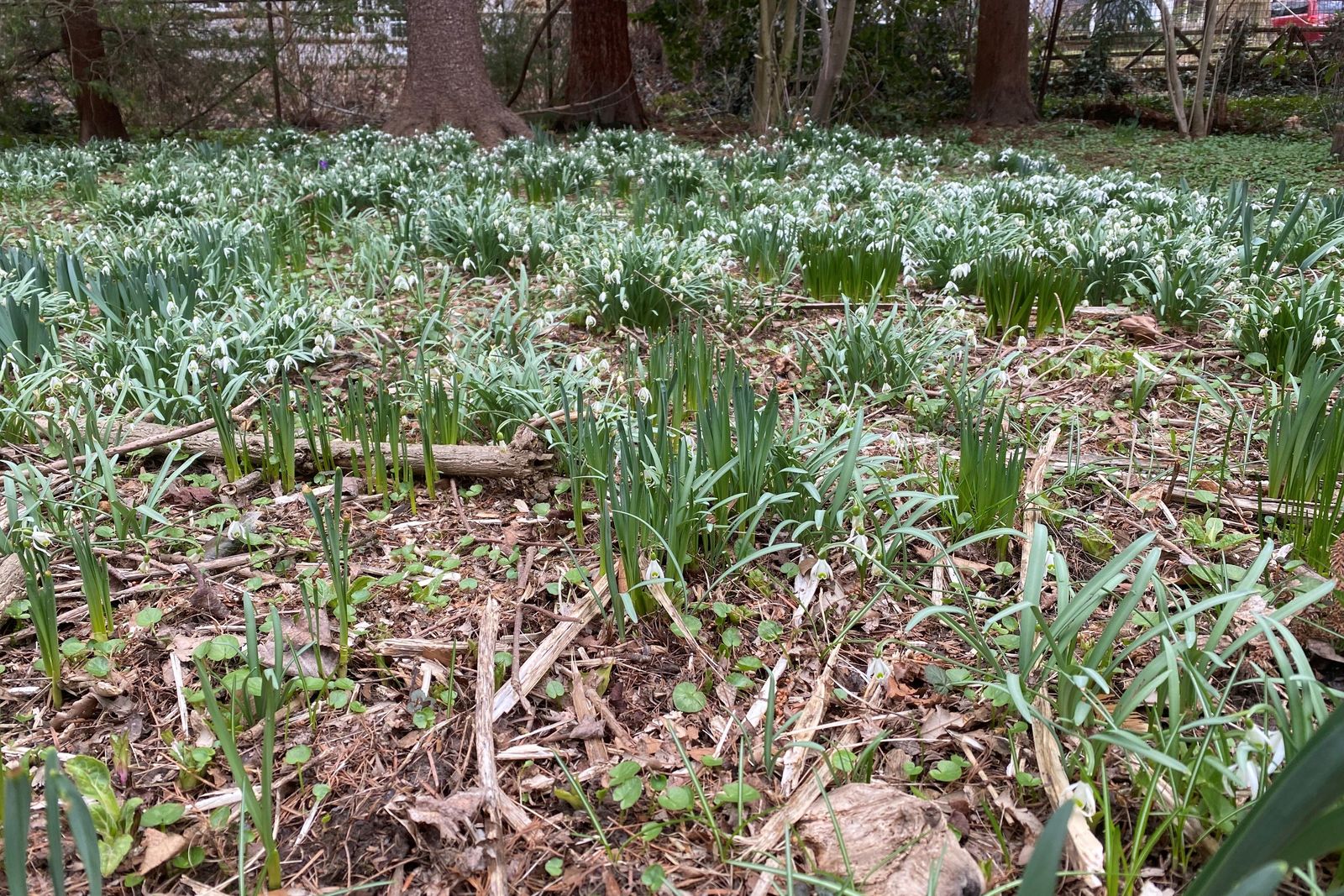
Readily self-seeds to form carpets
At-a-Glance
Bloom time: Late winter to early spring
Key Features
Lovely in lawns
Notable Types
‘Ruby Giant’ – Deeper purple; slightly larger
Key Features
Small stature for rock gardens and nooks
Notable Cultivars
‘Katharine Hodgkin’ – Soft blue with deeper blue/yellow accents
Key Features
Deer resistant
Notable Cultivars
‘Snipe’ – White reflexed petals; cream trumpet
Thinking and designing for the winter garden can bridge the aesthetic gap between the blazing colors of autumnal fall color and the overabundance of flowering plants in the spring. Winter flowering plants can be used in combination with other winter interests to create dynamic displays. Add a few new selections each year to gradually build a garden with dynamic winter interest.