leaf icon
leaf icon
leaf icon
calendar icon
Gardens To Visit
caret icon
Visit a PHS garden or landscape to help build stronger social connections with your community.
For Neighborhoods
caret icon
Explore programs that create healthy, livable environments and increase access to fresh food.
For Gardeners
caret icon
About Us
caret icon
Get to know our story, become a part of our staff, or see what is in the news with PHS.
The Flower Show

July Gardening Tips: Your Monthly Checklist

July 23, 2026

leaf icon seasonal tips

leaf icon plant care

leaf icon gardening projects

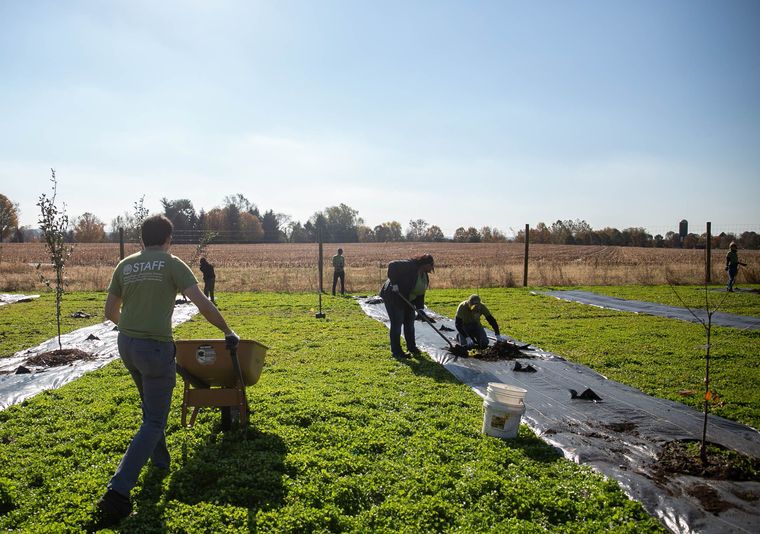
phs 7 16 25 norristown farm park credit morgan horell morganhorellphoto 190 1

By Sally McCabe, PHS Associate Director of Community Education

July is one of the busiest months in the garden. Between harvesting vegetables, staying ahead of weeds, watering through the summer heat, and keeping pests in check, there's always something to do. But don't forget to slow down and enjoy everything your garden has to offer! 

Use this July gardening checklist to stay on top of essential summer garden maintenance, discover what to plant in July, and keep your flowers, vegetables, trees, and containers thriving all month long. 

Quick July Gardening Checklist 

  • Harvest vegetables regularly to encourage continued production.
  • Plant the last of your warm-season crops. 
  • Start planning your fall vegetable garden. 
  • Water deeply, especially newly planted trees and containers. 
  • Deadhead basil and flowering annuals. 
  • Watch for harlequin bugs and mosquitoes. 
  • Raise your mower blade during hot weather. 
  • Refresh hanging baskets with a trim and light feeding. 
  • Inspect hoses and garden tools. 
  • Take breaks and stay hydrated while gardening. 

Plant the Last of Your Summer Crops 

If you haven't already, this is your last call to plant tomatoes, peppers, eggplants, sweet potato slips, cucumbers, squash, melons, and beans. 

Summer planting requires a little extra TLC. 

For transplants, soak the pot in a bucket of water until the bubbles stop rising. Dig your planting hole, fill it with the leftover water, then plant and water again to settle the soil around the roots. 

For seeds, hoe a shallow trench, fill it with water, sow the seeds at the recommended spacing, then cover them with soil about three times as deep as the seed is wide. Life is hard for seeds and transplants in the July heat, so baby them. 

Start Your Fall Vegetable Garden 

While you're wrapping up summer planting, it's also time to think ahead. Mid- to late July is a great time to begin sowing cool-season crops for fall harvest, including carrots, beets, broccoli, cabbage, kale, and other leafy greens. A little planning now means you'll still be harvesting long after summer fades. 

Revel in Basil 

Basil is having its moment right now. 

From giant lettuce-leaf basil to tiny globe basil, deep purple varieties to fragrant Thai and lemon basil, there seems to be a variety for every gardener and every recipe. 

If you want those lush leaves to keep coming, remove the flower spikes regularly. Leave a few blooms for bees and hummingbirds, but otherwise keep clipping to encourage branching and fresh foliage. 

Later in the season, I'll let some flowers mature so I can save seed (or leave them for the birds) but for now, the clippings usually end up steeping in vinegar for a wonderfully light salad dressing. 

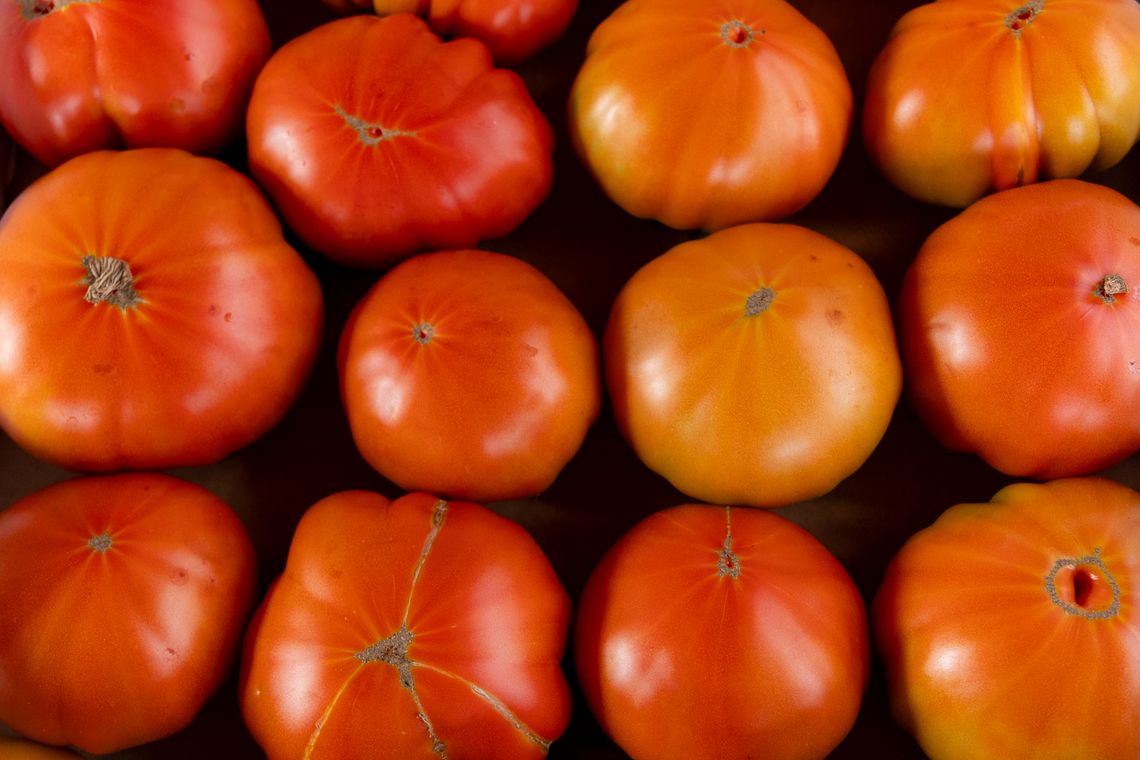
phs 7 16 25 norristown farm park credit morgan horell morganhorellphoto 106
Enjoy the fruits of your labor and share the wealth of your harvest with friends and neighbors!


Keep Harvesting 

Harvest vegetables often. Once fruit ripens, the plant starts thinking its job is done. Picking regularly encourages more flowers, which means more vegetables. 

Whenever possible, harvest early in the morning while foliage is dry. You'll stay cooler, and you'll help reduce the spread of fungal diseases. 

Pick Peaches 

If you're lucky enough to have peaches this year, enjoy every one. 

Take advantage of local farm markets or, even better, visit a pick-your-own orchard. Just be sure to check ahead to see what's ripe before making the trip. 

Shop Summer Shrub Sales 

July is one of the best times to find shrubs and trees at deep discounts. Garden centers would much rather sell them than spend the rest of the summer watering them. 

Before you buy, ask about warranties or guarantees, since sale plants sometimes come with different policies.

Snag Half-Price Annuals 

Nobody enjoys watering dozens of nursery pots through July, so annuals often end up deeply discounted this month. 

Bring them home, water them thoroughly, and plant them as soon as possible. Dig the hole, water the hole, plant the plant, cover with soil, then water again. Try to plant in the evening or on a cloudy day to reduce transplant stress. 

Keep these new additions well-watered for the first few weeks. 

And remember: if you bought everything for half price and lose less than half of it, you're still ahead. 

Once those last bargain plants are in the ground, give yourself permission to stop planting for a while. Keep up with watering, weeding, and mulching, but spend some time simply enjoying your garden instead of constantly adding to it. 

Watch for Harlequin Bugs 

Harlequin bugs are beginning to appear and can quickly devastate broccoli, cabbage, kale, collards, and other cole crops. 

If you've been protecting plants with floating row covers, you're already ahead of the game. 

Hand-remove adults whenever possible and scrape the distinctive barrel-shaped egg masses from the undersides of leaves. Neem oil can help manage moderate infestations, but if a plant is heavily covered, remove it and throw it in the trash rather than the compost pile. 

Deal with Mosquitoes 

Summer has arrived, and unfortunately, so have the mosquitoes. 

Treat birdbaths, rain barrels, and other standing water with BTI every couple of weeks, and don't forget those sneaky drainage saucers under containers. 

I keep a whole buffet of insect repellents by the back door, ranging from completely organic to completely nuclear, so everyone can choose their own level of defense. Personally, I prefer citronella or geranium oil, even if it means applying it more often. 

Better yet, I find someone who the mosquitoes prefer over me and stand next to them. 

Raise Your Mower Blade 

As temperatures climb, let your lawn grow a little taller. 

Longer grass shades the soil, slows moisture loss, and makes it harder for weed seeds to germinate. Cutting grass too short stresses the plants and gives weeds an opportunity to move in. 

If your lawn is already drought-stressed, wait until after a soaking rain or water the day before mowing to reduce additional stress. 
rcp 240718 5212
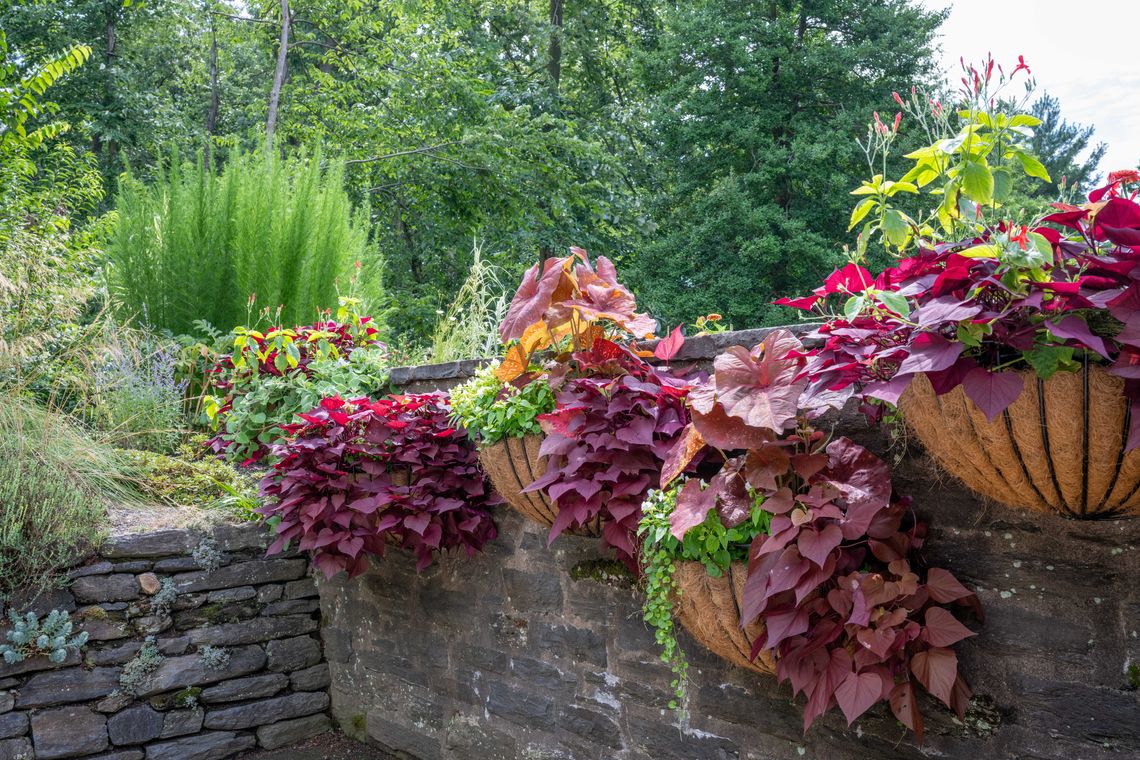
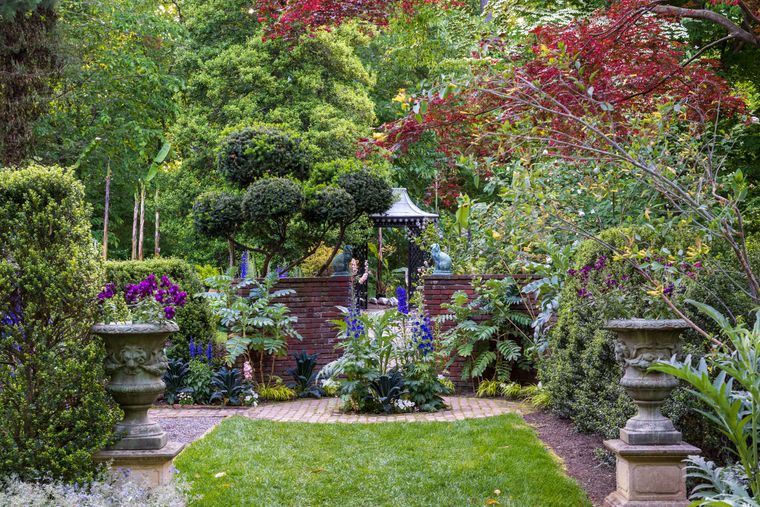
Show your hanging baskets some love by pruning, watering and giving them some shade.

Refresh Hanging Baskets 

By July, hanging baskets often start looking a little tired. 

Give them a haircut, feed them lightly, and let them recover in a shady spot for a week or two. One of my favorite ways to feed baskets is to steep worm castings or organic fertilizer in a bucket of water, then submerge the entire basket until the bubbles stop rising. 

After that, pull up a chair and join them. 

Reclaim Weedy Areas with Lasagna Gardening 

Have a patch of weeds you're tired of fighting? Try lasagna gardening. 

  1. Cover the weeds with overlapping cardboard so no light gets through. 
  2. Add 2 to 3 inches of compost or soil. 
  3. Top with several inches of mulch, leaves, wood chips, or other organic material. 
  4. Tuck extra plants into the compost layer, water well, and let nature do the rest. 

There's something deeply satisfying about taking all the odds and ends from around the garden and turning them into one beautiful new planting bed. 

Give Newly Planted Trees and Shrubs Extra Attention 

Trees and shrubs planted since last fall haven't had much time to establish strong root systems, so they'll need a little extra help through the hottest part of summer. Depending on their size, most need 5 to 15 gallons of water each week. 

Not sure how much you're actually watering? Time how long it takes to fill a 5-gallon bucket with your hose, then use that as your guide when watering each tree. If you get a good soaking rain, take the week off and use the extra water to enjoy a guilt-free shower instead. 

Find more tips on watering plants in the summer here. 

Keep Container Gardens Hydrated 

Containers dry out much faster than garden beds and often need watering every day, sometimes twice during extreme heat. 

Water thoroughly until it drains from the bottom of the pot, wait a few minutes, then water again. Since frequent watering washes nutrients out of the soil, add a water-soluble fertilizer at quarter strength every few waterings. Just remember: never fertilize a thirsty plant. Water first, then feed. 

Grouping containers together helps shade the pots and slow evaporation. If you have larger containers, consider placing them on rolling plant caddies so you can easily move them into afternoon shade during heat waves. A few colorful pots in unexpected places can brighten up even the darkest corner of the garden. 

Support Summer Perennials 

Summer storms may bring welcome rain, but they can also flatten tall perennials and annuals. 

Stake floppy plants before they fall over rather than trying to rescue them afterward. Decorative supports or green metal hoops disappear into the foliage and keep plants looking natural. 

Just don't do what I once did and use freshly cut privet branches. Every single one rooted. 

pexels carlos pernalete tua 210498 674840
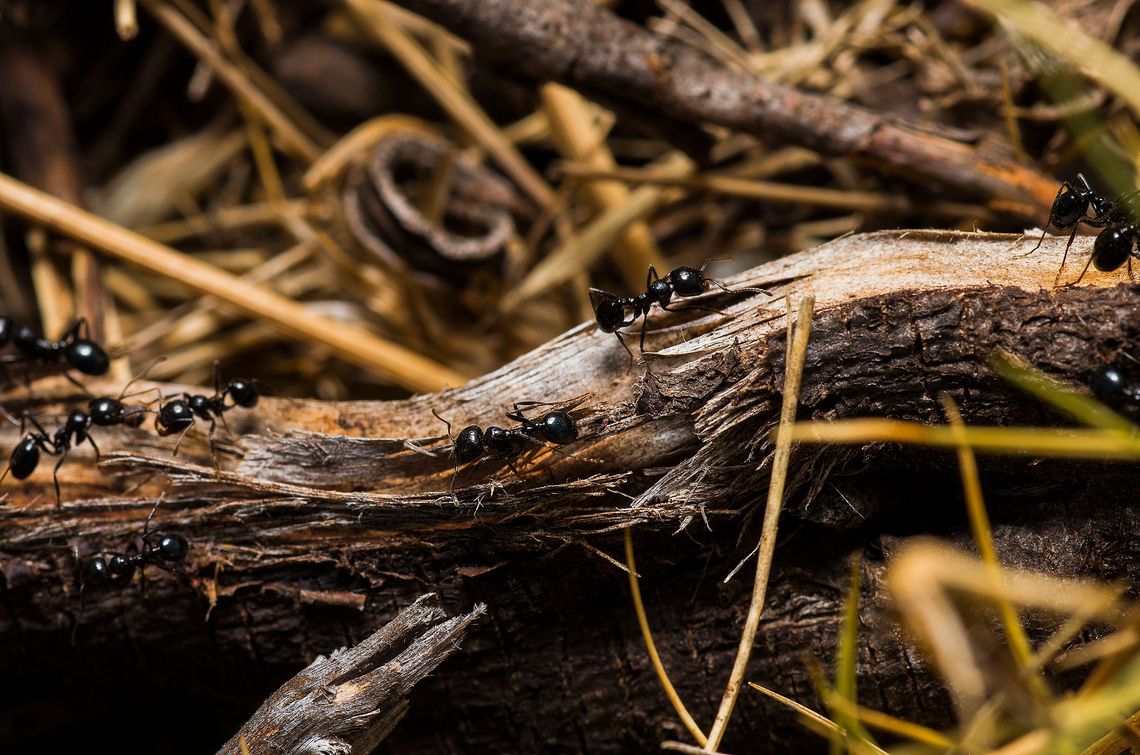
Take the time to spot all of the bugs and critters that want to explore your garden, or even make it their home.

Appreciate the Ants 

If it feels like ants have taken over your garden, you're probably right. 

Watch closely and you'll often find them tending aphids, protecting them in exchange for the sweet honeydew they produce. It's a fascinating reminder that even the insects we think of as pests are part of a much bigger ecosystem. 

Sometimes I still reach for insecticidal soap. Other times, I find myself standing there, admiring the incredible organization of it all, and move on to another gardening task instead. 

Smell a Lightning Bug 

The other night I accidentally squished a lightning bug on my porch railing. 

The scent instantly took me back to childhood, to evenings spent catching lightning bugs in jars and staying outside until long after sunset. It was an unexpected reminder that gardens don't just grow plants—they grow memories, too. 

Take Care of Yourself 

When temperatures climb into the 90s, the garden can wait. 

This year I experienced heat exhaustion for the first time, and it reminded me that even experienced gardeners need to slow down. Work early in the morning or later in the evening, drink plenty of water, take breaks in the shade, and don't hesitate to pour a little water over your own head if you need it. 

Then fill up the birdbath while you're at it. The birds are feeling the heat, too. 

Bring Your Own Shade 

One of my favorite summer gardening tools isn't actually a gardening tool at all; it's a pop-up canopy. 

Being able to move your own patch of shade around the garden makes weeding, mulching, or simply observing the ants far more enjoyable. Some even come with mosquito netting, which feels downright luxurious in July. 

Practice setting it up before you need it, and always secure it well if storms or strong winds are in the forecast. 

9 5 2025 glenwood green acres credit morgan horell morganhorellphoto 029
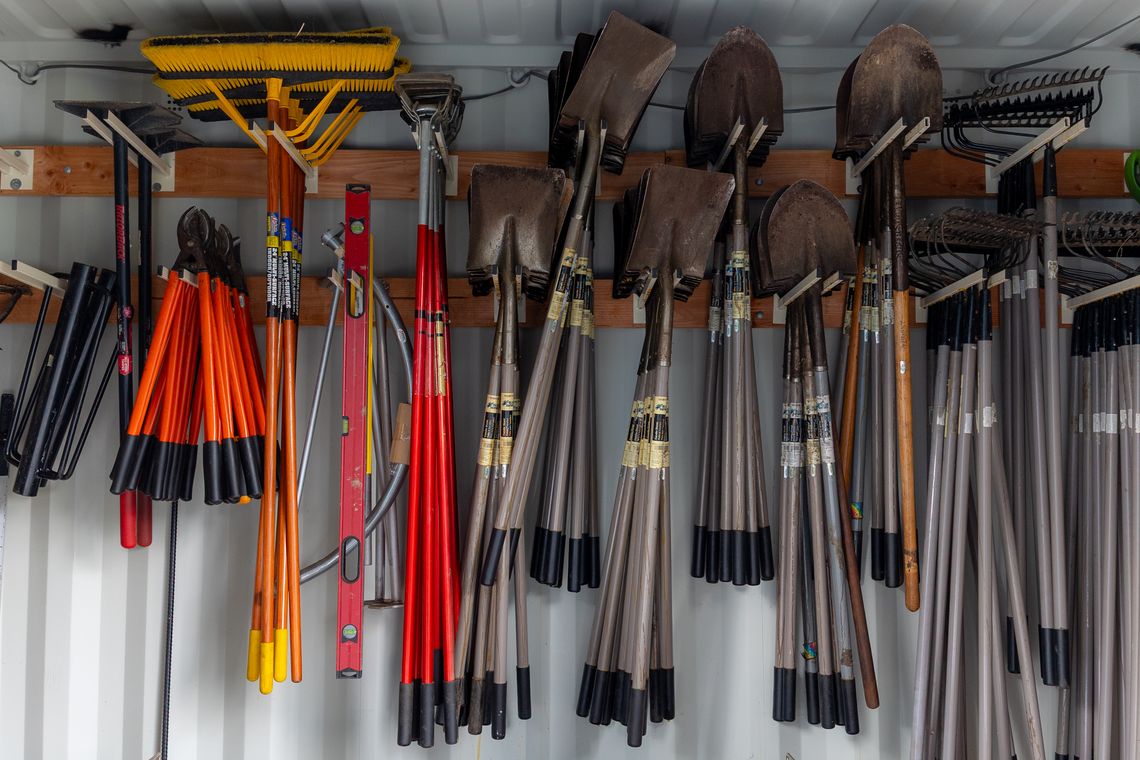
While you are focused on maintaining your garden, it's also important to check in on the state of the tools you use regularly.

Check Your Hoses 

Watering is too important this time of year to waste it through leaks. 

Inspect hoses for cracks caused by sun exposure and replace worn washers at the connections. A tiny drip aimed at the right plant isn't the end of the world, but larger leaks waste water, create muddy spots, and increase your water bill. 

If you're replacing a hose, remember that the heaviest-duty models are also the heaviest to drag around the yard. Consider leaving the sturdy hose near the spigot and using a lighter-weight hose for everyday watering. 

Rescue Your Wheelbarrow 

I'm constantly surprised by how many abandoned wheelbarrows I find sitting around gardens. 

Many can be revived with a few replacement locknuts and a never-flat tire. It isn't the most glamorous garden upgrade, but having a wheelbarrow that actually works makes every project easier. 

Don't Forget Your Vehicle 

Gardeners have a habit of treating their vehicles like oversized garden sheds. 

Right now I could probably grow potatoes under the front seat of my truck, and the seed packets rolling around in the back have endured enough heat treatments that they'll never germinate. At this point, they're probably better suited for an art project than next year's vegetable garden. 

Make a Simple Rain Gauge 

You've probably heard the advice to water when your garden gets less than an inch of rain each week, but how do you know how much actually fell? 

A straight-sided bucket makes an excellent rain gauge. Leave it out in the garden, measure the water after each storm with a ruler, and keep track of your weekly total. If you haven't reached an inch, it's time to water. 

Then empty the bucket and start over. 

If the bucket is clean, you can even use that rainwater to rinse your hair. Rainwater makes a surprisingly nice conditioner. 

Experiment with New Tools 

One of my favorite discoveries this season has been a tree puller. 

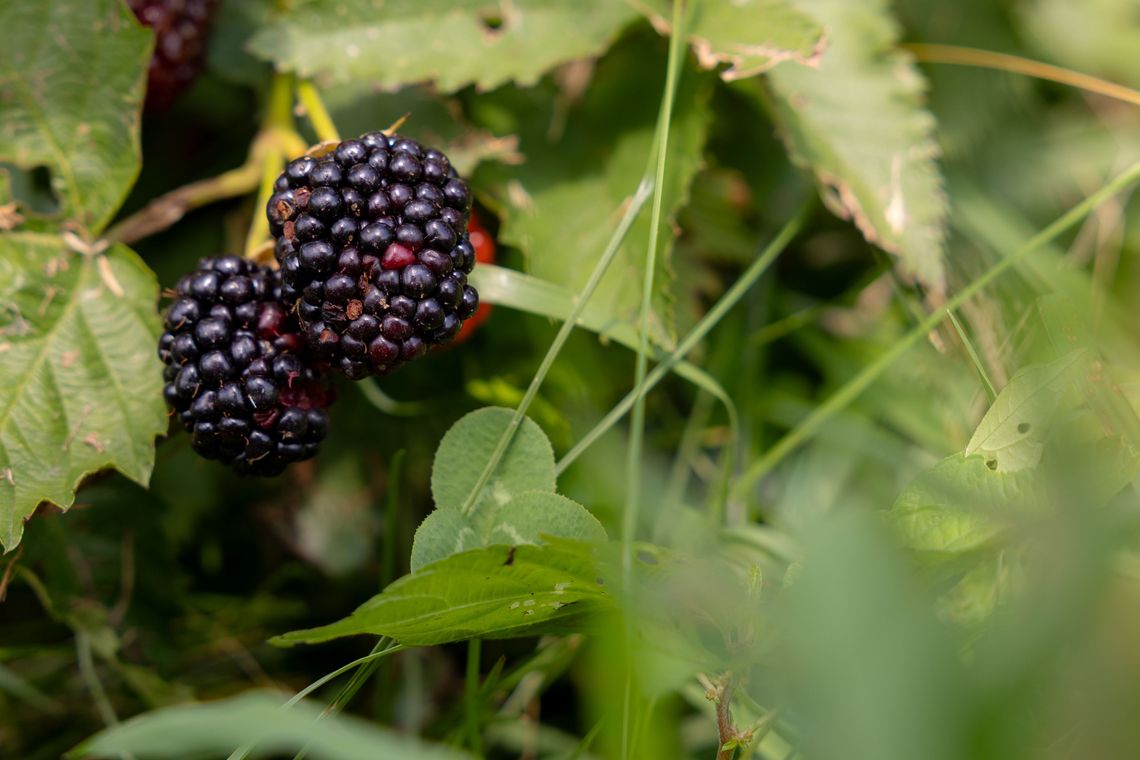
It's basically a long lever with a gripping jaw that clamps onto small tree trunks, giving you enough leverage to pull volunteer trees right out of the ground. In just an hour, I cleared a dozen unwanted trees from my blackberry patch, including a Norway maple about two inches in diameter. 

As Archimedes famously said, "Give me a place to stand and with a lever I will move the whole world." 

Remember the 80/20 Rule 

One lesson gardening teaches over and over again is the 80/20 rule: about 80 percent of the results come from 20 percent of the effort, while chasing the last bit of perfection takes far more work than it's usually worth. 

Your garden doesn't have to be flawless to be beautiful. 

Learn your own tolerance for imperfection. Pull the weeds that truly bother you, harvest the vegetables that are ready, water what needs watering, and then take a moment to sit back and enjoy it all. 

After all, July isn't just about maintaining your garden. It's about living in it. 

Learn from horticultural experts through upcoming Know to Grow webinars on gardening, plants, design, and more.