seasonal tips
plant care
By Andrew Bunting, PHS VP of Horticulture
After a relatively long and hard winter, gardeners across the country are eager to get outdoors and start planting. Depending on your region, early spring planting can begin when nighttime temperatures consistently stay above freezing.
Many “cool season” annuals and vegetables tolerate chilly nights, and even light frost in some cases, making them ideal for early spring gardens. In the Mid-Atlantic region, this planting window typically runs from mid- to late March through May.
Take your gardening skills to the next level with our Know to Grow webinars, featuring expert advice and seasonal topics.
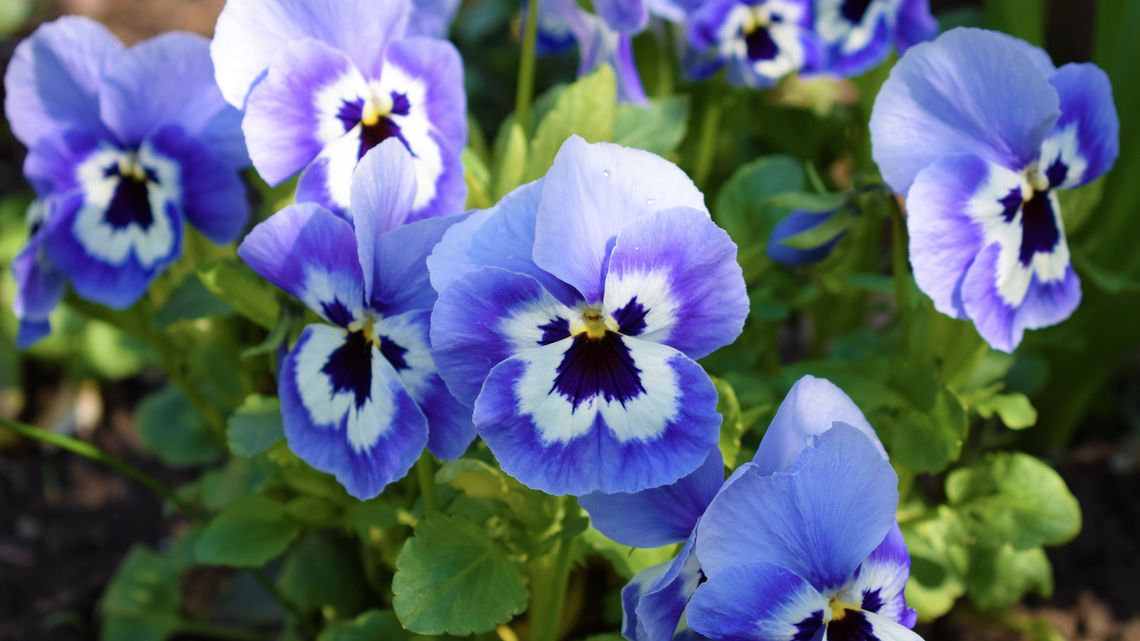
One of the most popular choices for early spring planting is pansies and violas. In warmer climates, pansies can be planted in the fall, go dormant over winter, and re-emerge in spring. Most gardeners, however, plant them in early spring for an instant infusion of bright color after a long, gray winter.
Pansies are low-growing annuals with rounded, lobed flowers. Their distinctive dark petal markings create a “face-like” appearance. They are available in a wide range of colors, including yellow, orange, pink, burgundy, purple, and blue, with many bicolored and multicolored varieties.
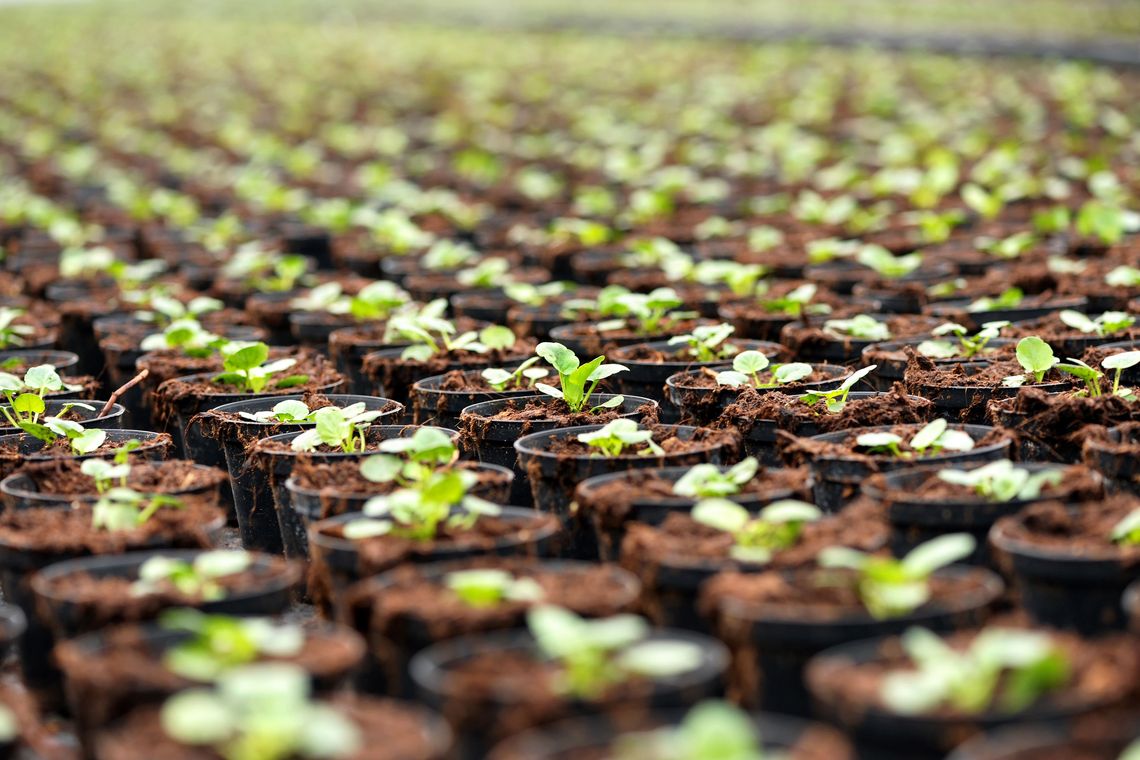
Pansies can be started indoors under grow lights or on windowsills from January to February, though many gardeners opt to purchase young plants in cell packs from garden centers. They bloom prolifically from late March through mid- to late May. As temperatures rise, flower production begins to decline. Deadheading spent blooms can help extend flowering. Many varieties are also fragrant.
While pansies tolerate partial shade, they perform best in full sun. Popular series include Cool Wave®, Matrix®, and Delta™.
For a more compact option, consider violas, which are essentially smaller, more refined versions of pansies. Popular series include Sorbet® and Deltini™. Both pansies and violas are excellent for window boxes, patio containers, and mass plantings in the garden. They are adaptable to a range of soils if drainage is good, but they can be susceptible to browsing from rabbits and deer.
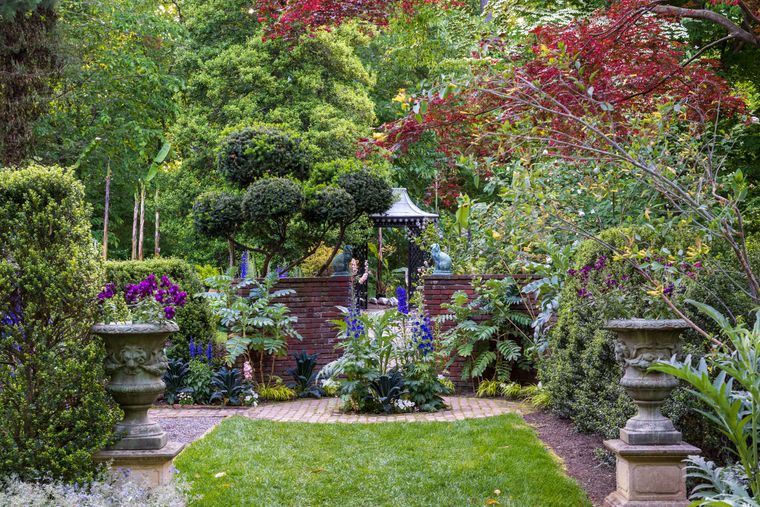
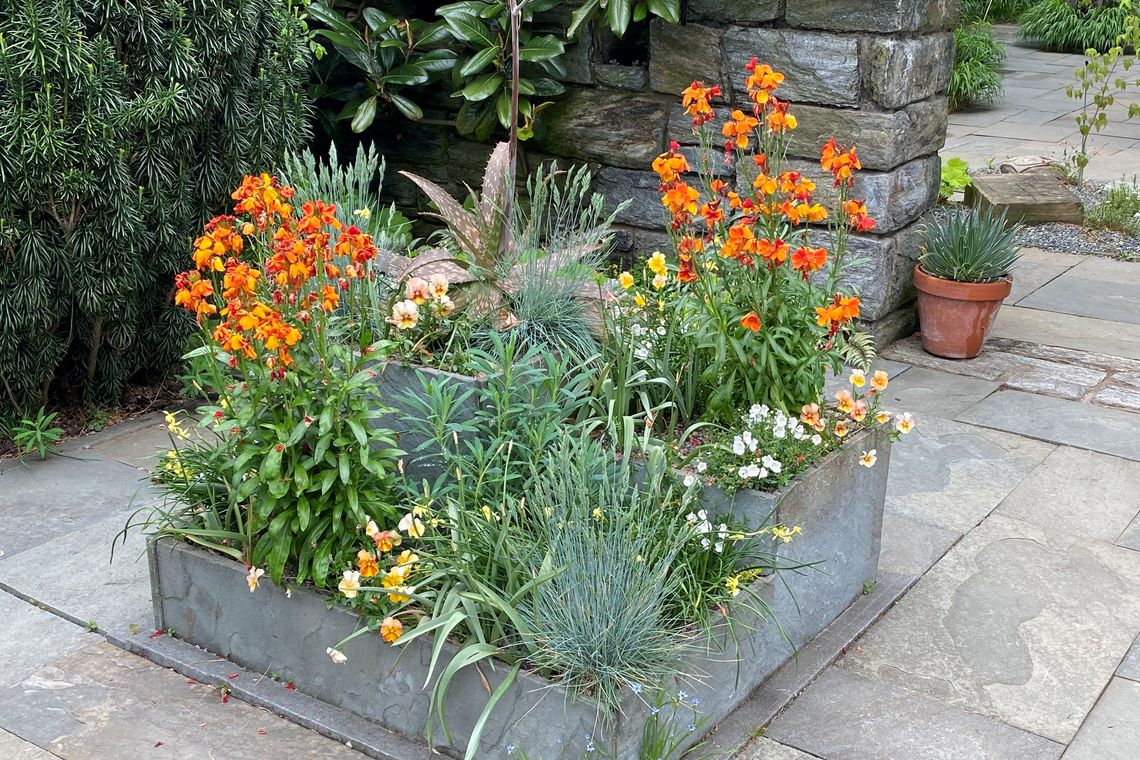
In addition to pansies, many other frost-tolerant annuals thrive in early spring temperatures. Below is a list of options that can be used in many types of garden conditions and setups.
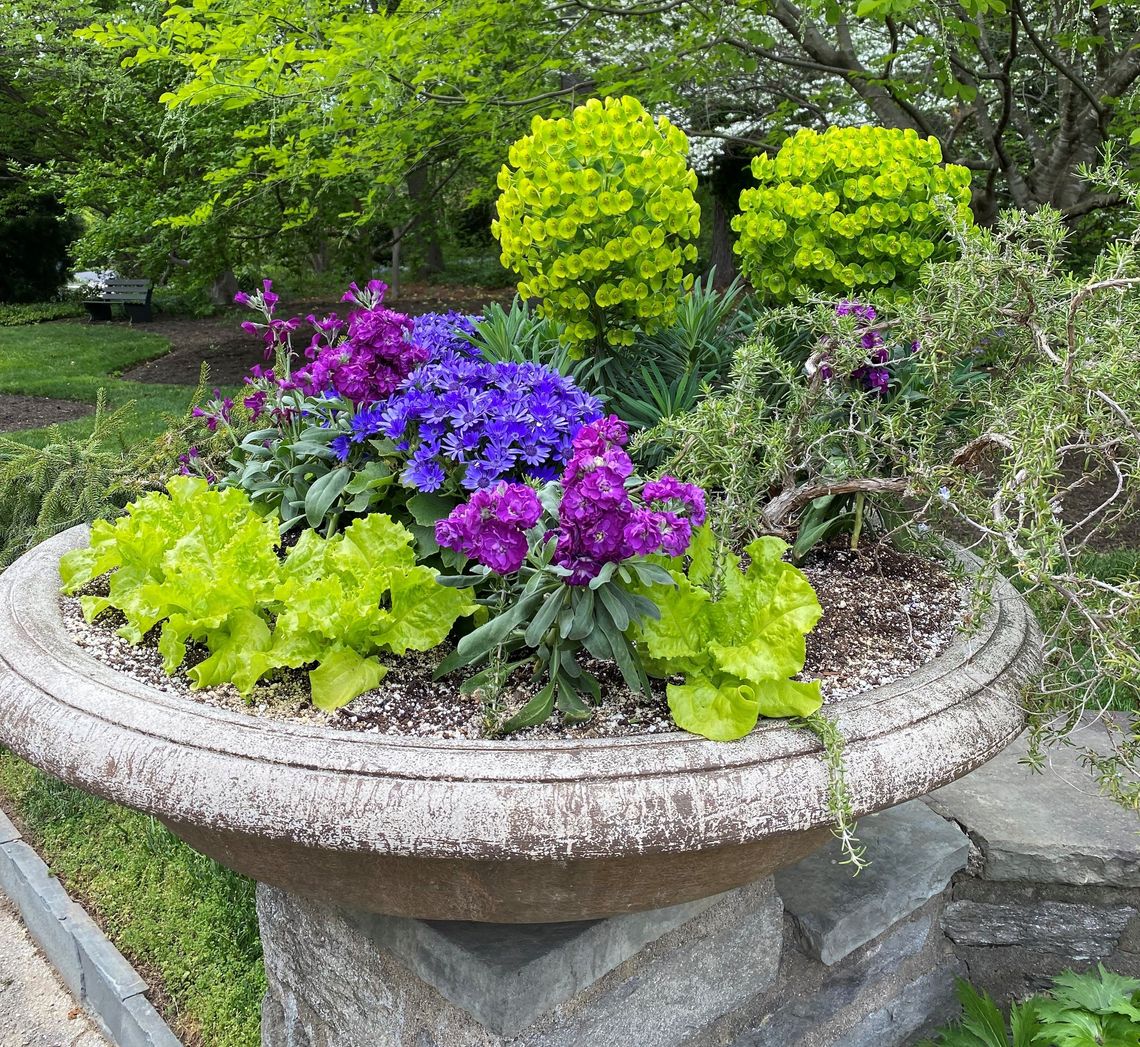
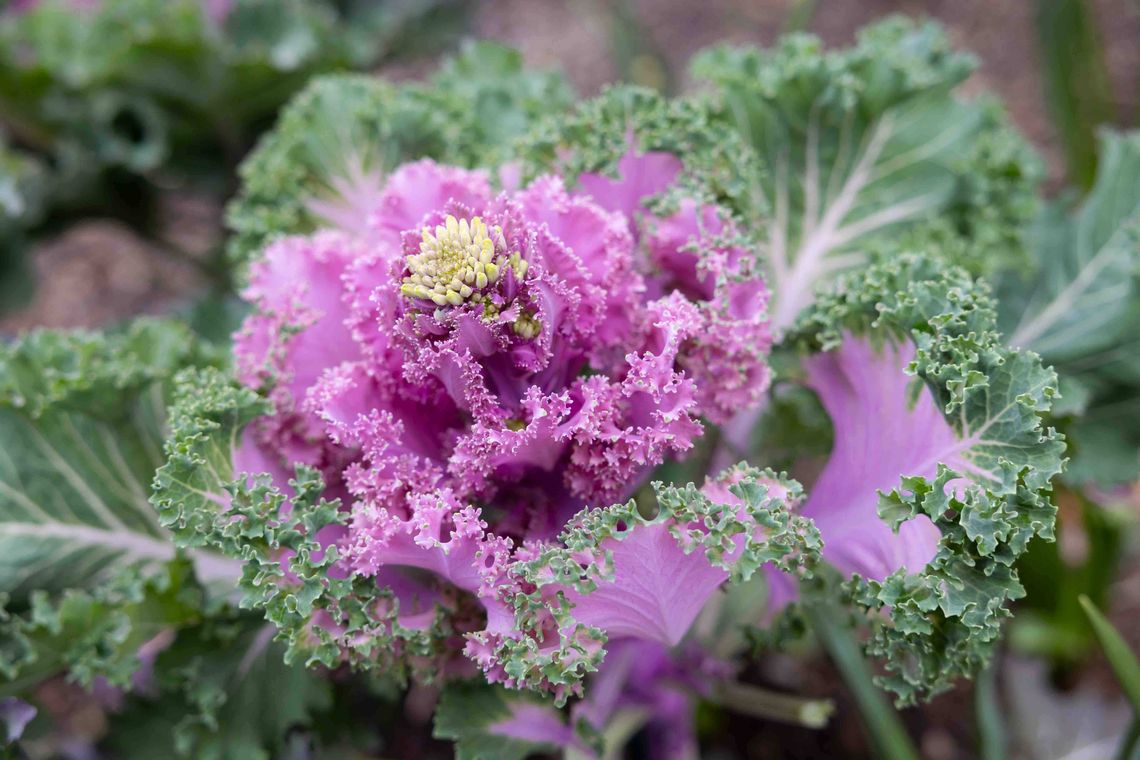
Early spring containers can also include ornamental (and edible!) vegetables that thrive in cool conditions but also look great alongside ornamental flowers and plants. These edible plants add both texture and color to mixed plantings while giving gardeners an early start to their vegetable gardens as well.
Early spring is also the perfect time to plant cool-season vegetable crops.
Some crops, such as kale, cabbage, Swiss chard, and broccoli, are best started indoors and transplanted into the garden. Others, including radishes, lettuce, spinach, carrots, and peas, can be directly sown into the soil.
Leafy greens that can be directly sown in early spring include ‘Space’ spinach, ‘Bright Lights’ Swiss chard—also prized for its colorful stems—‘Miz America’ mustard, and lettuces such as ‘Red Sails’, ‘Romaine’, and ‘Red Buttercrunch’.
Getting your garden ready for early spring planting starts with healthy soil and thoughtful timing. Whether you’re transplanting seedlings or sowing cool-season crops, proper preparation now can lead to stronger growth and a more successful spring harvest. Here are some tips on how to ensure your spring planting season thrives!
If you’re new to gardening, start small and expand each year, whether by increasing your garden size or experimenting with new flowers and vegetables.
Have a gardening question? Visit Ask PHS to get expert answers and guidance tailored to your garden.