sustainable gardening
garden inspiration
plant care
Every gardener knows the feeling: standing in a garden center, surrounded by possibilities, and uncertainty. Will this plant thrive here? Will it outgrow the space? Will it still look good next year?
That’s exactly why PHS’s Gold Medal Plant program exists. For decades, Gold Medal Plant winners have helped Mid-Atlantic and zone 7 gardeners cut through the guesswork, highlighting plants that are not only beautiful but resilient, reliable, and well-suited to the Mid-Atlantic region.
The 2026 Gold Medal Plants continue that tradition. From striking structural trees to pollinator-friendly perennials, this year’s selections show how the right plants don’t just fill space; they shape it.
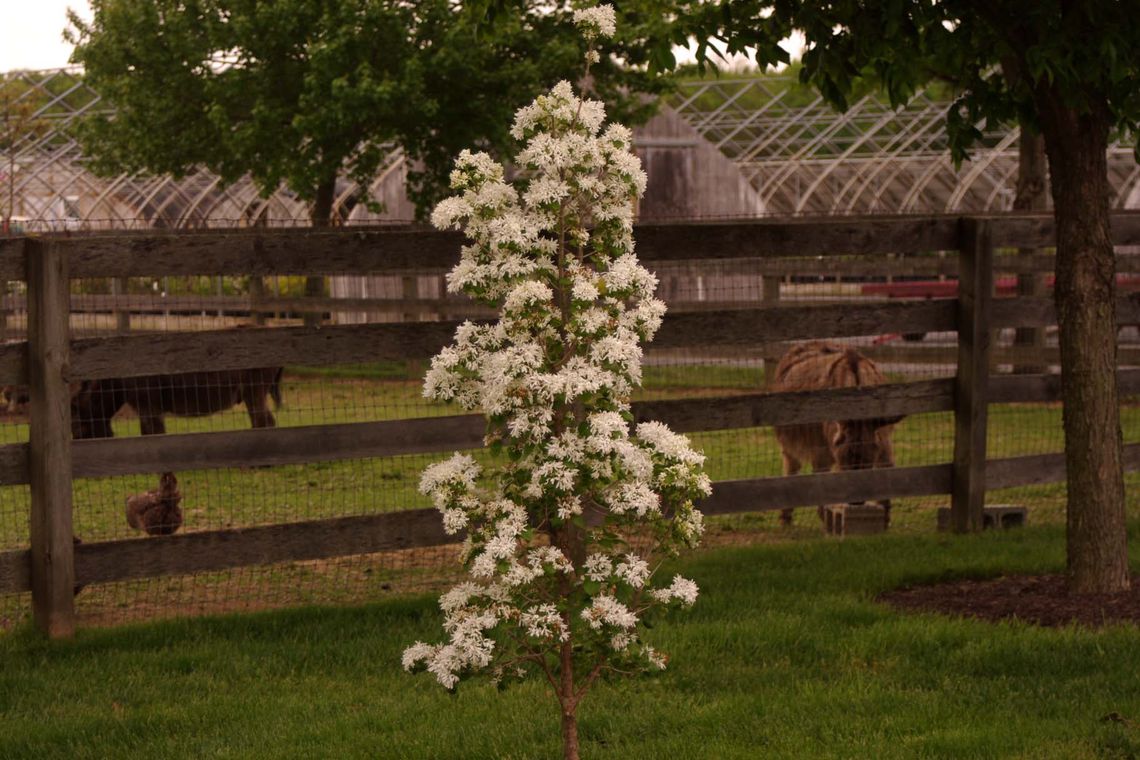
If you’re working with a smaller space but still want the presence of a flowering tree, ‘Tokyo Tower’ makes an immediate impression.
Its upright habit made it a standout during selection. “A perfect option for a small- to medium-sized street tree,” says Andrew Bunting, Vice President of Horticulture at PHS, especially where space is tight but vertical impact matters.
For Eva Monheim, a landscape designer, educator, and member of the PHS Gold Medal Plant Committee, the possibilities go even further. She envisions this tree as part of a larger experience: “An allée of these would be ideal leading to a garden, entryway, or as a tall living hedge between neighbors and still being neighborly.”
Eva also points out its flexibility: it can even be used in large, moveable containers to “change up the garden or patio area” over time. And beyond design, it delivers ecological value, including spring blooms for pollinators and fruit for birds.
Pair it with: Itea virginica ‘Henry’s Garnet’ or Clethra alnifolia ‘Ruby Spice’ for a layered understory.
Pro tip: Even narrow trees need space. Avoid crowding roots or planting too close to hardscape.
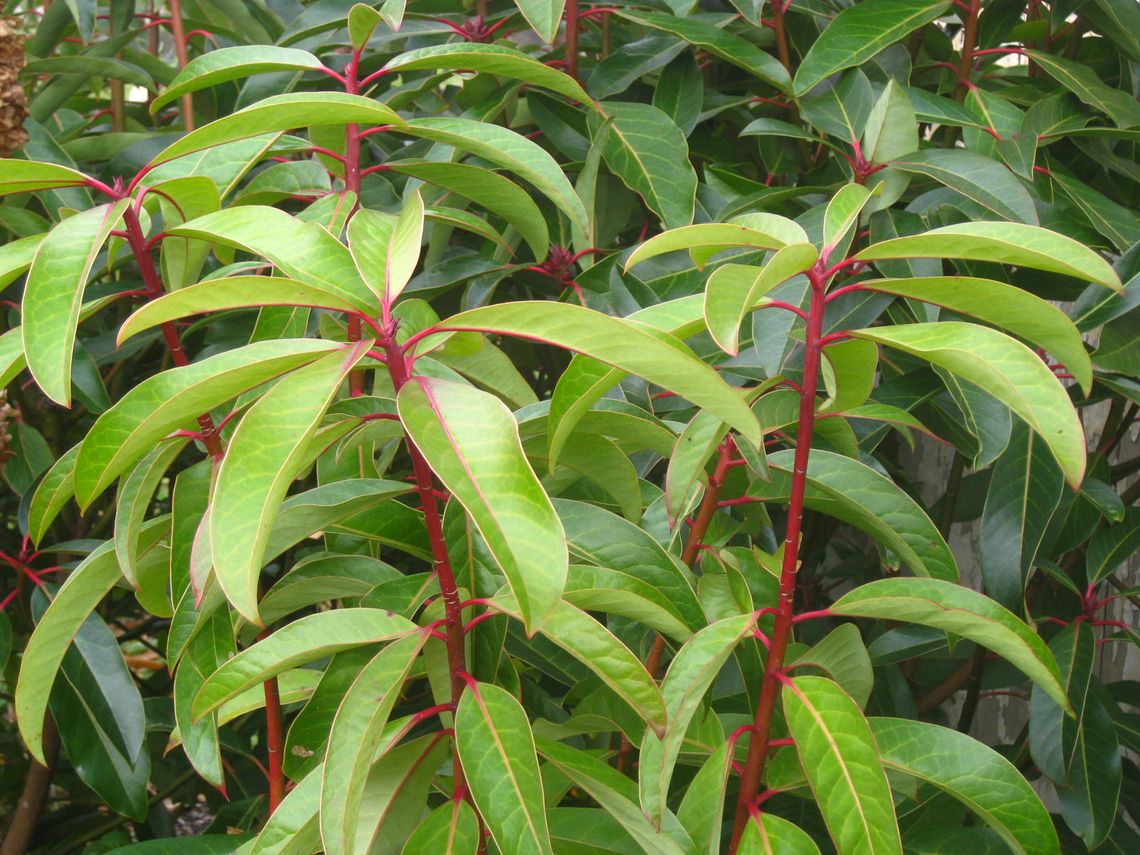
Some of the most valuable plants are the ones that quietly solve problems, and Daphniphyllum macropodum does exactly that.
Selected for its ability to thrive in dry shade, Andrew calls it “one of the best shrubs for dry shade and deer resistance,” a rare and valuable combination.
Eva frames it more experientially, as part of a layered woodland: “A perfect understory plant…creating a wonderful habitat for birds and other small creatures.”
She also highlights something often overlooked: how a plant feels in a space. Its glossy foliage doesn’t just add structure; it reflects light, creating “a bright light rather than a dull one in the woodland.”
Pair it with: Hellebores, Epimedium, Asarum, Tricyrtis, or ferns for a rich woodland palette.
Pro tip: Avoid poorly draining soils. This plant prefers dry shade, not wet conditions.
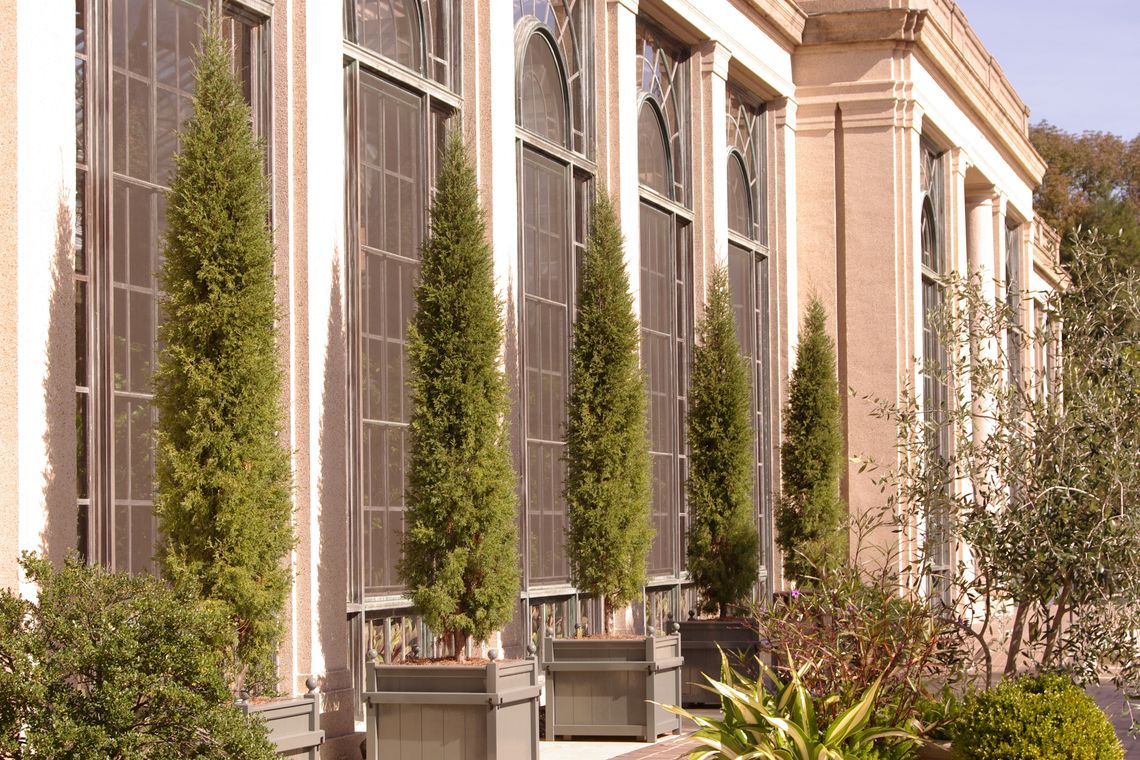
Tall, narrow, and architectural, ‘Taylor’ juniper offers clarity in the landscape.
Its height made it a standout that is “excellent for vertical punctuation,” according to Andrew, and it’s ideal for screening or defining edges without taking up too much room.
Eva brings a designer’s eye to its use: “It can be used as a tall lean hedge or mixed hedge…or up a driveway; looking very Italianate.”
She also points to its strength in tight urban conditions: “a tough tree…for narrow planting areas in the city to make a hedge for privacy.”
This plant brings both structure and flexibility, depending on how it’s used.
Pair it with: Viburnum, Ilex, or low-growing shrubs for contrast and seasonal variation.
Pro tip: Full sun is essential. Shade will compromise its density and form.
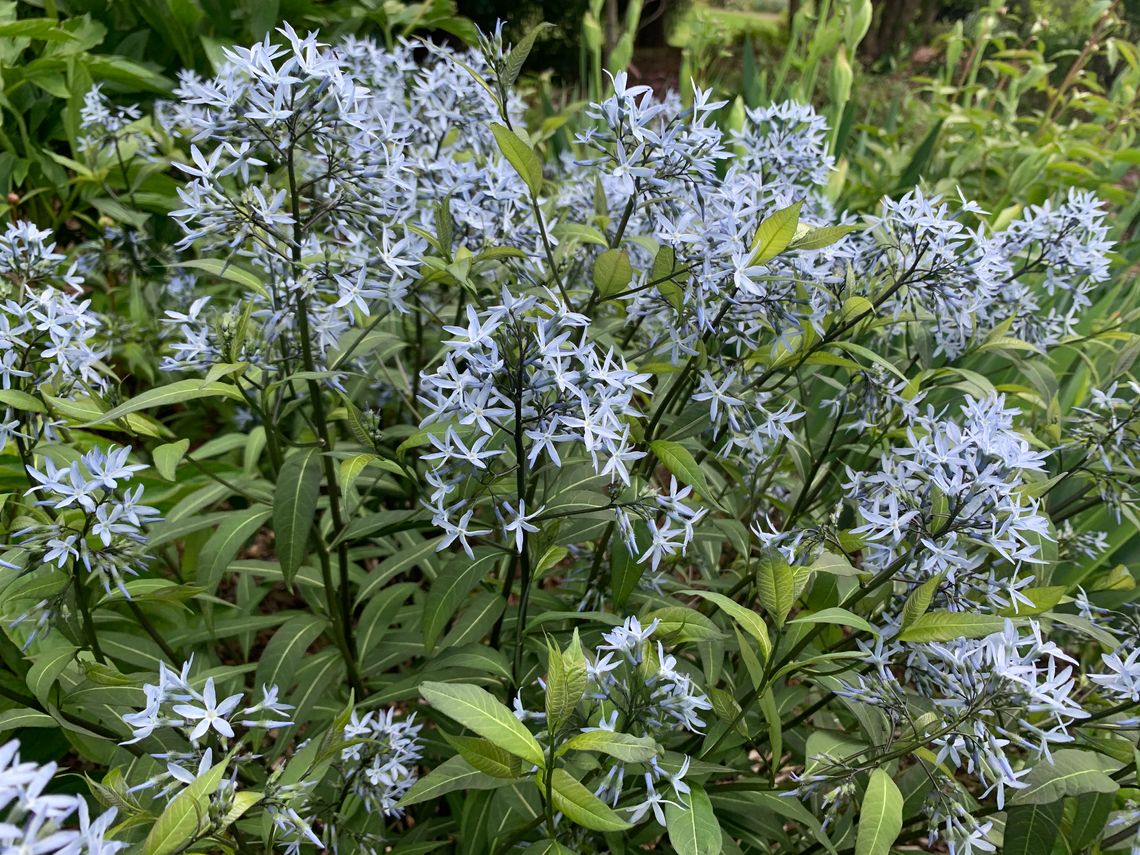
‘Storm Cloud’ is a plant that rewards attention across the entire season. Its dark stems and richer blue flowers made it stand out immediately, while Andrew emphasizes its reliability. It is drought-tolerant, deer-resistant, and excellent for massing.
“It is excellent in containers,” Eva says, highlighting how the plant’s true blue flowers create a cooling visual effect in the garden. She explains that the blue color helps create a sense of distance, making spaces feel larger and more open. She also notes that she often moves containers around to experiment with that visual depth in different areas of the garden.
The plant is also highly adaptable in the landscape. “It can be cut back after blooming and will bounce back in height later in the season,” she adds, which gives gardeners flexibility to refresh its form and extend its seasonal impact.
In larger plantings, Eva sees it as part of a larger ecological system. She describes it as “wonderful for meadow gardens where they can freely seed…to prevent weeds,” emphasizing its usefulness in filling space and supporting more sustainable plantings.
Pair it with: Sorghastrum nutans Golden Sunset™, Sporobolus heterolepis, or Czechmark Trilogy® Weigela
Pro tip: Avoid shade and wet soils. Sun and good drainage are key.
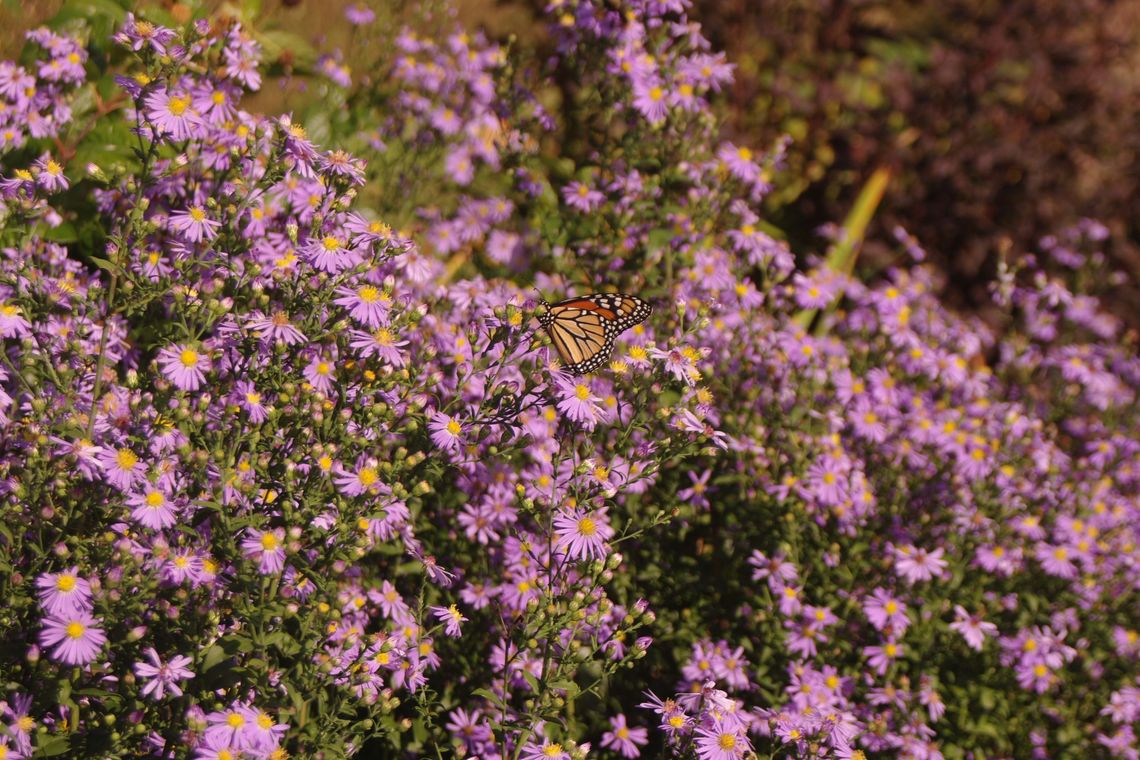
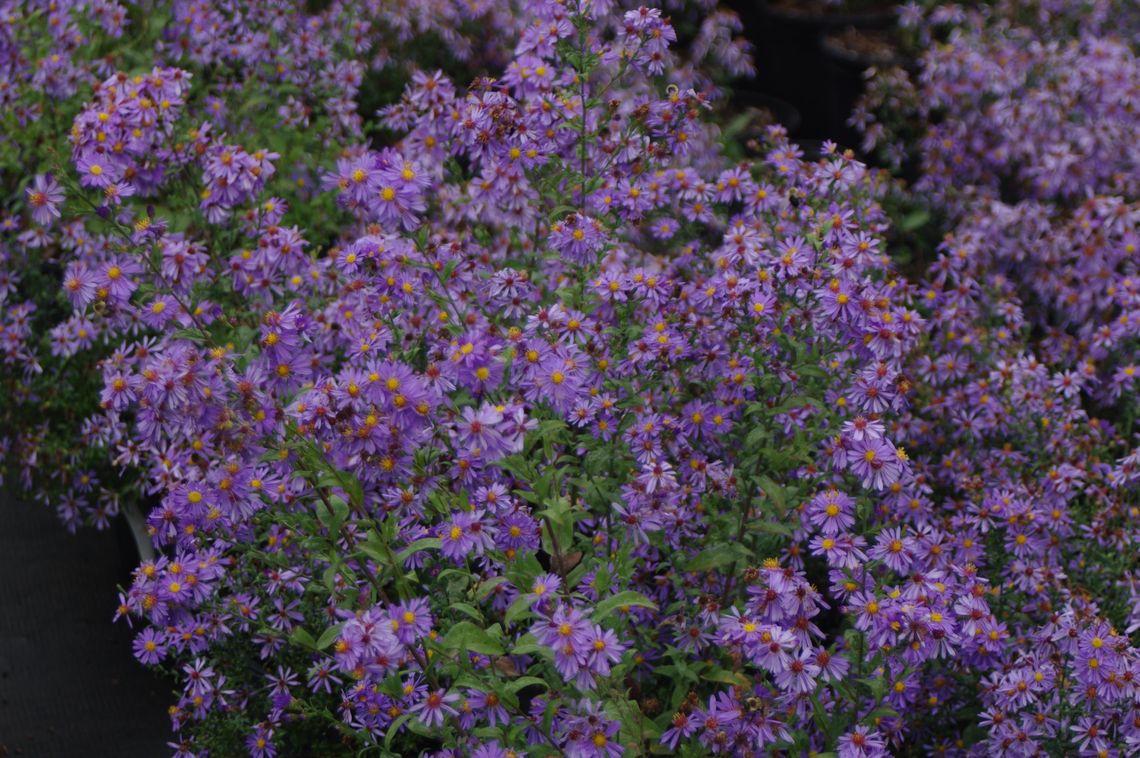
As the season begins to wind down, ‘Bluebird’ aster brings a welcome second wave of color and life to the garden.
Andrew Bunting highlights its ecological value, noting that late-season blooms are essential for pollinators and that native asters “are key for this function.” In addition to its ecological role, this selection stood out in Mt. Cuba trials, where it “outperformed all others” for reliability and garden performance.
For Eva, however, its impact is just as much about atmosphere as function. She describes it as creating “a dream-like quality that provides a cooling feeling at the end of summer into fall,” adding a soft visual calm just as the garden begins to fade.
She also emphasizes its versatility. ‘Bluebird’ works equally well in meadow plantings, perennial borders, or containers. For smaller spaces, she suggests pairing it with plants like roses, coleus, or hibiscus to create “layered, unexpected combinations” that extend seasonal interest.
Pair it with: Little bluestem, goldenrods, roses, or bold annuals for contrast.
Pro tip: Make sure to plant in full sun. Shade is the most common mistake.
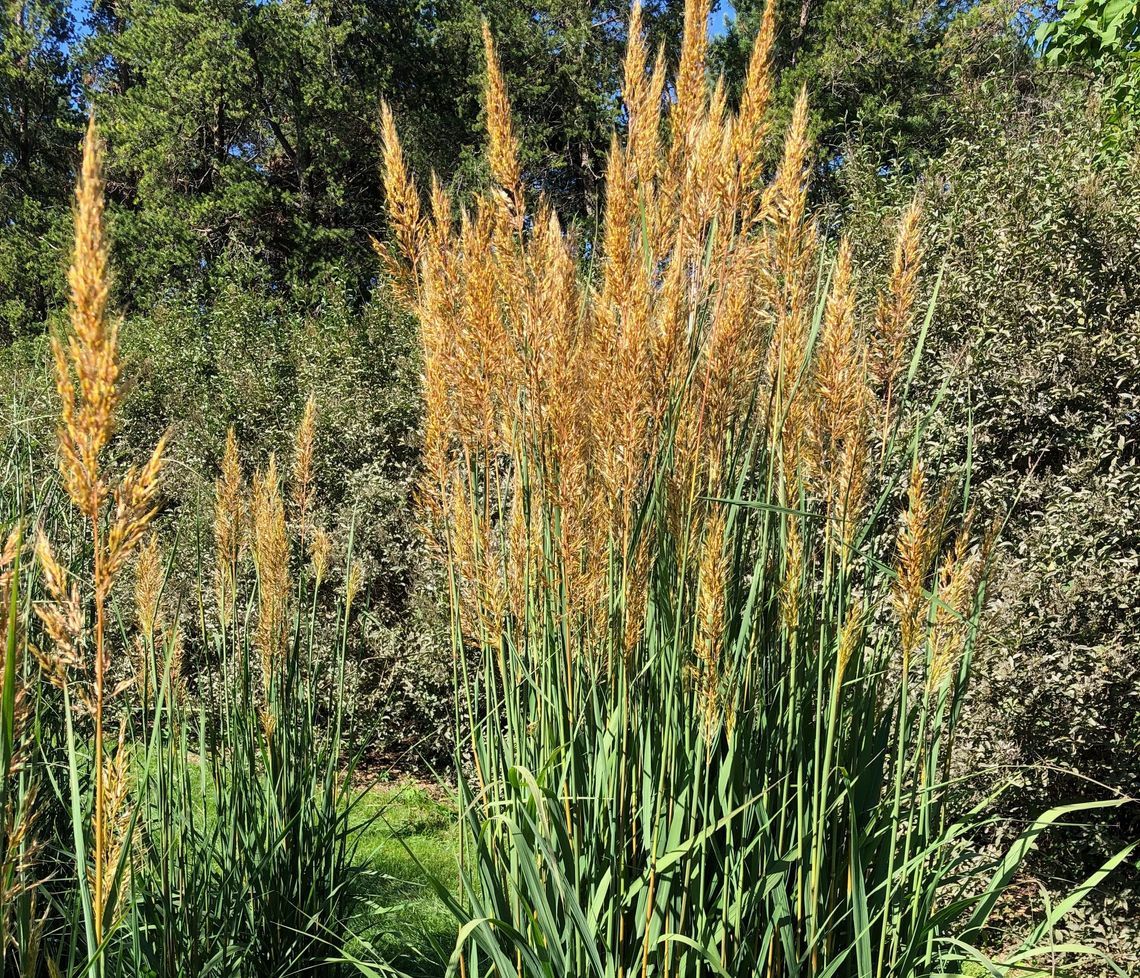
Grasses bring a garden to life, and Golden Sunset™ does it with both structure and movement. Andrew highlights its strength in mass plantings and meadow designs, along with its heat and drought tolerance.
Eva captures its visual impact: “a striking upright…like a changing curtain that shifts the entire paradigm of a garden.” That idea of transformation is key. As the plant moves from green to gold, it visually reshapes everything around it. She also points to its versatility: it can act as a hedge, a dividing wall, or a backdrop, especially in smaller urban gardens where space is limited, but height is available.
Pair it with: Asters, goldenrods, ironweeds, and rudbeckias for a pollinator-rich planting.
Pro tip: At least 6 hours of sun is essential. This plant thrives in bright, open conditions.
Great gardens are about relationships between plants and how they shape space. Take cues from both Andrew and Eva:
Join PHS to access gardening resources, free Know to Grow webinars, and discounts on select events throughout the year.
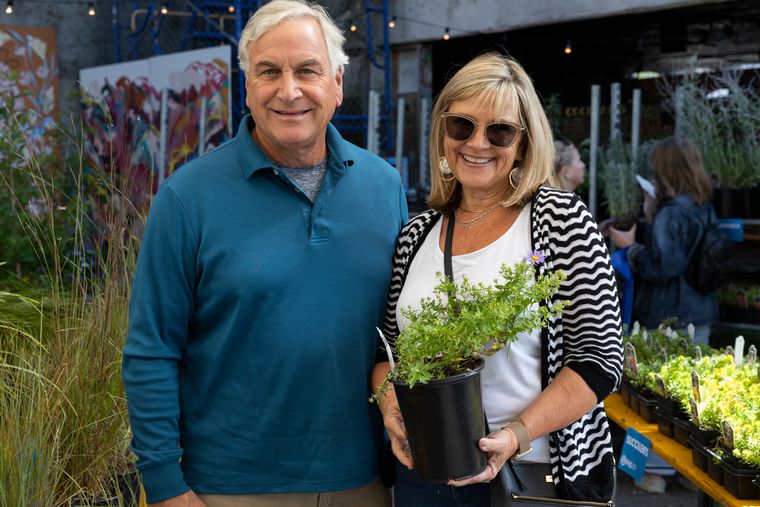
Gold Medal Plants are selected with real-world availability in mind and are often found at local garden centers across the Mid-Atlantic and zone 7 gardening region. When shopping, a few simple tips help:
You can also explore the full list and details in the PHS Gold Medal Plant database.
The program matters more than ever as climate conditions shift, and gardening becomes more complex. Gold Medal Plants are tested performers chosen for reliability, resilience, and beauty in our region. That’s what makes them so valuable: they help gardeners make confident, informed choices backed by real performance data and expert evaluation.
Gardening will always involve some experimentation, but it doesn’t have to feel uncertain. With Gold Medal Plants, you can start with what’s proven, and then make it your own with confidence.