leaf icon
leaf icon
leaf icon
calendar icon
Gardens To Visit
caret icon
Visit a PHS garden or landscape to help build stronger social connections with your community.
For Neighborhoods
caret icon
Explore programs that create healthy, livable environments and increase access to fresh food.
For Gardeners
caret icon
About Us
caret icon
Get to know our story, become a part of our staff, or see what is in the news with PHS.
The Flower Show

2026 Flower Show Trends Shaping the Future of American Gardening

April 14, 2026

leaf icon garden inspiration

leaf icon the flower show

cmnou9fv606tz11m8j3t6xy8r rewilding phoenix rising laurel brook gardens credit becca mathias 0 0 5827 3884 full

By Milan Tisdale

Each year, the PHS Philadelphia Flower Show sets the stage for what’s next in gardening and floral design. The 2026 Philadelphia Flower Show theme, “Rooted: Origins of American Gardening,” invited visitors to look back at the traditions that shaped gardening in the United States, while exploring how those ideas continue to evolve.  

This year, flowers and plants climbed into monumental forms, spilled across immersive landscapes, and transformed into living works of art. But as the show unfolded, it also offered something more compelling: a clear look at where gardening is headed next. 

For nearly 200 years, PHS’s Flower Show has served as one of the world’s most influential stages for garden design, floral artistry, and horticultural innovation. The 2026 Show continued that legacy, but the ideas emerging from this year’s installations felt especially expansive. Across exhibits, a common thread emerged: gardening is moving beyond surface beauty and toward something deeper, part artistic expression, part ecological stewardship, and an extension of our wellness practice. 

As Seth Pearsoll, Vice President and Creative Director of the Flower Show, puts it, “The Philadelphia Flower Show has long been a place where new ideas take root and influence gardening worldwide.” This year, those ideas reveal a distinct shift in how people think about their gardening spaces, their plants, and their connection to the natural world. 

Experience the Flower Show like never before! Early access, exclusive perks, and members-only moments await.

2026 Trending Houseplants: Carnivorous, Tropical, and Small-Scale Gardening 

Houseplants continue to shape some of the most compelling 2026 gardening trends, with this year’s Flower Show highlighting everything from statement tropicals to intimate small-scale plantings with a lot of personal flair.  

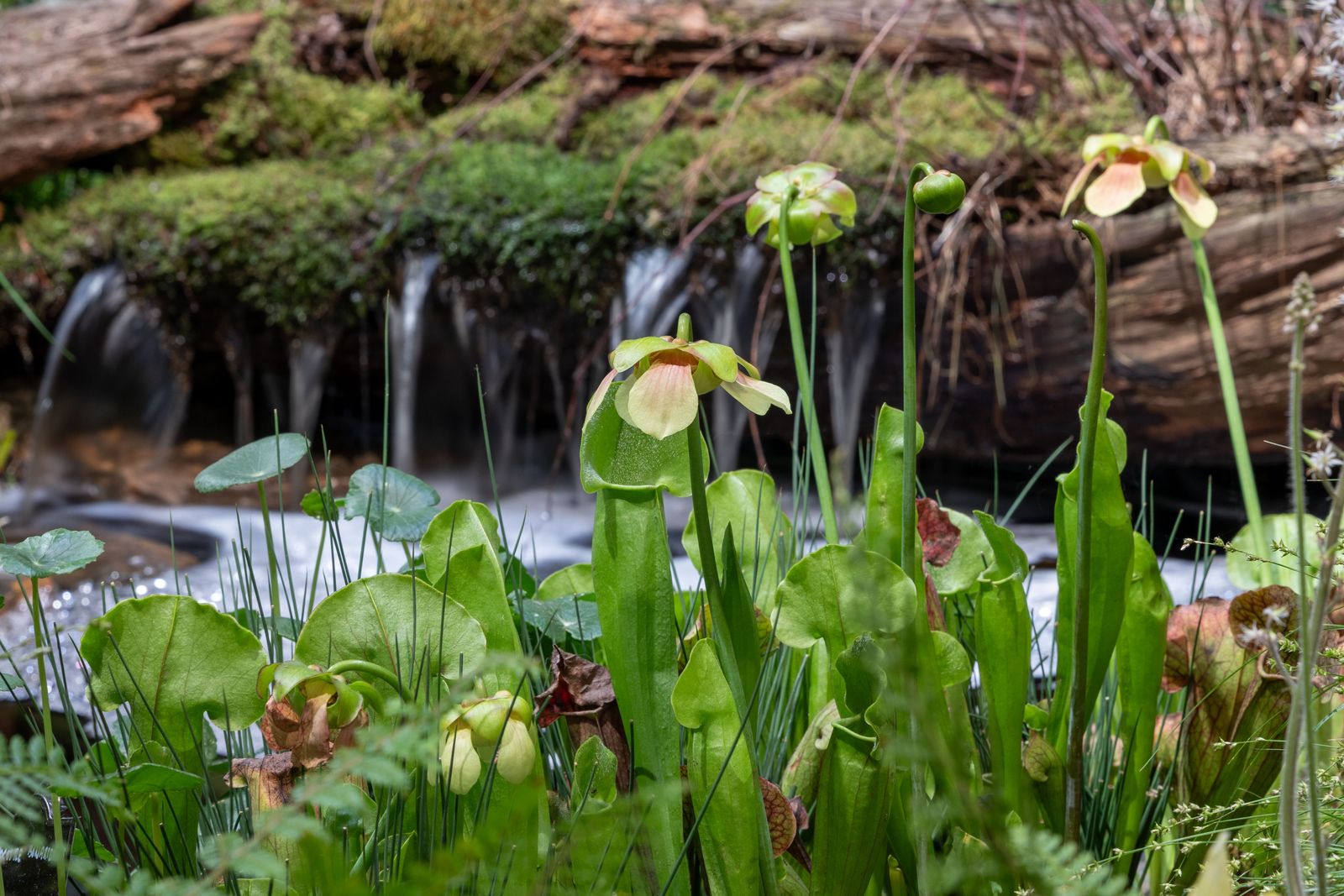
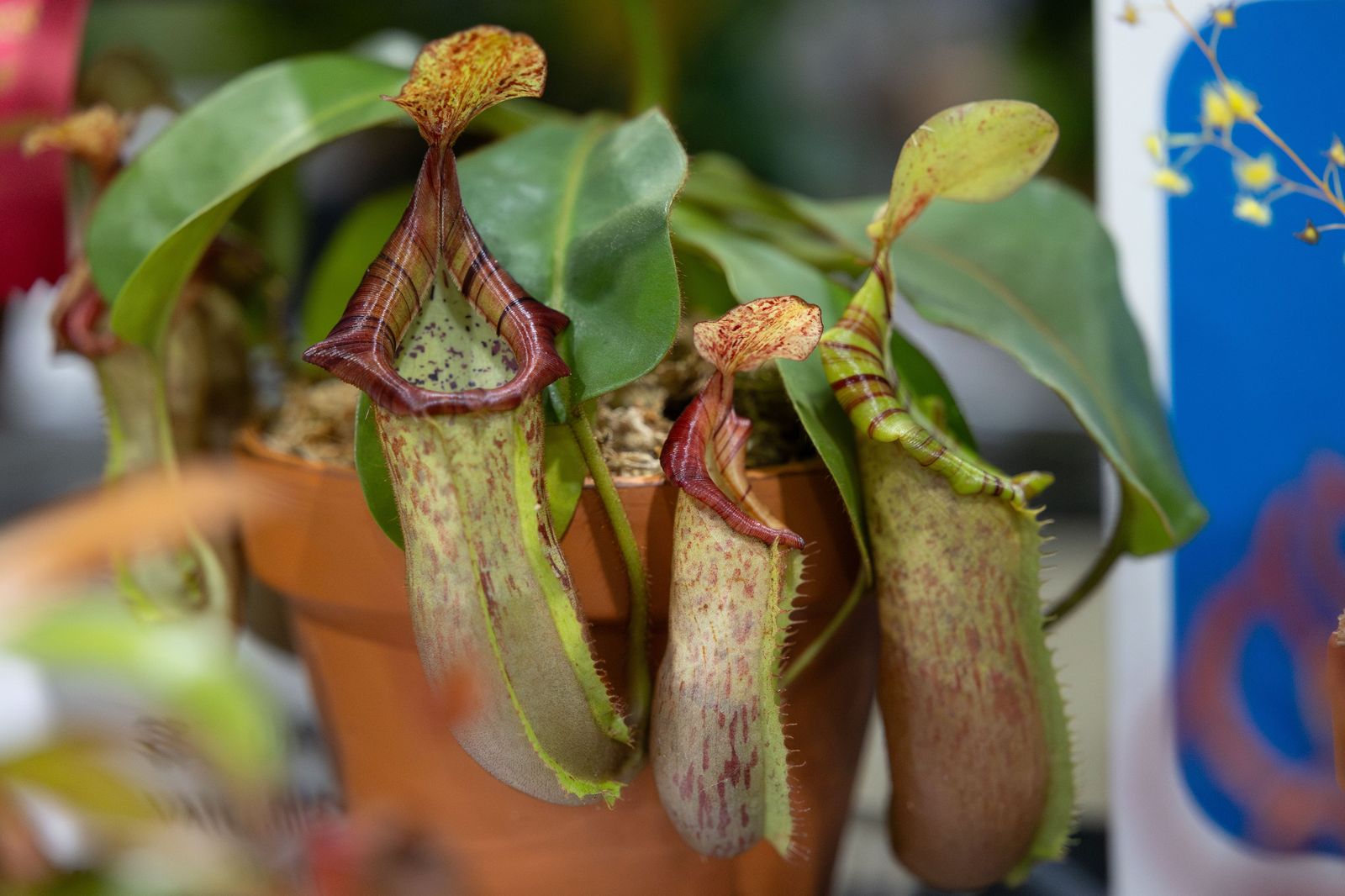
Carnivorous Houseplants

Among the most eye-catching were carnivorous plants, whose unusual forms and natural bug-eating abilities are driving renewed interest. Varieties like purple and sweet pitcher plants offer sculptural intrigue while helping manage pests naturally, making them as functional as they are visually striking. We expect to see more people gravitating towards this specific plant genre in the coming years. 

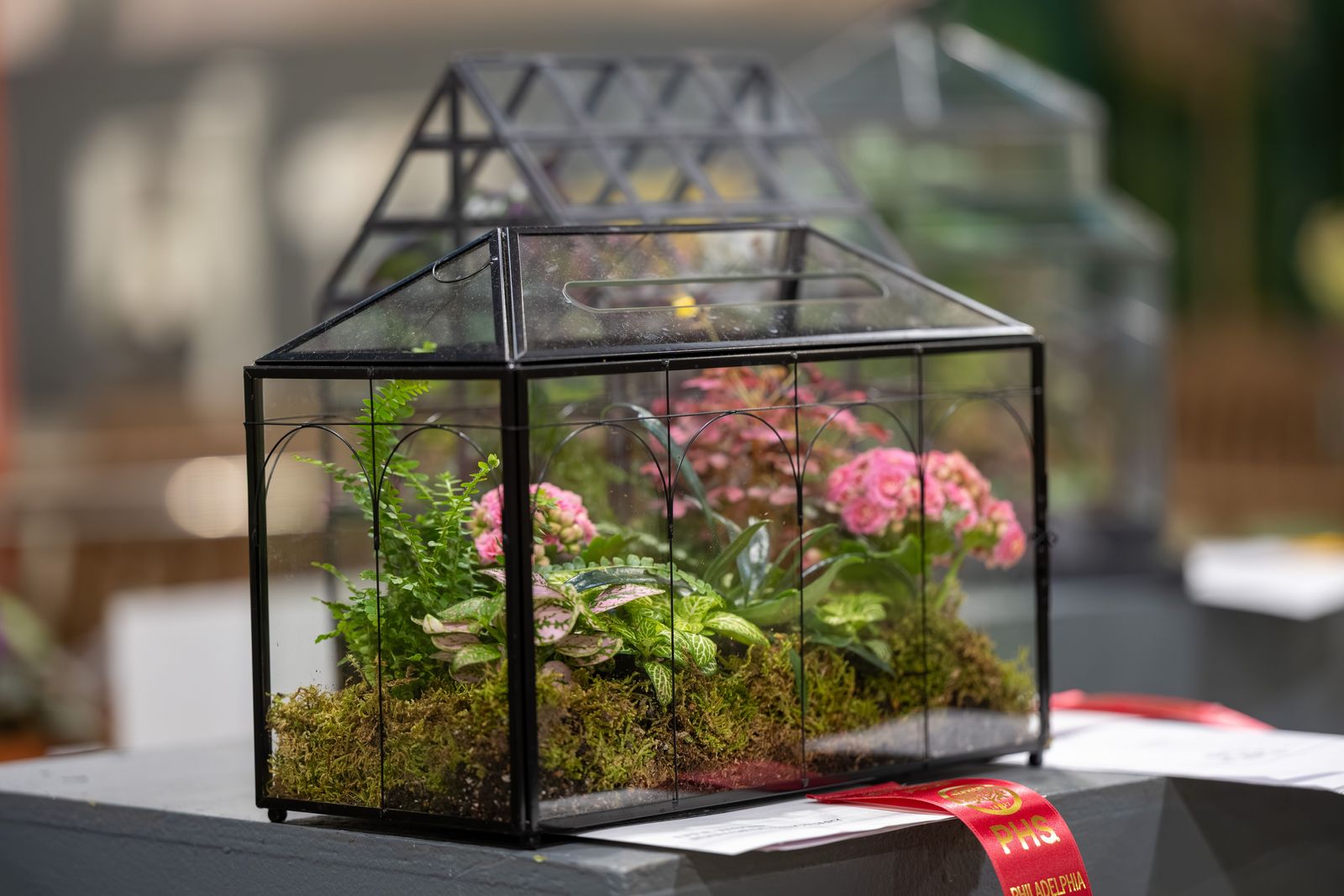
Terrariums and Small-Scale Houseplants

Terrariums and small-scale plantings remain popular but are being reimagined in creative vessels like Wardian cases, cloches, decorative bowls, and unique glass containers. These contained environments offer a design-forward, accessible way to engage with plants on a more personal level, particularly for apartment dwellers and first-time gardeners. 

Bold Tropical Houseplants

Meanwhile, bold tropical houseplants continue to anchor both large-scale displays and home interiors. Familiar favorites like Monstera deliciosa, rubber plants, fiddle-leaf figs, and weeping ficus are joined by collector-driven varieties such as Philodendron BirkinXanthosoma, and silver-toned Scindapsus pictus. At the Flower Show, Schaffer Designs’ FLORAMERE: A LIVING NETWORK used tropical foliage to create a lush, sculptural canopy, reinforcing the growing role of houseplants as architectural design elements within personal spaces. 

2026 Floral Trends: Sculptural, Expressive, and Unexpected 

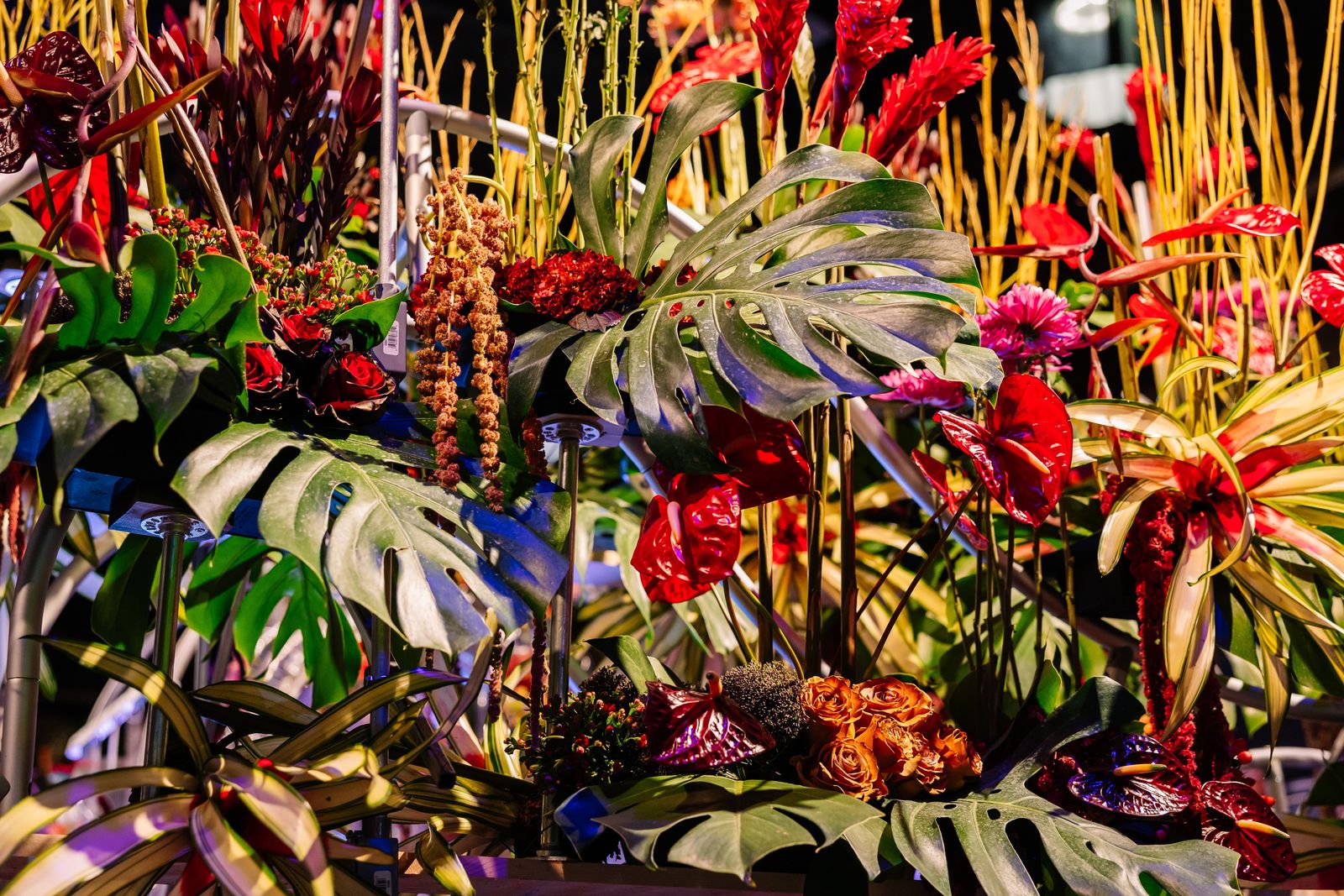
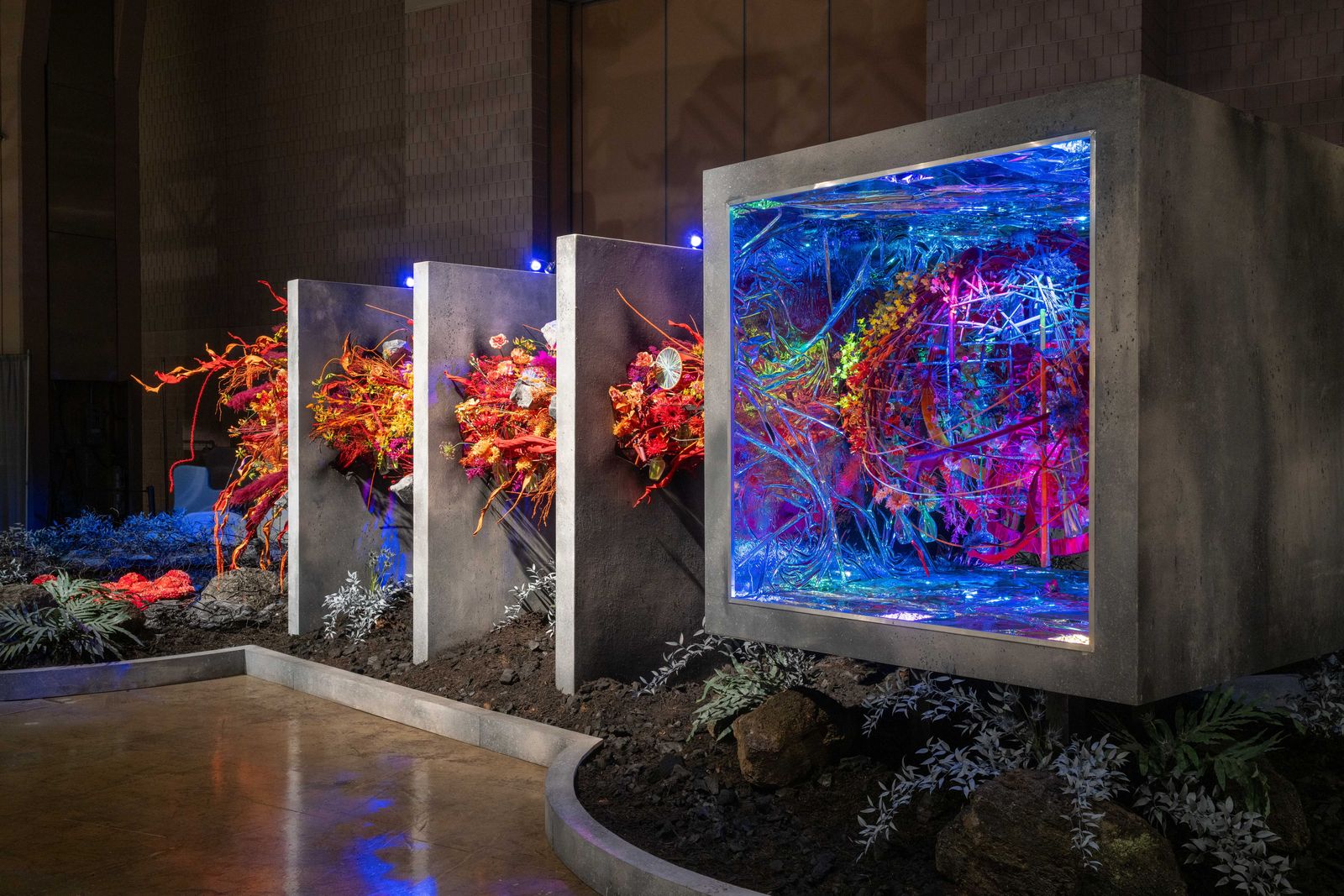
Floral design at the 2026 Flower Show transformed arrangements into immersive, artistic expressions. Large, structured installations incorporated branch work, texture, and unexpected materials, turning florals into statement pieces.  

Sculptural Floral Installations

One of the most striking trends to emerge from the 2026 Philadelphia Flower Show is the elevation of floral design to something closer to installation art, with flowers as an artistic medium. 

“People who are working with florals are seeking for their work to almost be seen as public art rather than just a floral display,” Pearsoll says. That evolution was visible throughout the show. 

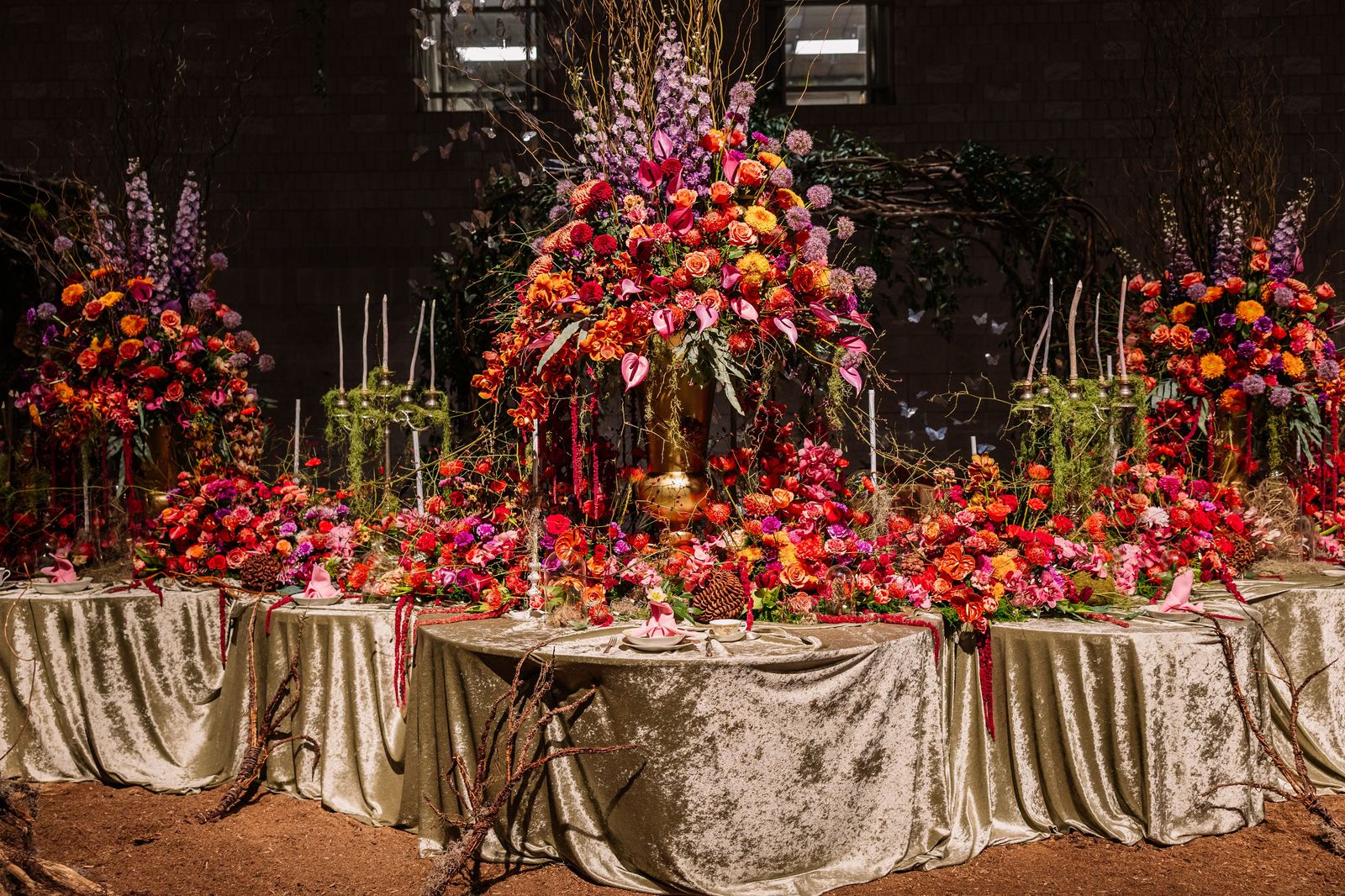
Towering tablescapes, oversized botanical structures, dramatic branchwork, and sculptural forms transformed traditional arrangements into unforgettable and photographable experiences. In many of the Flower Show’s most compelling floral designs, blooms were no longer the sole focal point. Bark, branches, dried materials, foliage, and negative space carried just as much visual weight. 

“The flower is almost no longer the centerpiece,” Pearsoll explains. “The mechanics of design are just as important as the flower itself.” 

This reflects one of the biggest 2026 floral design trends: florals are being treated less as decoration and more as an artistic medium. Designers are working at an architectural scale, creating forms that feel monumental and expressive. 

For home gardeners and floral enthusiasts, this trend offers permission to think beyond the normal bouquet. Texture, structure, and sculptural composition now matter as much as flowers and color. 

Massed Blooms and Rounded Forms

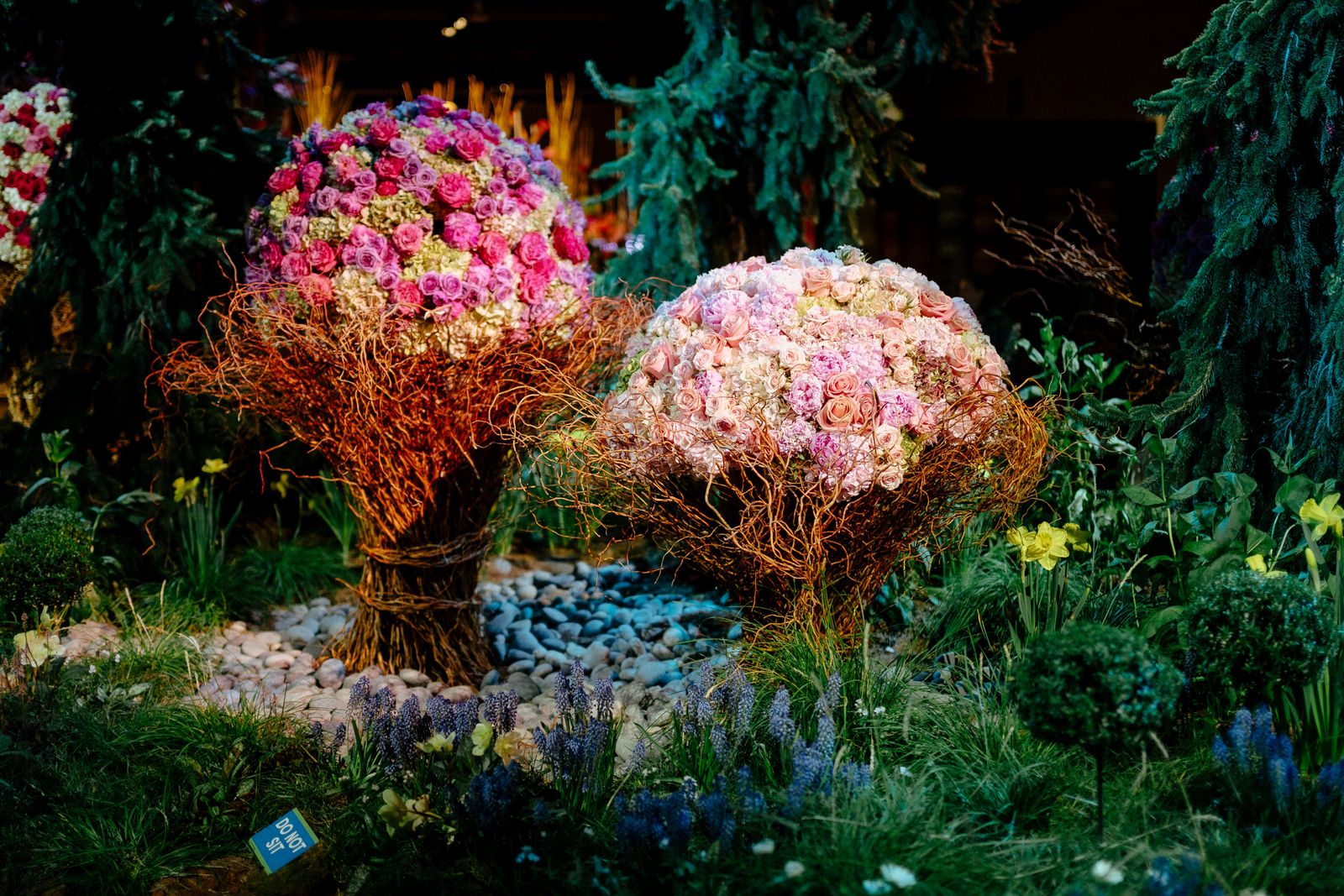
Another defining gardening trend from the 2026 Flower Show is the power of repetition. Rather than mixing many species and colors into a single display, designers are leaning into massing; repeating a single bloom, shape, or color until it becomes dramatic. 

Hydrangeas, delphiniums, roses, sunflowers, seed heads, and rounded blooms were used in dense, sculptural clusters that created rhythm and visual movement throughout the Flower Show’s exhibits. 

“People are going right into it,” Pearsoll says. “They’re just like, I’m doing millions of this shape, and that’s what’s going to make it cool.” 

This move toward monochromatic floral design and repeated forms is reshaping how arrangements are built. Rounded shapes, especially spherical blooms and seed heads, created softness and drama at once. 

Unexpected Botanicals

Elements that were once overlooked are now being embraced: Petal-less flowers, seed heads, and dissected plant forms bring texture and structure to arrangements.  

Monochromatic Color and Repetition

Color palettes are reinforcing this shift as well. Rich jewel tones, deep blues, burgundies, saturated pinks, and layered reds create cohesive, immersive statements across floral and garden design. 

The result from all of these trends is striking: a more art-forward approach to floral styling that is likely to influence both event design and home gardening trends throughout 2026. 

2026 Landscape Trends: Natural, Wellness- Focused, and Accessible 

The Garden as a Living System 

Beyond aesthetics, one of the most significant trends emerging from the Flower Show is philosophical. 

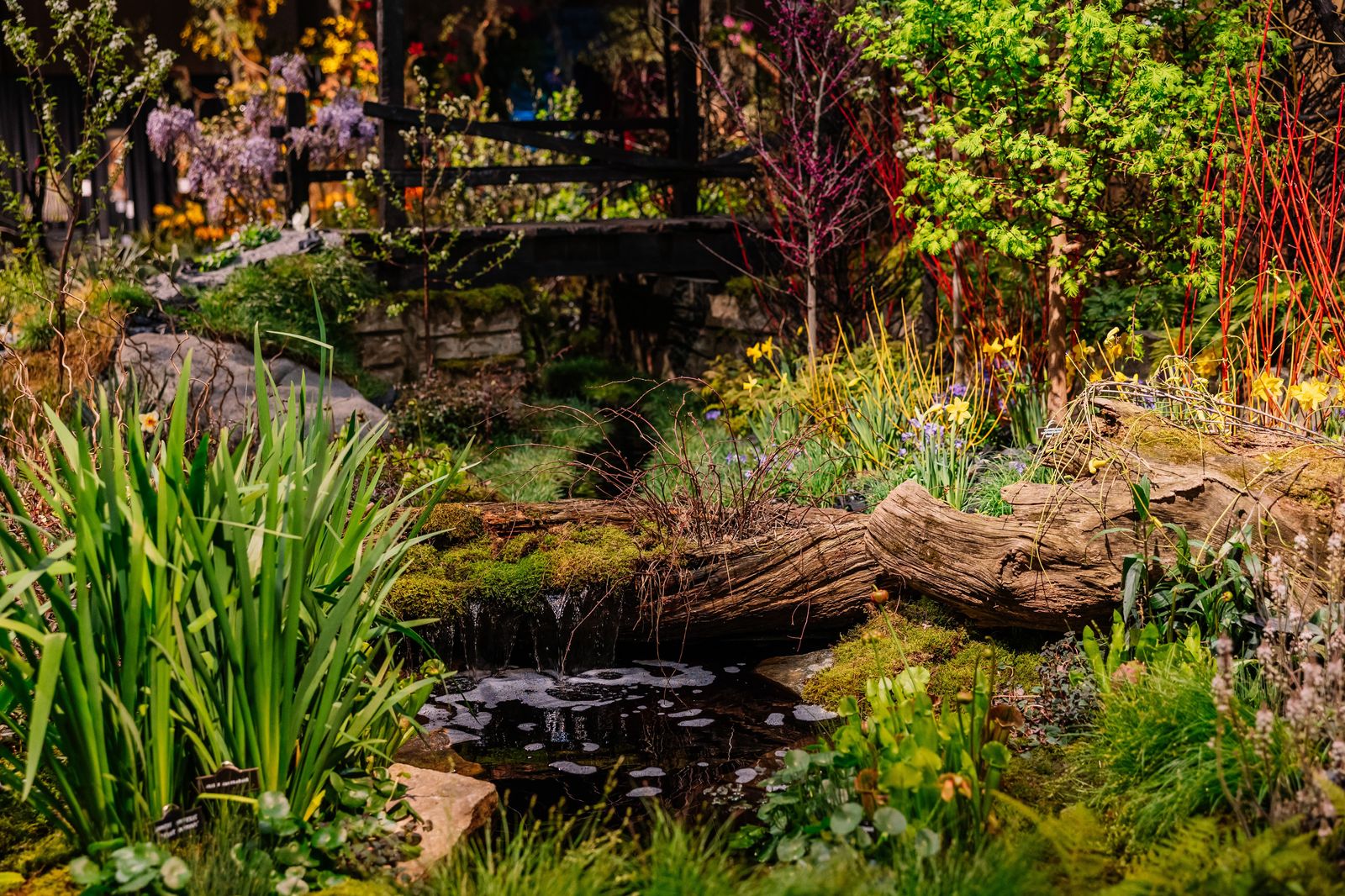
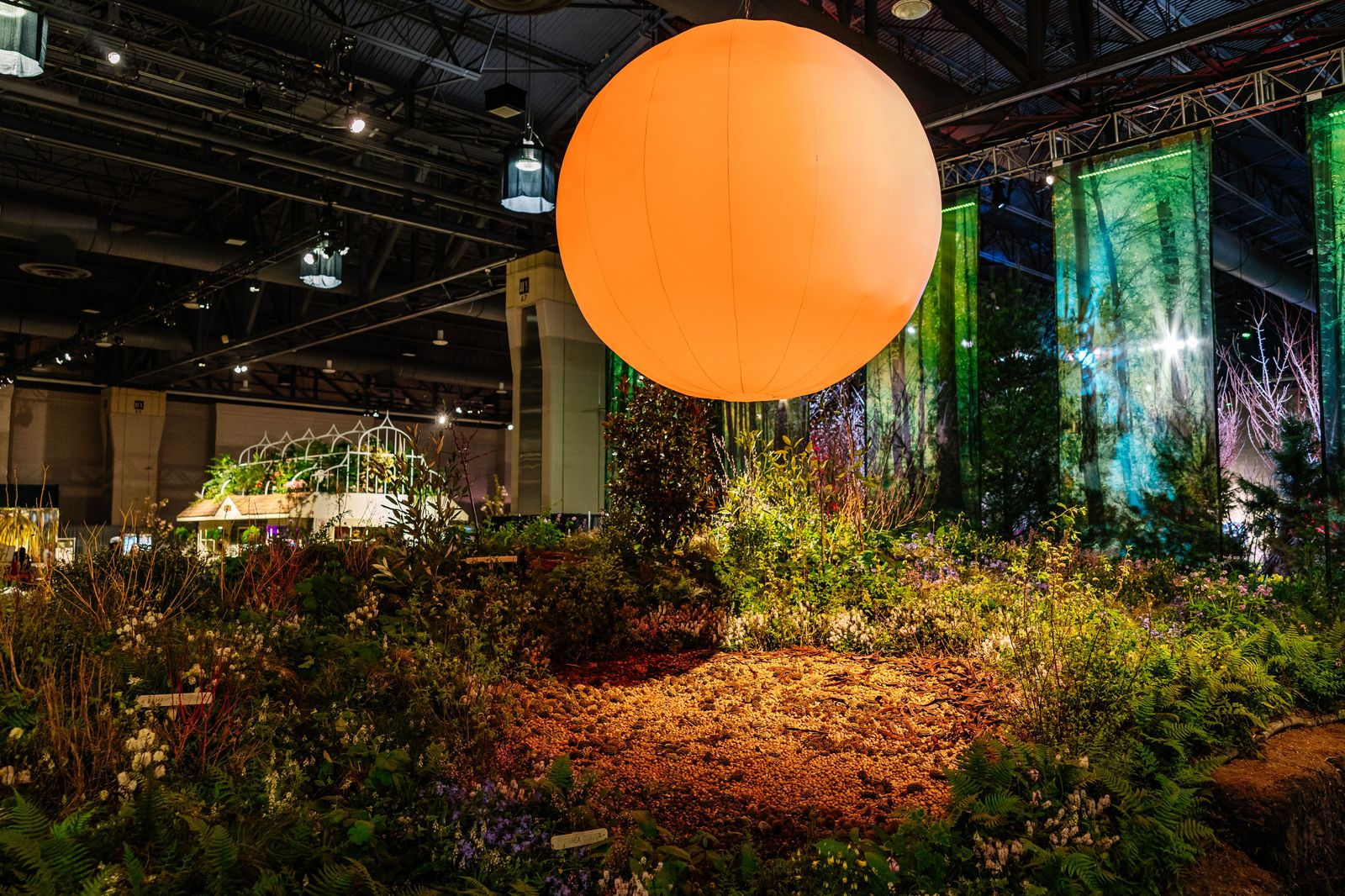
Landscape design is increasingly moving away from rigid layouts and toward systems-based thinking. In other words, the garden is no longer simply a designed space. It is being approached as a living ecosystem.  “You don’t have to be a designer,” Seth explains. “but you have to think of your plants as part of a natural system, and you’re restoring that system.” 

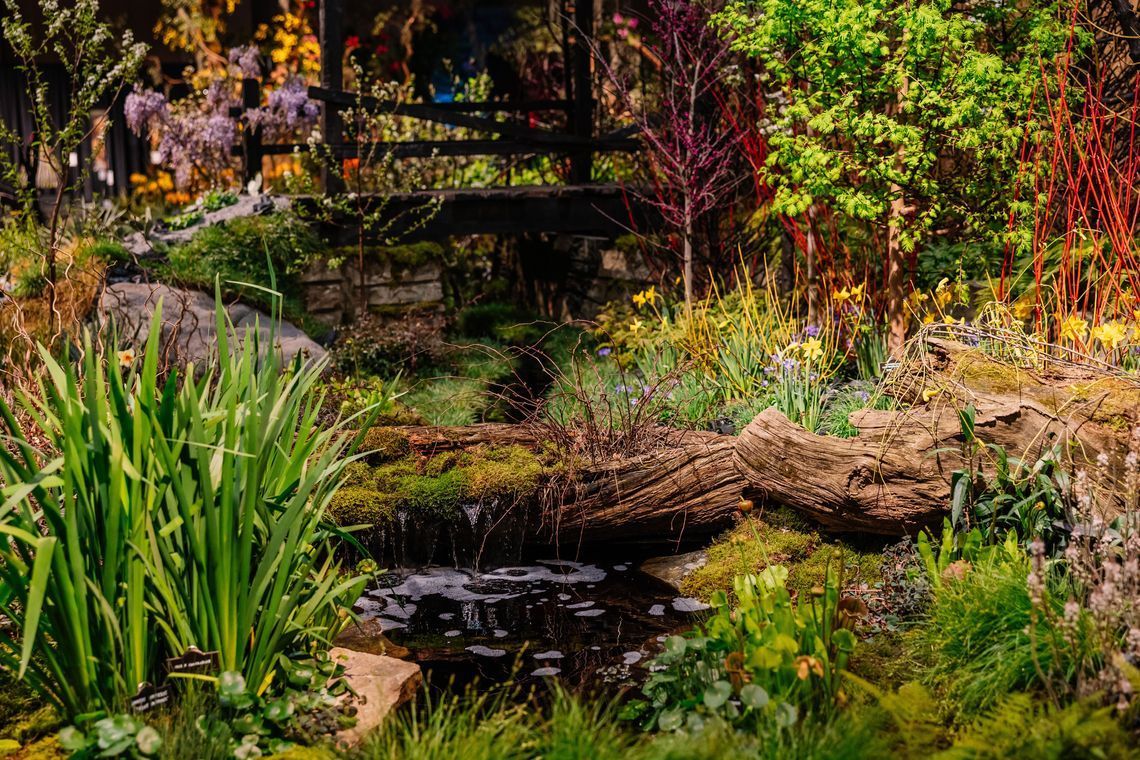
This systems-driven approach continues to shape some of the most important garden design trends of 2026, particularly around native planting, pollinator support, and rewilded landscapes. Rather than creating spaces that look highly controlled, designers are embracing gardens that feel organic, layered, and intentionally less touched by the human hand. Native plants, pollinator-friendly species, and ecological restoration strategies are helping gardens function as habitats as much as visual spaces. 

This shift reflects a growing public interest in sustainable gardening and environmental stewardship. For everyday gardeners, the takeaway is simple: think less about perfection and more about purpose. 

How do your plants work together? 
What do they support? 
What kind of system are you helping restore? 

Those questions are becoming just as important as what looks good in bloom. 

Ground-Level Texture Is Redefining Garden Design  

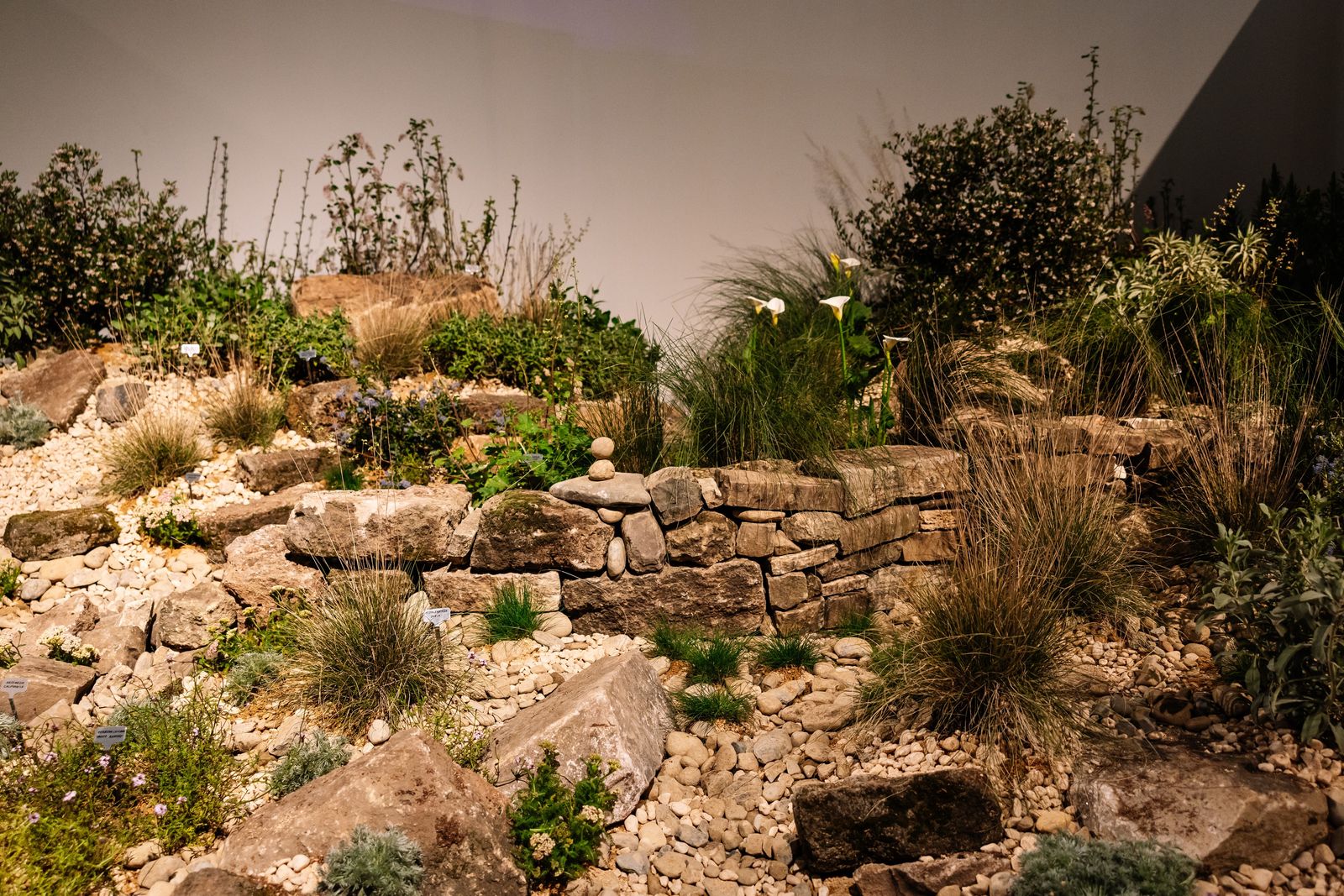
Ground-level textures are also playing a larger role in 2026 garden design trends. At this year’s Philadelphia Flower Show, materials like stone, sand, crushed shells, and terracotta replaced more traditional hardscaping to create depth, texture, and visual interest.  

Rather than serving as a simple backdrop, these layered surfaces help define movement through the garden and make the space feel more organic and immersive. For home gardeners, it’s an approachable way to add dimension and character without a full redesign. 

Why Soil Is Having a Wellness Moment 

Perhaps the most unexpected trend from this year’s Flower Show is happening below the surface. 

“Soil is really experiencing a moment right now. People are paying attention to it in a way they didn’t before.” Pearsoll says. More specifically, the growing interest in soil health mirrors broader shifts in wellness culture. 

“I actually think this is an output of wellness culture,” he explains. 

As consumers increasingly pay attention to food sourcing, nutrition, and ingredients in their daily lives, that same mindset is now influencing gardening. People want to know where their plants come from, what their soil contains, and how to support long-term plant health. Boutique soils, specialized amendments, organic blends, and plant-specific mixes are all gaining traction. It reflects a deeper change in industry thinking, a move away from growing for surface-level beauty alone and toward whole-plant health. 

Gardeners are no longer just chasing bigger blooms or more vegetable output. They are thinking holistically about the plant’s health. In many ways, soil has become the wellness language of gardening. 

Gardening Design Becomes More Accessible 

The future of gardening is also becoming more approachable. “There’s a whole new level of access that’s permeating into the garden space,” Pearsoll says. 

What once required significant investment: outdoor lighting, atmospheric design elements, or curated balcony spaces, is now more attainable for renters, apartment dwellers, and first-time gardeners. Affordable solar lighting, app-controlled landscape lights, and low-cost design elements are allowing people to transform patios, porches, and balconies with minimal cost while offering high levels of customization.  
What These 2026 Gardening Trends Mean for Home Gardeners

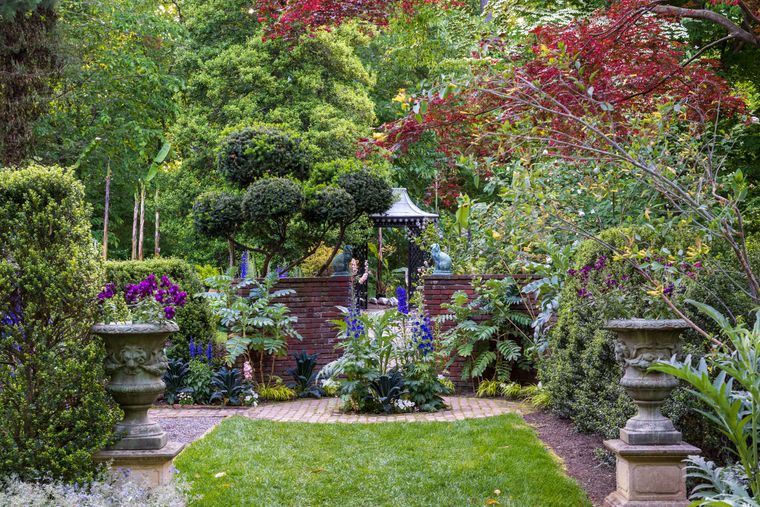
The 2026 Flower Show demonstrates how gardening continues to evolve while staying deeply connected to its origins. This year’s trends highlight a shift toward more meaningful, accessible, and sustainable gardening practices. 

Whether you’re experimenting with a terrarium, incorporating native plants, or rethinking how you design your space, these trends offer inspiration for gardeners at every level. 

As the Flower Show looks ahead to its return in 2027, one thing remains clear: the future of gardening is not just about what we grow, but how we stay rooted in the process. 

Want to be the first to know about the next Philadelphia Flower Show? Sign up for updates.