leaf icon
leaf icon
leaf icon
calendar icon
Gardens To Visit
caret icon
Visit a PHS garden or landscape to help build stronger social connections with your community.
For Neighborhoods
caret icon
Explore programs that create healthy, livable environments and increase access to fresh food.
For Gardeners
caret icon
About Us
caret icon
Get to know our story, become a part of our staff, or see what is in the news with PHS.
The Flower Show

Native Trees with Edible Fruits

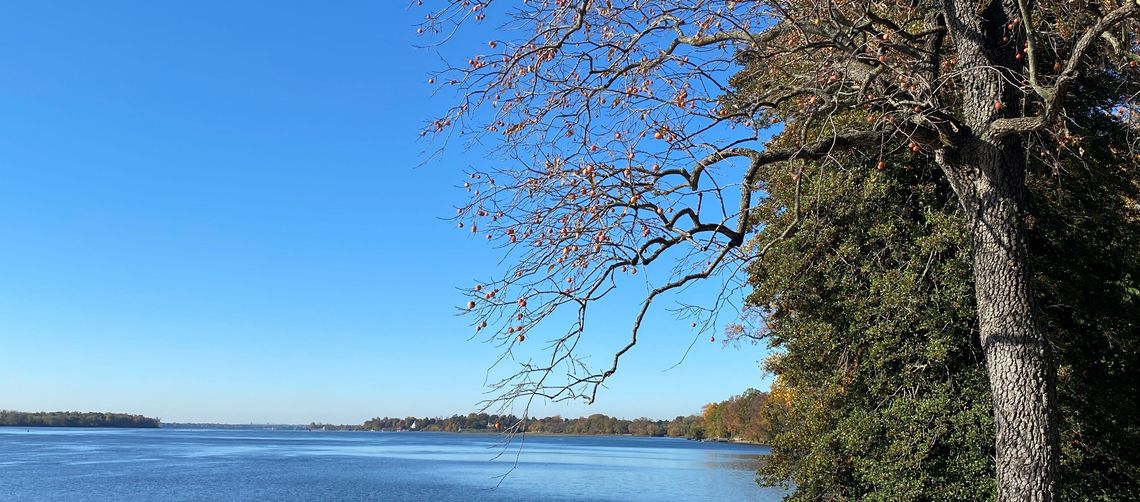
diospyros virginiana andalusia

Diospyros virginiana-Andalusia

By Andrew Bunting, PHS Vice President of Horticulture

The interest in growing native plants is perhaps at an all-time high. Many home gardeners are conscious of the need for everyone to “do their part” in creating habitats by making changes to their garden that enhance ecological functions. Also, very popular in home gardens is growing fruit trees. Backyard fruit growing can be done on relatively small properties in Philadelphia and its suburbs. The Philadelphia Orchard Project is a great advocate for fruit growing.

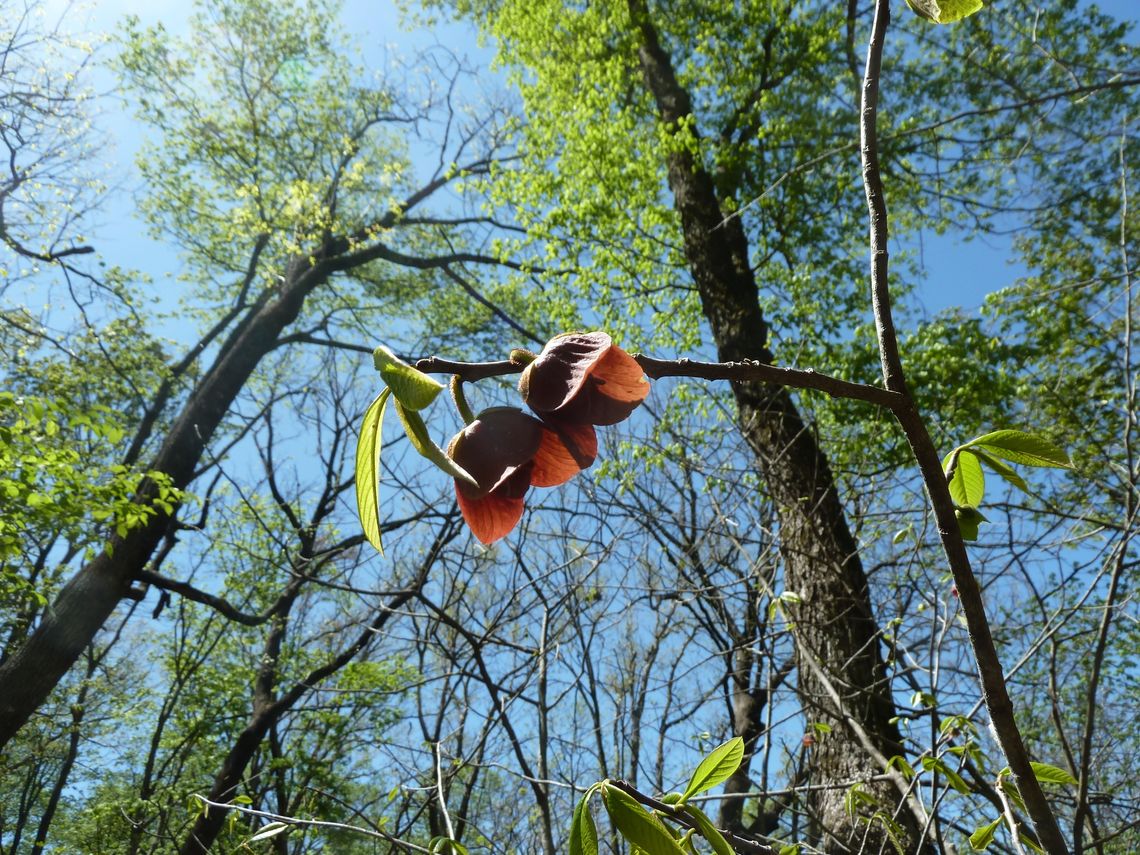
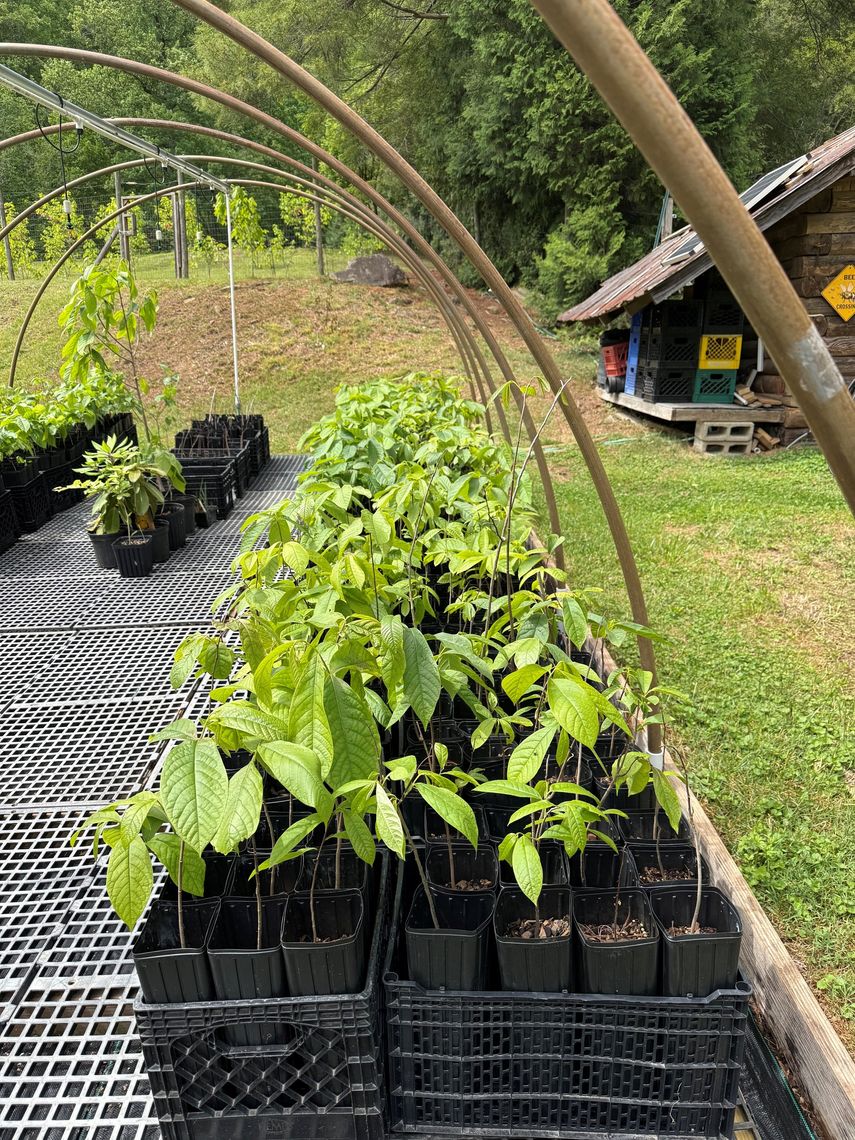
One of the most popular native fruits is the pawpaw, Asimina triloba. This medium-sized tree is an understory plant often found in low areas of native deciduous woods across most of the Eastern United States. It grows stoloniferously (via underground stems), often forming large colonies. In cultivation, it will thrive in full sun and will flower and fruit better. In the spring, curious flowers emerge with six overlapping burgundy petals. The flower is pendant and bell-shaped. The flowers have evolved to resemble the color of rotting flesh, thereby attracting flies that facilitate pollination. More than one cultivar or genetic selection is needed for cross-pollination. Short, banana-like fruits form from June through August. Some exceptional cultivars include ‘Potomac’ with sweet fruits, ‘Shenandoah’ with a banana-like flavor, and ‘PA Golden’, a high-yielding cultivar.
asimina triloba
Asimina triloba

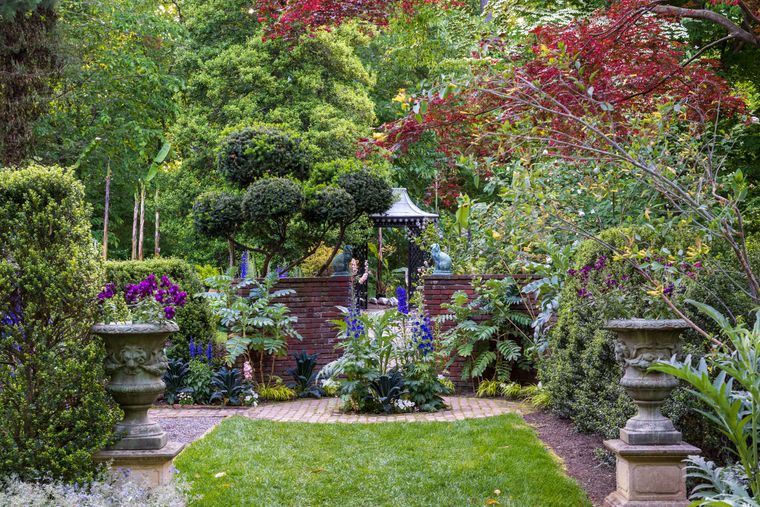
In 2022, she engaged local landscape architect, Jesse Forrester to help her layout her garden and add some structural elements.  They created a series of circular “garden rooms” that include several water features and an inviting sitting area.  Nicole focuses on perennials while minimizing annuals.  She does have several self-sowing annuals and perennials which come up serendipitously in the garden each year.  A diversity of bulbs are planted in drifts to create a naturalized effect. 

Nicole does not spray for insects or diseases in the garden.  She also aspires to eliminate as much lawn as possible and is constantly expanding her planting beds. She does not bring any mulch into the garden from external sources to help eliminate potential weed sources.  And, like many gardens her garden is a work in progress, where she is always looking for ways to improve the garden and is adding new and interesting plant and editing out others.