seasonal tips
plant care
By Sally McCabe, Associate Director of Community Education at PHS
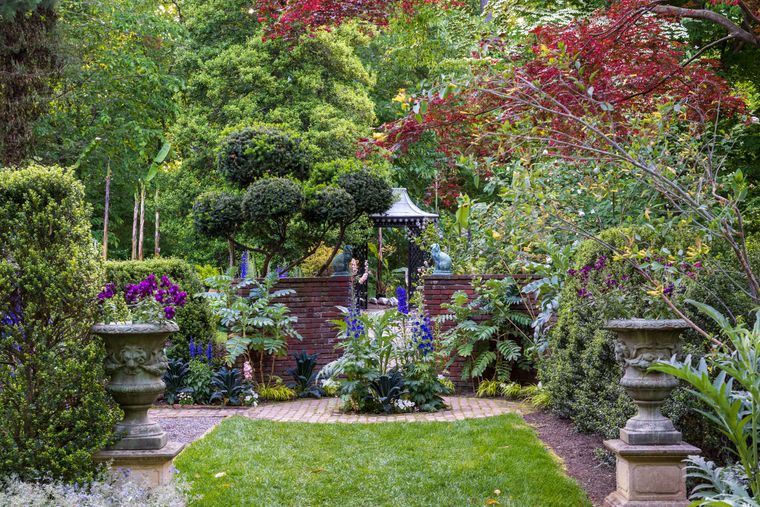
We’ve all been there: the April garden is a technicolor dream of tulips, daffodils, and hyacinths. But by late May, the party is over. The colorful petals have dropped, leaving behind a sea of floppy, yellowing leaves that look more like a neglected lawn than a curated landscape. It’s the "awkward teenage phase" of the garden, and it leaves many gardeners asking: what now? Do I leave them? Pull them? Is it too late to plant something else?
To keep your garden blooming without a "brown-out" gap, you need to understand the fundamental differences between spring bulbs vs. summer bulbs.* Think of it as a relay race: the spring bulbs have run their lap, and now it’s time for the heat-loving summer showstoppers to take the baton.
*We’re calling them all BULBS because it’s convenient, but many are actually corms, rhizomes, tubers, and stolons.
When most people think of a stem, they picture the stalk that holds up a flower or leaf above the ground. But stems can also grow underground or along the soil surface and perform very different jobs. Some store energy, some help plants spread, and others help plants survive winter and periods of dormancy.
Rhizomes, tubers, corms, and stolons are examples of modified stems (specialized plant structures adapted for nutrient storage, asexual reproduction, and long-term survival). Storage roots serve a similar purpose but are roots rather than stems.
The primary difference lies in their internal clocks and their relationship with the Zone 7 or Mid-Atlantic weather.
Planted in the autumn, these bulbs (like tulips, daffodils, and crocus) require a cold dormant period, or a "big chill," to reset their growth cycle. They are hardy perennials that withstand our sub-freezing winters and provide that essential early-season hit of color for the soul. However, they are short-distance runners; once the heat of June hits, they are ready to go dormant.
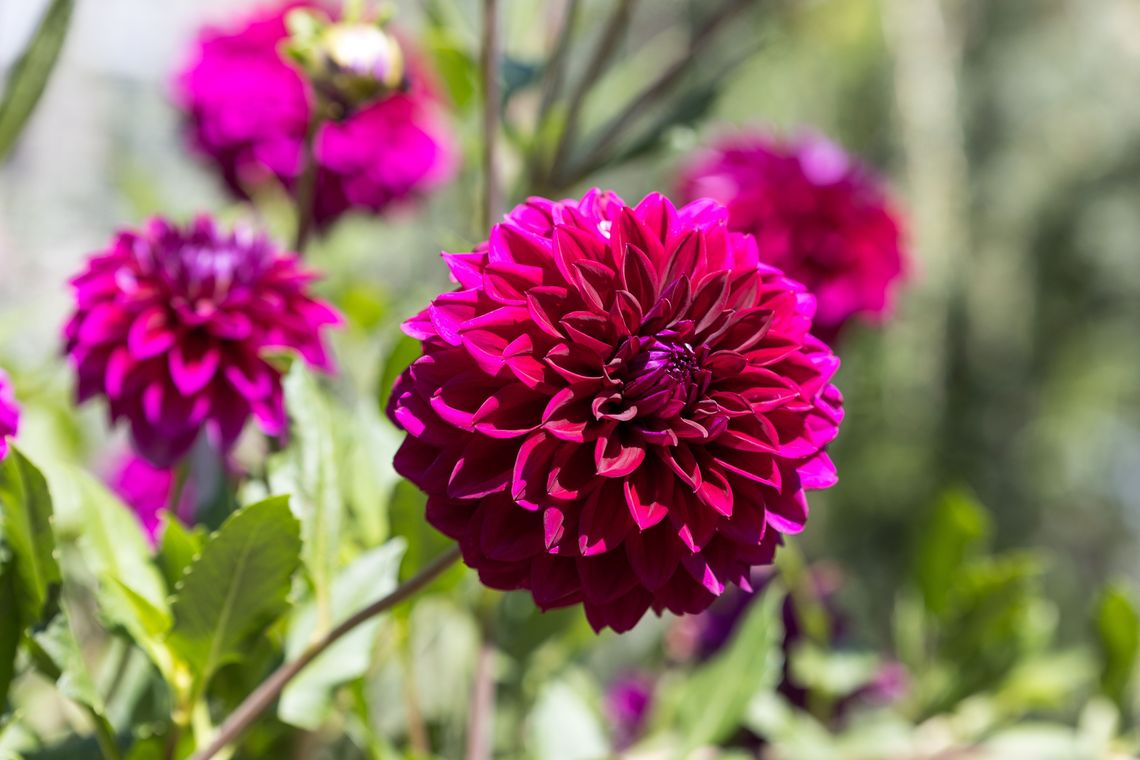
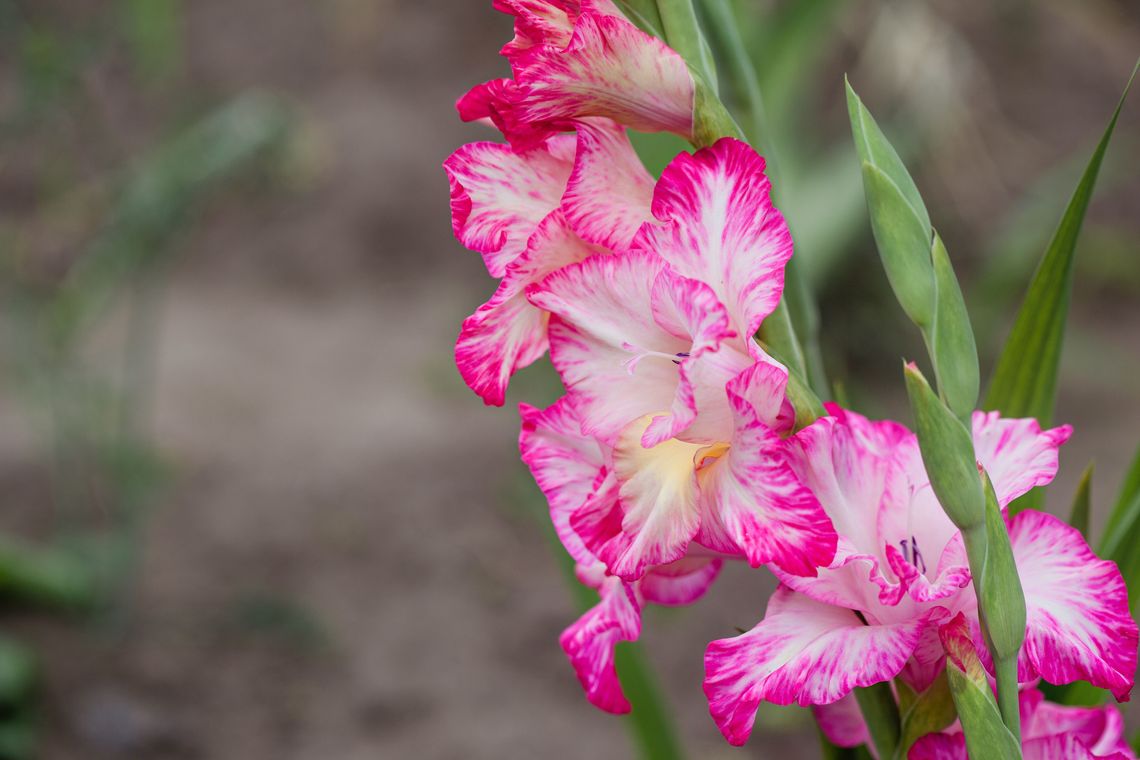
Think dahlias, cannas, and gladiolus. These are the opposite; they crave the heat. Most are tropical or semi-tropical, meaning they aren't particularly winter-hardy here in Zone 7. They offer a much longer bloom window, often going from mid-summer right up until the first frost kills the foliage.
The most common mistake is "cleaning up" too early: leave the foliage alone. Those fading leaves are solar panels, sending energy down into the bulb to create next year’s flowers. If you cut them while they’re green, your bulbs will return smaller next year; if they return at all.
You have my permission to get rid of anything you don’t like the look of only once it turns yellow and pulls away from the ground with a gentle tug. If it's still anchored firmly, it’s still doing the work.
Keep growing with confidence. Join upcoming Know to Grow webinars for expert seasonal gardening advice.
While many wait for Mother’s Day, the soil is often still too cool for tropicals. Wait until the soil is consistently 60°F. If you plant a dahlia tuber or a canna rhizome in cold, soggy April soil, it’s more likely to rot than to grow.
For bold, reliable color, I always lean on a few favorites that bring a "good story" to the garden:
Absolutely. As your daffodils finish blooming and their leaves start to fade, you can carefully tuck dahlia tubers into the spaces between them. Just be mindful not to slice through your spring bulbs with your trowel!
This is the big question: can you leave bulbs in the ground?
For Spring Bulbs: Yes, they stay. They need the winter cold.
For Summer Bulbs: In Zone 7, it’s a gamble. While a mild winter might let a canna survive with heavy mulch, most dahlias and gladiolus will turn to mush if the ground freezes. I recommend not rolling the dice and getting your hands dirty so you can save these precious garden gems for next year.
Storing bulbs for winter is a simple three-step process:
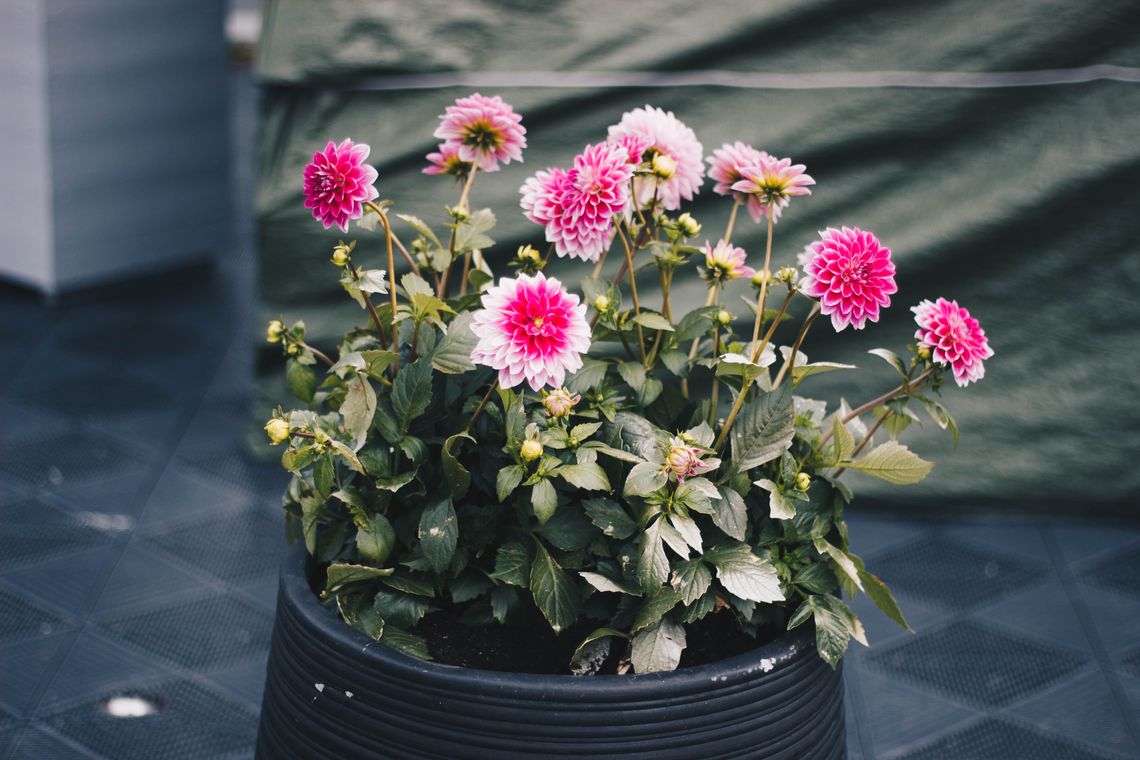
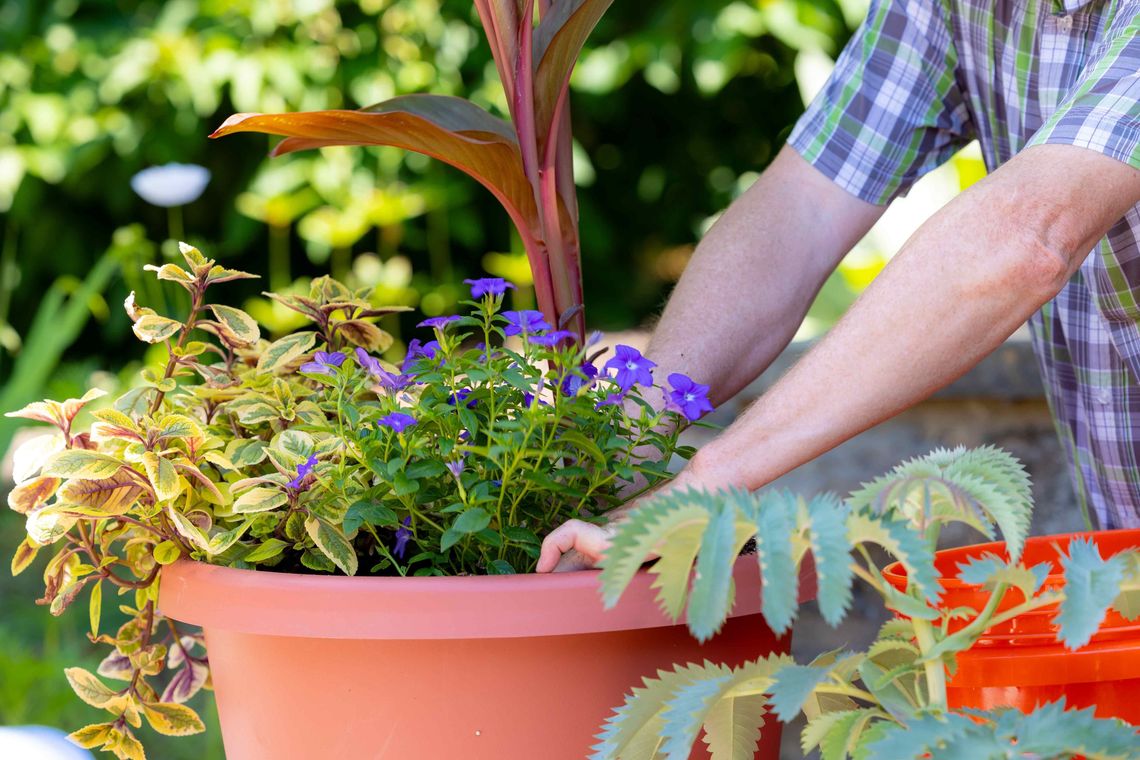
If the "relay race" in your garden beds sounds too complicated, try growing bulbs in pots. Containers simplify the seasonal change. You can have a pot of tulips on your front porch in April, and when they finish, simply move the entire pot to a "nursery" area in the backyard to let the foliage die back privately. You can then swap it out for a fresh container of pre-started dahlias or caladiums. It’s "instant gratification" gardening and is ideal for small spaces or urban patios.
Don't view the end of spring blooms as a loss; view it as an opportunity. The rhythm of the garden is about ebb and flow. By managing your spring bulb "aftercare" and timing your summer bulb planting, you can eliminate the summer gap and keep your landscape vibrant from the first crocus to the last dahlia.
At the end of the day, gardening is about experimentation. Maybe this is the year you try a storage tomato in the same bed as your gladiolus or finally surrender to the "chickweed tonic" while waiting for your dahlias to sprout. Whatever you choose, keep growing!