plant care
seasonal tips
sustainable gardening
By Andrew Bunting, PHS VP of Horticulture
When pruning hydrangeas, it’s important to know that it is not a “one-size-fits-all” task. The genus Hydrangea includes many species and cultivars, and they can behave quite differently in the garden.
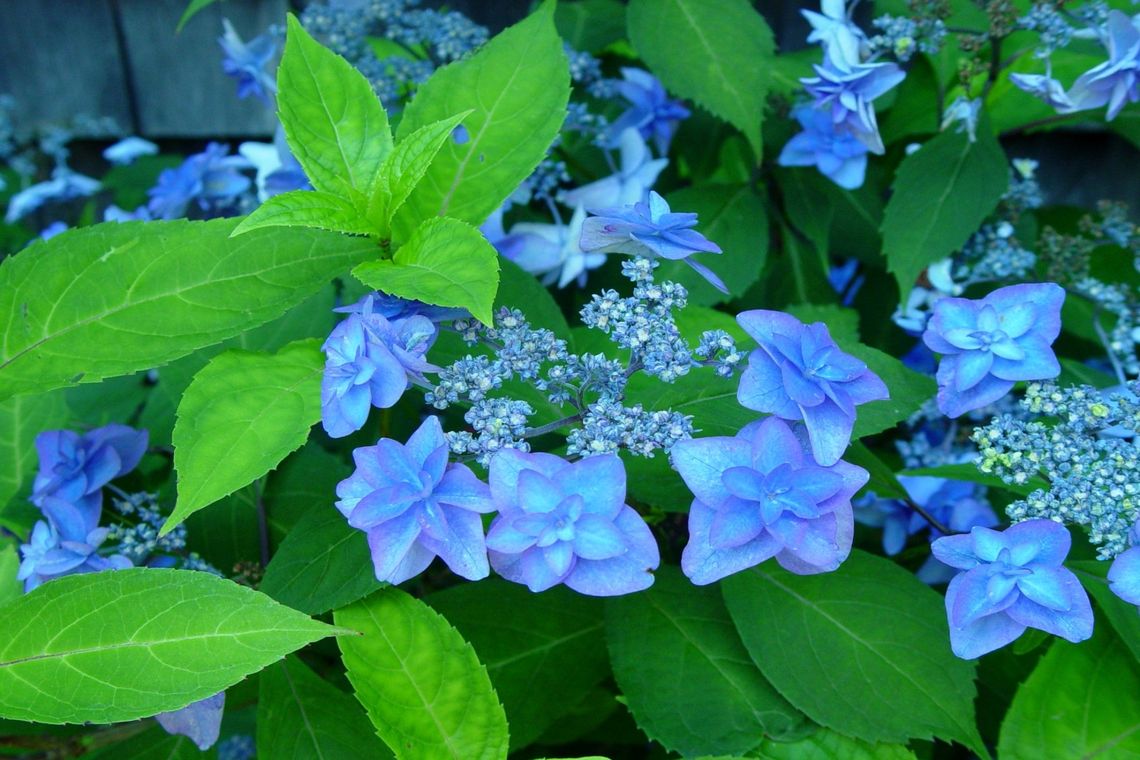
Most gardeners are familiar with hydrangeas that produce large, ball-shaped flower clusters in shades of pink or blue. These are typically Hydrangea macrophylla (bigleaf hydrangea) or the smaller Hydrangea serrata (mountain hydrangea).
However, there are several other highly ornamental hydrangea species commonly grown in landscapes, including Hydrangea arborescens (smooth hydrangea) and Hydrangea paniculata (panicle hydrangea). Popular cultivars include Hydrangea arborescens ‘Annabelle’ and panicle hydrangeas such as Hydrangea paniculata ‘Grandiflora’ (often called peegee hydrangea) and ‘Limelight’. Another notable species is the oakleaf hydrangea (Hydrangea quercifolia), which usually requires only occasional selective pruning.
Understanding how to prune hydrangeas based on their species will lead to stronger plants, better structure, and more reliable blooms.
Learning when and how to prune hydrangeas can make the difference between a shrub full of lush flowers and one that struggles to bloom. Because different types of hydrangeas set their flower buds at different times, proper pruning helps protect next season’s blooms while keeping plants healthy, balanced, and vigorous. Once you know which type of hydrangea you’re growing, pruning becomes much simpler and far more effective.
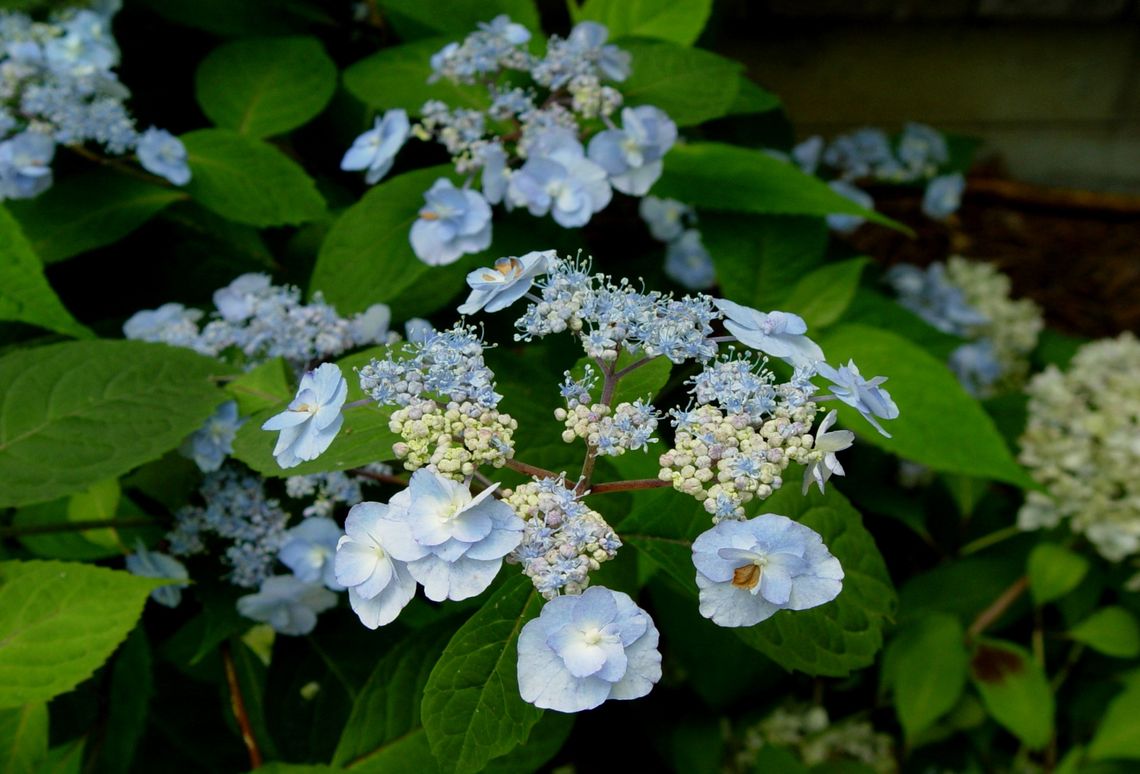
Both Hydrangea macrophylla and Hydrangea serrata are known for their round “mophead” flowers, although many cultivars also produce flat-topped lacecap flowers.
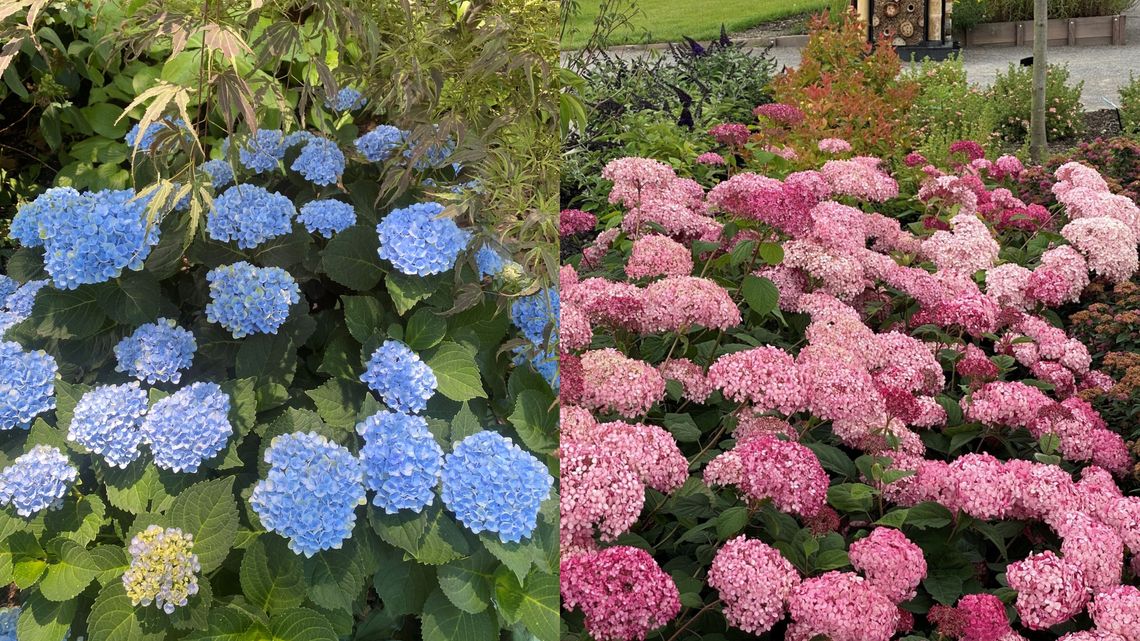
The color of these flowers is not influenced by pruning. Instead, flower color depends on soil pH.
Numbers above 7 indicate alkaline soil.
Hydrangeas in acidic soil tend to produce blue flowers, while plants in more alkaline soil produce pink flowers. One year, I planted Hydrangea macropphylla ‘Forever Pink’. However, my soil’s pH was likely around 6. From that point forward, that hydrangea was “forever blue.”
To encourage blue flowers (more acidic soil):
To encourage pink flowers (more alkaline soil):
Maintain consistent soil health with compost while monitoring pH levels.
Before making adjustments, it’s helpful to test your soil so you understand where you’re starting. Small, gradual changes are the most effective way to shift hydrangea flower color while keeping plants healthy.
Take your gardening skills to the next level with our Know to Grow webinars, featuring expert advice and seasonal topics.
A question many gardeners ask is: “Why aren’t my hydrangeas blooming?” Often, the answer comes down to when the plant was pruned.
When talking about pruning hydrangeas, you’ll often hear the terms “new wood” and “old wood.” Understanding the difference is key to getting reliable blooms.
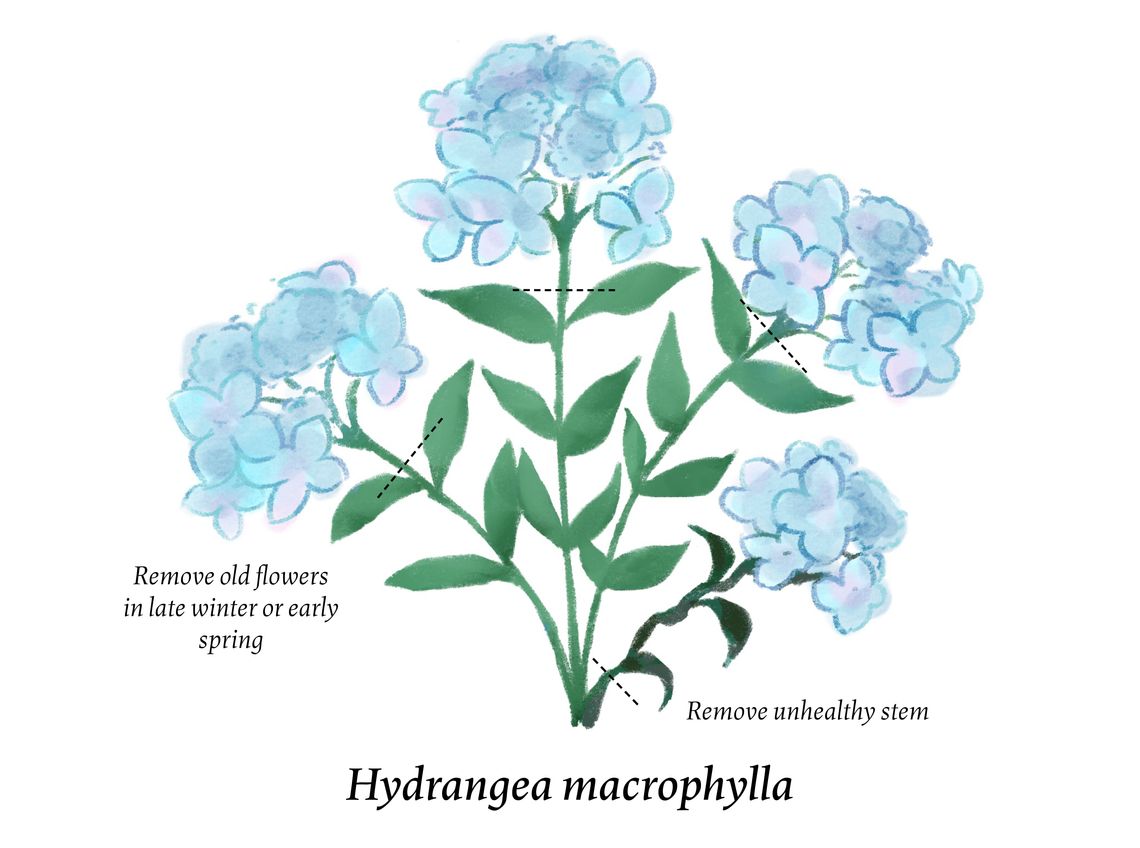
Both Hydrangea macrophylla and Hydrangea serrata (mountain hydrangea) produce their flower buds on old wood. That means the buds for next summer’s flowers are often already forming on the plant by late summer or early fall.
If these hydrangeas are heavily pruned in late summer, fall, or winter, many of those developing buds may be removed. The result is a healthy-looking plant the following year but very few flowers.
For the best results, major pruning should be done shortly after the plant finishes blooming, giving it plenty of time to set new buds for the following season.
When pruning a hydrangea that blooms on old wood:
Thin older stems gradually, removing up to one-third of the oldest canes each year to encourage fresh growth.
Taking this gradual approach rejuvenates the plant and supports consistent flowering, while preserving the buds that will produce next season’s blooms.
Hydrangea arborescens, commonly known as smooth hydrangea is a classic summer-flowering plant known for its large, pure white, showy flowers. The cultivar ‘Annabelle’ remains one of the most widely planted and recognizable hydrangeas in gardens today.
More recently, breeding work by Dr. Tom Ranney at North Carolina State University introduced colorful new selections such as Invincibelle® Ruby and Invincibelle® Garnetta. These cultivars achieved what many hydrangea breeders long considered the “holy grail”: a true pink ‘Annabelle’ breeders had long pursued.
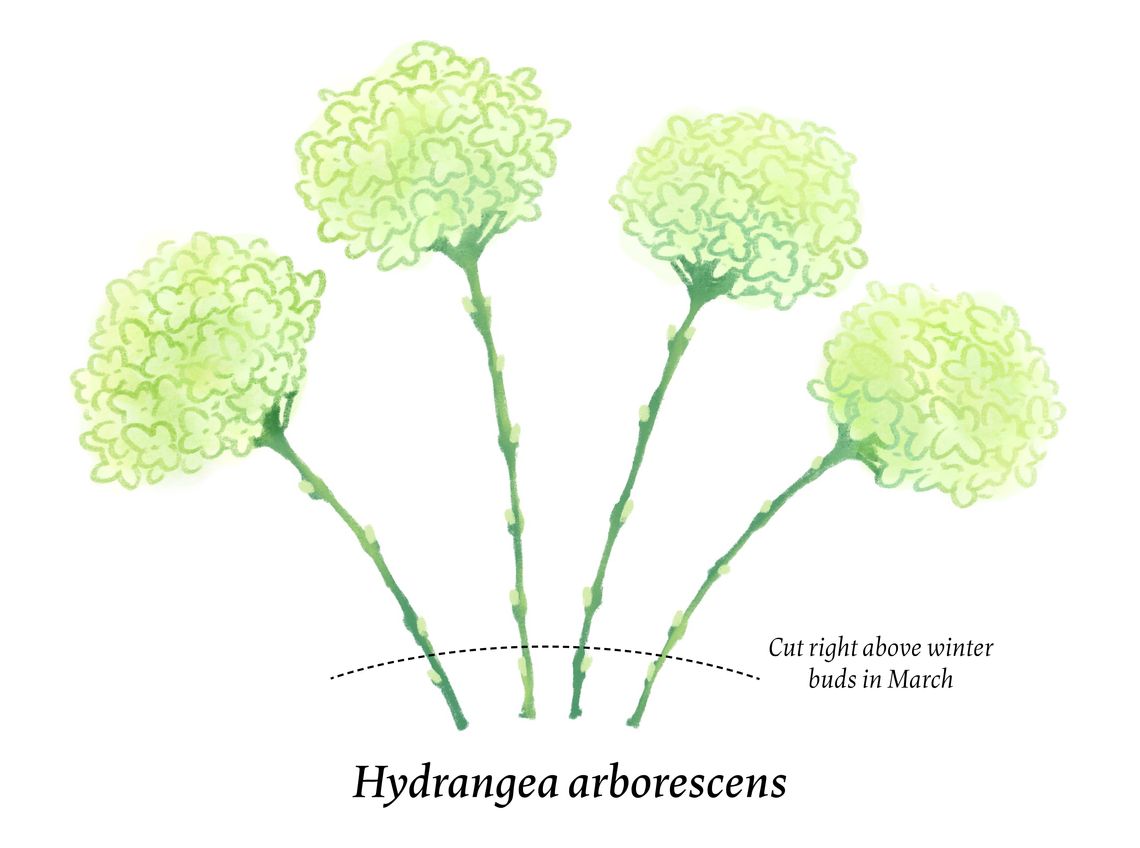
Smooth hydrangeas are adaptable plants that grow well in both sun and shade, producing abundant blooms in mid-summer. Unlike Hydrangea macrophylla and Hydrangea serrata, smooth hydrangeas bloom on new wood, meaning the flowers develop on growth produced during the current season.
Because of this growth habit, pruning is straightforward. These hydrangeas can be safely pruned in late winter or early spring, before new growth begins. This timing allows the plant to produce fresh stems that will support that season’s flowers.
Many gardeners choose to cut plants back in late March, just before vigorous spring growth begins.
Make cuts just above a pair of buds.
Although this type of hydrangea does not require heavy pruning every year, many gardeners find that cutting plants back annually encourages a more vigorous shrub and a fuller display of summer flowers.
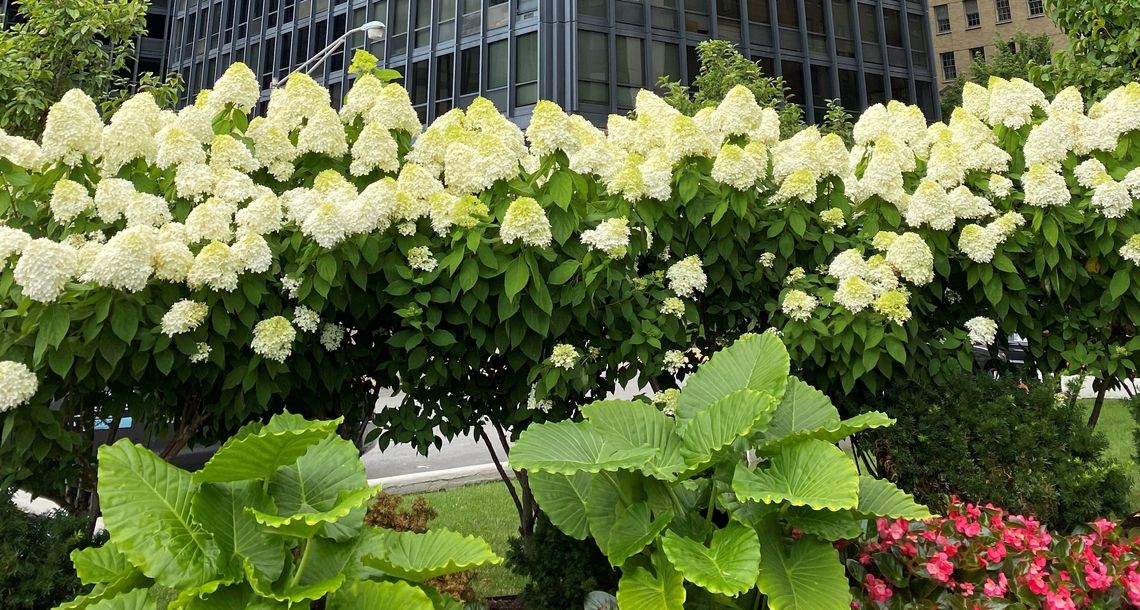
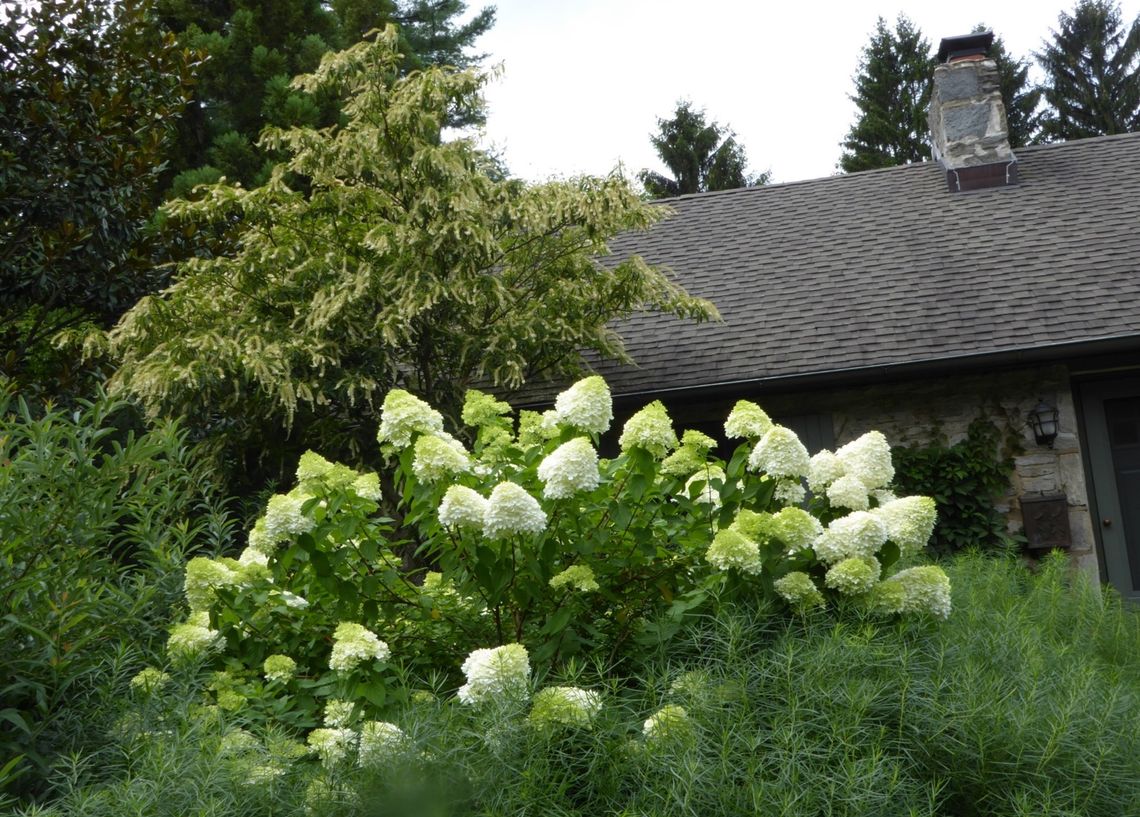
Hydrangea paniculata, often called the panicle or peegee hydrangea, is a durable and adaptable species that can eventually grow into a small tree reaching 20 to 30 feet tall. Older specimens are often seen in historic landscapes and cemeteries. In recent years, this hydrangea has become even more popular thanks to newer cultivars such as ‘Limelight’, which offer strong stems and long-lasting summer flowers.
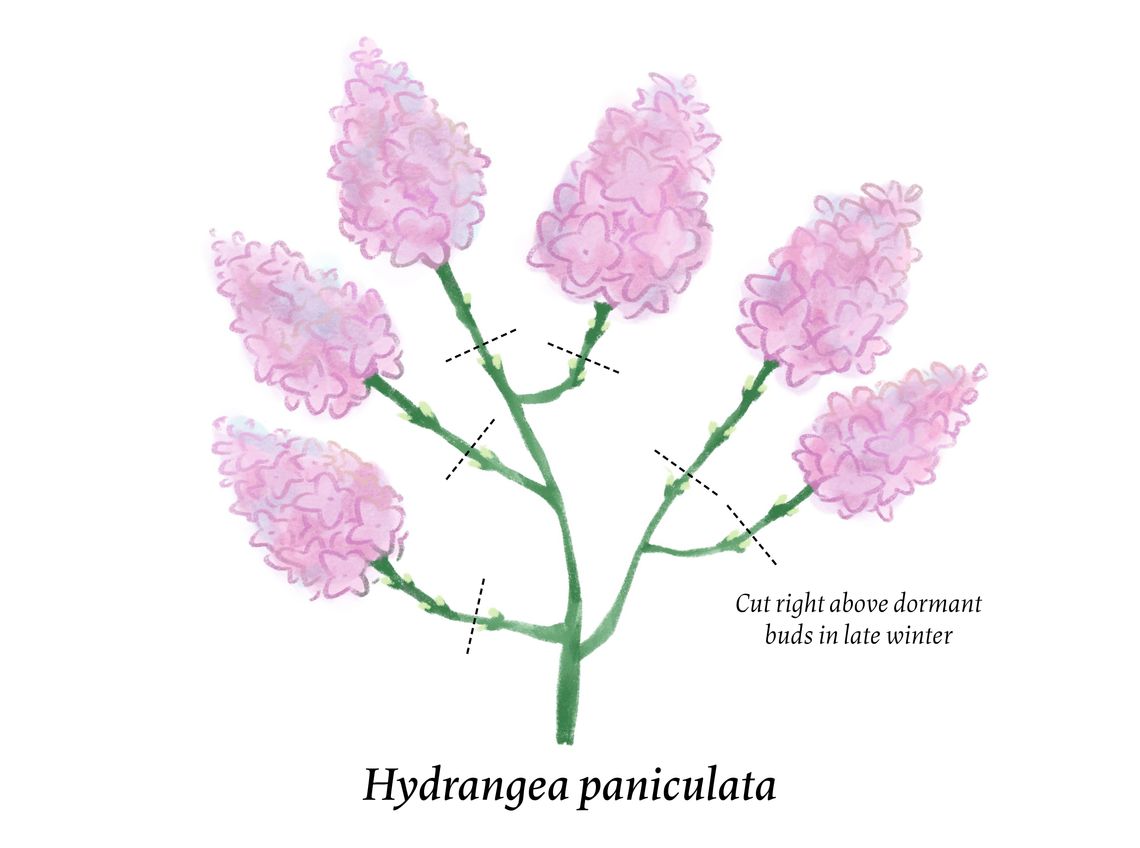
Panicle hydrangeas perform best in full sun and tolerate a wide range of soil conditions, making them reliable landscape shrubs. Like smooth hydrangeas, these plants bloom on new wood, meaning their flower buds form on the current season’s growth. Because of this, pruning is usually done in late winter or early spring before new growth begins. Panicle hydrangeas are also quite forgiving. If you prefer a more natural look, they can be left largely unpruned and will still produce plenty of flowers each summer.
How much you prune depends on the size and shape you want the plant to have.
For a compact shrub:
Cut stems back to 6–8 inches above the soil.
For a larger shrub or small tree form:
Small hand saw for larger stems
Hydrangea arborescens and Hydrangea paniculata should typically be pruned in mid- to late March, since they bloom on new wood.
Pruning too early in winter
Hydrangeas have hollow stems. Cutting them back too early may allow water to collect inside the stems. If that water freezes, it can damage the plant.
Pruning old-wood bloomers incorrectly
Hydrangeas such as Hydrangea macrophylla bloom on old wood. Removing those stems will significantly reduce or eliminate flowers the following season.
If stems are broken or damaged, prune them back to just above a healthy node with two buds. Hydrangeas that bloom on new wood, such as Hydrangea arborescens and Hydrangea paniculata, generally recover well after late-winter pruning and will produce new flowering stems during the growing season.
The same basic approach applies to hydrangeas grown in containers as those planted in the ground. The key is knowing whether your plant blooms on old wood or new wood, which determines when pruning should take place.
Note: When growing a hydrangea in a container, it is important to make sure the hydrangea is winter hardy. In general, hydrangeas or other plants are more susceptible to damage by low winter temperatures than they might be otherwise if grown in the ground or garden.
Deadheading spent flowers can help keep plants looking tidy. At the same time, some gardeners prefer to leave the dried blooms in place. On species such as Hydrangea arborescens, the dried flower heads can provide attractive winter interest in the garden.
Young plants sometimes need time to mature before producing heavy blooms. With Hydrangea macrophylla, a lack of flowers is often due to pruning away last year’s stems or winter damage to old wood.
Also, not every Hydrangea macrophylla cultivar is hardy. Some cultivars are less winter hardy than others. If you don’t have a fully hardy cultivar, stems can be killed or damaged so that flowering is impacted the following growing season.
Once gardeners understand the different species and when to prune hydrangeas, the process becomes far less intimidating.
While there are a few nuances, the best approach is to become familiar with your plants and pay attention to how they grow from season to season. Over time, those observations make pruning decisions much easier.
Fortunately, hydrangeas are also forgiving plants. Even if a pruning cut isn’t perfect, the shrub will likely recover and continue to grow well. By learning how to prune hydrangeas properly and applying those techniques each season, gardeners can enjoy healthier plants and more beautiful blooms year after year.
Become a member and gain access to programs like Ask an Expert with Andrew Bunting and other exclusive member programs.