garden inspiration
plant care
Think roses are only for sprawling garden beds and experienced gardeners? Think again.
With the right variety and a little care, roses can thrive in containers on patios, porches, balconies, rooftops, and even small urban spaces. In fact, growing roses in containers is often one of the best ways for beginners to get started.
Whether you’re looking to brighten a sunny front step or create a fragrant patio retreat, here’s everything you need to know about how to grow healthy, beautiful roses in containers.
Container gardening makes roses more accessible for gardeners with limited space, but it also comes with several advantages. Growing roses in pots allows you to:
Container roses also tend to feel more manageable for beginners since you can closely monitor watering, sunlight, and overall plant health.
Not every rose is ideal for container growing. Large climbers and oversized shrub roses can quickly outgrow pots and become difficult to maintain. Instead, look for roses that are:
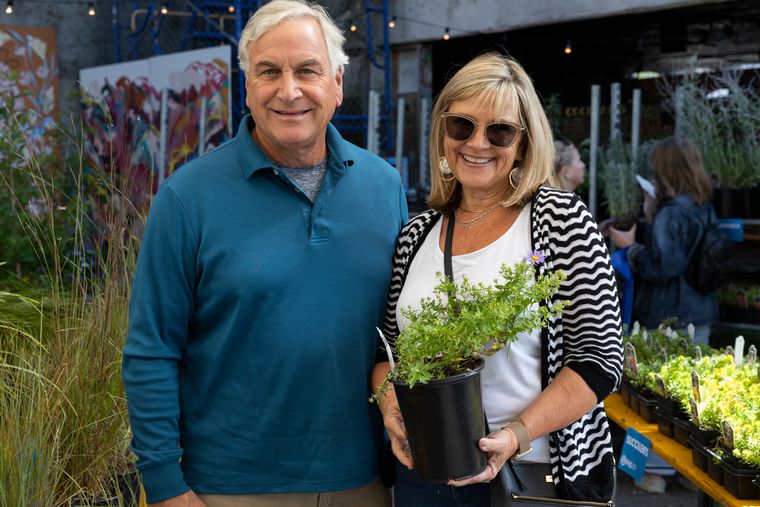
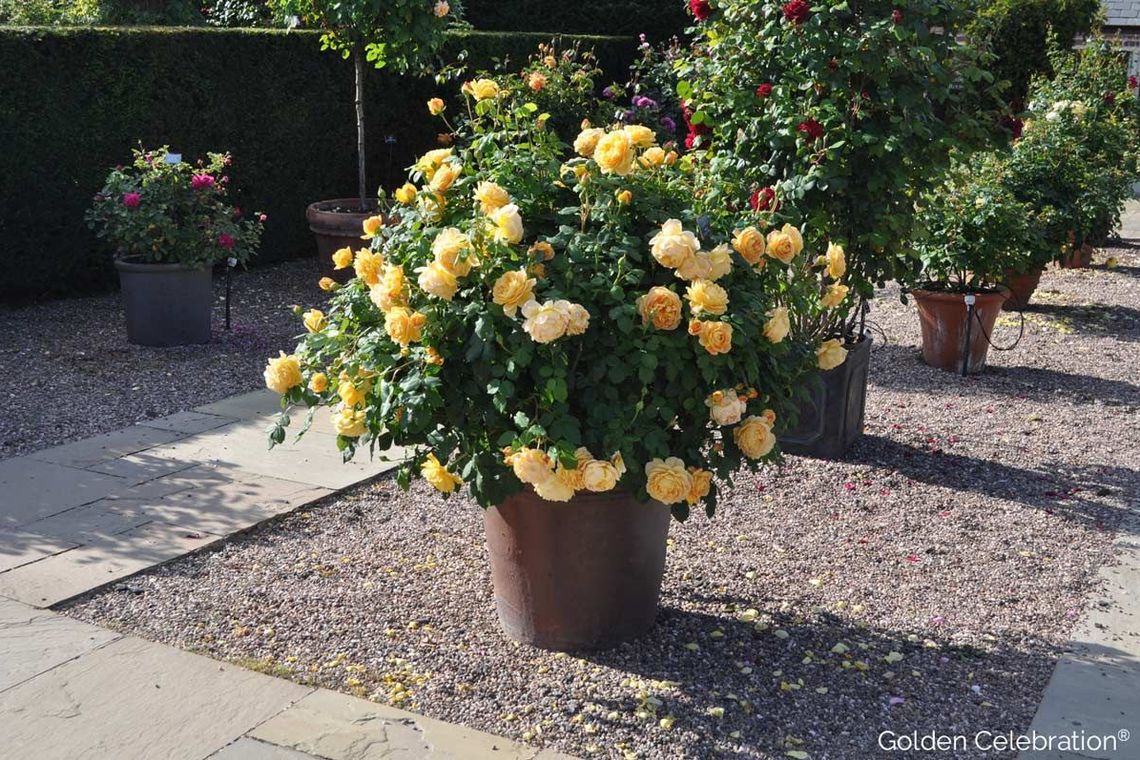
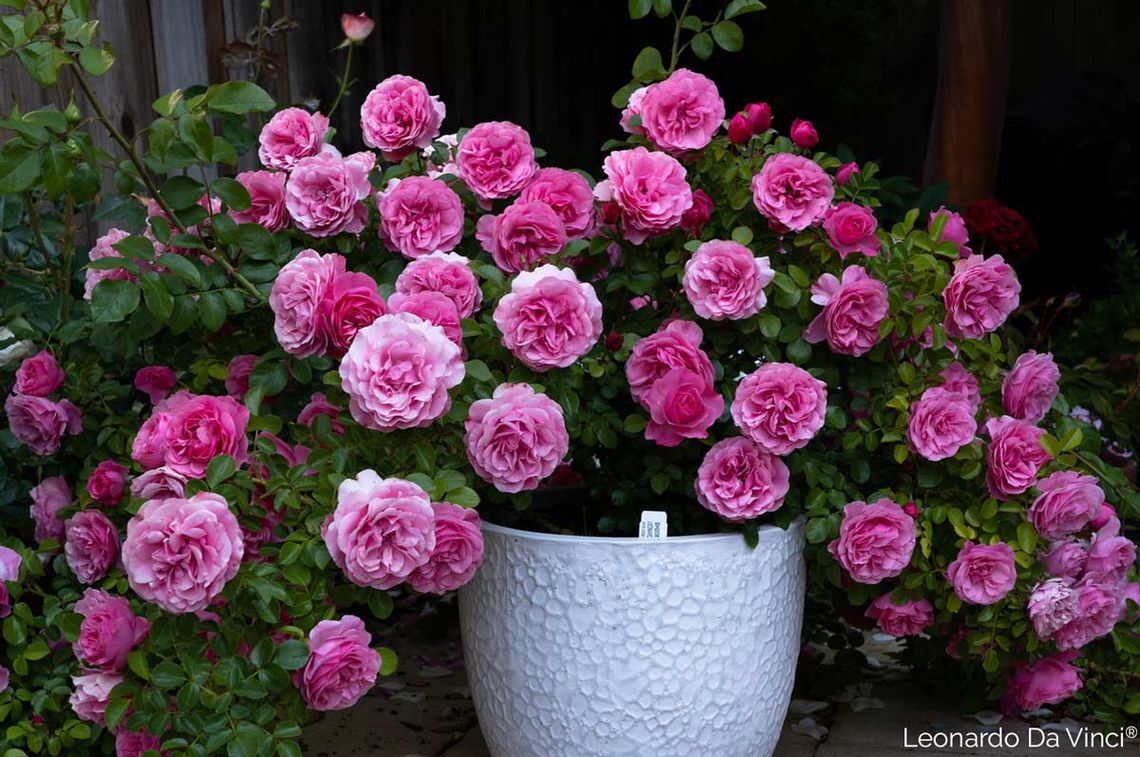
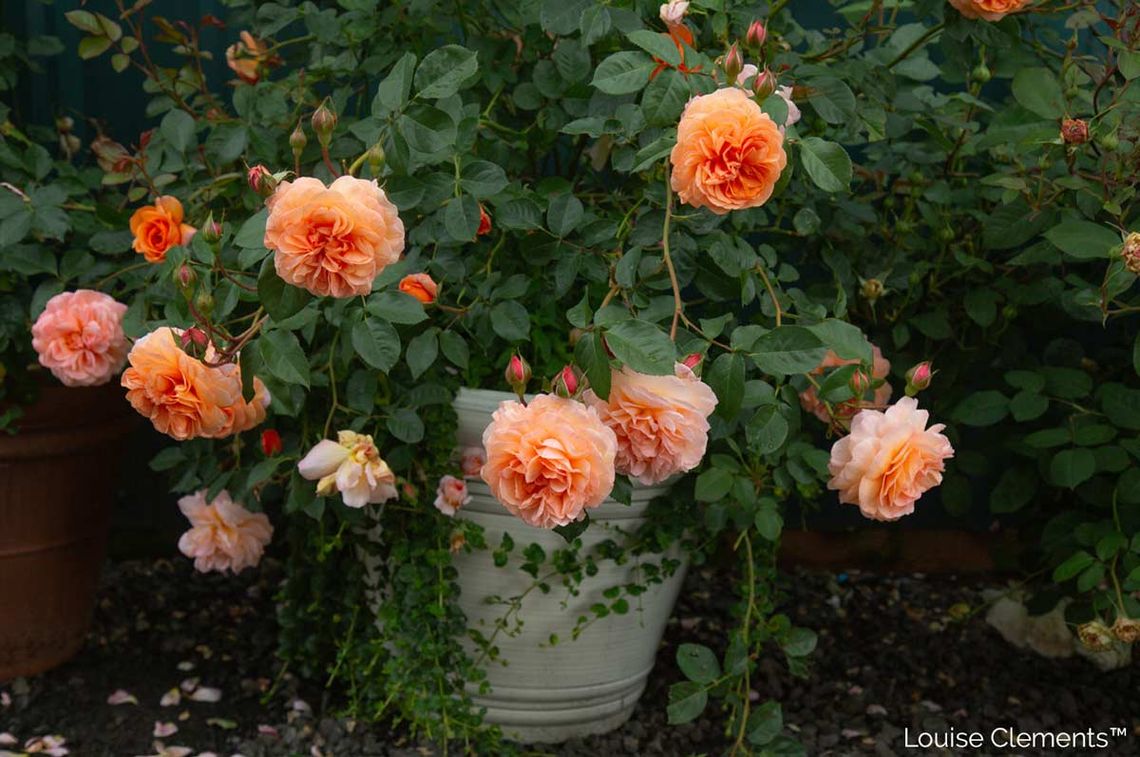
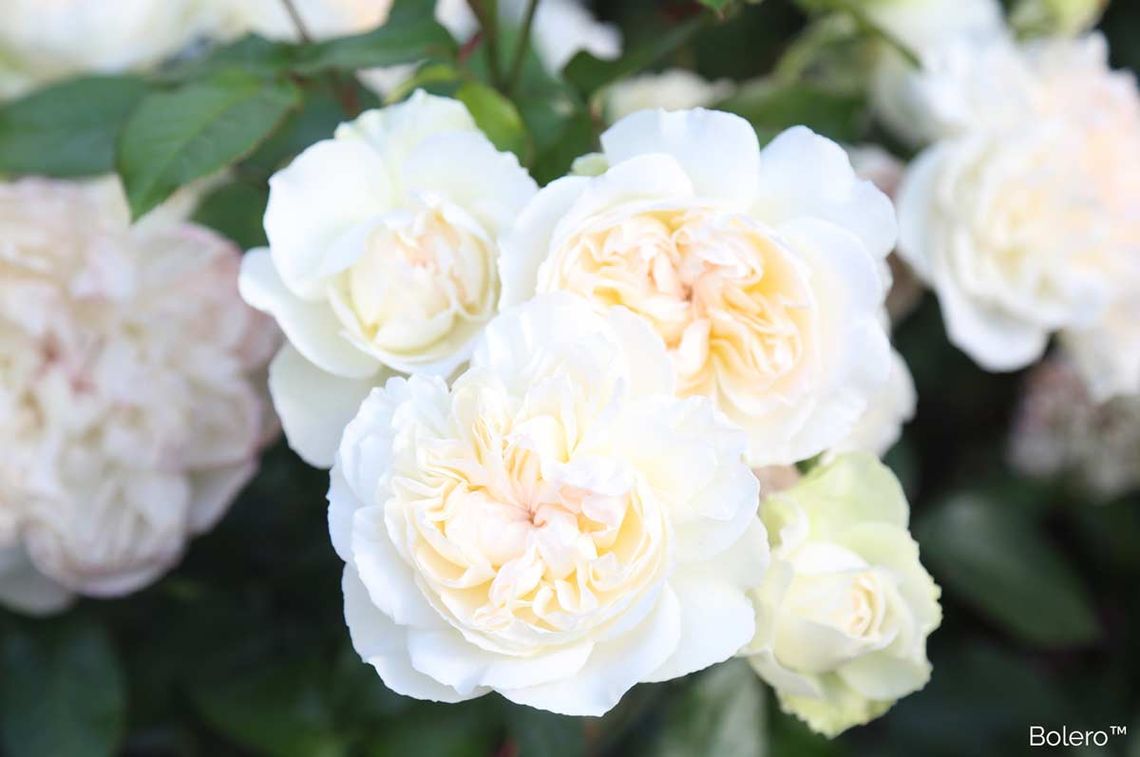
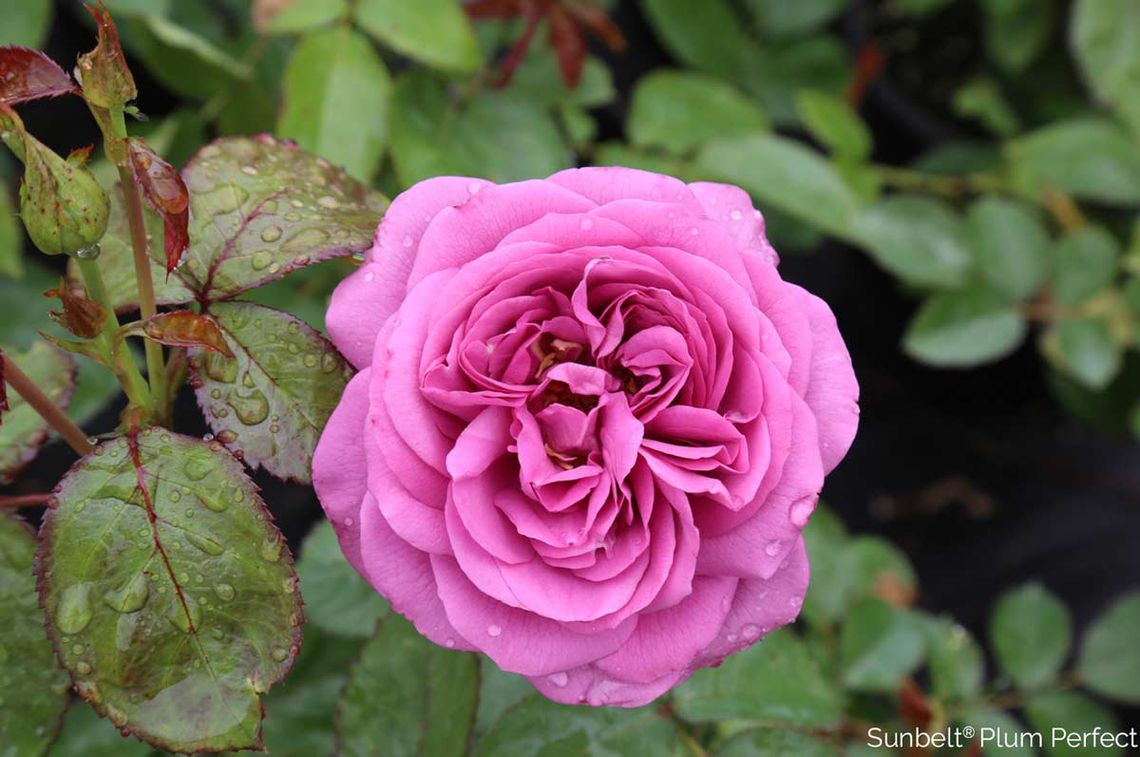
At the 2026 Philadelphia Flower Show, many gardeners were especially drawn to beginner-friendly container roses from Heirloom™, including:
These varieties combine strong garden performance with manageable growth habits and reliable, season-long blooms.
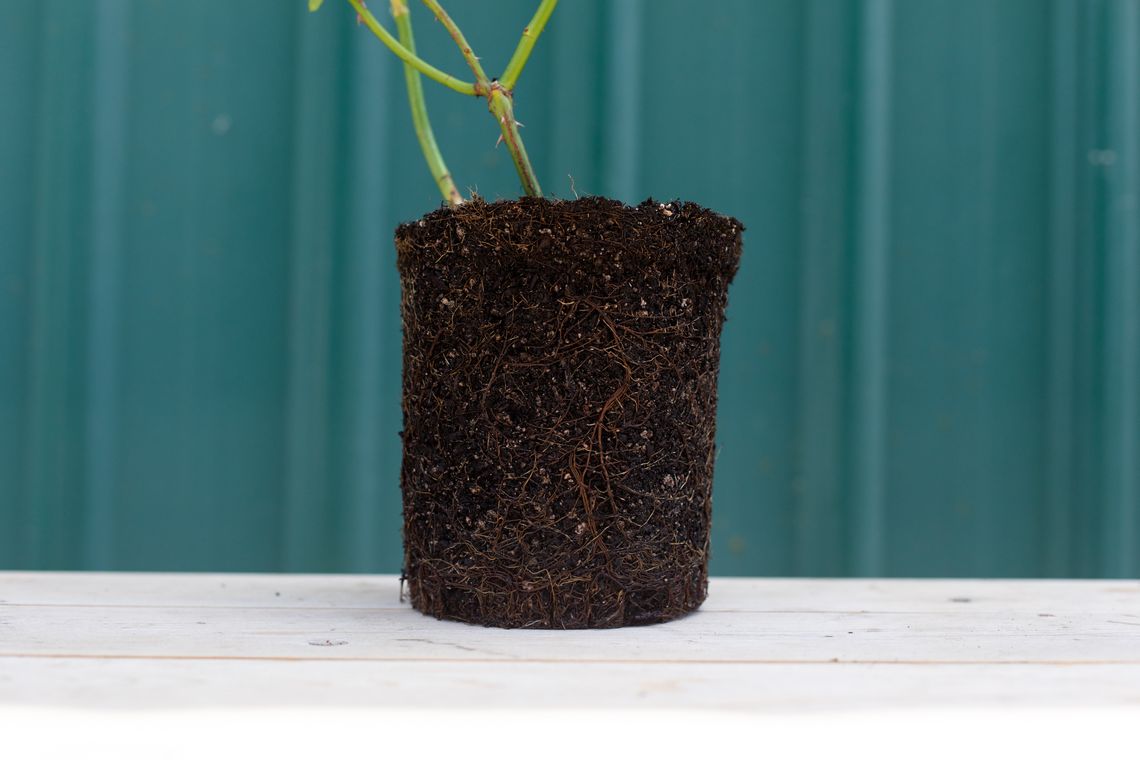
One additional factor that can make a big difference in container success is how the rose is grown from the start. Heirloom™ roses are grown as own-root roses, meaning they are propagated from cuttings, so the roots and blooms are the same plant genetically. There is no graft union between two different varieties, just one continuous plant growing on its own root system. For container gardeners, that difference matters. Own-root roses:
In practice, this means the rose you choose behaves consistently over time in a container setting, without the unpredictability that can sometimes come with grafted plants. Many gardeners also find that own-root roses settle into container life with a more even, manageable growth habit as they mature.
One of the most important steps to success is choosing the right pot from the beginning.
Roses develop deep root systems, so shallow containers typically won’t provide enough space. Choose a large, tall container with drainage holes to support healthy root growth and help retain moisture between waterings.
Different materials also come with pros and cons:
The larger the pot, the less often you’ll typically need to water during the heat of summer.
Healthy roots are the foundation of healthy roses. One of the most common mistakes beginner gardeners make is using potting mixes that contain synthetic granular or time-release fertilizers. These products can sometimes burn tender young roots, especially on newly planted roses.
Instead, choose a high-quality organic potting mix and amend it with compost to improve moisture retention and overall soil health. If you want to give your roses an extra boost, opt for a gentle organic fertilizer formulated for roses or flowering plants rather than synthetic feeds. Avoid using garden soil in containers, which can become compacted and reduce drainage.
Take your gardening skills to the next level with our Know to Grow webinars, featuring expert advice and seasonal topics.
Container roses dry out faster than roses planted in the ground, especially during stretches of hot summer weather.
Check soil moisture regularly and water deeply when the top inch of soil begins to feel dry. The goal is consistently moist soil, not soggy roots. During peak summer heat, container roses may need watering daily.
Adding mulch to the top of the pot can also help conserve moisture and regulate soil temperature.
Because roses bloom repeatedly throughout the season, they benefit from regular feeding to support healthy growth and continuous flowers.
Many gardeners prefer using gentle organic fertilizers, such as compost tea, fish emulsion, or organic rose food, every two to three weeks during active growth, especially during the first year after planting. Stop fertilizing about six to eight weeks before your first expected frost date to allow plants to prepare for dormancy.
Container roses require much of the same care as in-ground roses.
Regular deadheading encourages continued blooming, while occasional pruning helps maintain shape and airflow. Remove damaged or crossing branches and keep an eye out for common issues like black spot or Japanese beetles.
Fortunately, many newer rose varieties are bred with improved disease resistance, making maintenance much easier than older gardeners may remember.
Even healthy container roses eventually outgrow their soil.
Plan to refresh the potting mix or re-pot your roses every two to three years to replenish nutrients and maintain healthy root growth.
If your containers are especially heavy, consider placing them on rolling platforms so they can be moved more easily throughout the season.
You don’t need a large yard to enjoy growing roses. A sunny patio, porch, or balcony can be enough to support months of colorful blooms and fragrance.
For many gardeners, container roses become an easy entry point into growing roses overall—less intimidating, more flexible, and surprisingly rewarding.
And once that first flush of blooms arrives, it’s easy to understand why roses continue to capture gardeners’ hearts year after year.