seasonal tips
garden inspiration
By Andrew Bunting, PHS VP of Horticulture
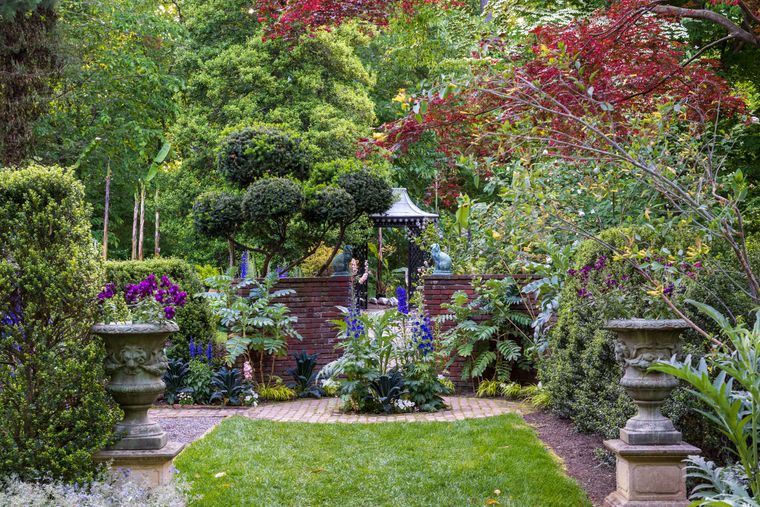
A garden can be far more than a collection of beautiful plants. Whether you have a small urban yard or a larger suburban landscape, a thoughtfully planted garden can provide food, water, shelter, and nesting for birds throughout the year and attract an impressive diversity of birds to your yard.
The key is to think beyond a single season. By planting a variety of native trees, shrubs, perennials, and grasses; gardeners in the Mid-Atlantic can support migrating warblers, nesting songbirds, and the beloved Ruby-throated Hummingbird while also benefiting pollinators and other wildlife.
If you're wondering how to attract birds to your garden naturally, the answer is simple: plant a variety of native trees, shrubs, perennials, and grasses that provide food and habitat across all four seasons. Native plants support insects, berries, seeds, and nectar that birds rely upon throughout their life cycles.
Even the smallest garden can play an important role. In the Mid-Atlantic or Zone 7, a thoughtfully planted landscape can support migrating.
In his book Bringing Nature Home, entomologist Doug Tallamy argues that if a homeowner could plant only one tree, it should be the white oak, Quercus alba. Native oaks support hundreds of insect species, creating an important food web for birds including woodpeckers, warblers, chickadees, wrens, nuthatches, and thrushes.
During spring migration, I can often look into the canopy of a mature oak and spot five to ten species of warblers feeding among the branches. It's one of the great rewards of gardening with wildlife in mind.
Different birds rely on different food sources as the seasons change. Nectar-rich flowers support hummingbirds, seed-producing perennials feed finches and sparrows, and fruiting trees and shrubs provide energy-rich berries during migration and winter. Below you will find suggestions for various plants that can attract birds in every season.
Spring is a critical season for migrating birds and nesting activity. Early flowers provide nectar for hummingbirds and support emerging insects that become food for nestlings.
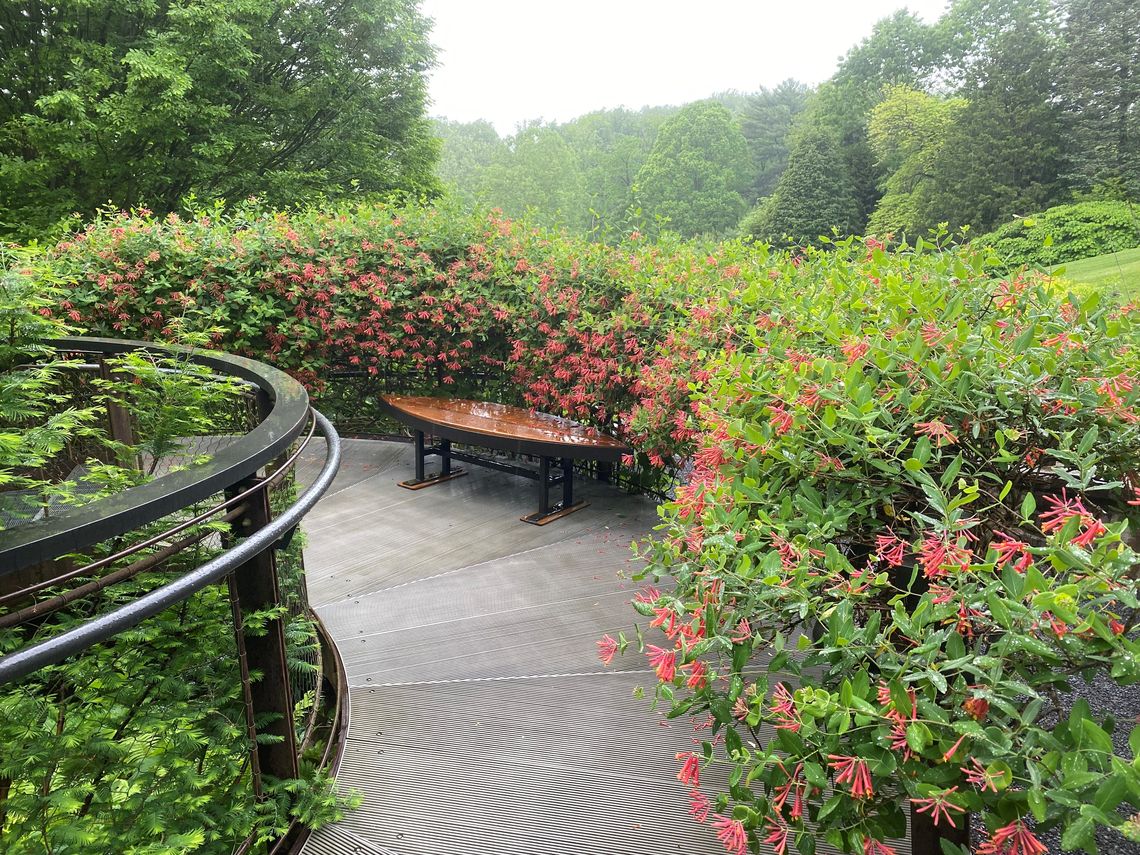
For Mid-Atlantic gardeners, one of the most anticipated arrivals is the Ruby-throated Hummingbird, the only hummingbird species that regularly breeds in the eastern United States. They spend their winters in Mexico and Central America before returning north each spring. Ruby-throated Hummingbirds are attracted to brightly colored, tubular flowers. Early flowering vines provide an essential nectar source for arriving birds in spring. Excellent spring plants include:
Summer gardens become active feeding stations for both hummingbirds and songbirds. By selecting a variety of native flowering plants, shrubs, and grasses, you can provide nectar, seeds, fruit, and shelter that support birds throughout the season. When planning your garden, consider which types of birds you'd like to attract.
Hummingbirds are drawn to nectar-rich, tubular flowers, especially those in vibrant shades of red, orange, and purple. During the hot summer months, when activity peaks and breeding season is in full swing, these plants provide the energy hummingbirds need to thrive:
Tip: For more information about attracting hummingbirds, check out our blog post How to Attract Hummingbirds to Your Garden.
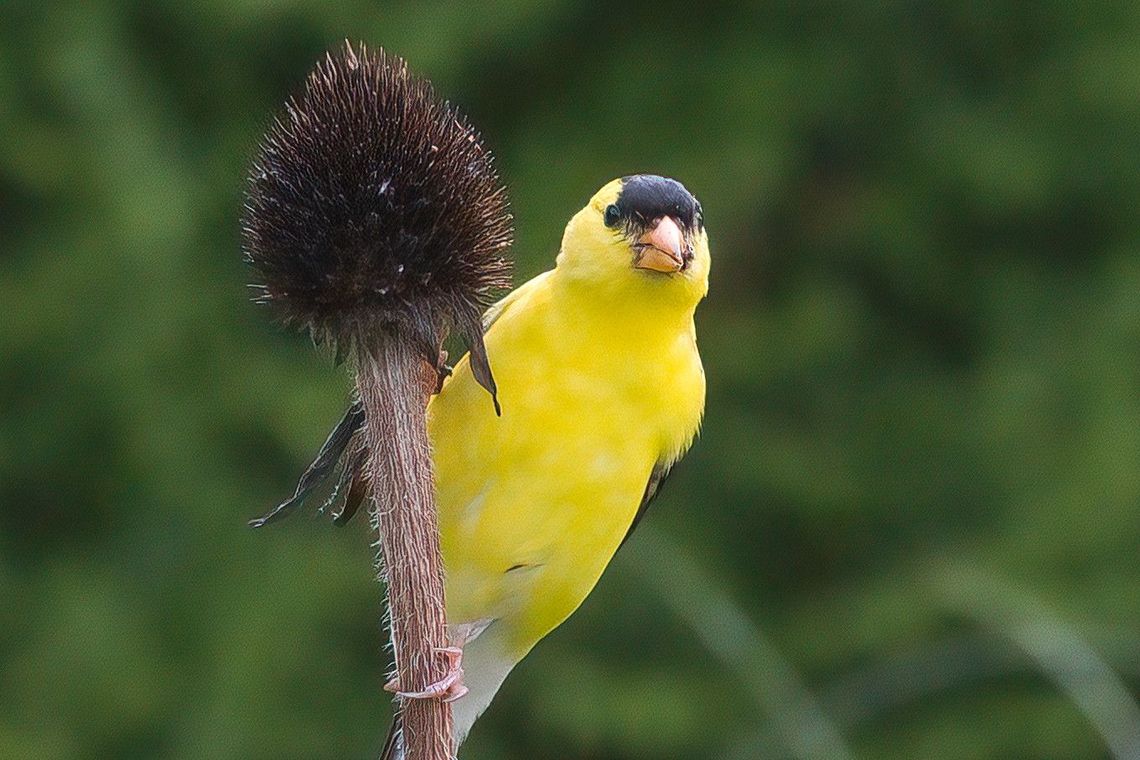
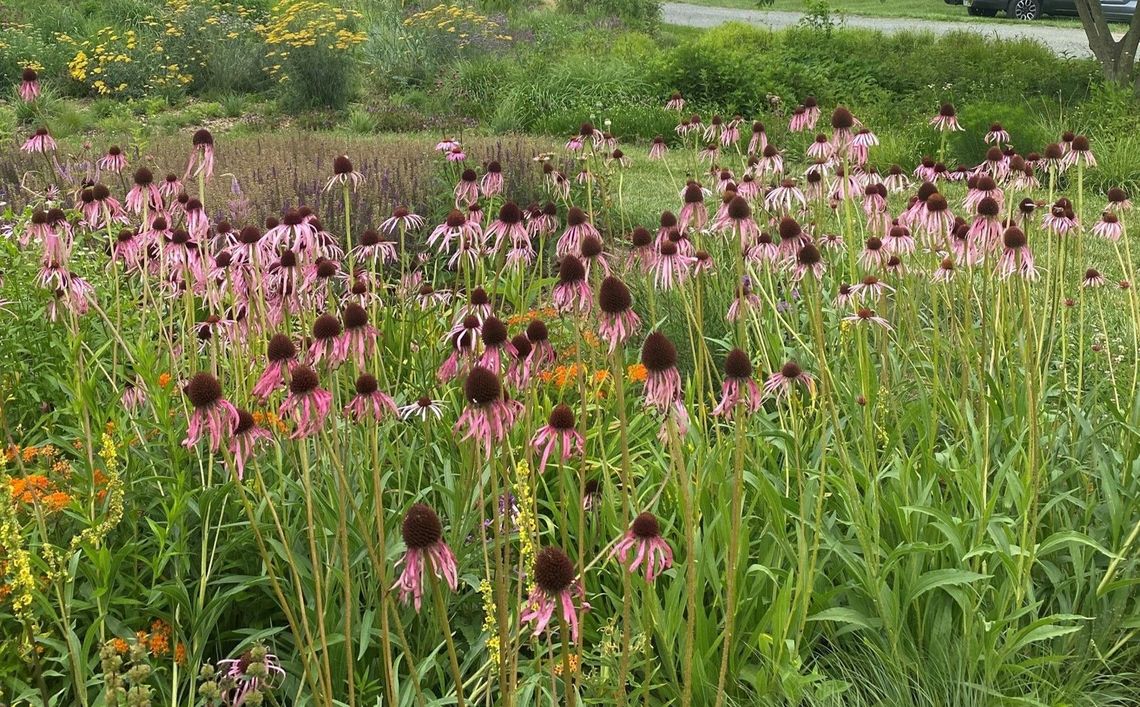
Many native perennials provide critical seed resources for songbirds later in the season, supporting species such as American Goldfinches, sparrows, and other seed-eating birds.
Perennials
Trees and Shrubs
Native Grasses
Tip: Leaving these plants standing after flowering allows seed heads to mature and provides an important late-season and winter food source for songbirds.
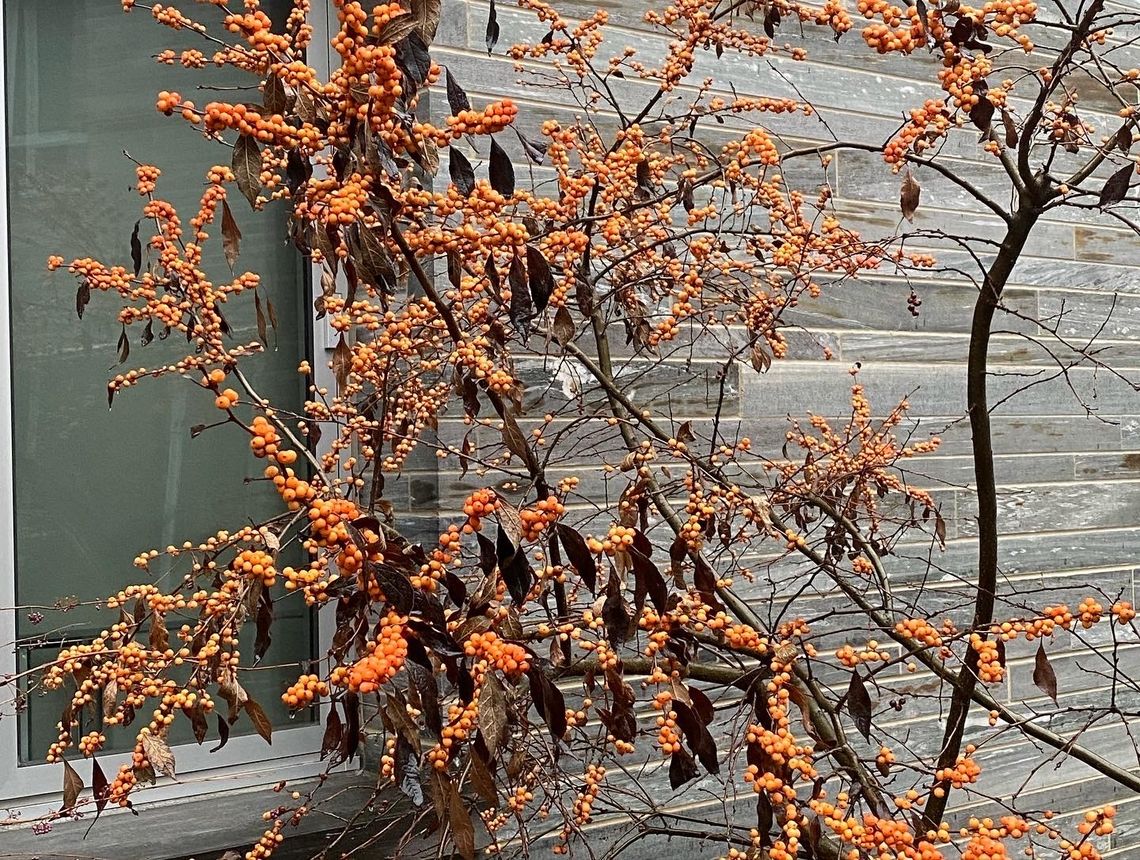
Fall migration is one of the most demanding times of the year for birds. As temperatures cool and food sources become scarcer, many species must build up energy reserves for long journeys or prepare to overwinter. Trees, shrubs, and perennials that produce berries and seeds provide a vital source of nutrition just when birds need it most. Berry-producing trees and shrubs become especially valuable during this season:
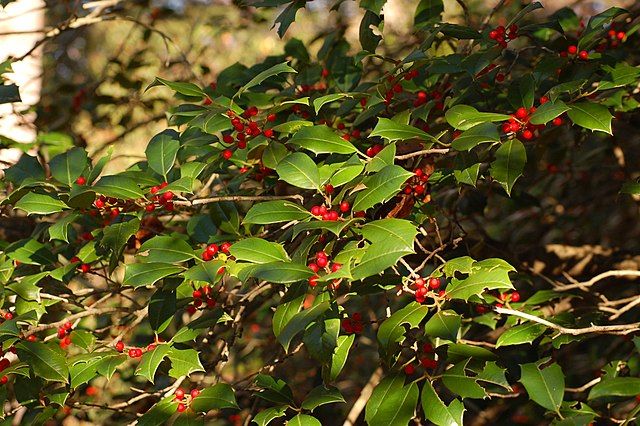
The fruits of hawthorns and hollies often persist well into winter. Cedar waxwings, American robins, and gray catbirds are frequent visitors to these plants.
Tip: Leave seed heads standing through fall and winter. Coneflowers, rudbeckias, and native grasses continue to provide food for goldfinches, sparrows, cardinals, and other seed-eating birds.
Winter may seem quiet, but gardens continue to play an important role in supporting birds. As natural food sources become scarce and temperatures drop, trees, shrubs, and grasses provide both nourishment and shelter. Evergreens and seed-bearing plants offer protection from harsh weather and help overwintering birds conserve energy until spring.
Evergreens such as American holly, Ilex opaca, and Eastern red cedar, Juniperus virginiana, offer dense cover and protected nesting sites. Mixed hedgerows planted with native species can also provide food, shelter, and habitat throughout the season.
Native ornamental grasses continue to provide seeds throughout winter, including:
Tip: It is important to leave ornamental grasses standing through winter. Their seeds provide food for overwintering birds, while their structure offers shelter during storms and freezing temperatures.
Native plants are one of the best ways to create a wildlife-friendly garden because they have evolved alongside local wildlife and support significantly more insects than many non-native species, providing a vital food source for birds and other wildlife.
Because many songbirds rely on insects to feed their young, insect-rich gardens are especially important during nesting season. By choosing native plants suited to your region, you can boost biodiversity and create a healthier habitat for pollinators, birds, and beneficial insects. When selecting plants, choose species adapted to your region for the greatest benefit to wildlife.
PHS Members enjoy 10% off at participating garden centers and retailers all year long. Join today and start saving!
Aside from thinking about plants seasonally, bird-friendly gardens mimic natural ecosystems with layers of vegetation that provide food, shelter, and nesting habitat throughout the year:
Just as important as food and shelter, birds need access to clean, reliable water. A pond creates an ideal habitat for birds, amphibians, and beneficial insects, but even a simple bird bath can attract a surprising variety of species. Fresh, shallow water provides birds with a place to drink and bathe, helping them maintain healthy feathers and regulate body temperature. Adding a small fountain or bubbler can keep water moving, making it more attractive to birds while discouraging mosquitoes.
Every addition of a plant that provides food or habitat helps support birds in the garden. Even the smallest garden can contribute to biodiversity.
By planting for all four seasons, gardeners create landscapes that support birds year-round while also benefiting pollinators and other wildlife. Whether you're adding a native shrub, leaving seed heads standing, or replacing a portion of lawn with native plantings, small actions can have a lasting ecological impact.
Perhaps the greatest reward is simply taking time to observe. A garden planted for birds offers moments of discovery throughout the year, from spring warblers in an oak canopy to winter finches feeding among grasses and berries. In return for creating habitat, we are rewarded with a deeper connection to the seasons and the daily joys of sharing our gardens with wildlife.