leaf icon
leaf icon
leaf icon
calendar icon
Gardens To Visit
caret icon
Visit a PHS garden or landscape to help build stronger social connections with your community.
For Neighborhoods
caret icon
Explore programs that create healthy, livable environments and increase access to fresh food.
For Gardeners
caret icon
About Us
caret icon
Get to know our story, become a part of our staff, or see what is in the news with PHS.
The Flower Show

Meet the Winners of the 2026 PHS Citywide Gardening Challenge

September 25, 2026
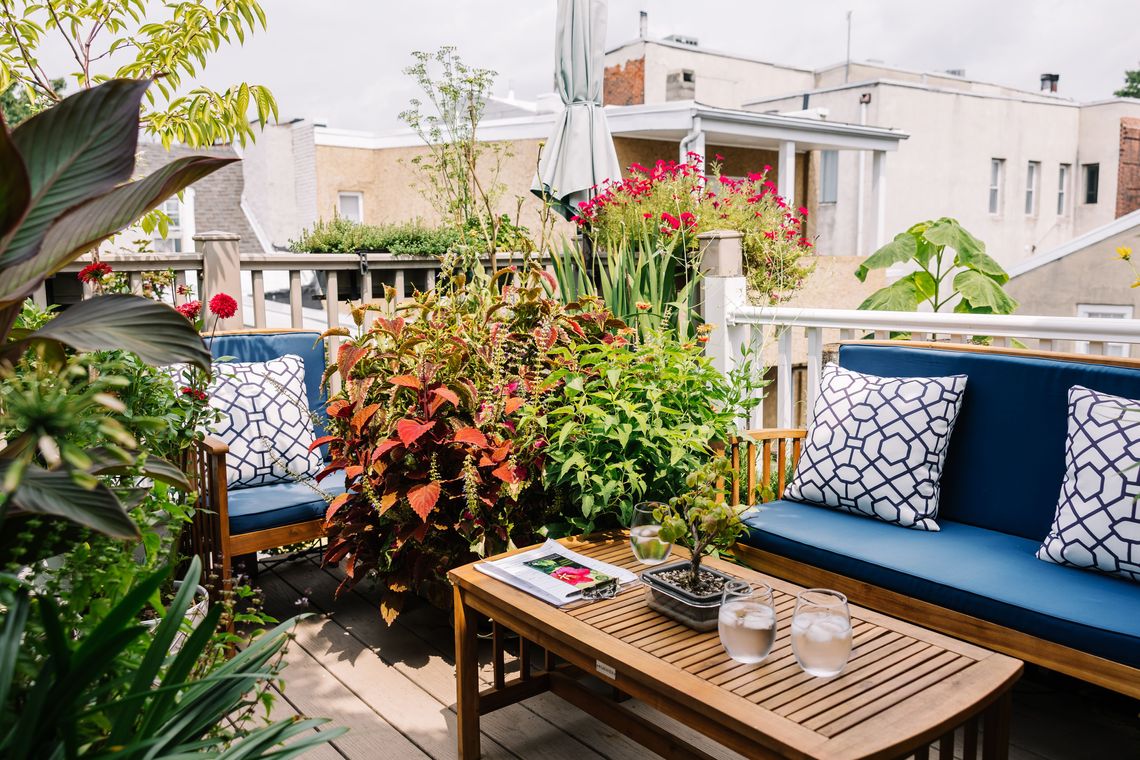
phs citywide gardening challenge jp tucci decorative container garden 4 credit becca mathias

What can grow in a Philadelphia garden? 

A sidewalk lined with containers. A collection of pots that turns a row of city homes into habitat for pollinators. A backyard that grows vegetables while making room for birds, deer and lightning bugs. A hillside garden that brings together flowers, food, wildlife and community. 

For the inaugural PHS Citywide Gardening Challenge, Philadelphia home gardeners showed us that a garden can be just about anything. 

Launched in May as part of PHS's Garden Season, a season-long celebration of gardening that encourages people to experience PHS gardens, public landscapes, events, programs, learning opportunities, and community building experiences, the free, season-long Challenge invited Philadelphia residents to share the outdoor spaces they care for. From front stoops and container gardens to backyard vegetable beds and pollinator-friendly habitats, residents showed us a huge variety of gardening styles that showcased the unique spirit of gardening in the city. Gardeners competed in five categories: Decorative Container Garden, Flower Garden, Pollinator or Wildlife Garden, Vegetable or Herb Garden, and Combination Garden with incredible (and colorful!) results. 

“What we saw through the Citywide Gardening Challenge is how much can grow from the care someone puts into a single space,” says Matt Rader, President of PHS. “Across Philadelphia, people are transforming porches, yards, and other spaces into places that provide food, support wildlife, bring neighbors together, and add beauty to their communities. The Challenge gave PHS an opportunity to recognize that work and celebrate the role these spaces play in making Philadelphia a healthier, greener, and more connected city.” 

After an initial photo review, finalists welcomed PHS judges into their gardens, where they were evaluated on horticultural practices, plant variety and suitability, maintenance, use of space, creativity, overall design, and PHS’s Gardening for the Greater Good principles. 

But the gardens told an even bigger story: Philadelphia is full of people finding ways to grow something, no matter how much space they have. 
You Don’t Need a Backyard to Garden 

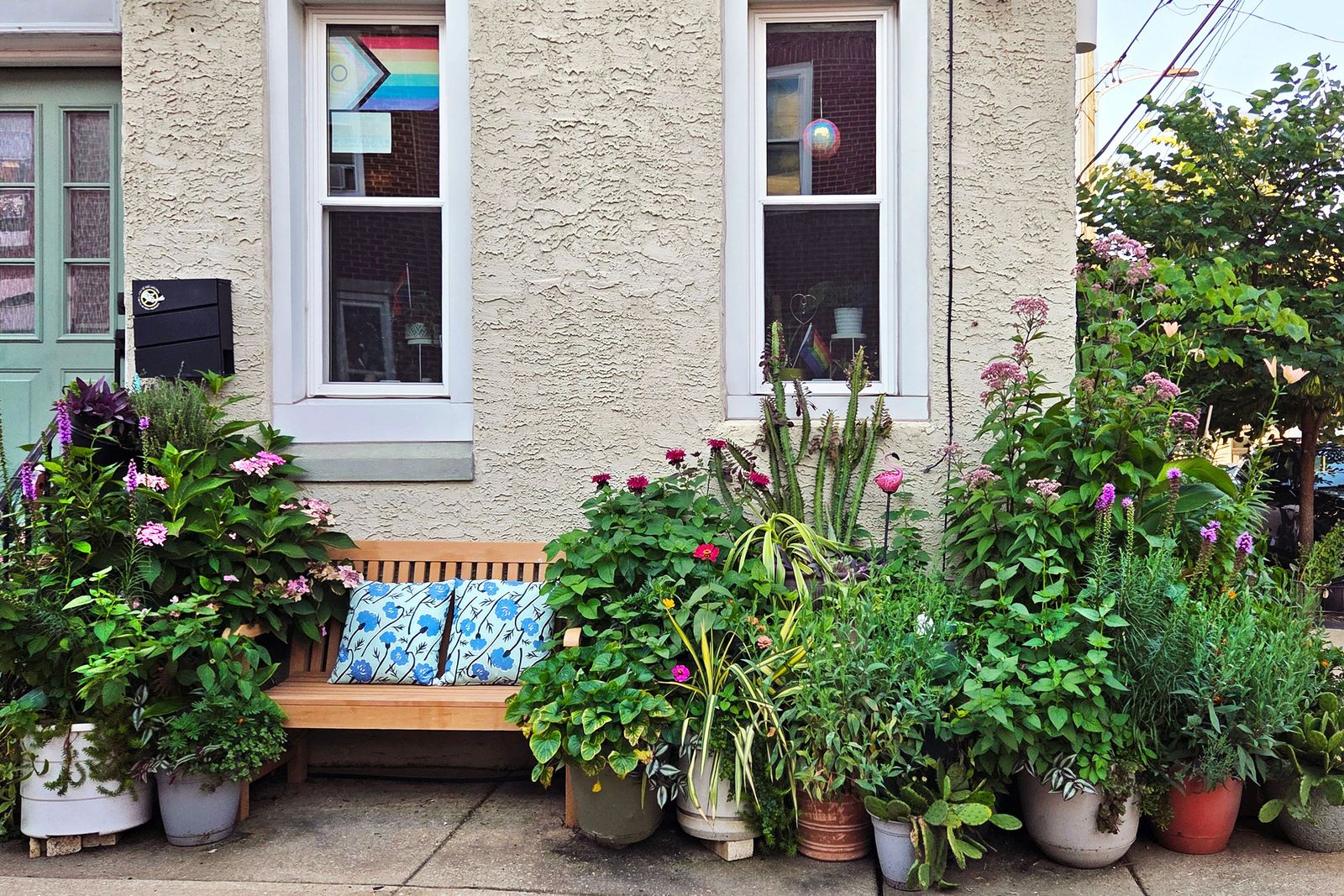
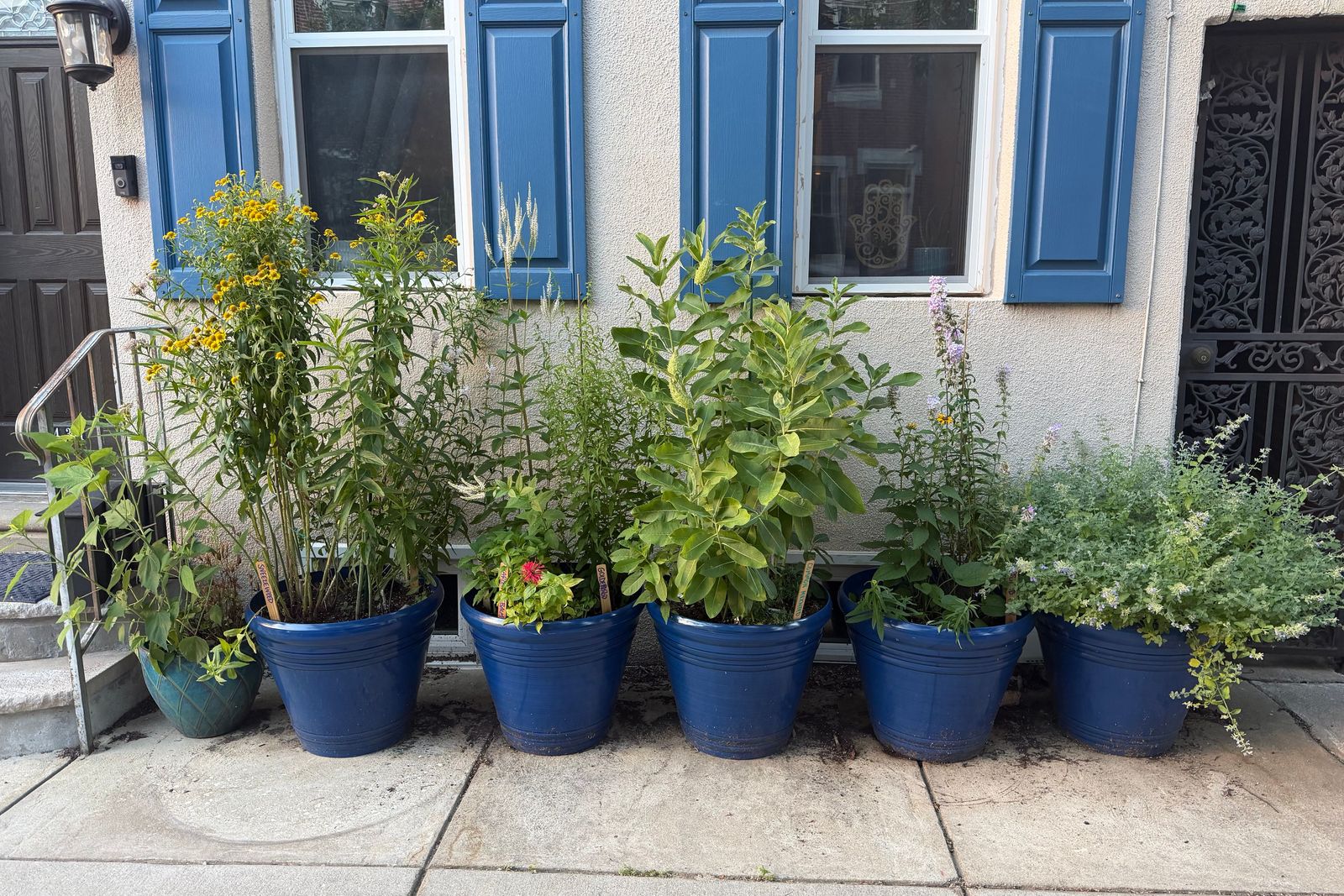
For Megan Wilcox, gardening began with a street tree. After moving to Philadelphia from Arkansas, where she grew up surrounded by nature, Wilcox never expected that a PHS-provided street tree would eventually lead her to create a garden stretching the length of her South Philadelphia sidewalk. 

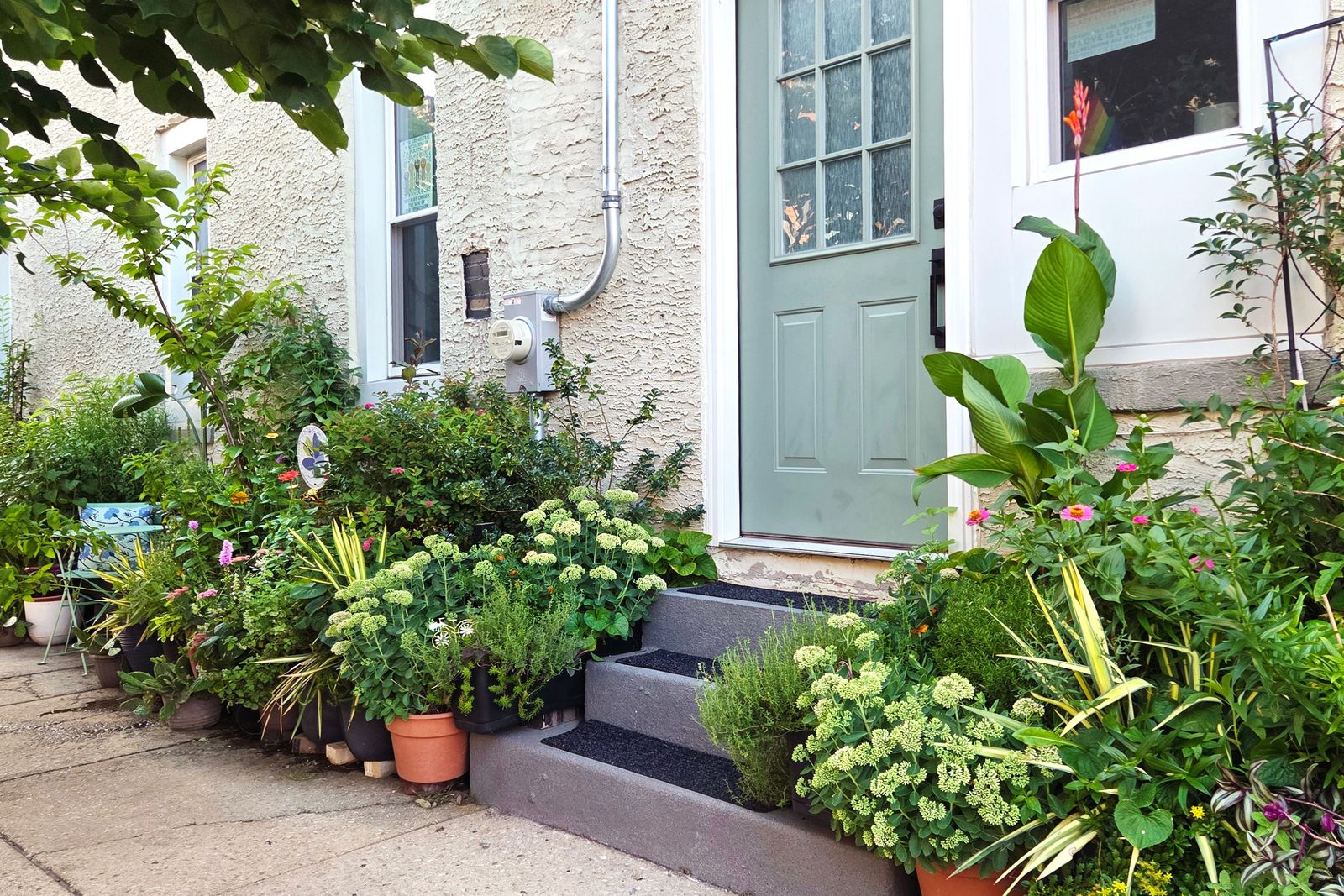
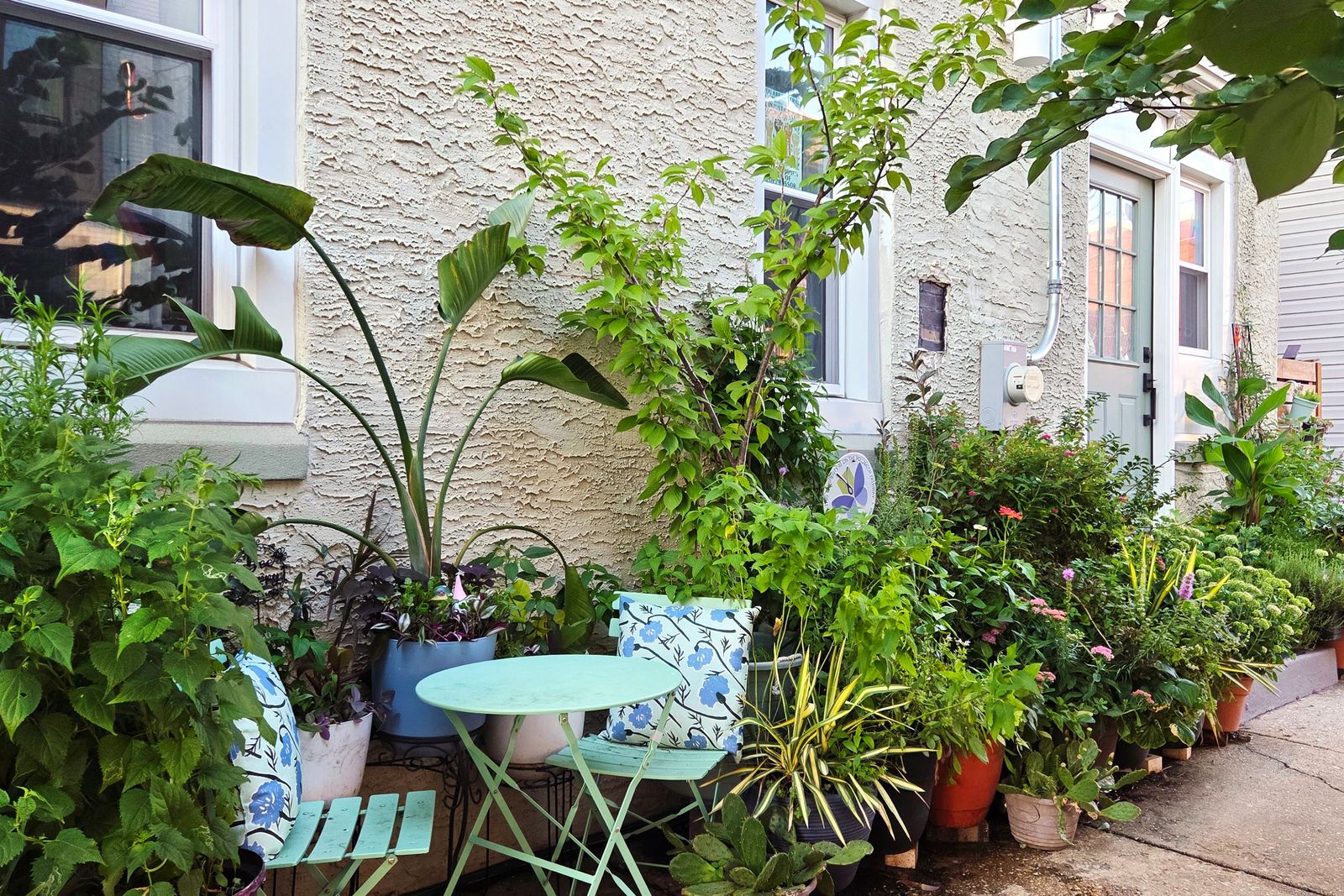
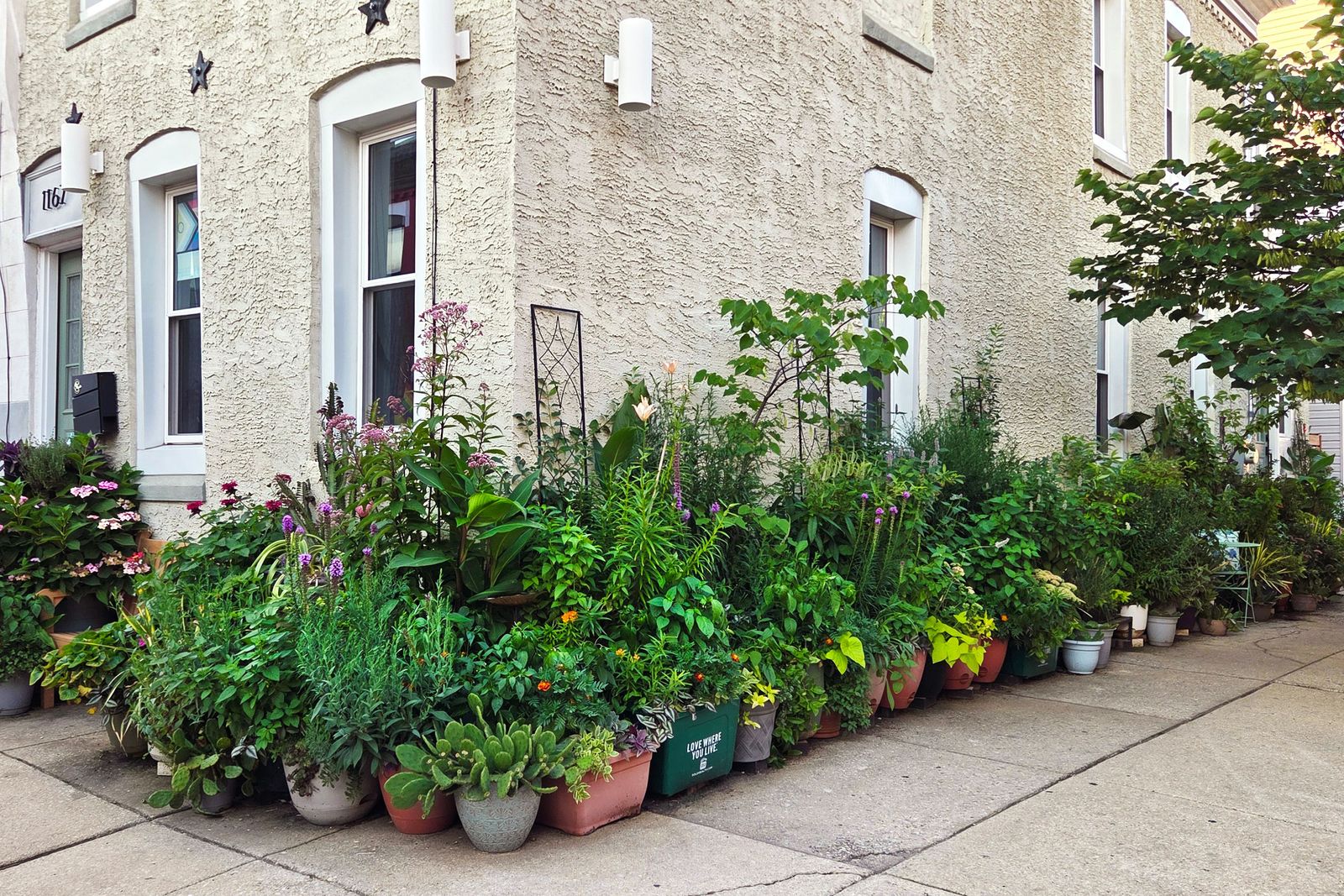
In 2020, she started with just a few pots outside her corner home. Today, her garden, which she calls "The Container Meadow," fills the sidewalk with plants, flowers, and containers. Neighbors have donated pots and plants, volunteers have shared cuttings, and free city compost has helped everything grow. 

“I think the garden is a really great example of what you can do with a little money and a lot of generosity,” Wilcox says. 

She has also been adding more native plants to support pollinators and winter-sowing seeds to grow even more plants. Her favorite is bee balm. 

Without a backyard or patio, the sidewalk has become Wilcox’s connection to nature. She describes the garden as a place where she can slow down and disappear among the plants, even in the middle of the city. And the garden doesn’t stop at her own home. She gives away plants and seeds to neighbors, continuing the cycle of generosity that helped her garden grow in the first place. 

One of her favorite views is from farther down the block, when she can look back and see her home surrounded by greenery. “It feels like a little oasis in the middle of a busy South Philly neighborhood,” she says. 

Turning Concrete into Habitat 

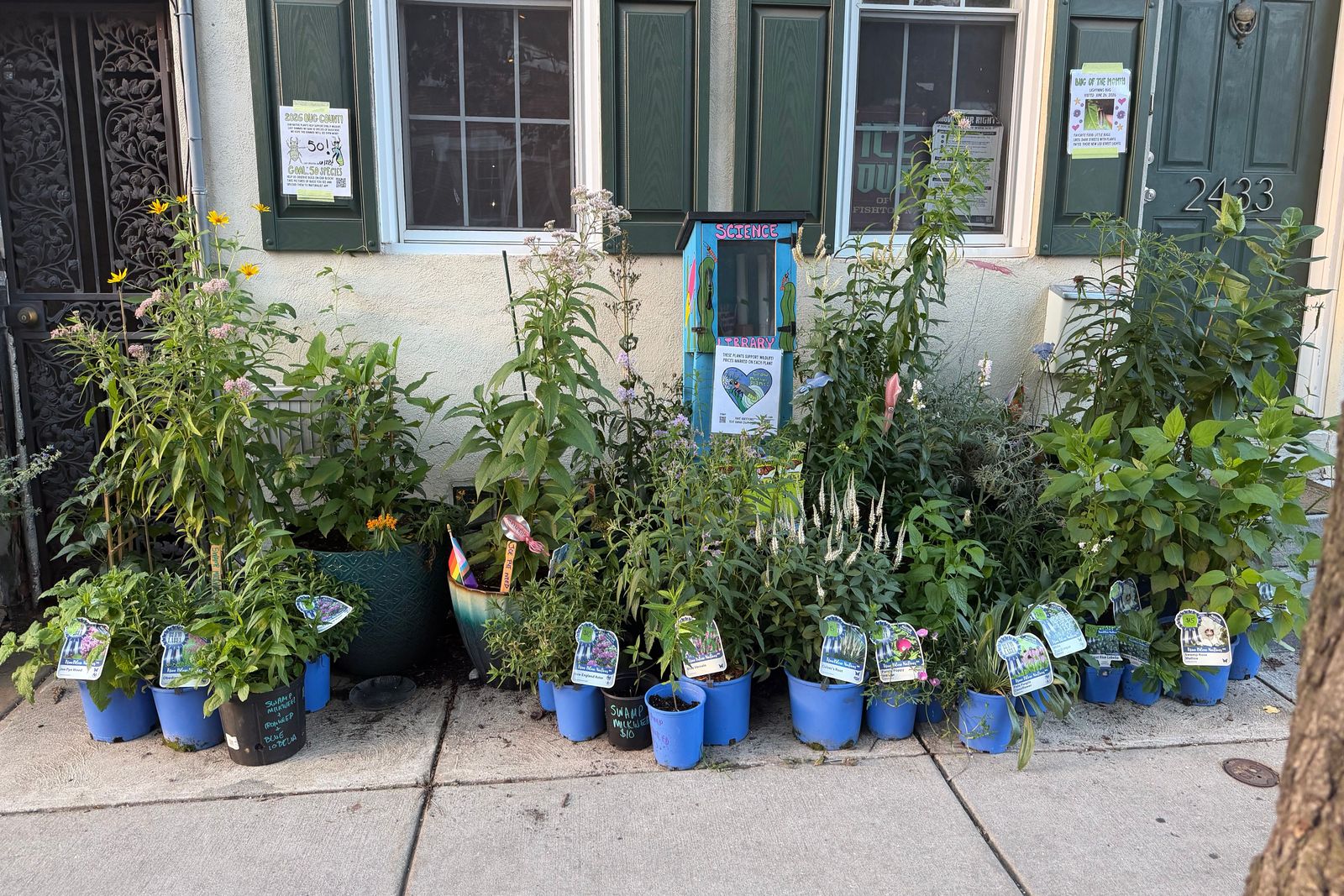
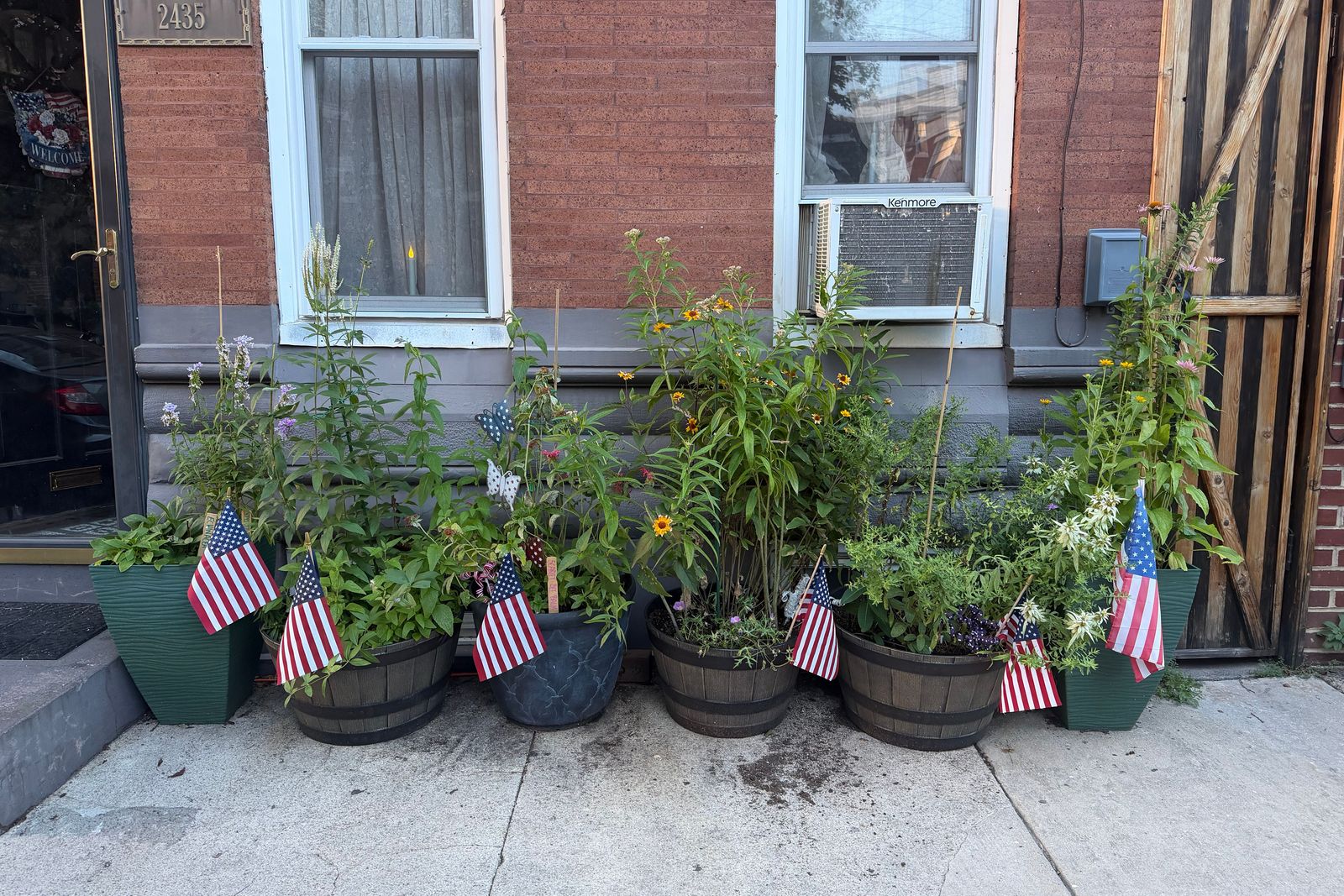
Just a few neighborhoods away, Sarah McAnulty is proving that a city block can become a wildlife habitat, too. Her "Pollinator Pot Parade" garden stretches across four Fishtown rowhomes and includes 33 pots containing 36 species of flowering plants. Thirty-three of those species are native. 

McAnulty started the garden in 2021, then expanded it in 2025 when neighbors agreed to let her continue adding plants. Today, native plants line almost the entire block. 

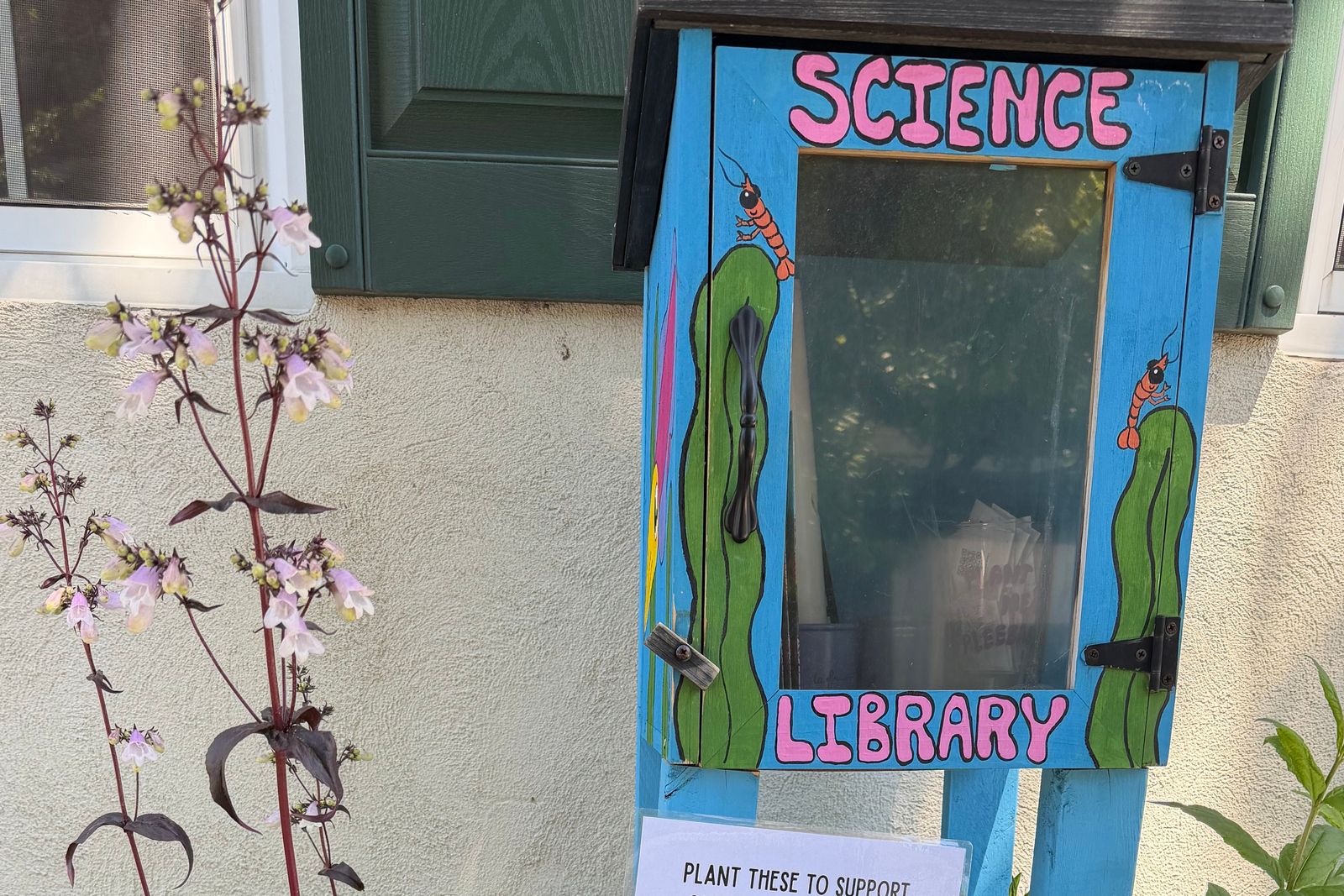
But the "Pollinator Pot Parade" is about more than planting. Each pot is labeled, helping neighbors learn about the plants growing around them. A “Science Library” offers free native plant seeds and educational materials. There’s a species counter and an honorary “bug of the month,” along with an honors-system native plant stand where people can leave or pick up a plant. 

McAnulty carefully selects plants with different bloom times so that something is flowering from mid-May onward, providing resources for pollinators throughout the growing season. The response from neighbors has been part of the reward. Families stop to look at the plants, read the signs, and learn about the wildlife they can support at home. 

For McAnulty, the garden is proof that a lack of traditional green space does not have to mean a lack of biodiversity. “Concrete is not a limiting factor for how much wildlife we can support in the city,” she says. 

Growing Food and Making Room for Wildlife 

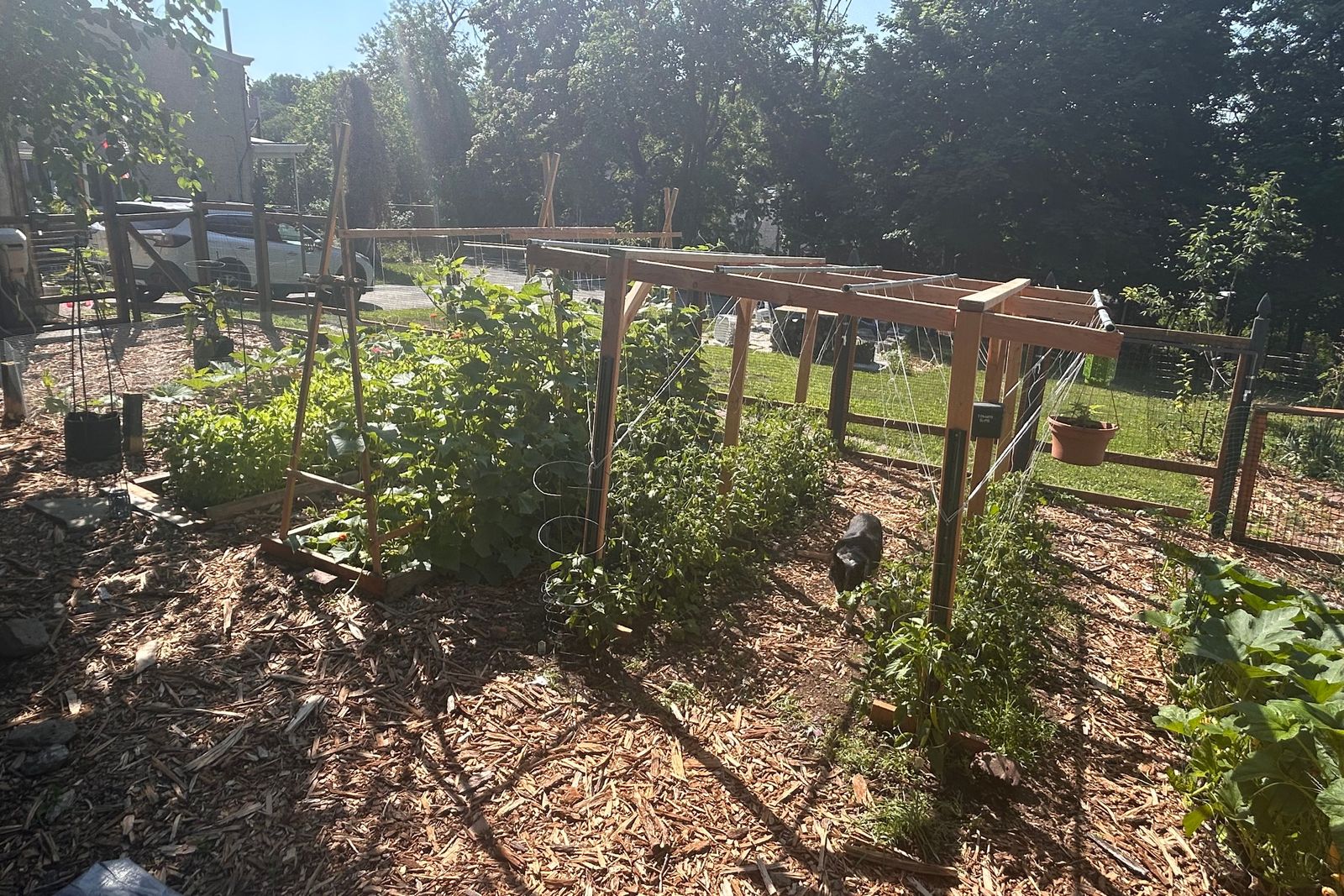
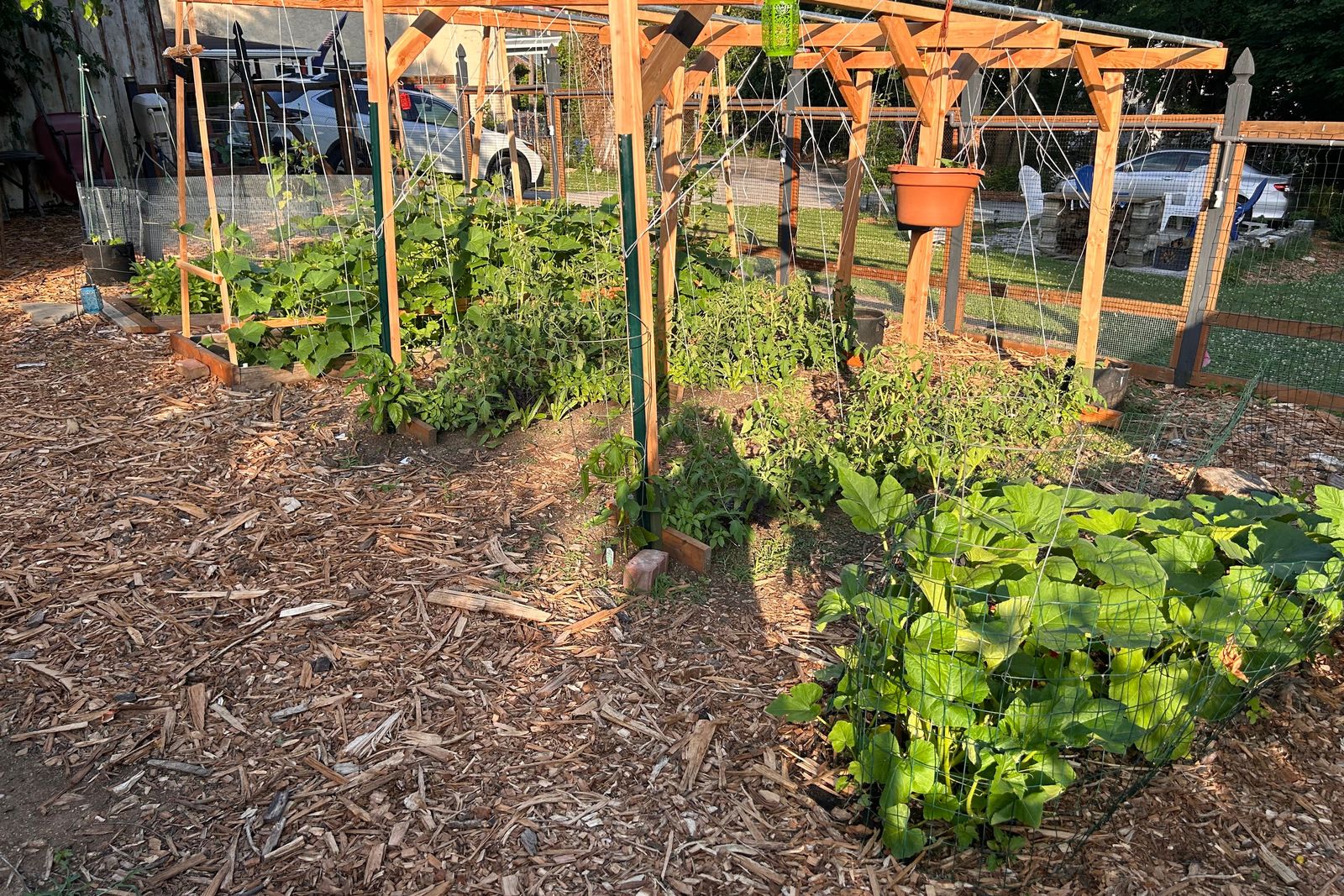
When Molly Voss moved back to the city, she wanted a yard where she could garden. Instead, she found a rental property covered in brambles and invasive plants. 

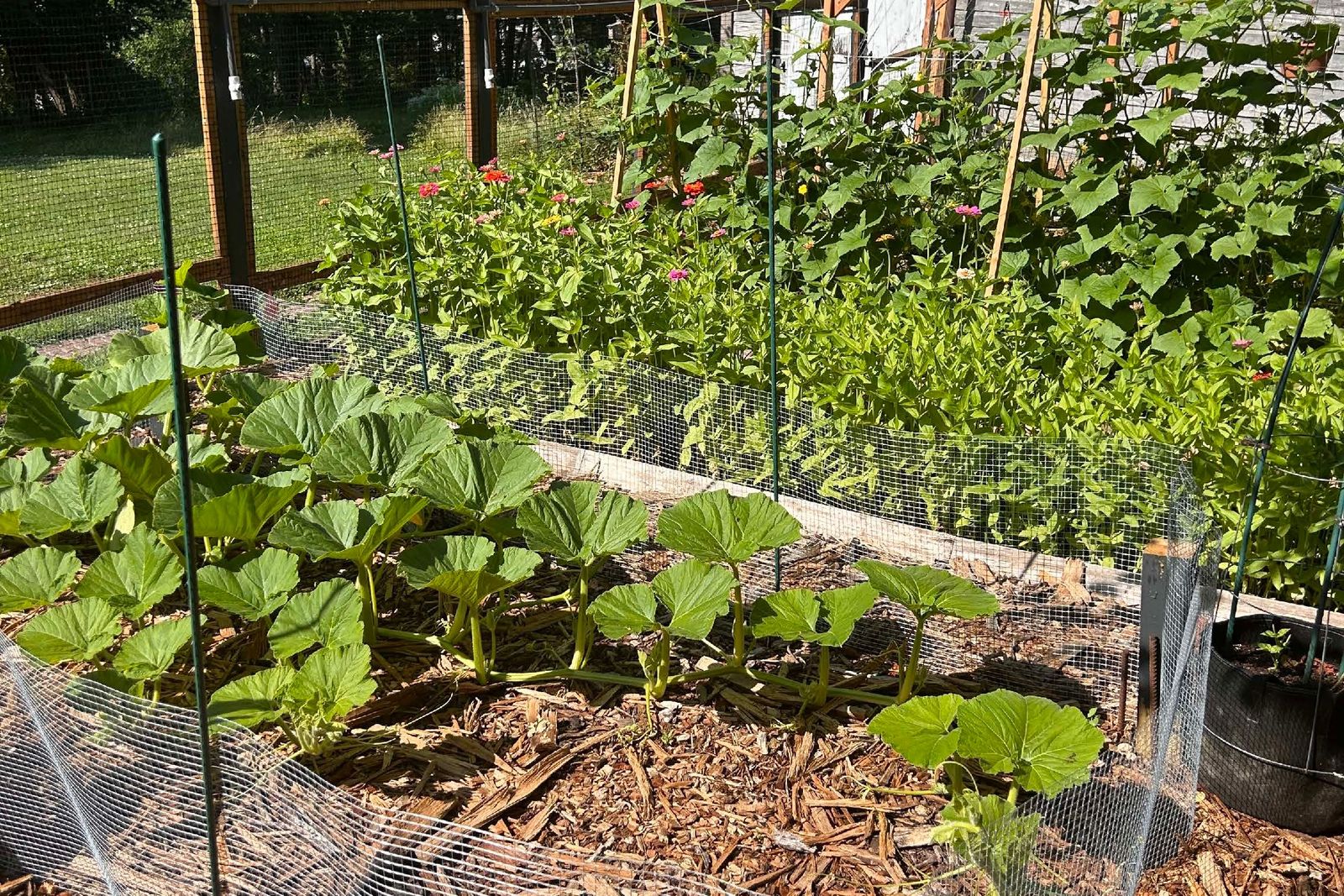
Undeterred, she began clearing space for a vegetable garden, but as the yard took shape, she realized it was already providing food and shelter for plenty of other creatures. Deer discovered the tomatoes. Groundhogs went after the cucumbers. Cats found places to use as litter boxes. 

Rather than fight every wild visitor, Voss began adapting. Her garden, "Jacob Meadows Farm & Garden," now combines vegetables with native plants and habitat for wildlife. She has added native trees through the TreePhilly program and a bird box through Wissahickon Brewing’s Birds and Brews program. Friends, family, and neighbors have contributed everything from fencing materials to plants and seeds. 

Each year, Voss makes changes based on what she learns. She has added irrigation, wood chips, flowers, and repurposed materials, while continuing to replace invasive plants with native species one square foot at a time. 

The result is a garden that grows more than food. Voss has watched the yard become a place for birds, insects and other wildlife, and one of her favorite sights is the flicker of lightning bugs in the garden. 

A Garden Can be Many Things at Once 

For Jonathan Wheeler, a garden doesn’t have to fit neatly into one category. 

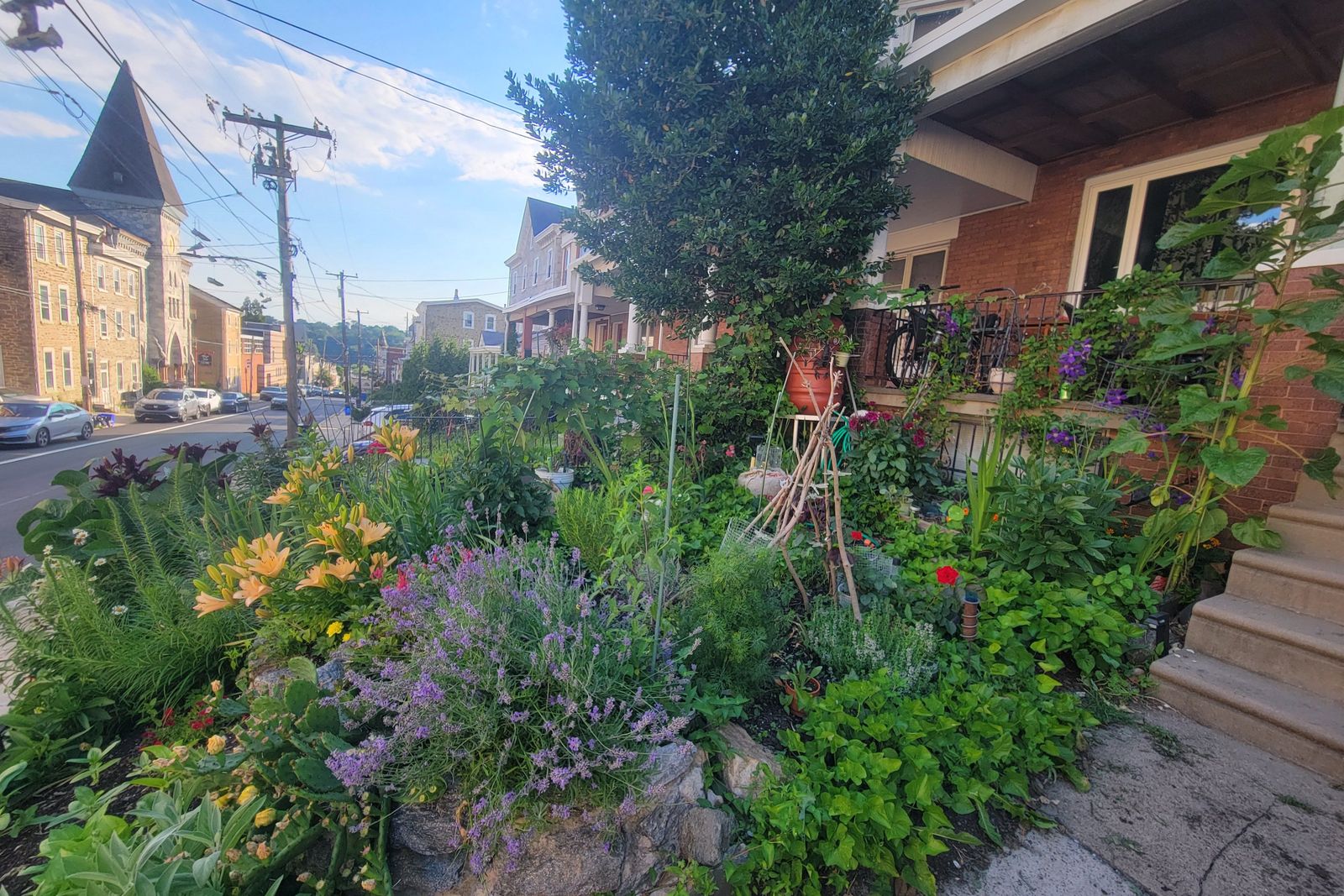
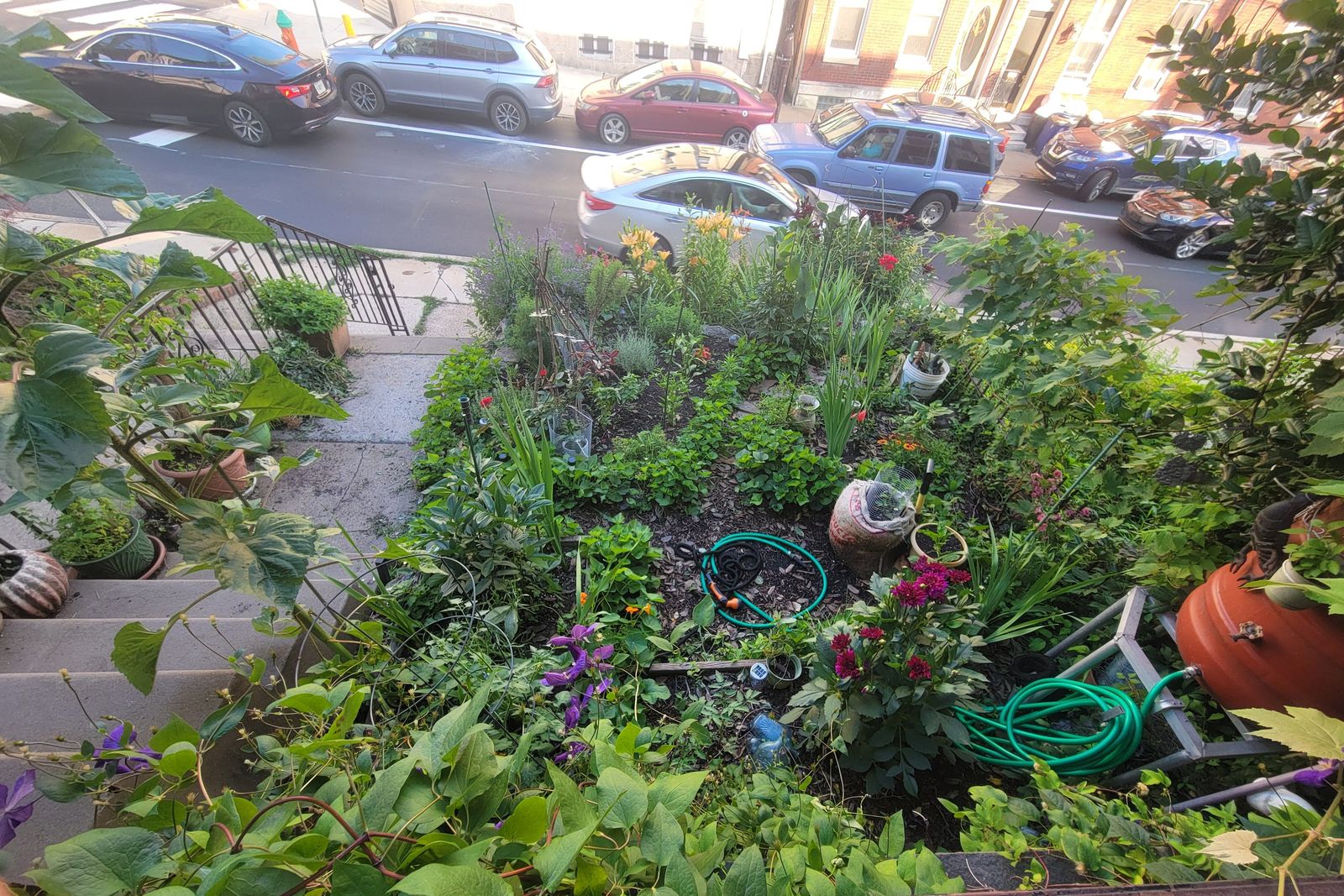
His Philadelphia rowhome garden is part cottage garden, part foodscape, part pollinator sanctuary, and part personal therapy project. Flowers grow alongside cantaloupes, tomatoes, peppers, kale, grapes, and herbs. Peonies, irises, salvias, and daisies share space with chives, climbing flowers, and volunteer plants. 

Because the garden sits on a hillside, Wheeler uses terraces, stone edging, containers, trellises, and vertical structures to make the most of the space. And he intentionally lets the garden spill toward the sidewalk.  

Neighbors stop to look. Children ask questions. Pollinators move through the plants. At one point, the garden even became the site of a baby opossum rescue. For Wheeler, those interactions are part of what makes a garden valuable. 

He sees his space as a place where science, storytelling, ecology, nutrition, emotional wellness, and civic connection can meet. It is a teaching tool and a space to observe what happens when people make room for nature. His garden also reflects a larger belief: that dense urban neighborhoods deserve daily access to beauty and biodiversity. 

Meet All of the 2026 Citywide Gardening Challenge Winners 

The inaugural Challenge recognized 15 gardeners across five categories: 

Decorative Container Garden 

  • First Place: Megan Wilcox, Point Breeze 
  • Second Place: Jennifer Santoro, Roxborough 
  • Third Place: JP Tucci, Queen Village 

Flower Garden 

  • First Place: Carrie Borgenicht, Pennsport 
  • Second Place: Linda Skale, Society Hill 
  • Third Place: Andy Keith, Fishtown 

Pollinator or Wildlife Garden 

  • First Place: Nancy Stedman, Chestnut Hill 
  • Second Place: Sarah McAnulty, Fishtown 
  • Third Place: Maura Reilly, Manayunk 

Vegetable or Herb Garden 

  • First Place: Molly Voss, Roxborough  
  • Second Place: Nadine Stevenson, Mt. Airy 
  • Third Place: Shawna Mclaurin, Logan 

Combination Garden 

  • First Place: Linda Brown, Roxborough 
  • Second Place: Jonathan Wheeler, Manayunk 
  • Third Place: Cheryl Weiner, Point Breeze 

Gardening for the Greater Good 

While every garden looked different, they all began with the same basic idea: someone looked at a space and imagined what it could become. 

A few containers became a meadow. A row of pots became a wildlife habitat. An overgrown yard became a farm and garden. A hillside became an urban ecosystem. Together, these gardeners show what can happen when Philadelphians put care into the spaces around them. Their gardens provide food, support wildlife, connect neighbors, and bring beauty into everyday life, all reasons to celebrate gardening.

The PHS Citywide Gardening Challenge has been supported by The Pew Center for Arts & Heritage. 

Your support helps PHS create more opportunities for people across the region to garden, grow, and connect with nature.