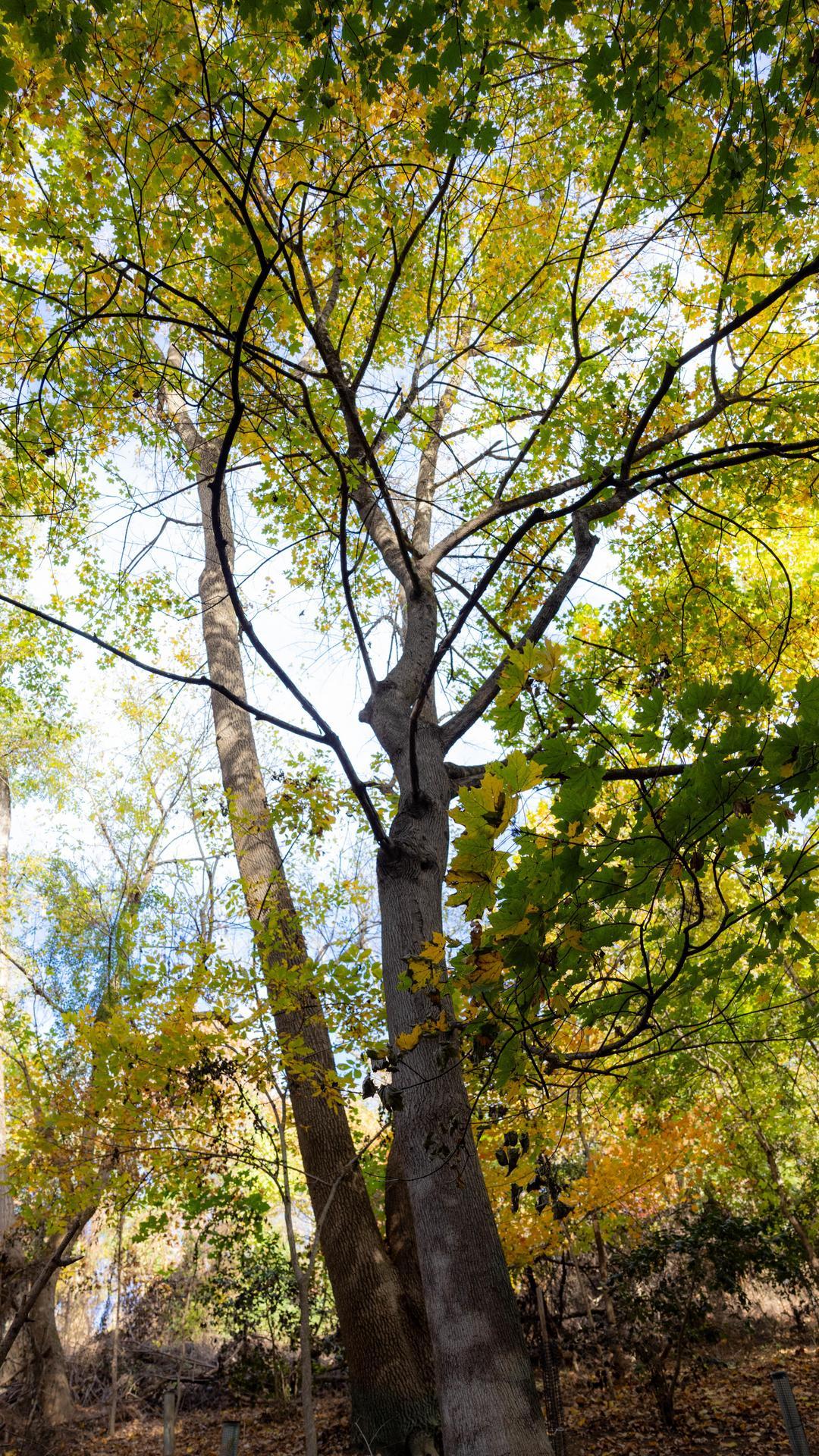






A Seasonal Gardening Guide for Healthy Plants
Practical advice and inspiration for gardeners in every season.
Healthy gardens are built season by season. This required article introduction appears before all flexible Page Builder content.
Plan for every season

Observe changing light, moisture, and temperature, then adjust watering, pruning, planting, and soil care as conditions change.
Growing Philadelphia’s green future, one garden at a time
For nearly two centuries PHS has used horticulture to advance the health and well-being of the Greater Philadelphia region. From neighborhood tree plantings to the Philadelphia Flower Show, our work connects people with plants and with one another. Learn how our programs work, and see how an old idea a time-tested idea keeps growing into something new every season.

Text wrapping around a right aligned image within the WYSIWYG editor. Our Tree Tenders volunteers have planted more than 10,000 trees across the region, and our community gardens program supports over 150 gardens. Each site is stewarded by neighbors who know their block best, with PHS providing plants, tools, training and a network of fellow gardeners to lean on when the season gets tough.
What we focus on
- Planting and caring for trees where canopy is thinnest.
- Supporting community gardens and urban farms.
- Transforming vacant land into safe, green spaces.
- Creating pathways to green jobs.
- Bringing the joy of gardening to everyone.
How you can get involved
- Become a PHS member.
- Volunteer at a garden near you.
- Attend a workshop or garden tour.
- Visit the Philadelphia Flower Show.
- Make a gift to support our work.
I’m motivated to stay involved with PHS because of the multifaceted ways that PHS engages with people in the city by bringing people together to find beauty through horticulture. I give to PHS because it’s my investment in the things I care about.”
Julia Fisher, PHS Member
Whether you have a windowsill or a whole block, there is a place for you in this work. Explore our upcoming events, find a garden near you, or reach out to our team to start a conversation.
Spring pruning basics
A good prune is less about cutting and more about reading the plant. Before you pick up the shears, walk around the shrub and look for the three Ds: dead, damaged and diseased wood.

Start with the three Ds, then step back. Most flowering shrubs only need a light thinning to open up the center and let light reach the interior. Cut back to a bud or a branch junction, keep your tools sharp, and resist the urge to shear everything into a ball.
Timing by plant type
- Spring bloomers (lilac, forsythia)
- Prune right after flowering.
- Remove up to a third of the oldest stems.
- Summer bloomers (hydrangea paniculata, butterfly bush)
- Prune in late winter before growth starts.
- Evergreens: only light shaping, never into bare wood.
Tools worth owning
- Bypass pruners
- Loppers
- A folding pruning saw
A very long heading level two to test wrapping across multiple lines at every viewport size
This block exercises the maximum-content state: long headings, a 360-character quote, a centered image, bold, italic, strikethrough and links on a dark surface. Everything should stay legible and keep the same rhythm as the default surface.
Heading level three that is also quite long and should wrap gracefully without breaking the layout
Short paragraph between headings.
Heading level four that runs long enough to wrap onto a second line at the narrow container width
Another short paragraph so heading spacing can be checked against body copy.

Gardening taught me patience I did not know I had. You put something in the ground in March, you water it when it is dry and you trust that the work is happening underground where you cannot see it. By June the whole block is different, and so are the people who show up every Saturday to keep it going. That is what PHS made possible on our corner.”
Marcus Bell, Garden Steward, Strawberry Mansion
A second, shorter quote without attribution to check spacing between stacked blockquotes.”
- First numbered item with a long line of text that wraps to a second line so the hanging indent can be verified against the design.
- Second item
- Third item