As the days shorten and the crispness of autumn fills the air, it’s tempting to think your gardening season is winding down. The tomatoes are fading, the squash vines are spent, and the cucumbers have long since been pickled. But the truth? The season is far from over! For those of us in Zones 6 and 7, autumn presents a second, often more rewarding, chance to get your hands dirty.
Fall vegetable planting is the perfect opportunity to extend your harvest, especially with cool-season vegetables that thrive in chilly nights and shorter days. In the Mid-Atlantic and Northeast, one date looms large: October 10. Think of it as your key marker on the planting calendar for fall. Crops sown before then have the best chance to mature before the first hard frost. With a little planning, you can enjoy a truly abundant fall garden.
Join PHS and enjoy free access to Know to Grow webinars, plus discounts on events, exclusive invites, and more.
If you’ve only ever gardened in spring and summer, you’re missing one of the best-kept secrets in gardening. Planting vegetables for fall offers unique benefits:
Cooler weather: Many vegetables prefer autumn’s gentle temperatures. The soil stays warm enough for seed germination, while cooler air reduces stress on young plants.
Fewer pests: Summer’s insect armies are winding down, giving your crops a break.
Better flavor: A light frost triggers vegetables like kale and carrots to sweeten up, making them even more delicious.
These fall gardening tips can help you see your backyard in a whole new light: fall isn’t the end; it’s a fresh beginning.
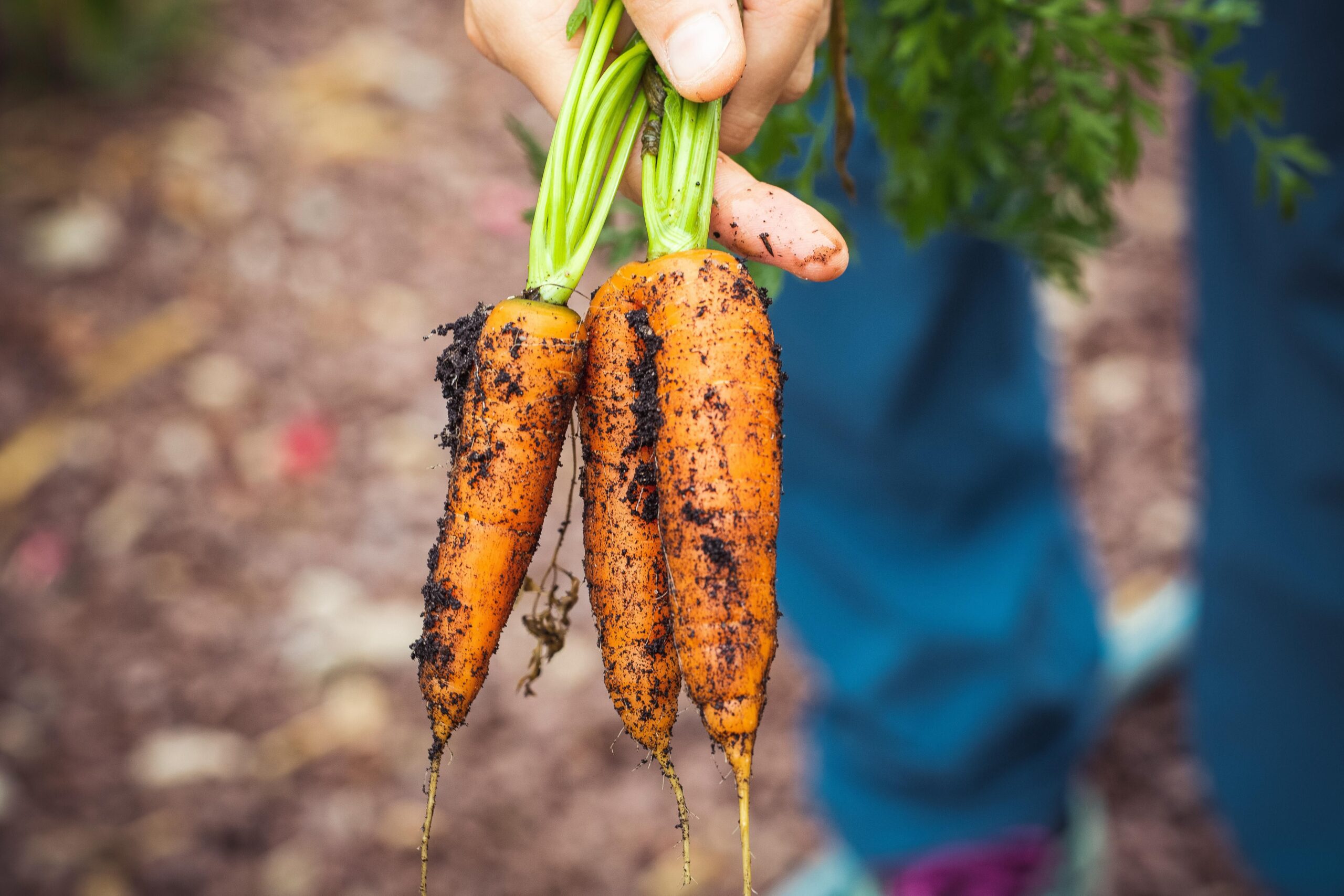
Crunchy, colorful, and cold-tolerant—carrots shine in the fall garden.
What Vegetables to Plant in Fall
The beauty of the fall garden is its diversity. Whether you’re craving leafy greens, crunchy root crops, or cold-hardy brassicas, autumn gives you plenty of choices. Here’s a breakdown of the best vegetables for a fall garden, especially for those planting before frost sets in.
Leafy Greens
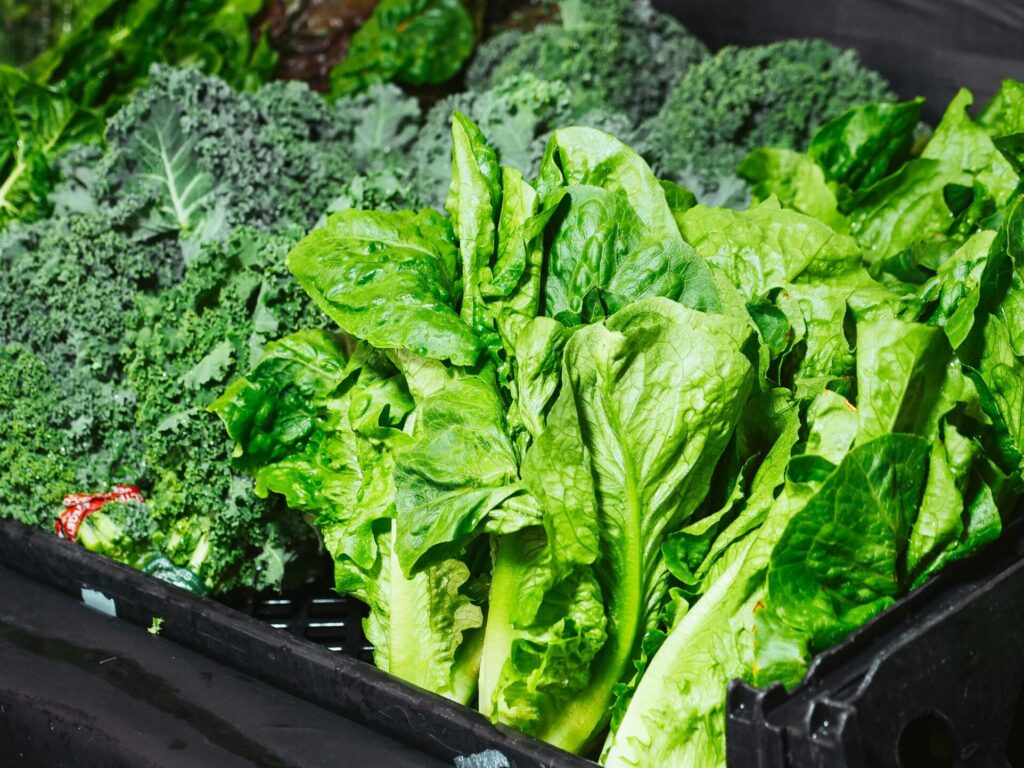
These cool-season vegetables are the stars of fall planting. They love crisp nights, and their flavor improves after frost.
Spinach: Less likely to bolt in fall and can overwinter with protection.
Lettuce: Looseleaf types mature quickly in just 30–45 days.
Kale & Collards: Super hardy, sweeten with cold.
Arugula & Swiss Chard: Fast-growing, frost-tolerant, and full of flavor.
Asian Greens (Bok Choy, Tatsoi, etc.): Popular and versatile, they thrive in cool weather and can be harvested young for tender leaves or allowed to mature for hearty cooking greens.
Root Crops
Roots concentrate sugars as temperatures drop, giving you sweet, flavorful harvests.
Radishes: Ready in as little as 25 days, great for quick fall planting.
Beets & Turnips: Thrive in cool weather, growing sweeter after frost.
Carrots: Choose quick-maturing varieties and mulch well for insulation.
Brassicas (from transplants)
Broccoli, cauliflower, and cabbage need a head start. Plant them from transplants well before October 10 to ensure maturity. A cold frame or row cover helps extend their season.
Herbs
Some herbs thrive in the cooler months, especially those that bolt in summer.
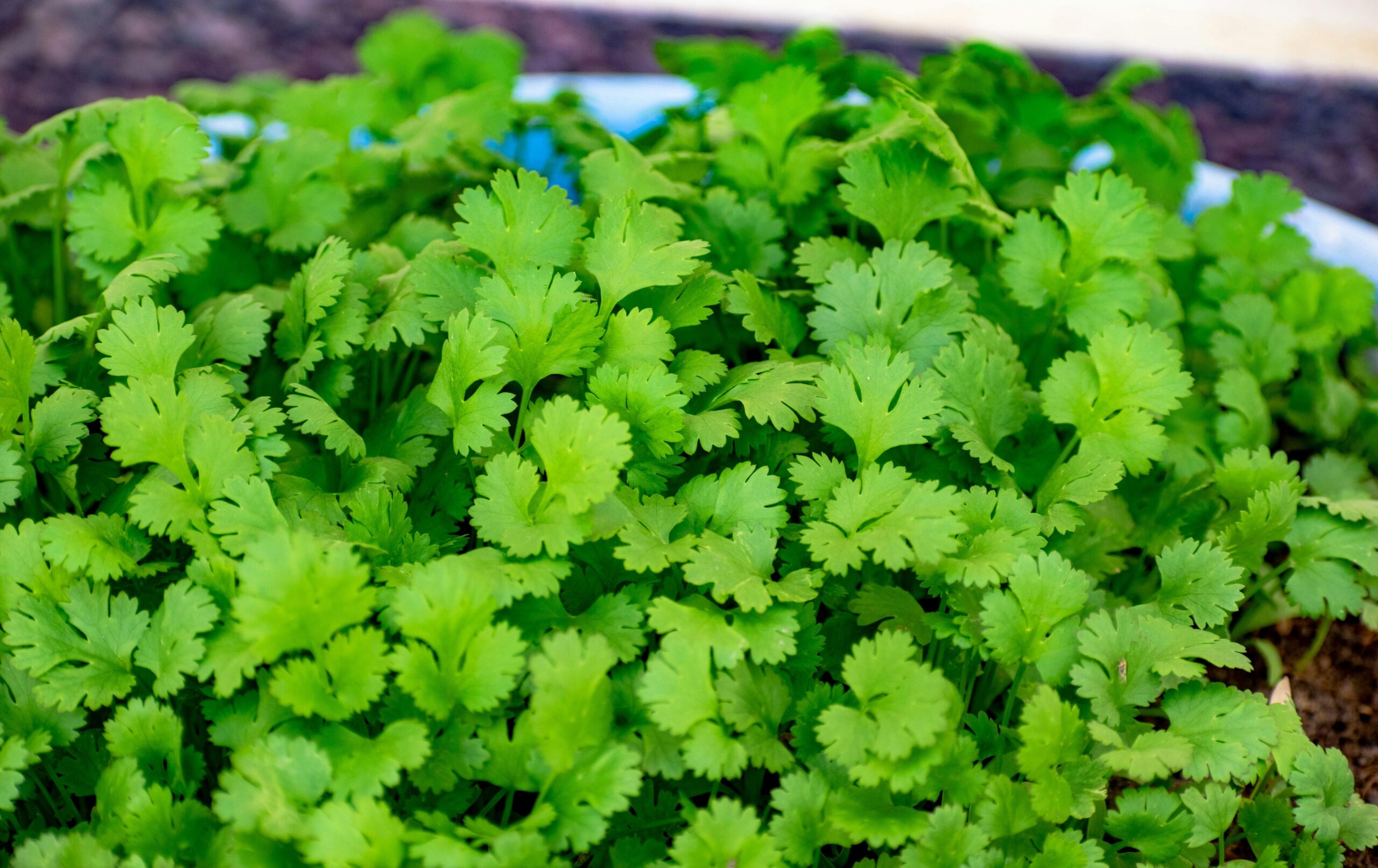
Cilantro: Ideal for fall planting since it loves cooler temps.
Parsley, thyme, chives, sage, rosemary: Hardy options that can keep producing into winter.
Cool-season herbs like cilantro thrive in fall, adding fresh flavor to your harvest.
Fall Gardening Tips for a Successful Harvest
A successful fall garden requires a little planning and attention to detail. Here’s how to make the most of your planting calendar for fall:
Prepare your soil: Add compost or organic matter, especially if summer crops depleted nutrients.
Keep watering: Cooler weather doesn’t eliminate the need for moisture. Newly planted crops need consistent watering to establish.
Try succession planting: Sow greens and radishes every 10–14 days for a steady harvest.
Protect before frost: Use row covers, cold frames, or mulch to extend your harvest and safeguard crops from hard freezes.
What to Plant Before Frost for the Best Results
If you’re wondering what to plant before frost hits, focus on quick-maturing crops like radishes, lettuce, arugula, and spinach. Pair those with hardy root vegetables and cold-tolerant greens, and you’ll have a harvest that lasts well beyond the first frost date.
The Best Vegetables for a Fall Garden: Final Takeaways
As the days grow shorter, don’t pack away your trowel. Instead, embrace the season by focusing on what vegetables to plant in fall, from leafy greens to root crops, brassicas, and herbs. With a little planning and some frost protection, your autumn harvest might just rival your summer bounty.
Fall gardening isn’t just about extending the season; it’s about discovering some of the best, sweetest, and most satisfying flavors of the year.
Experience the beauty of fall at the PHS gardens. Explore seasonal blooms, fall events, and hands-on workshops that make autumn the perfect time to visit.