Rooted: A Reading Guide to the 2026 Philadelphia Flower Show
Morgan Horell
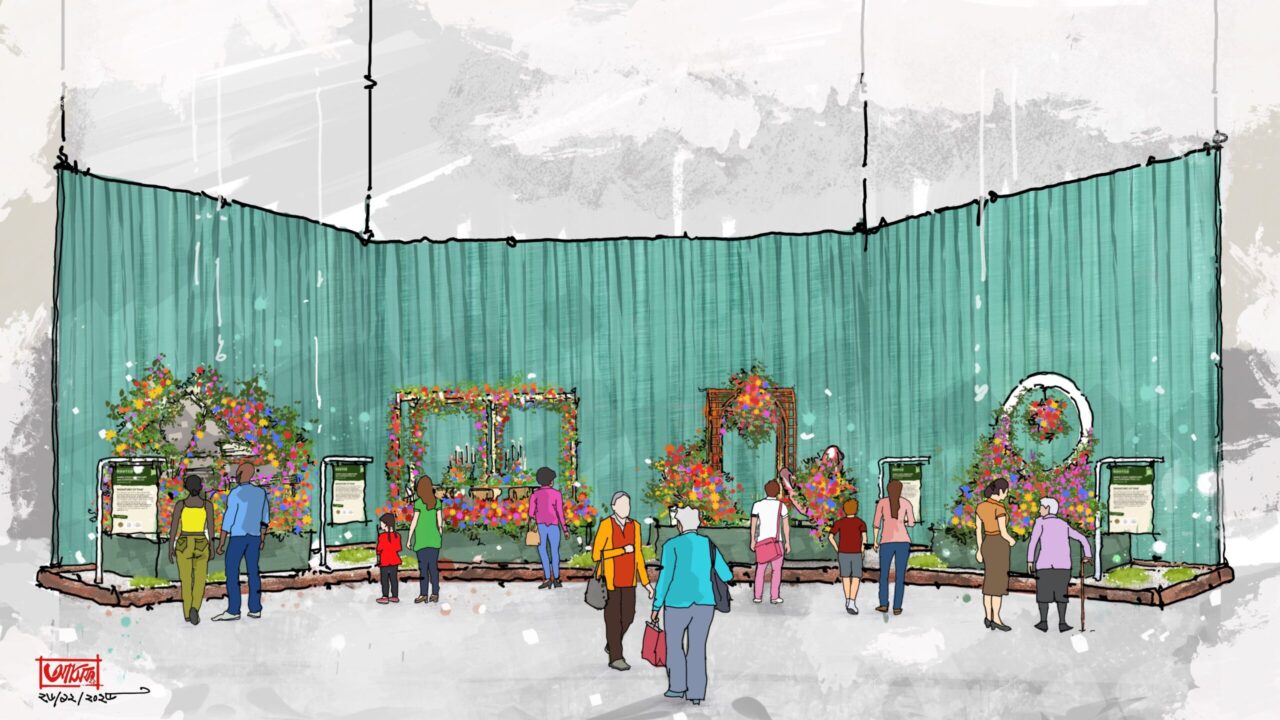
Every garden has a story to tell. The 2026 PHS Philadelphia Flower Show theme, Rooted: Origins of American Gardening, invites visitors to explore how our horticultural heritage took shape and how those legacies continue to grow today.
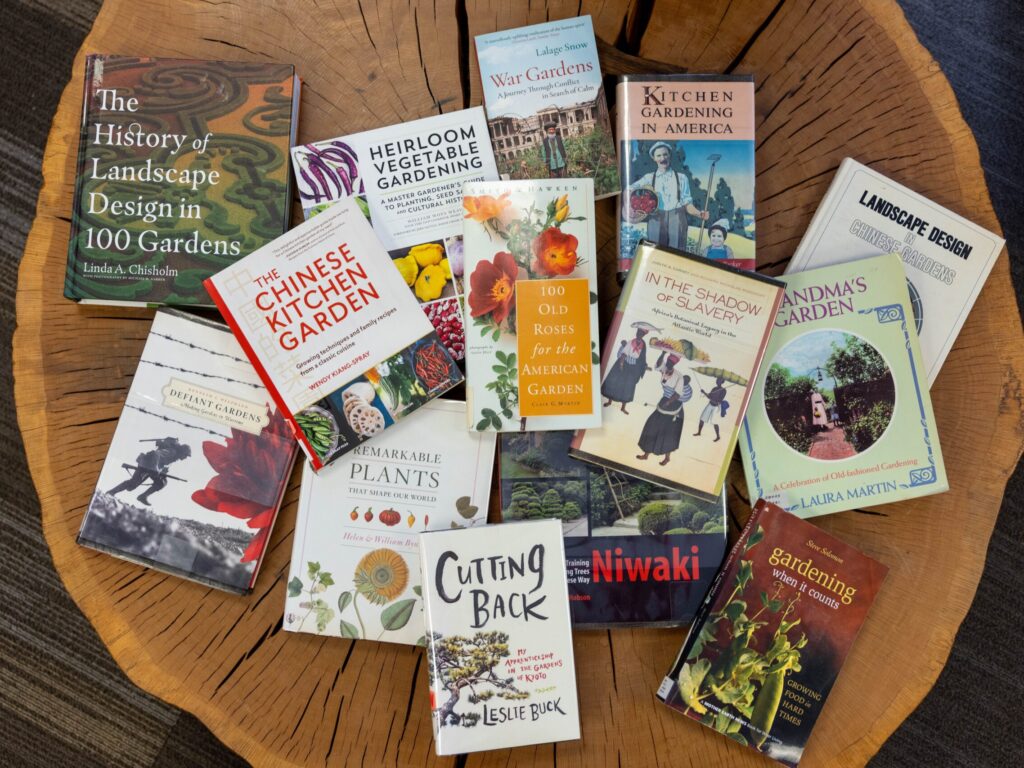
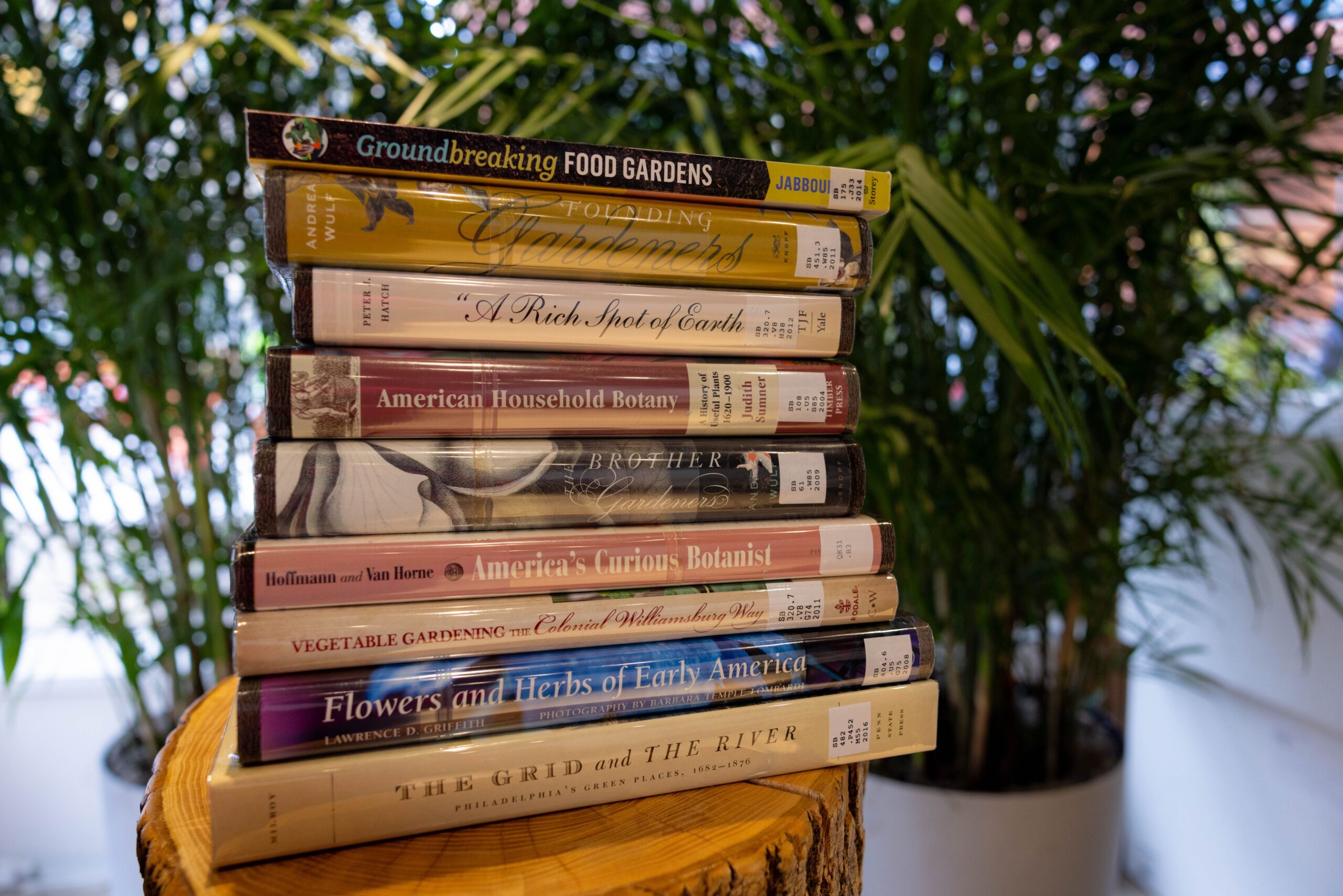
The PHS McLean Library has curated a selection of books that illuminate the histories, cultures, and personal narratives behind American gardens. Whether you’re preparing for your visit or want to dig deeper afterward, this reading guide will help you follow the roots of our gardening traditions across centuries and continents.
All of the books featured in this guide are available to PHS Members through the PHS McLean Library, offering an opportunity to continue your exploration beyond the Flower Show.
From the Bartrams’ global plant exchanges to a city planned around gardens and green space, these pages remind us that Philadelphia’s story has always been rooted in the soil.
Philadelphia: The Cradle of American Gardening
Long before Philadelphia was a metropolis, it was imagined as a “Greene Countrie Towne,” a city where gardens and public green spaces were essential civic infrastructure. Many of America’s most influential horticultural ideas sprouted here.
Bartram’s Legacy
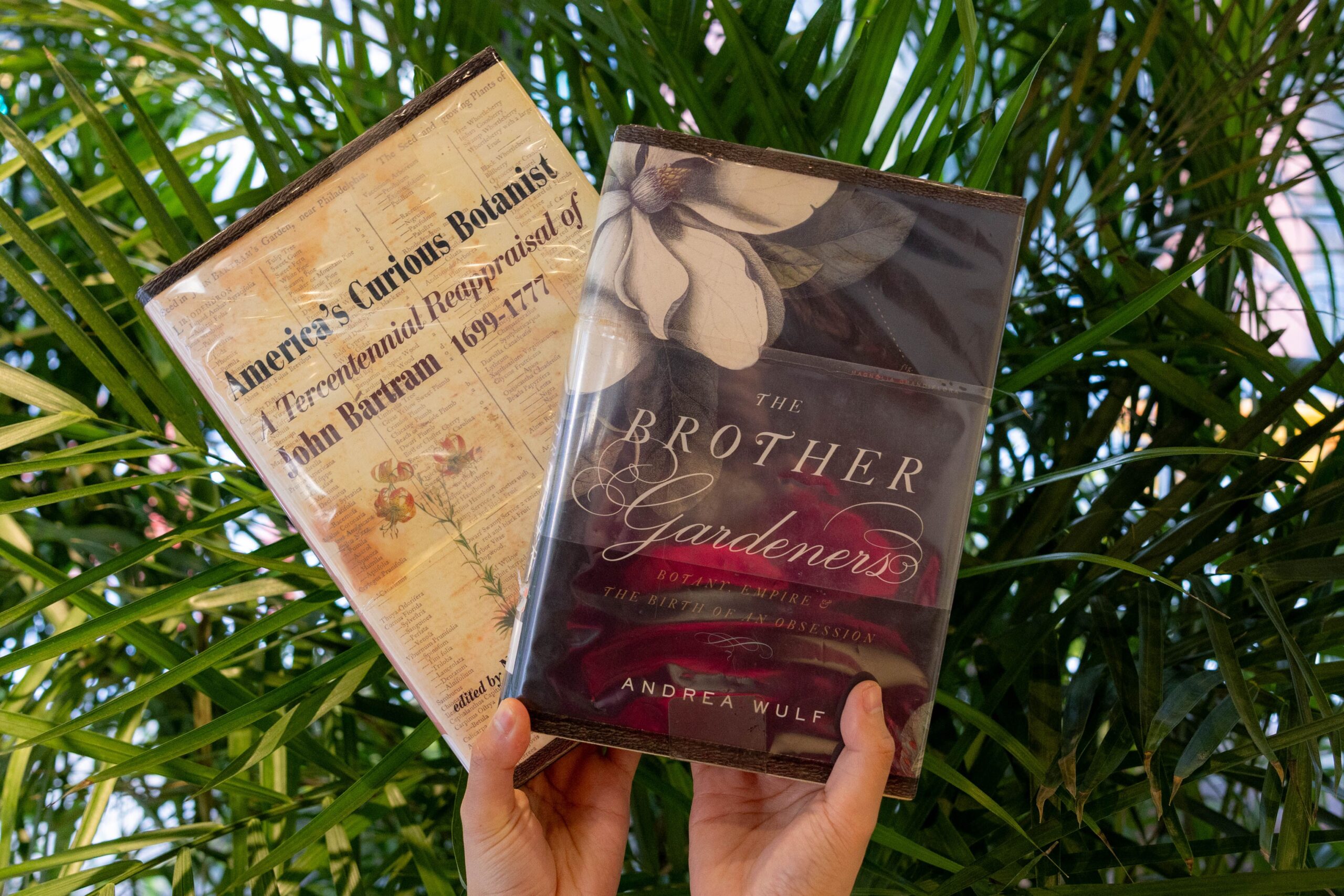
Few families shaped early American botany like the Bartrams. Their Philadelphia garden became a hub of plant exchange, scientific study, and transatlantic discovery.
Inside the Colonial Garden: Utility, Beauty, Survival
Early American gardens blended necessity and creativity. Many plants we still grow today, including herbs, vegetables, and ornamentals, were once life-sustaining staples or precious medicinal plants.
The Founding Gardeners: Politics in the Flowerbeds
Philadelphia was not just the birthplace of American democracy; it was also where the nation’s early political leaders nurtured profound gardening passions. Jefferson, Washington, and other founders shared seeds, swapped horticultural experiments, and viewed gardening as an extension of their philosophies about the new nation.
These books highlight the rich cultural traditions that shaped what grows in American soil today.
Gardens of Memory, Identity & Culture
Though American gardening often begins with colonial narratives, its roots stretch much further across oceans, diasporas, and generations. The books below highlight the rich cultural traditions that shaped what grows in American soil today.
Immigrant Garden Traditions
Gardens often serve as bridges to homeland through foods, techniques, and plant stories passed down in families.
Many gardeners begin with a memory, such as a grandmother’s tomatoes or a grandfather’s roses. This theme honors the emotional landscapes of personal heritage.
Books on cultural gardening practices reveal the global influences embedded in American gardens.
Indigenous, Diasporic & Global Gardening Traditions
The roots of American horticulture also include sophisticated agricultural systems and foodways brought by Indigenous communities and global diasporas.
Three Sisters Planting (Indigenous Agriculture)
The interplanting of corn, beans, and squash is a sophisticated Indigenous system passed down for centuries.
Enslaved Africans carried seeds (okra, black-eyed peas, rice) in small cloth bundles across the Atlantic, reshaping Southern agriculture and American cuisine.
Dig deeper into gardening history with the PHS McLean Library collections.
Keep Exploring
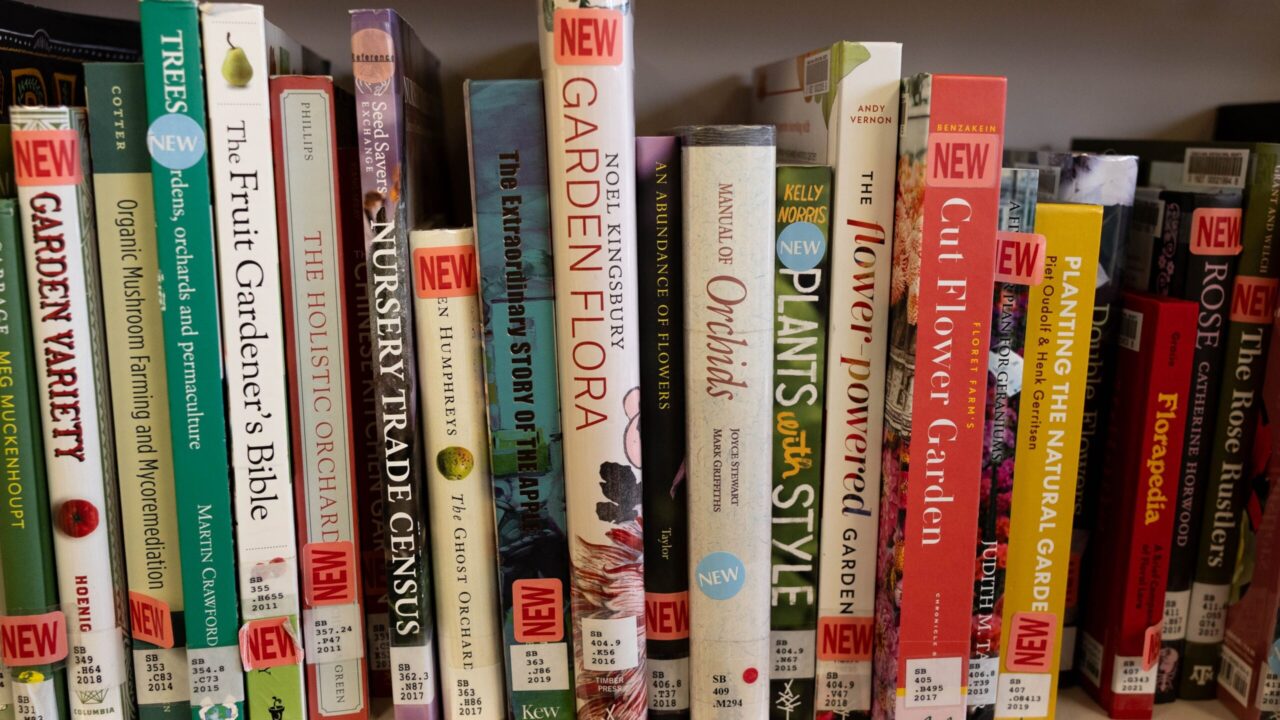
To delve deeper into heirloom plants, seed-saving, and historical gardening traditions, visit the McLean Library’s online subject guide:Heirloom Plants and Seeds.
Love garden stories? Get access to these books and more when your become a PHS Member.
Get a sneak peek at standout exhibitors at the 2026 Philadelphia Flower Show, featuring landmark displays, global florists, students, and first-time designers.