Fall
Plants We Love
Trees
Top Fall Picks: Gold Medal Trees
The PHS Gold Medal Plant Program spotlights outstanding trees, shrubs, vines, and perennials for gardens in the mid-Atlantic region (growing zones 5 to 7).
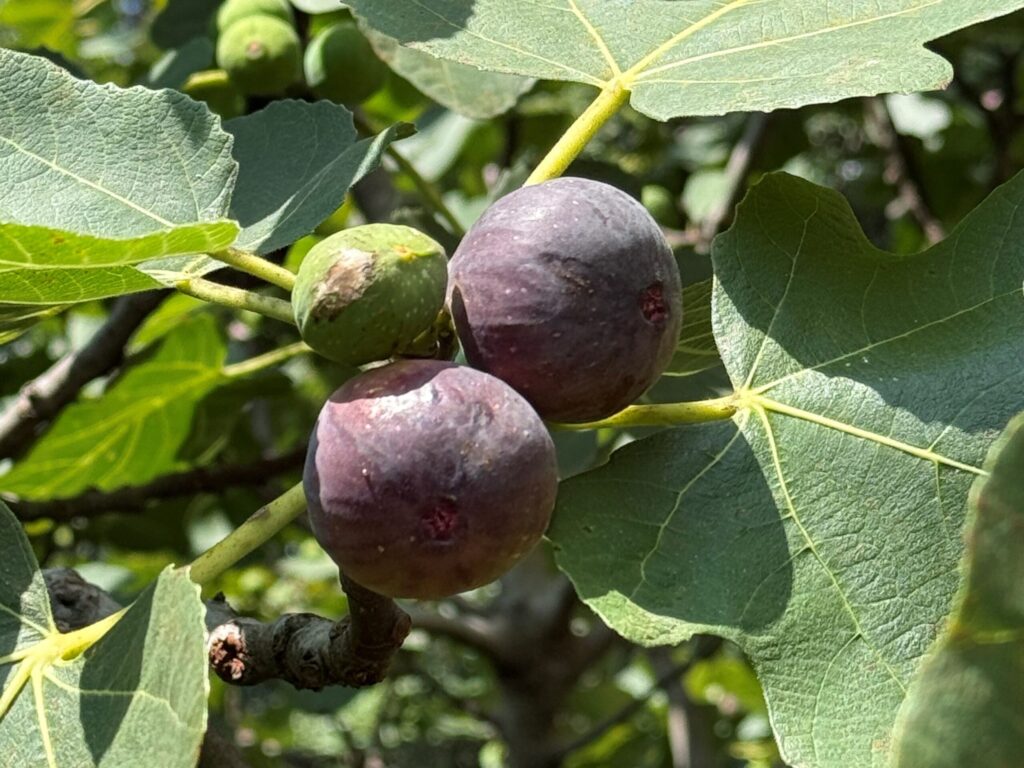
Figs trees have been cherished for thousands of years, first cultivated in the sun-soaked landscapes of the Mediterranean. Once treasured by ancient Egyptians, Greeks, and Romans for their sweet, honeyed fruit and striking foliage, figs remain a beloved crop today, with Turkey, Egypt, Morocco, and Algeria leading global production.
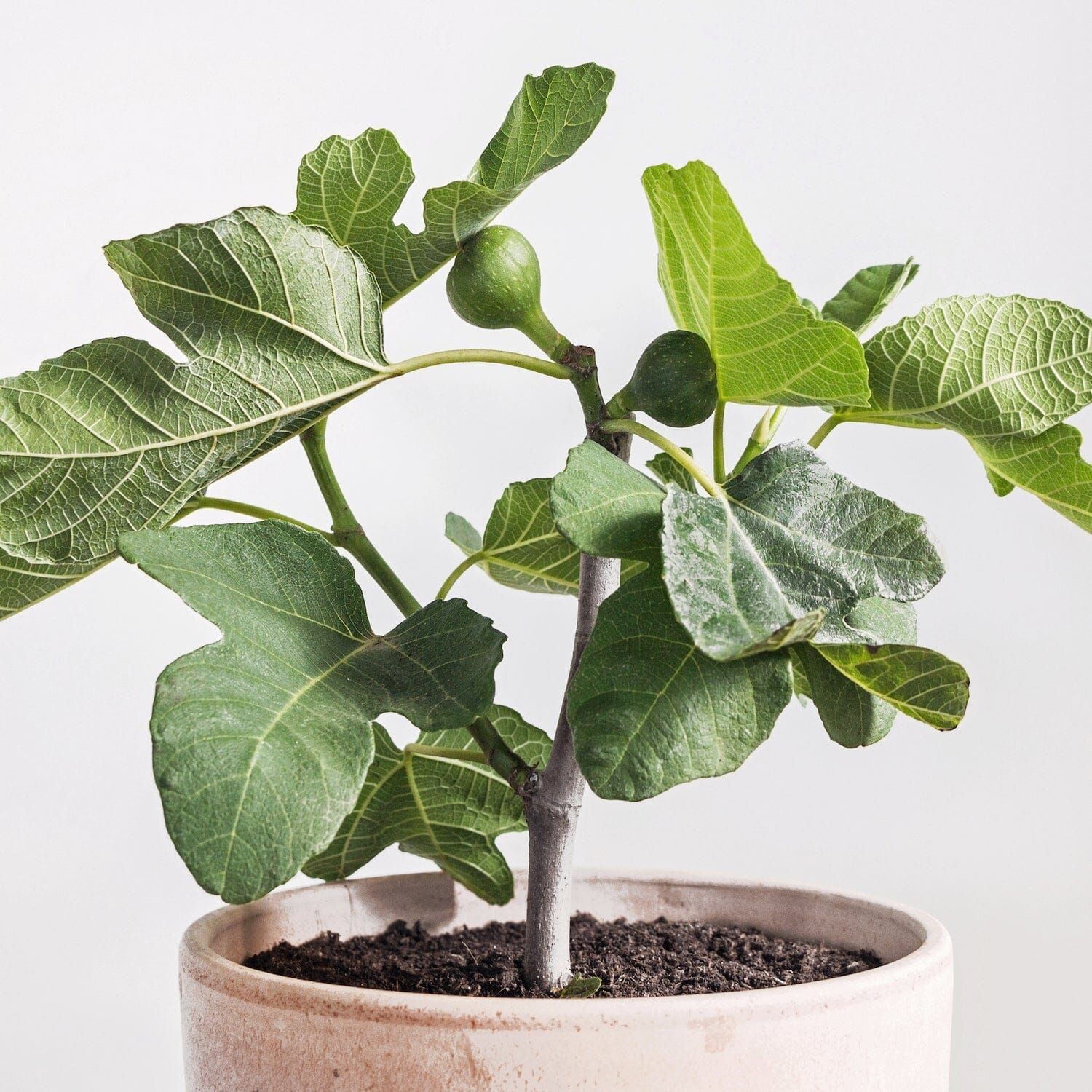
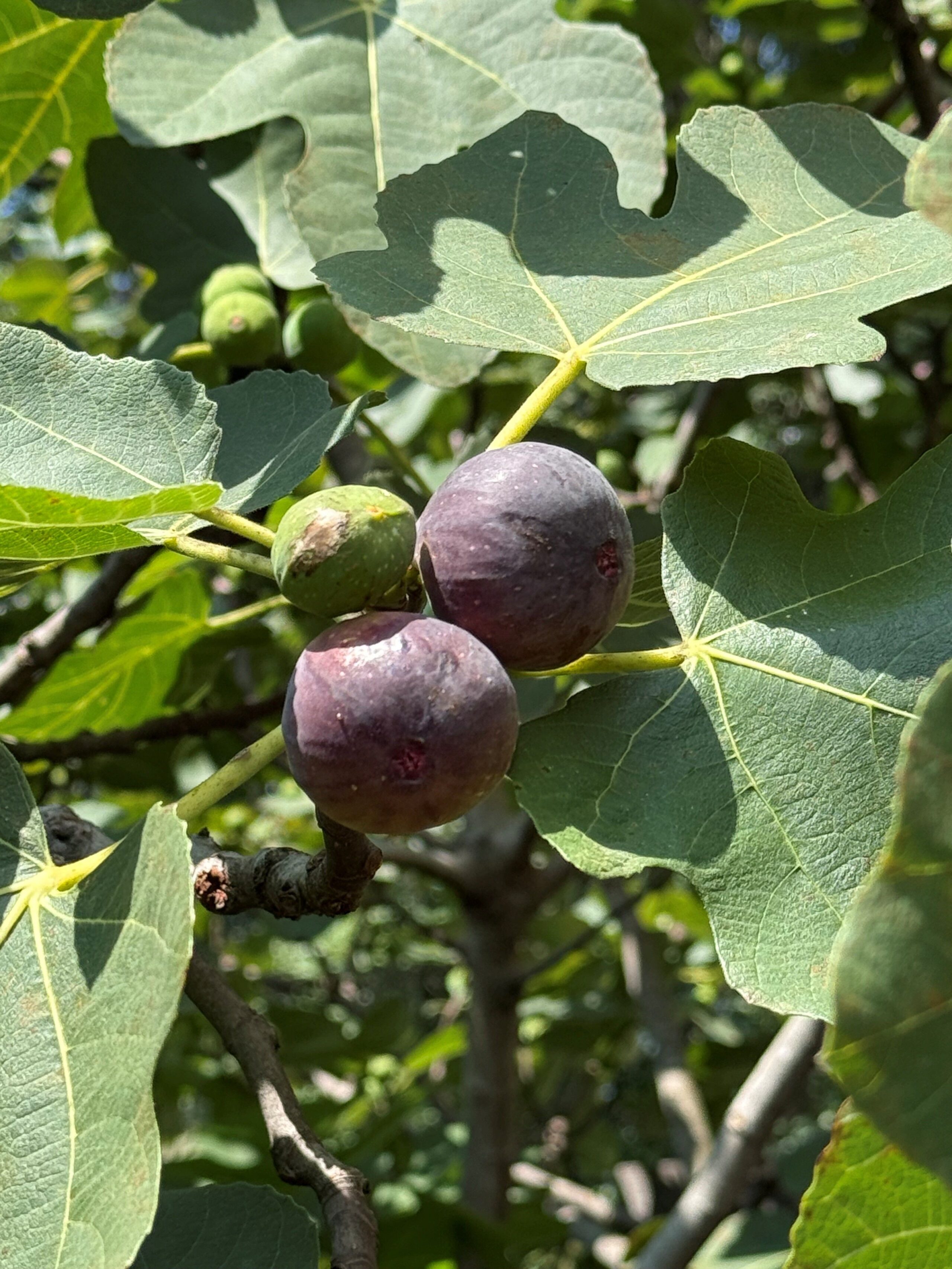
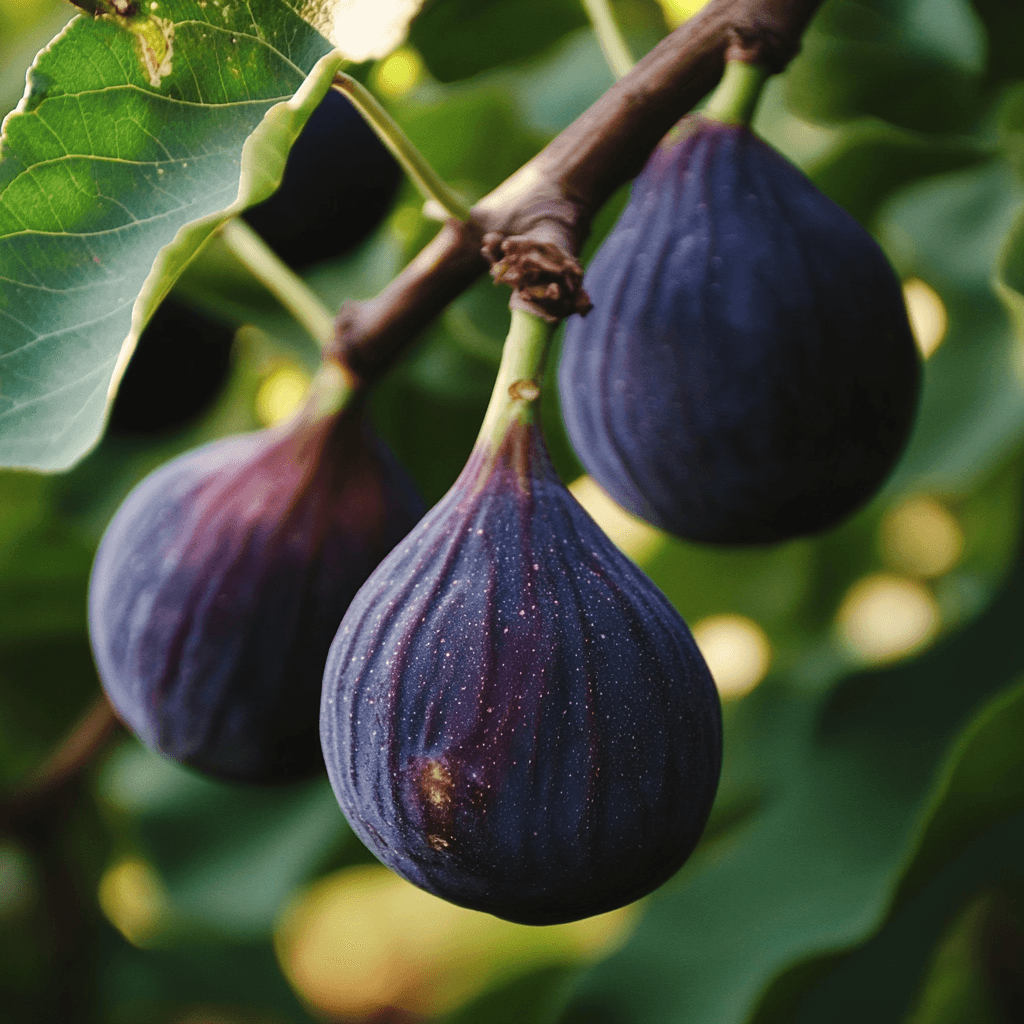
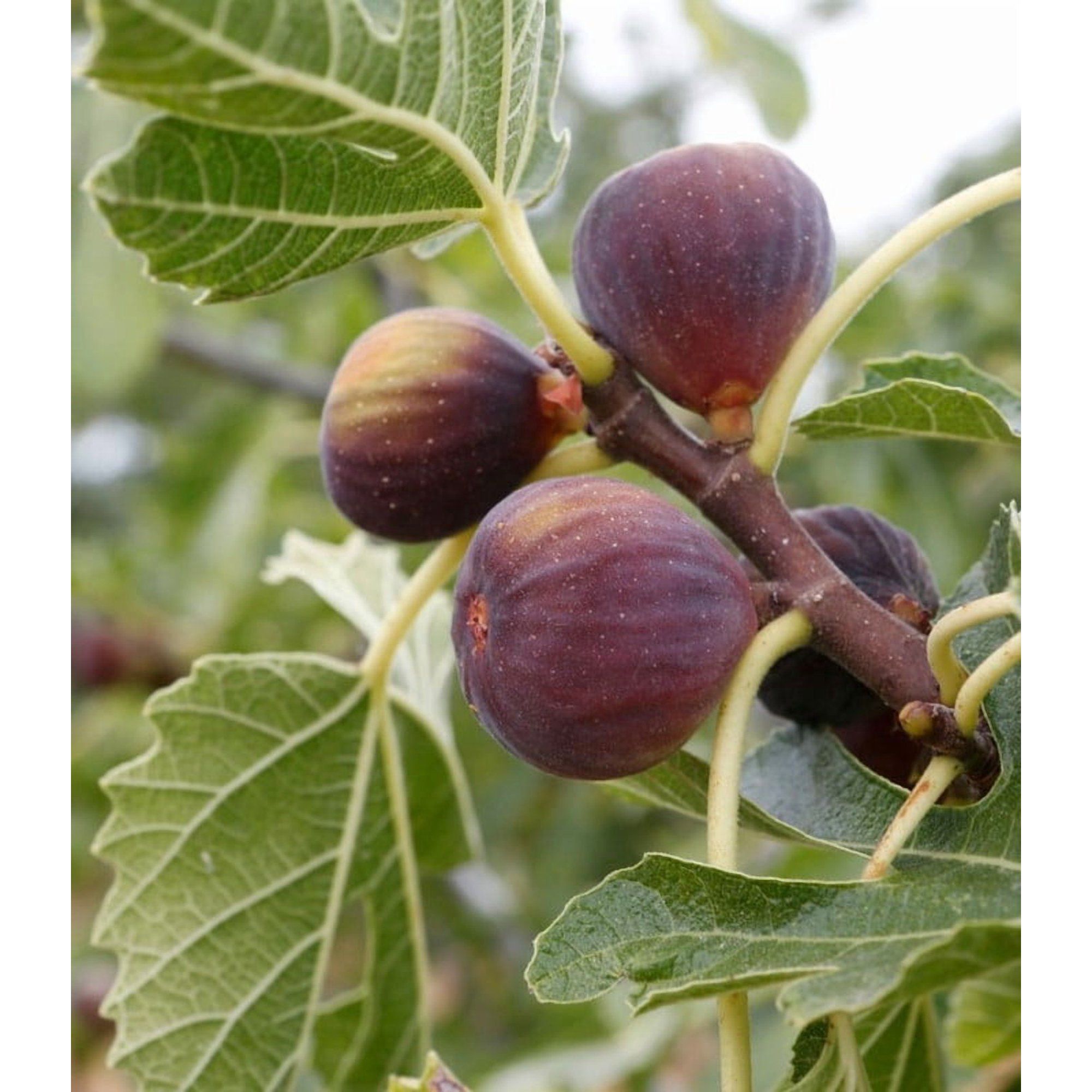
Ficus carica is commonly referred to as the fig. Ficus carica is related to 800 different species of tropical figs. Figs have large, bold, and dissected leaves that add a textural component to the garden. In addition to being a large and beautiful shrub they can be extremely productive, producing fruits from mid- to late summer that can be savored in a variety of ways.
In recent years, figs have become more popular and are being used in both orchards as well as an ornamental plant in the garden and landscape due to their bold and somewhat tropical foliage. Use this guide to learn how to plant, grow, and care for fig trees so you can enjoy fresh, homegrown fruit for years to come
Figs are a great way to add ornamental beauty while also providing a productive fruiting plant! They have gained popularity due to their ability to be planted in a variety of landscaping options.
In the garden, they can be used as a single specimen or planted in a row for screening because of their height and spread. They are often grown on the south side of homes, where they receive full sun and a bit of extra protection; especially important in areas where they may not be fully hardy.
Figs can also be trained against walls, a technique known as espaliering. This is a technique used to train trees and shrubs to grow flat against a support, like a wall, fence, or trellis, by pruning and manipulating their branches. It originated in ancient Rome and was perfected to maximize fruit production in limited spaces.
Figs grow well in ornamental containers, which is especially useful in colder climates where in-ground planting isn’t practical. Containers have many advantages and can be moved indoors, into a heated garage, or into a greenhouse for the winter. On small properties, figs thrive on patios or decks in decorative pots.
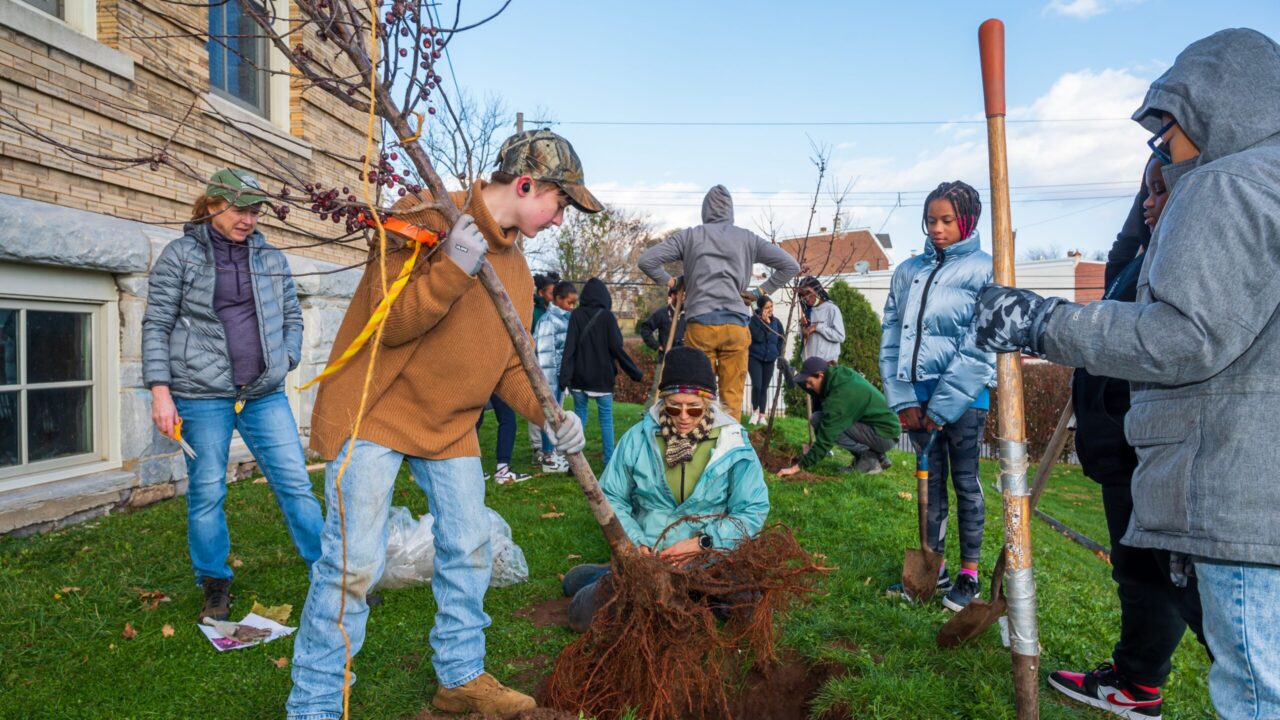
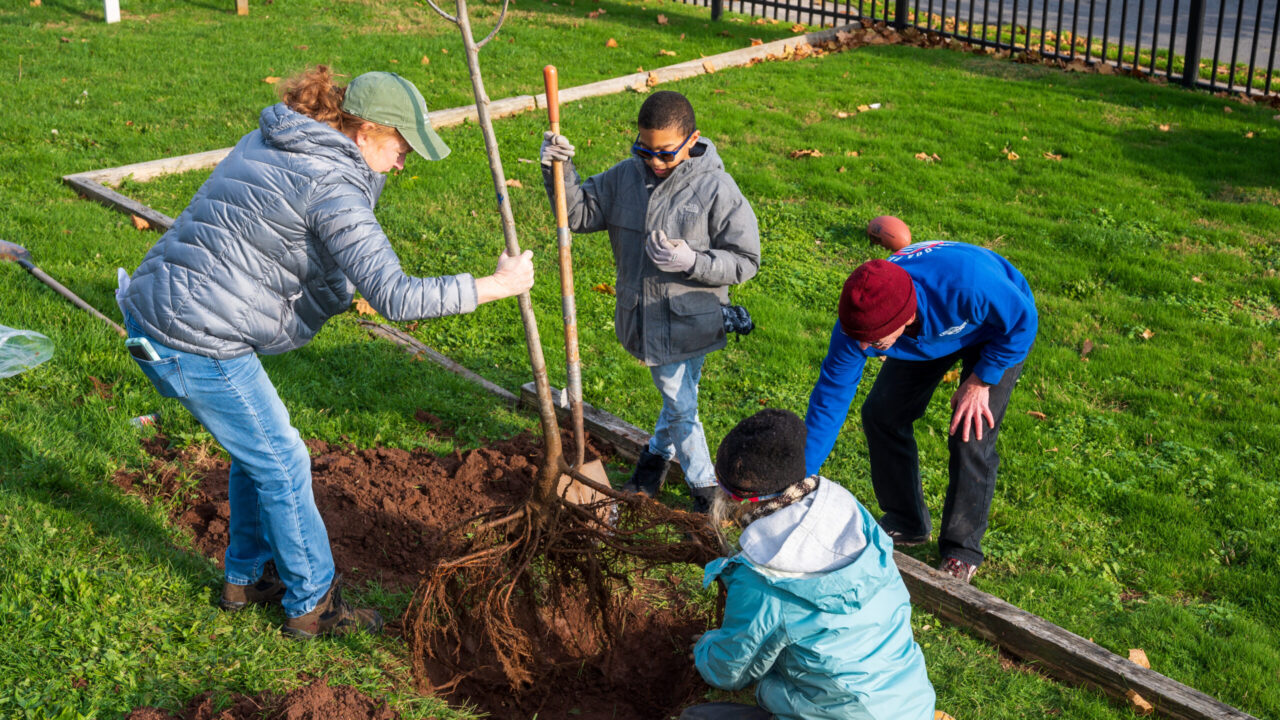
Plant figs in the ground or in containers after the last frost. Figs prefer full sun and well-drained soil. They can thrive in porous, Mediterranean-like conditions.
In warm climates (Zone 8+), figs can grow into large shrubs over 25 feet tall with an equal or larger spread. In colder climates (Zones 6–7), winter dieback may occur. Cut back dead or damaged stems in late winter or early spring. For winter protection, wrap upright stakes with burlap and fill with dried leaves for insulation.
Figs prefer soil with minimal fertility and fertilizing is not recommended. They are drought-tolerant but should be watered during prolonged dry spells.
Below are some of our picks for various garden types.
The best way to propagate cultivars is by taking vegetative cuttings in late spring or early summer once new growth has hardened. Cut 4–6 inches from branch tips, remove the lower 50% of leaves, and reduce remaining leaves by 75%.
Fill a 6-inch pot with well-draining soil mixed with perlite or use 100% perlite. Optionally, dip stems in rooting hormone. Make 6–8 pilot holes in the soil, insert cuttings, press soil around them, and water lightly. Place under grow lights or on a bright windowsill in indirect light. Keep soil moist but not soggy.
Roots form in 2–3 weeks. Once established, transplant each cutting into its own 4-inch pot.
In many climates, figs are a rewarding fruit crop. In addition to producing delicious fruit for jams, baked goods, and fresh eating, their bold foliage adds ornamental appeal. They thrive in poor soil and require minimal care, making them perfect for both expansive gardens and small urban spaces. Whether in the ground or in containers, figs are a beautiful and productive choice.