Fall
Sustainable Gardening
Wildlife Habitat
Winter
5 Ecological Strategies to Prepare Your Garden for Fall/Winter
Learn about ecological strategies to help prepare your garden for the fall and winter seasons.
Reflect on this year’s garden and plan for what’s next! Get simple tips for evaluating what worked, what didn’t, and how to make next season even better.
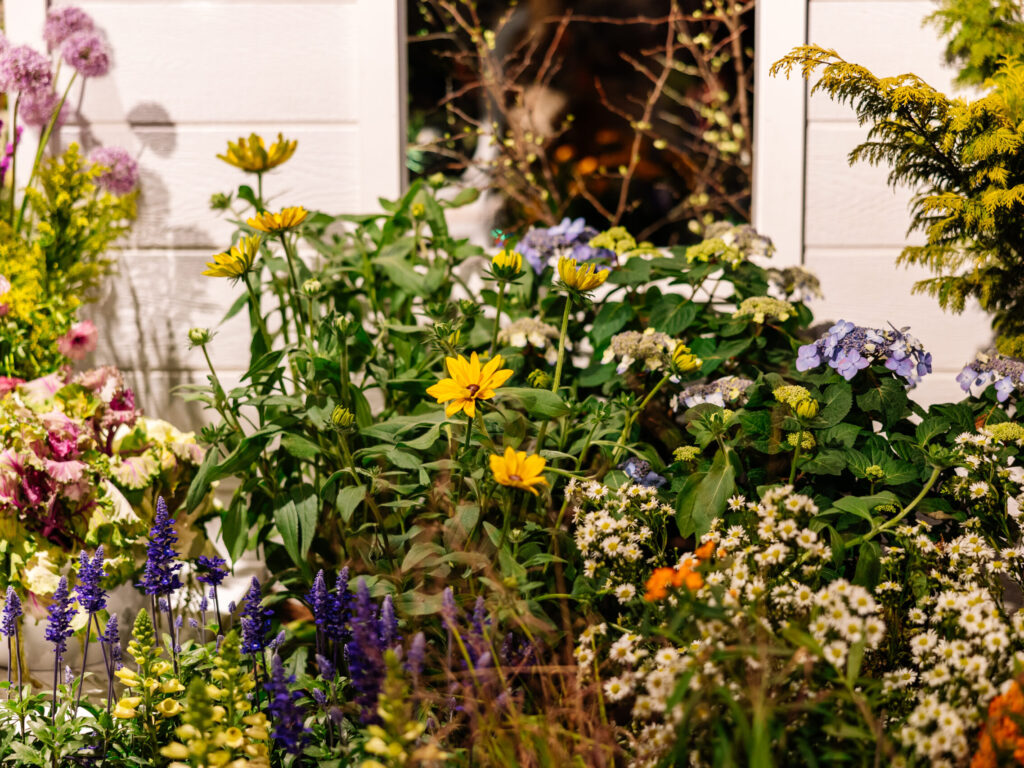
November is a wonderful, quiet breather in the gardening calendar. The intense summer hustle has slowed down, the beds are settling in for winter, and it’s finally time to pour a hot cup of tea (or pumpkin spice something) and reflect. But before you dive headfirst into a pile of seed catalogs and dream up a massive plant wish list, the best thing you can do for next season’s success is an honest garden evaluation while this year’s wins and wild experiments are still fresh in your mind.
Effective garden planning doesn’t start with a blank slate; it starts with listening to what your plot told you over the last nine months.
It’s easy to obsess over the tomato plants that sulked all July, but give yourself some credit first! Take a stroll through the yard with a notebook (and your warm drink) to celebrate your successes:
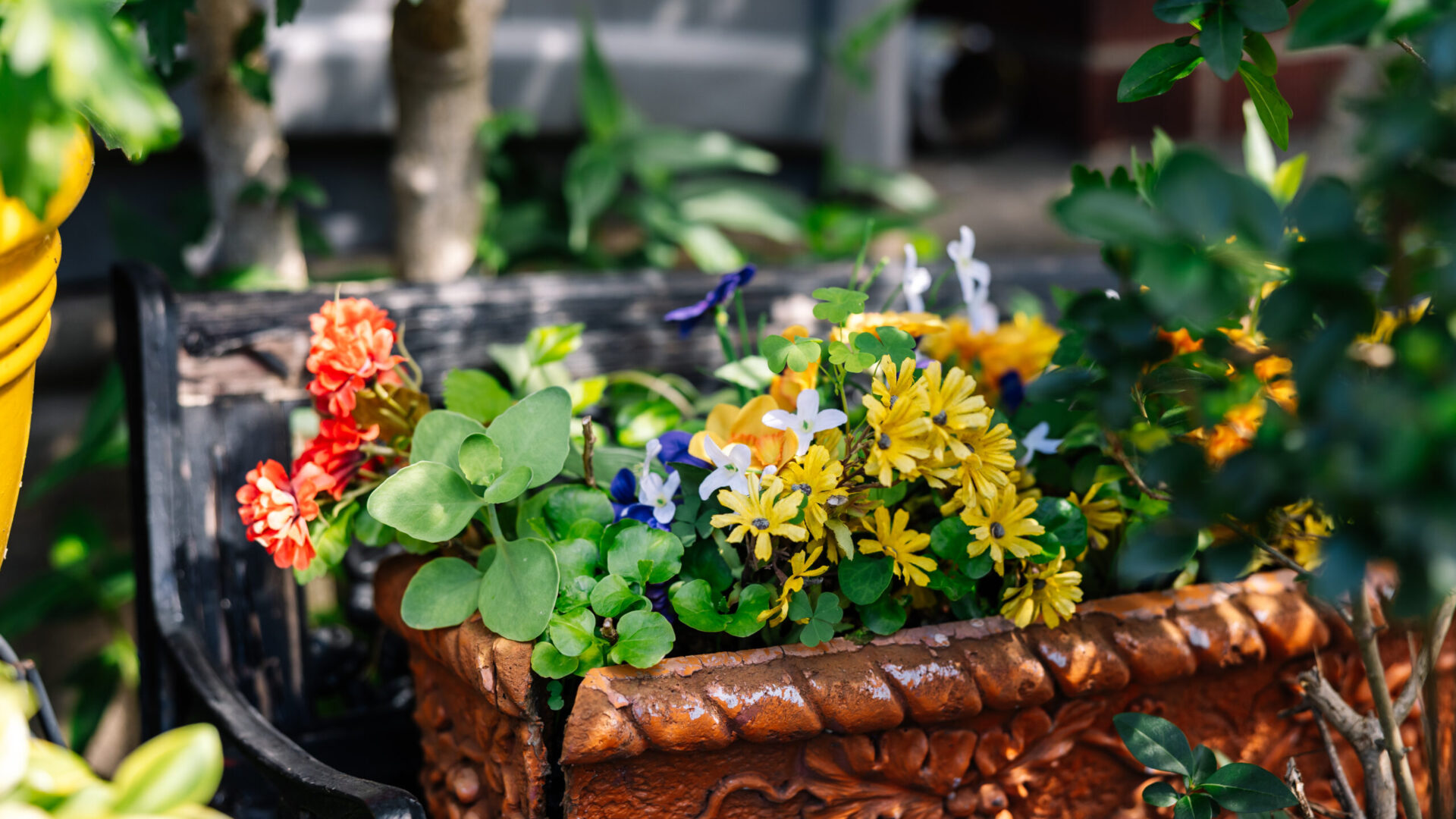
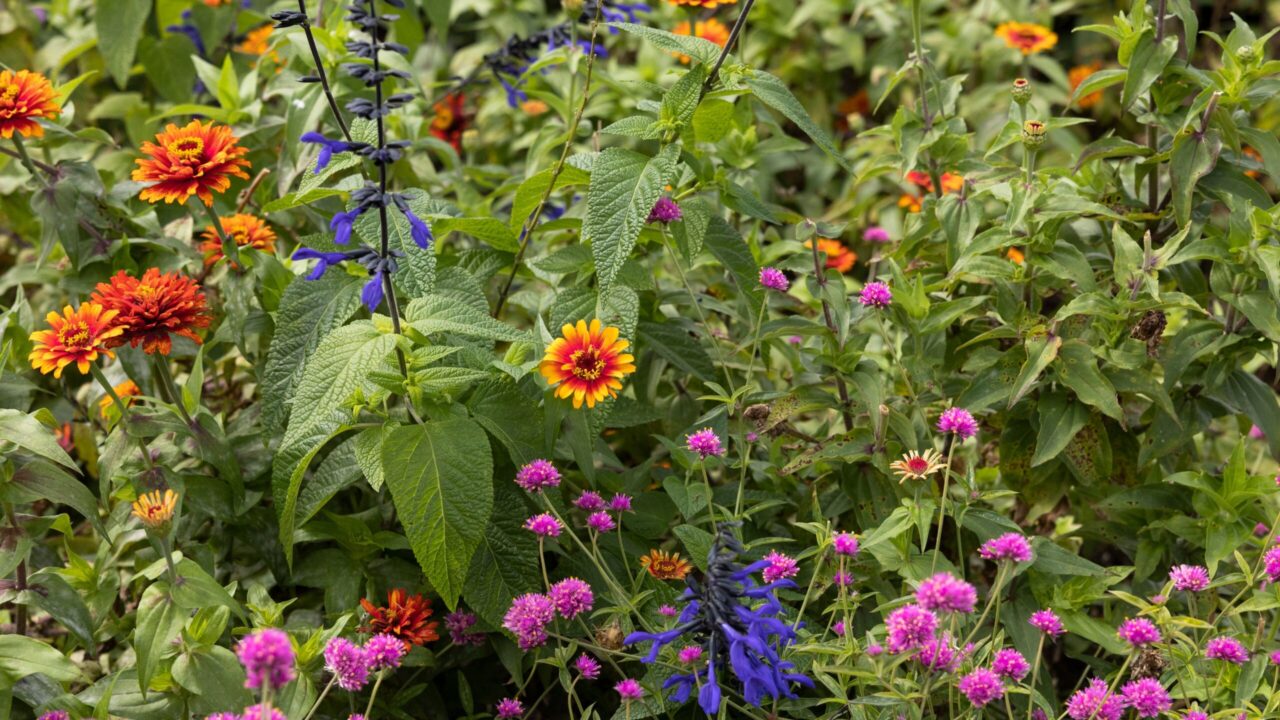
Snap a few photos of your favorite plant combinations or lush corners before the frost takes them out completely. These photos will be your absolute best references when you sit down to map out next spring.
Every gardener loses plants—it’s just part of the process! A good garden evaluation means looking at what flopped with curiosity rather than frustration.
Ask yourself:
Here’s the secret: A struggling plant isn’t necessarily a bad plant. It might just be…
Look, then look again. Stepping back to look at the big picture makes planning next year’s garden so much easier.
Take a fresh look at your garden bed’s layout, including:
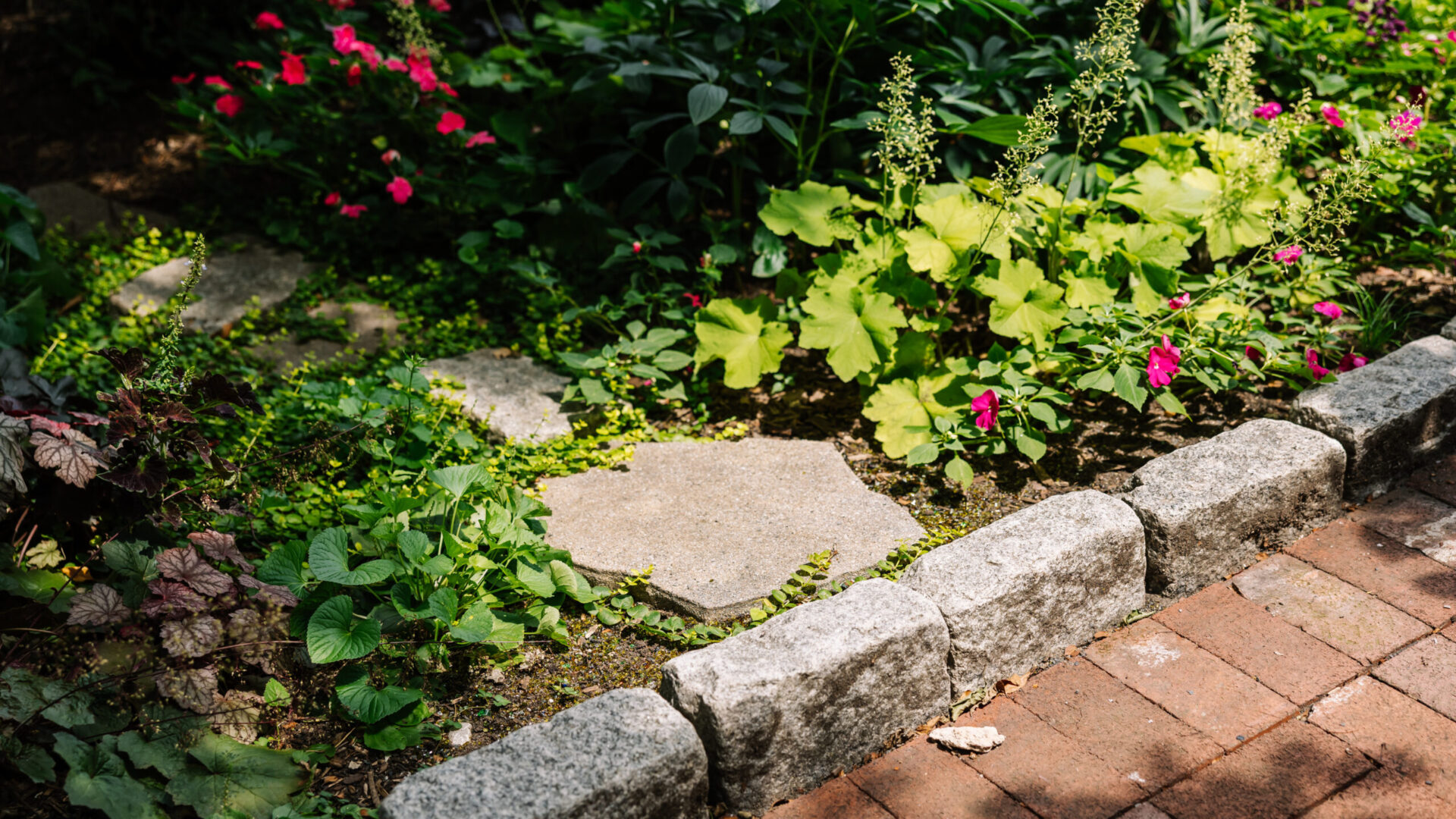
Your yard changes over time. Maybe a neighbor’s tree grew three feet and added new shade, or a low spot stayed muddy way longer than usual after a lot of spring rain. Jot down these quick observations so you can match new plants to real-world conditions instead of ideal guesses.
Garden planning isn’t just about the plants; it’s about you and your time. Be real about how much time and energy you want to spend outside next season. If dragging a hose to the far corner of the yard felt like an exhausting chore, design that out of your life! Group thirsty plants together closer to the spigot, or swap out finicky annuals for low-fuss native perennials that thrive on tough love. Your garden should be a reflection of how you want to garden!

You don’t need a fancy leather-bound book to keep a garden journal (unless you want one!). A simple spiral notebook, a digital document, or a dedicated photo album on your phone works wonders.
You don’t need a fancy leather-bound book to keep a garden journal (unless you want one!). A simple spiral notebook, a digital document, or a dedicated photo album on your phone works wonders.
Fun things to jot down:
To make planning next year’s garden totally stress-free, sort your notes into three simple buckets:
Once you have your lists, pick one main focus for next year. Having a clear focus keeps you grounded in how you design your space. Whether it’s growing more of your own food, attracting more birds, or simply cutting your weeding time in half, this main decision will help guide your approach.
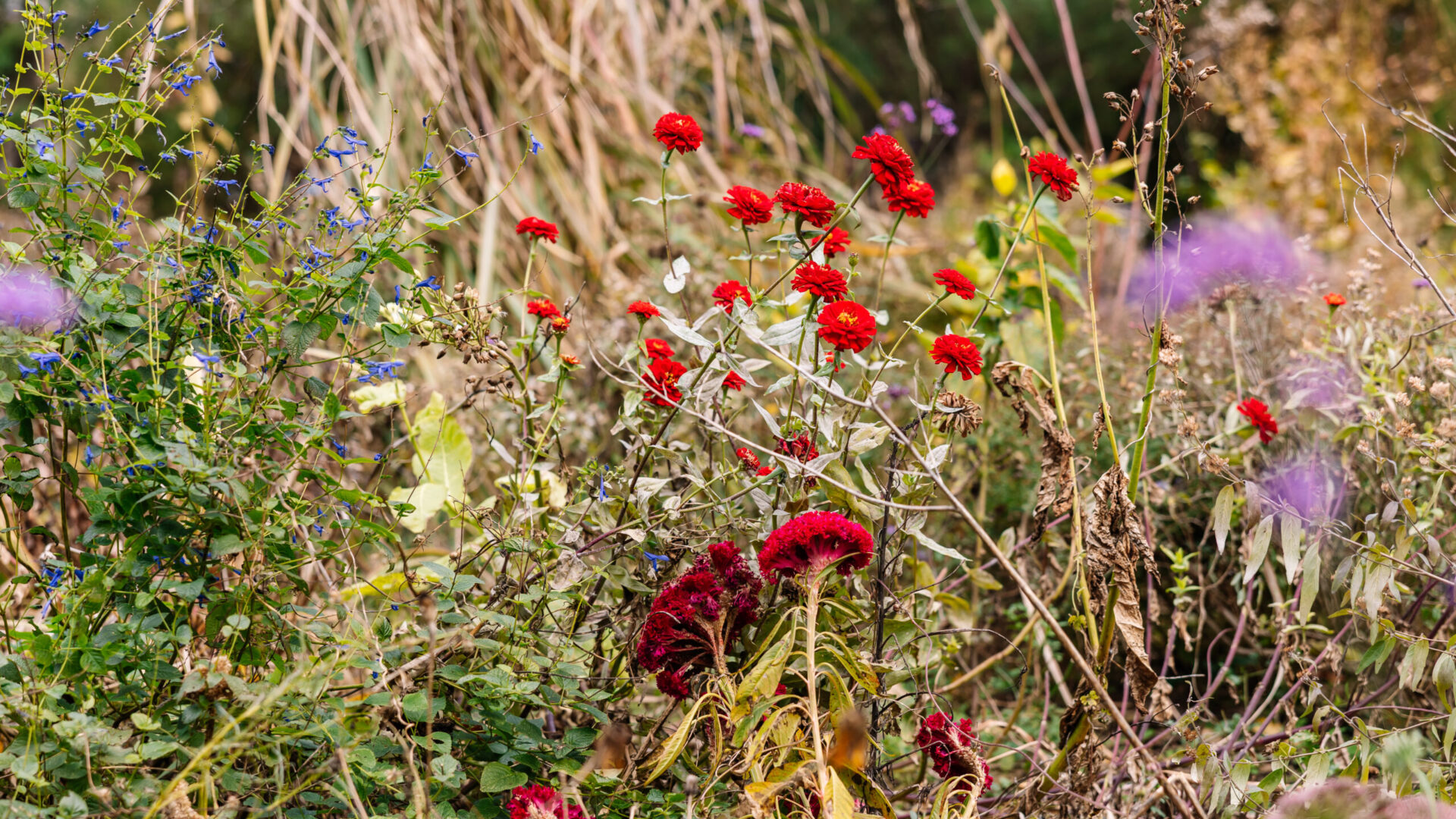
When you’re ready to start ordering seeds and sketching beds, keep this handy checklist nearby:
How do I evaluate and plan my garden without feeling overwhelmed?
Start small! Focus first on what went right and made you happy. Then, pick just two or three trouble spots to investigate rather than trying to fix the whole yard at once.
When should I start planning next year’s garden?
Late fall through early winter is the sweet spot. November is perfect because your memory of the summer layout is crisp, but the pressure to physically work in the dirt is off.
What should I actually include in my plan?
Keep it practical: a rough sketch of your layout, notes on sun and shade, a wish list matching your light conditions, and a short list of projects you’ll actually enjoy tackling.
What are the best simple garden planning tips for beginners?
Trust what happened in your own garden over what it says on the back of a seed packet! Learn from your real-world conditions, set modest goals, and build your garden step by step.
Remember, every single season (even the ones with unexpected weather or pesky bugs) makes you a smarter, more tuned-in gardener. November isn’t an ending; it’s the quiet launching pad for your best growing season yet. Grab your notebook, capture those lessons, and have fun dreaming up what’s next!