10 Community Gardening Ideas from South Philadelphia’s Urban Growers
B) 2020 Rob Cardillo Photography
Philadelphia is often celebrated as America’s Garden Capital for its stunning public gardens and historic landscapes. But the city’s deepest horticultural roots are found in its neighborhoods, where community gardeners transform empty lots into green spaces full of life. Since the 1970s, PHS and residents have worked together to turn underutilized and abandoned parcels of land into gardens that offer more than just beauty; they provide food, community, and a powerful sense of belonging.
Here are 10 ideas you can borrow for your own garden, no matter the size or budget.
This article was inspired by a feature in Fine Gardening magazine, highlighting creative ideas from gardeners at Bel Arbor Community Garden and Growing Home Gardens in South Philadelphia.
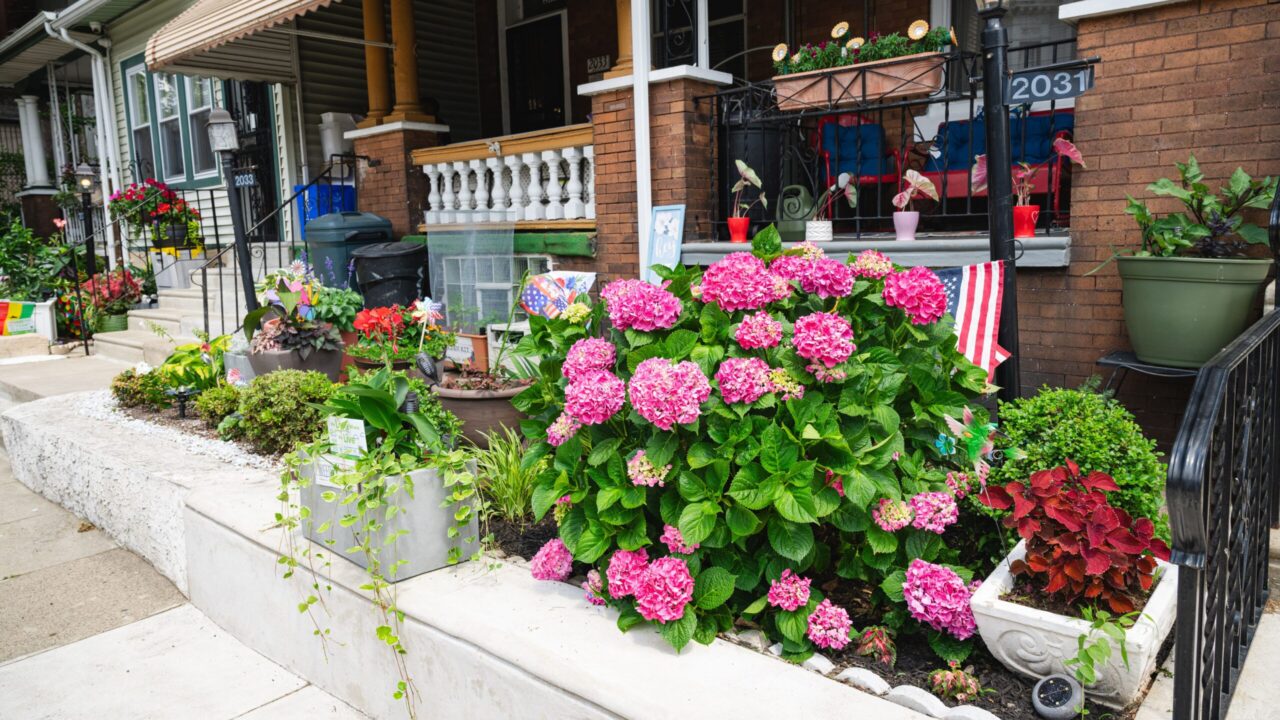
Green spaces can inspire neighbors and transform entire blocks.
1. Let Green Spaces Lead the Way in Neighborhood Gardening Projects
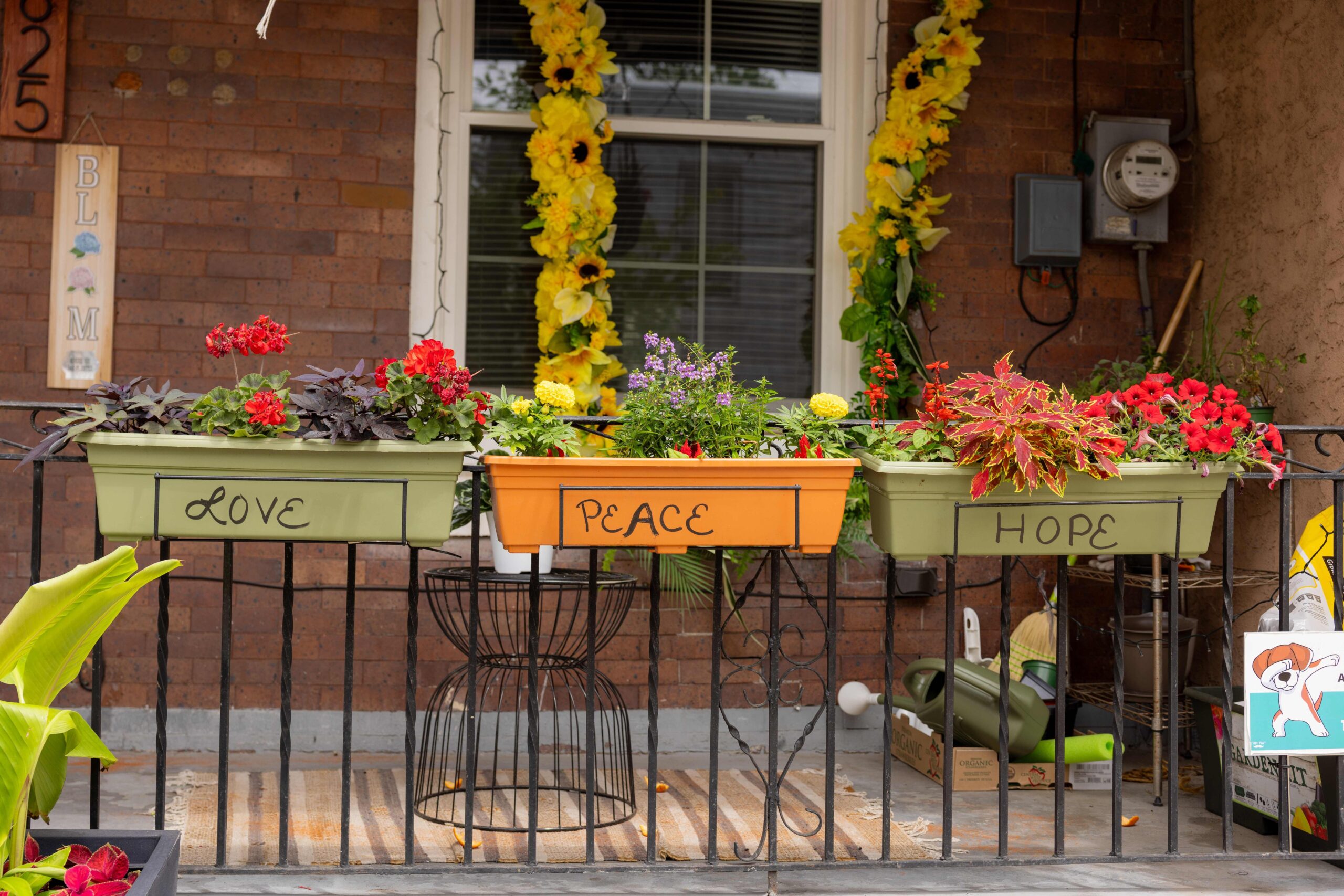
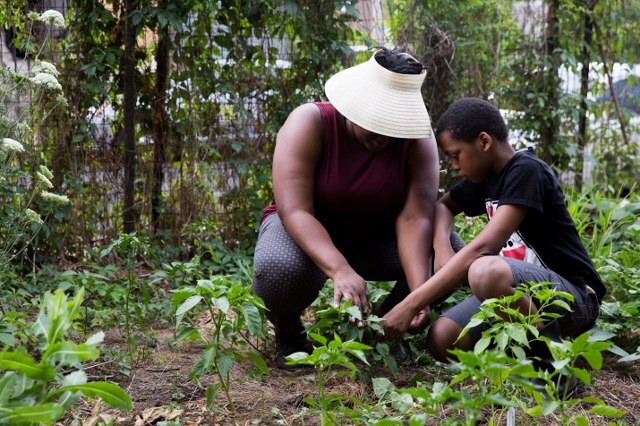
A community garden can spark positive change across an entire block. When neighbors come together to grow food, friendships form, and surrounding homes often begin to green up too. Window boxes overflow, planters pop up on stoops, and shared neighborhood pride blossoms. Thanks to NGT, more than 50 community gardens in Philadelphia have been permanently protected for future generations.
Tip: If you’re starting a new garden, talk with neighbors and local organizations to build a shared vision. Even small efforts can lead to big neighborhood improvements.
Support thriving community gardens and enjoy exclusive benefits by becoming a PHS member today!
At Bel Arbor, gardeners are experts at repurposing materials. Bricks and stones from nearby demolition sites become charming pathways and bed borders. Decorative elements salvaged from old buildings find new life among vegetables and flowers. Even tree branches become rustic arbors.
Tip: Ask local contractors or developers if they have leftover materials to donate. Many are happy to support local greening projects, and it keeps good materials out of landfills.
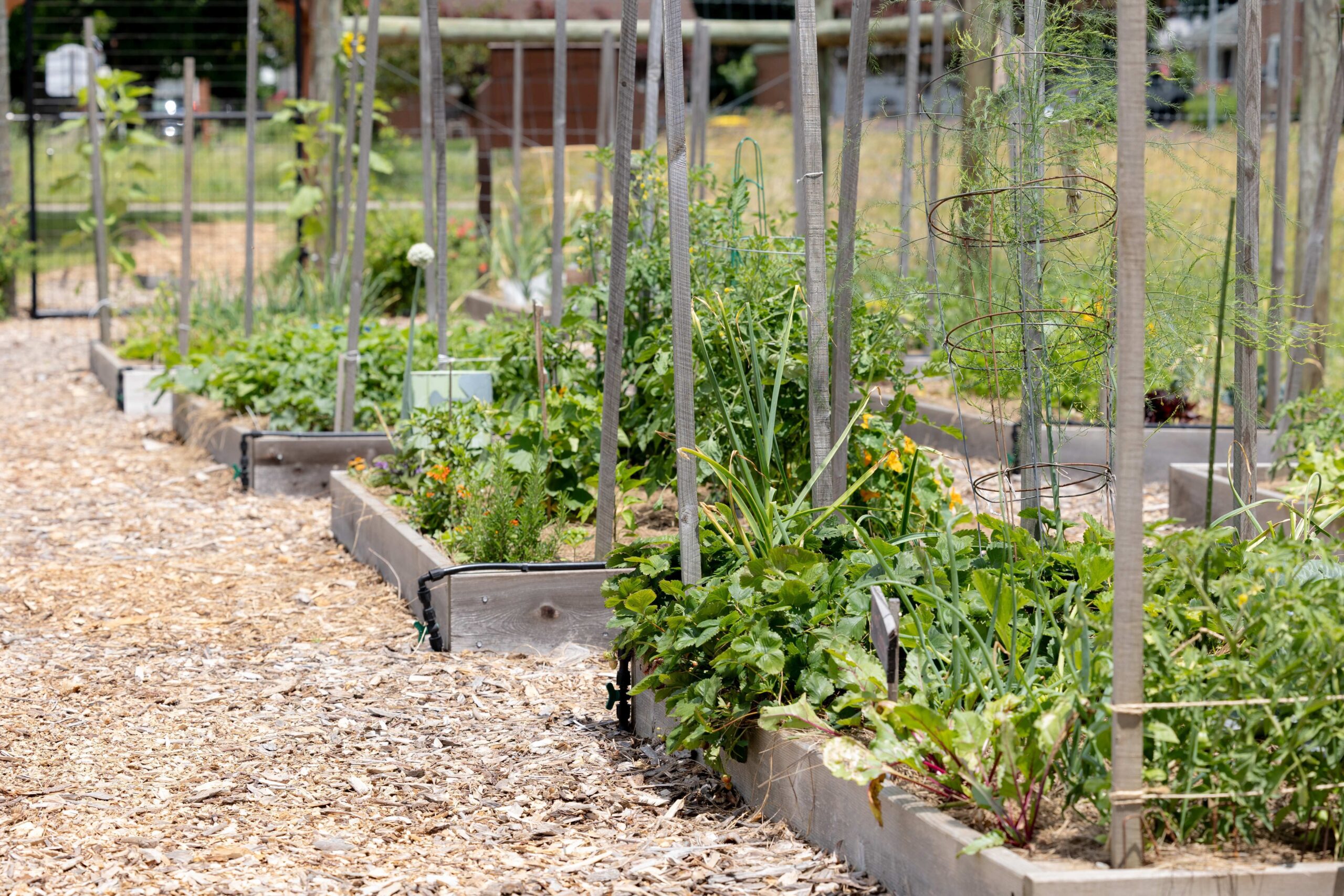
Sturdy raised beds offer a simple, long-lasting foundation for growing fresh food.
3. Build Raised Beds That Last for Vegetable Gardening in the City
Want an affordable way to build raised garden beds? Use 4×4 posts for the corners and attach 2×10 boards for the sides. This DIY method is sturdy, cost-effective, and easy to maintain over time.
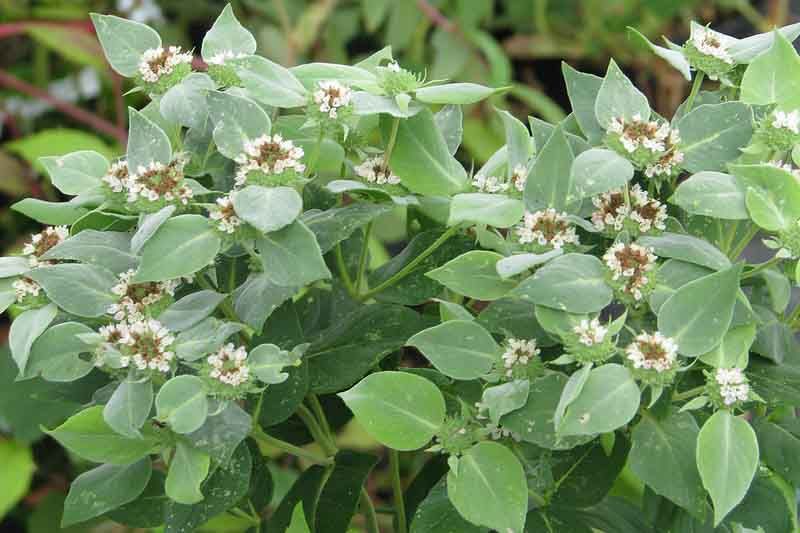
Blunt mountain mint is a pollinator magnet that thrives with little care—an ideal native plant for gardeners looking to boost biodiversity.
4. Boost Biodiversity with Native Plants
Native plants like blunt mountain mint (Pycnanthemum muticum) attract pollinators and beneficial insects. This clump-forming perennial is low-maintenance, spreads slowly, and can be shared with friends and fellow gardeners.
Tip: Native plants typically need less water and fertilizer, making them a sustainable choice for urban gardens.
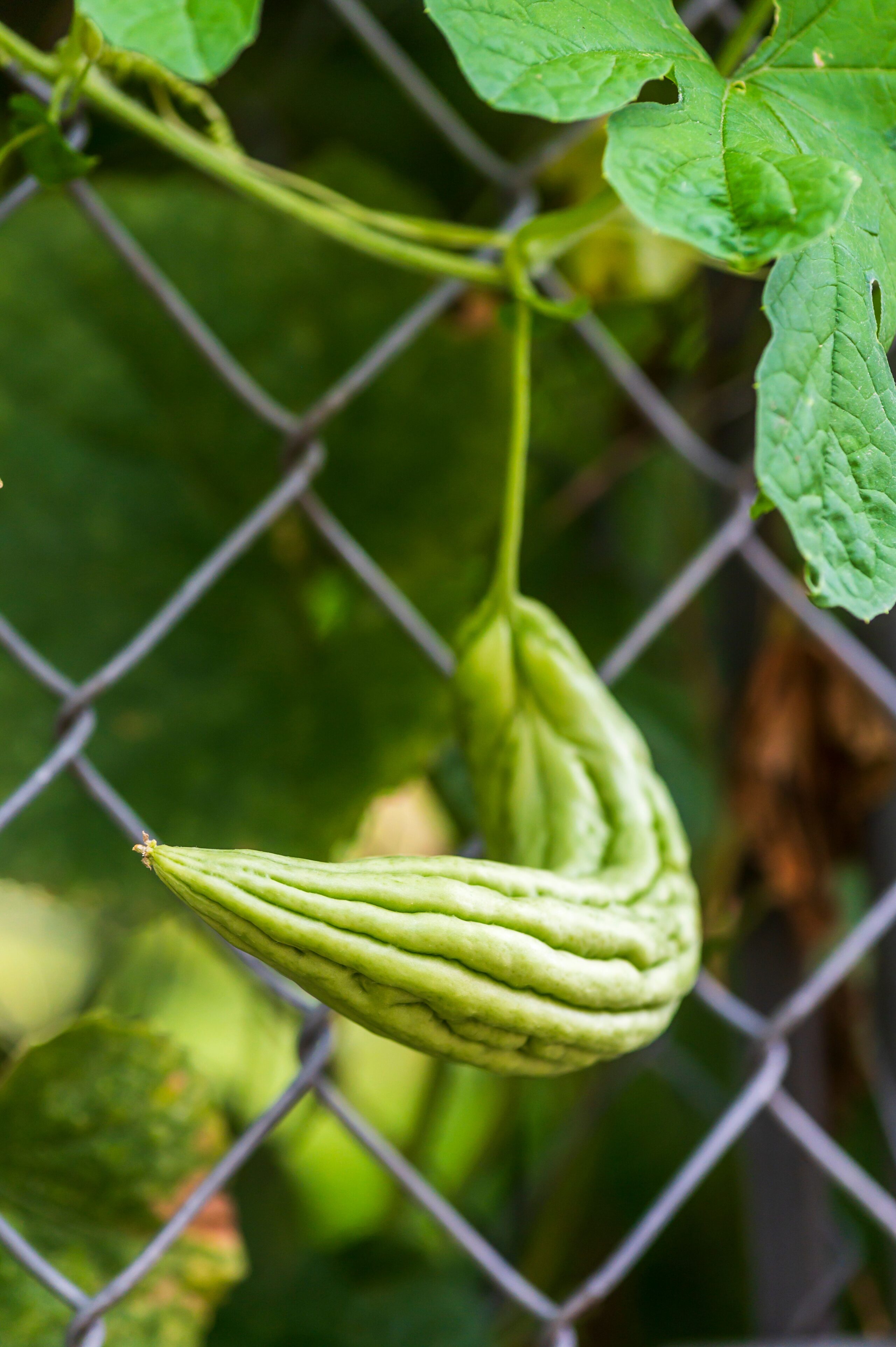
Bitter melon vines climb high at Growing Home Gardens, where gardeners celebrate culture and flavor by growing cherished crops from Southeast Asia.
5. Explore Multicultural Gardening Ideas
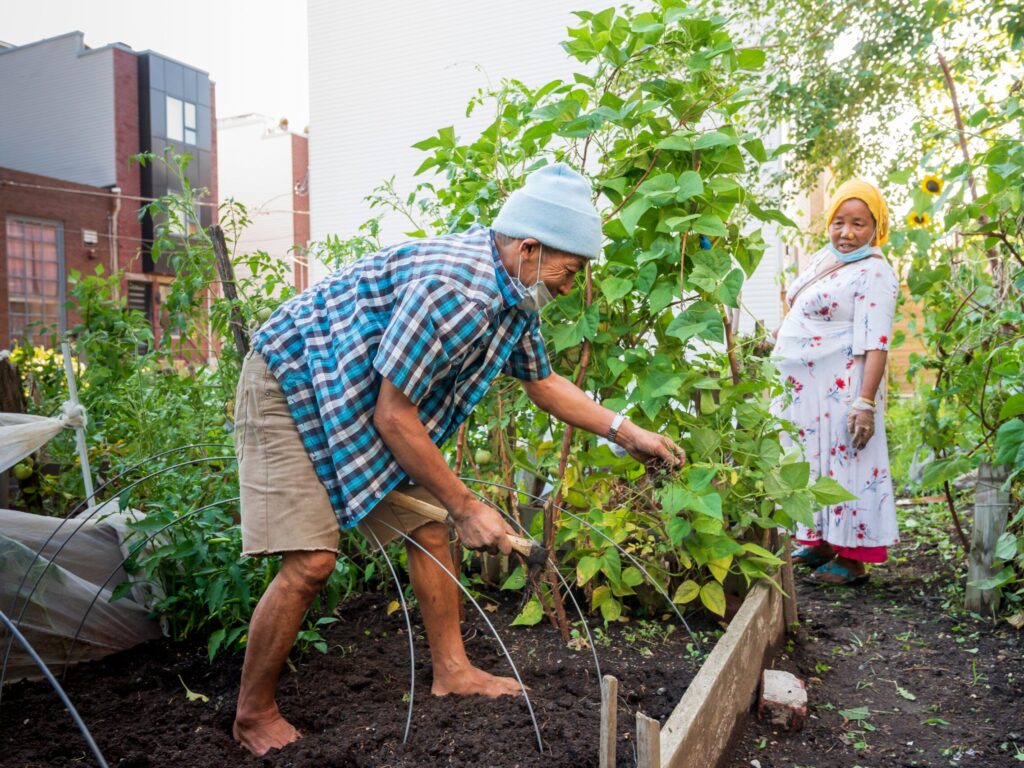
At Growing Home Gardens, many Burmese and Bhutanese families grow traditional crops not often found in local grocery stores. Try adding a few of these unique and productive plants to your own garden:
Long Bean (Vigna unguiculata): Heat-loving and high-yielding, with pods up to 30 inches long.
Bitter Melon (Momordica charantia): A Southeast Asian favorite with health benefits and bold flavor.
Roselle (Hibiscus sabdariffa): Loved for its tangy leaves and flowers—great in teas and salads.
‘Supersweet 100’ Cherry Tomato: A prolific snacking tomato that’s perfect for beginners.
Whether you’re using a compost bin or composting directly in the soil, chop garden waste into pieces smaller than 8 inches. This helps organic material break down more quickly and evenly.
Tip: Keep a pair of shears nearby to cut down large stems before composting.
7. Keep It Neat the Easy Way
If your garden has grassy paths, consider mowing instead of mulching. Mowed grass paths are tidy, low-maintenance, and easier to care for than mulch or cardboard. Just be sure to edge your garden beds to keep everything contained.
Tip: Use a battery-powered device to make it more eco-friendly.
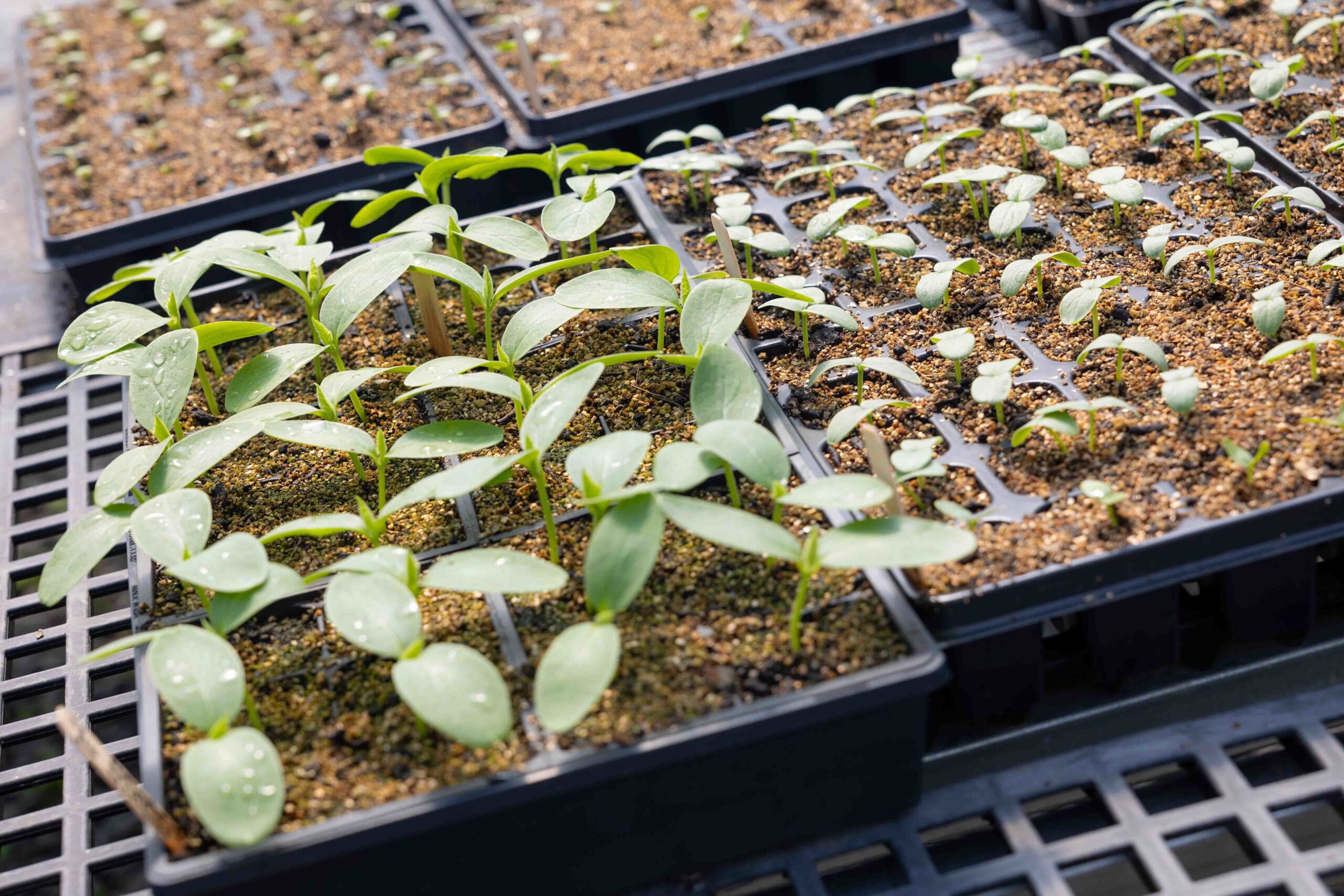
Seedlings in trays get a head start while mature crops finish up—making succession planting a smart way to keep your garden growing strong.
8. Extend the Harvest with Succession Planting
Succession planting keeps your vegetable garden productive all season long. Start new seedlings in trays while older crops mature, then transplant them into available space. Protect young plants with insect netting to avoid pests without trapping too much heat.
A vibrant mural at Growing Home Gardens celebrates culture, community, and the shared joy of growing.
9. Share the Joy of Growing
At Growing Home Gardens, colorful murals tell stories of heritage and resilience. Community beds filled with herbs and flowers invite passersby to stop and enjoy. Whether you’re growing in a shared space or a private front yard, remember that your garden can be a source of joy for others too.
10. Think Vertically with Space Saving Ideas for Urban Gardening
Limited on space? Use fences, walls, or trellises to support vining crops like beans, squash, or melons. At Growing Home Gardens, perimeter fencing doubles as growing space for climbing vegetables. For a sturdy, long-term upgrade, consider welded wire panels or cattle fencing.
Ready to Try Something New in Your Garden This Season?
Whether you’re planting a new crop or building a raised bed, take a cue from South Philly’s community gardeners who are growing together and celebrating their heritage. Gardening doesn’t just feed your plate; it feeds your spirit and your community.